By Izzy Geddes, Epigreen Columnist
Born out of a concern for climate change and desire to incentivise collective action, Hopefully is a wildlife charity that places Bristol at its heart. I spoke with founder Anna McQuillan to gain insight into how this organisation came to life.
Inspired by a talk by Saba Douglas Hamilton on poaching in Kenya, 16-year-old Anna realised she wanted to do something to bring people together in the name of nature. While she learnt to grow thick skin and remain positive through the uphill battle wildlife conservation can be, Anna also found encouragement in Hamilton's belief that ‘everyone who is trying to do something about the environment is in a line holding hands, getting pushed back but slowly making things happen.’
‘Everyone who is trying to do something about the environment is in a line holding hands, getting pushed back but slowly making things happen.’
Anna highlighted how we are taught pretty early on that there is something wrong with the climate, putting the pressure on us to do something from an early age. But individual action can often feel insufficient, with little evidence of how our actions are tangibly making a difference. This is where Hopefully comes in. Anyone with an idea for a wildlife fundraiser can get in touch and Hopefully will help make their vision a reality. They help organise the fundraiser, find a local conservation project to direct donations towards, then return to the individual or group and explain how their donations are helping the environment.
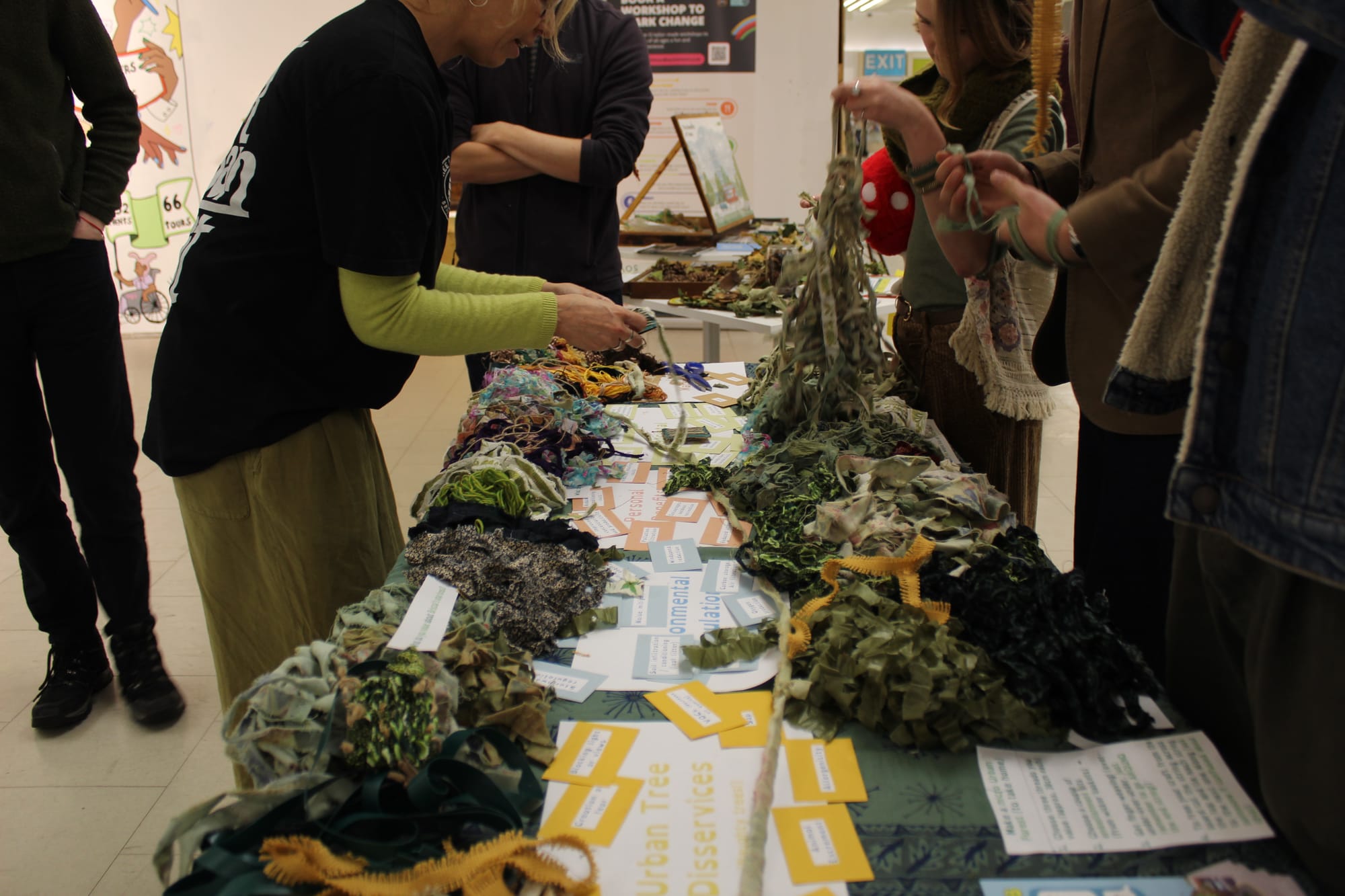
Hopefully increases the accessibility and visibility of wildlife conservation, providing the feel-good sensation and reward of knowing how you have helped. By tracking where donations actually go, with no responsibility on the group/individual to do so, Hopefully reconciles ecological knowledge, media representations of climate change and what the public actually understand about it. In Anna's words: ‘Having an understanding of the processes of nature empowers you to understand what getting involved means, where your money has gone and why that works, and empowers you with the vocabulary to have those conversations.’ Additionally, she noted that some people require a reason, a why, to act on environmental knowledge, so creating these channels of communication can help to incentivise people into action.
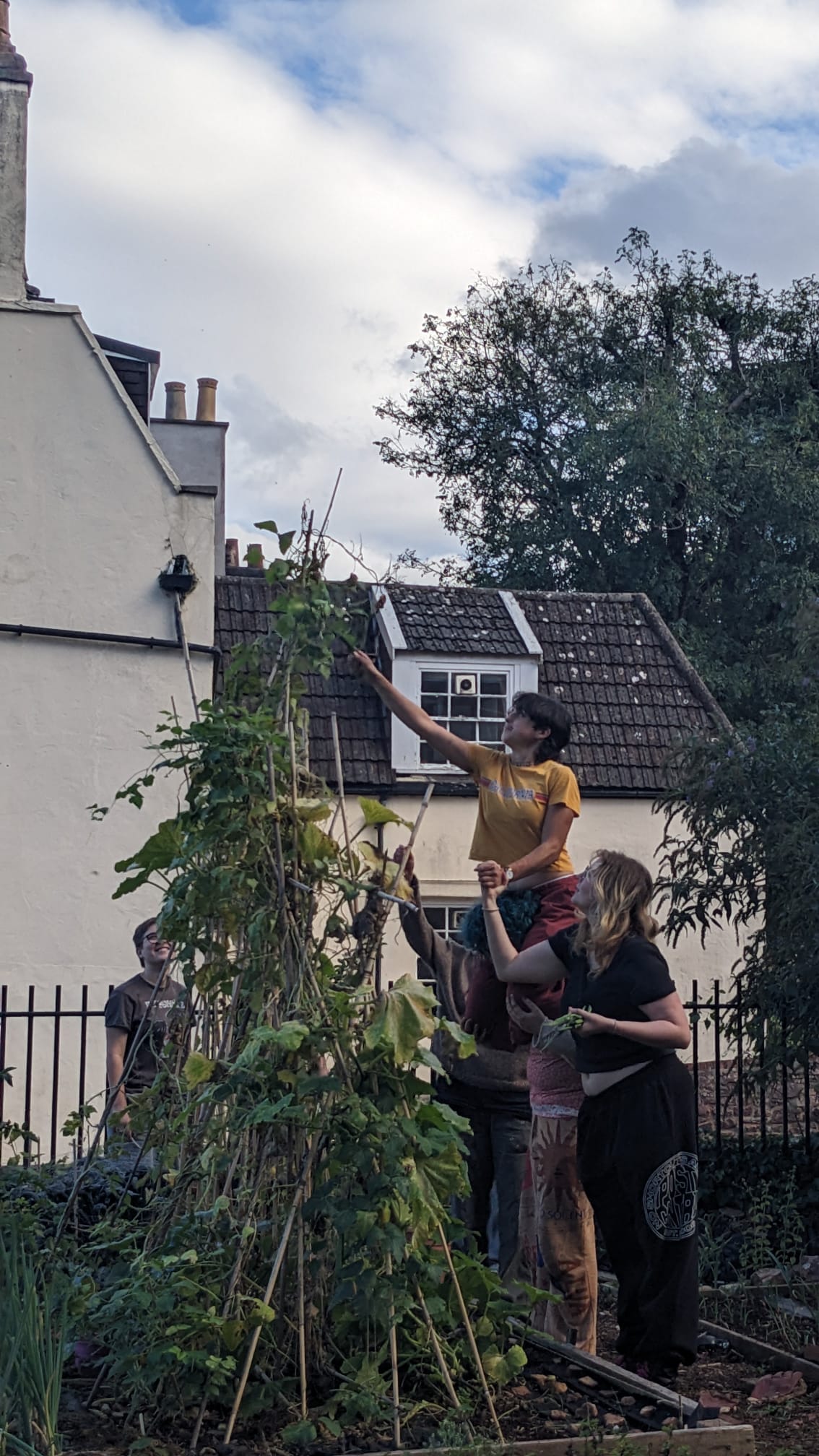
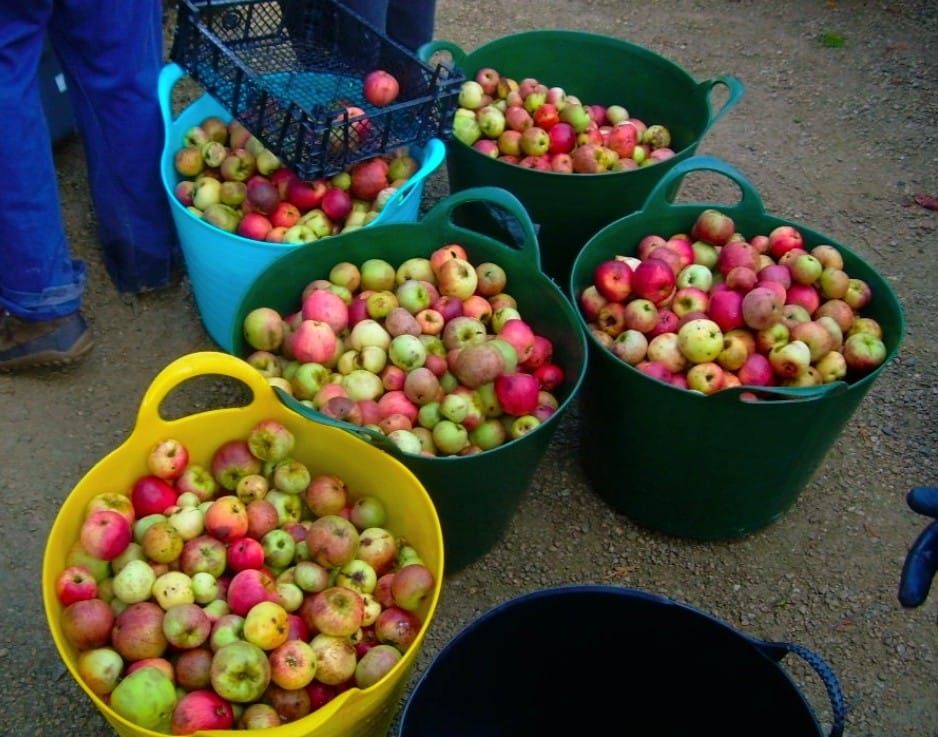
Fundraisers have already occurred in collaboration with University of Bristol societies, such as the Neurodiverse society or Pub Quiz society. Anna highlighted this as incredibly important, as creating a community with both university students and the wider Bristol community helps dismantle the binary that often emerges here, and initiate conversations that can lighten climate anxiety. Each group pitches their own activity for the fundraiser, to ensure it is within their theme and something enjoyable for their members. For example, the Bristol University Conservation Group (BUCG) dedicated one of their open allotment gardening sessions to Hopefully this year, bringing people together and getting them talking and having fun.
 Olivia Hunt
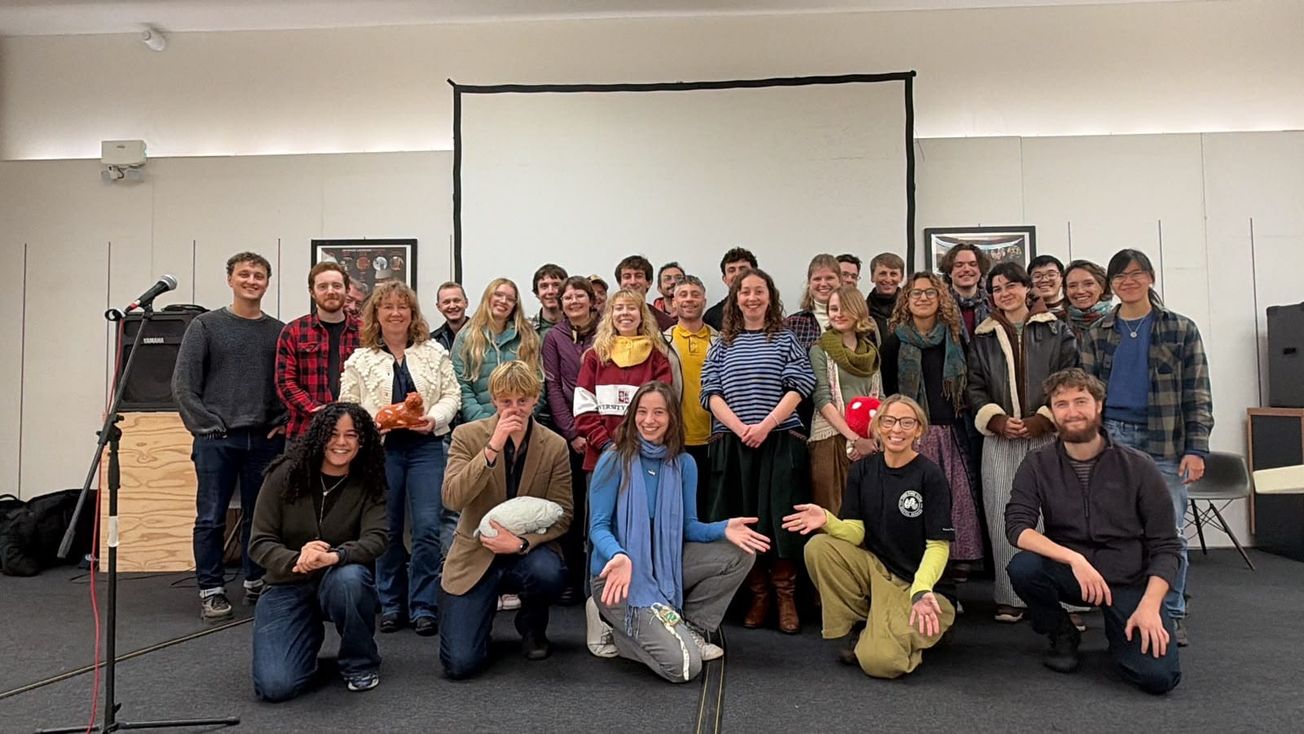
These collaborations help the student community feel less isolated through the transfer of knowledge, opportunities and funding, and by bridging the gap between academics and the public. For example, two wildlife films from the university's society were shown at Hopefully's fundraiser finale last Thursday, helping to give students an edge in today's competitive job market. At this finale, it was announced that Hopefully has raised a brilliant £1900 in 2026 to donate to wildlife charities.
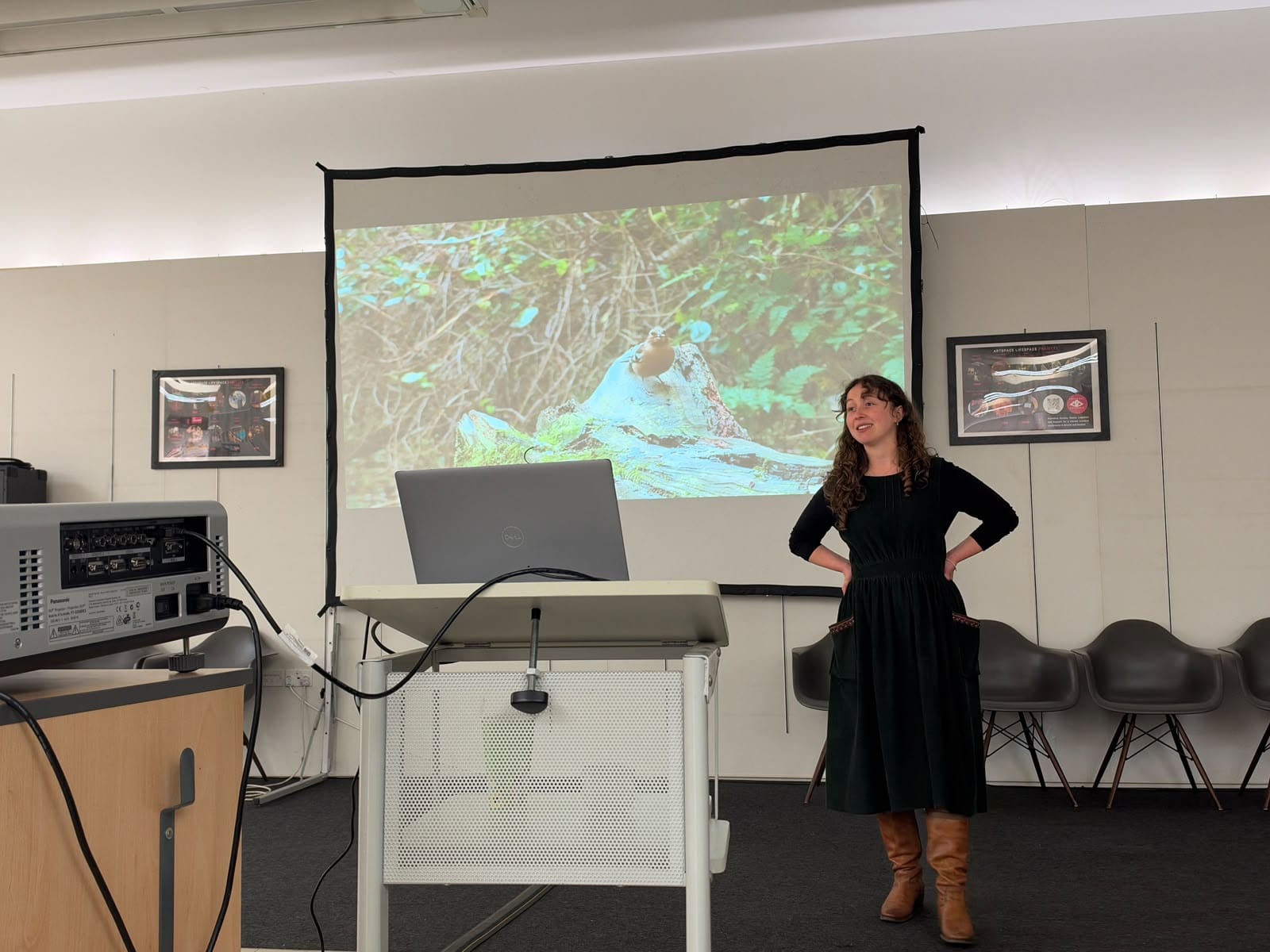
In terms of the projects Hopefully works with, significant research is dedicated to finding suitable destinations for the money raised. Anna emphasised that they must be local, preferably within the postcode of the fundraiser, and last year they were all in Bristol bar one in Gloucestershire. This year, Hopefully has seen two in Bristol with one in Somerset, so participants are able to see the impact of their efforts and leave their mark on the environment in a more positive light. Hopefully aims to move away from what are termed charismatic species such as hedgehogs, foxes or beavers that are easier to advertise, thus resulting in uneven support for mammal species in the UK. Considering keystone species (those with a big effect on the ecosystem regardless of population size) are not always mammals but can be as small as earthworms, Hopefully is doing amazing work to balance attention to different species integral to UK wildlife.
Featured Image: Epigram / Nour Hegazy
Have you got an idea for a wildlife fundraiser Hopefully can make a reality?