By Tylah Hendrickson, Senior Digital Editor
‘We want university students to understand that we are just a reflection of the working world, so it would be an injustice to our society to not uphold an air of seriousness’
Narindwa Matikanya, President of Bristol Black Futures – one of the university’s newest careers societies — does not shy away from the weight race plays in the working world. For her and Creative Lead and Co-Founder Hani Jama, the society is not just about CV workshops and networking, but about upholding a standard, and about maintaining a sense of community in the process.
Four months in, the society is already making waves in their outreach – through creative workshops with Afrika Eye Festival 2026 and live Q&As with PA Consulting — the team provide a broad range of career events to fit their members’ individual journeys. Bristol Black Futures is dedicated to Black career progression, to empower and connect students to accessible pathways, and turn guidance into tangible outcomes. However, the temptation to dive straight into career events is something they have resisted. Narindwa recognises that as a new society they need to anticipate a crowd.
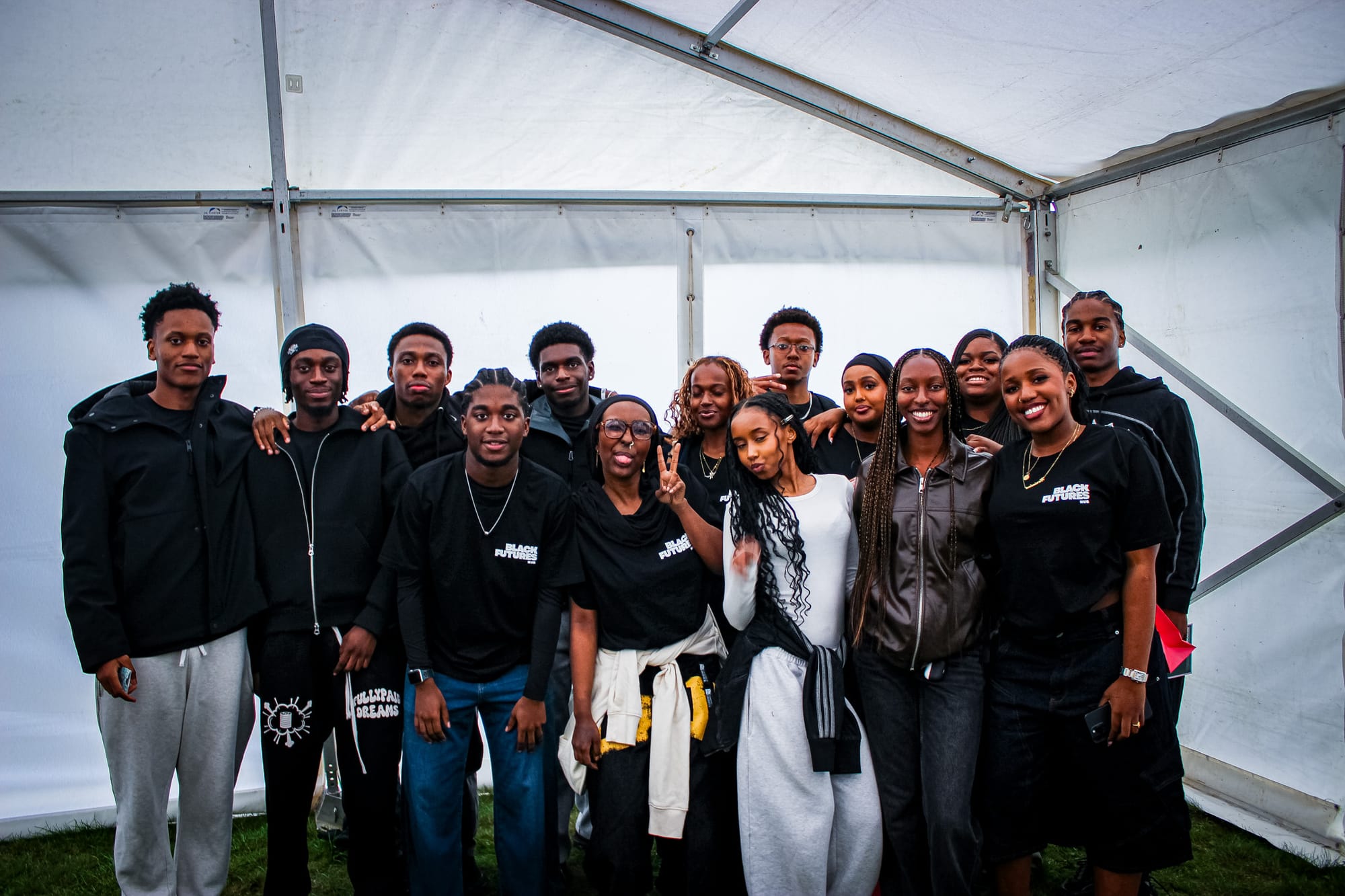
For example, a Freshers’ Week event they hosted (‘The Motion’) was an interactive debate night where opinions were put to the test. With questions like ‘Most Black families are more offended by public embarrassment than private harm. Agree or disagree?’, the ‘air of seriousness’ that Narindwa previously mentioned is still embedded in the groundwork that the society is cultivating. However, by promoting this event as ‘Stop arguing in group chats for free’, the members are still focusing on social events that create an opportunity for Black students to express their career needs whilst ‘taking ownership of our own social norms that we impose upon ourselves and allowing ourselves to have unconventional ideas of success.’ By ‘asking before they cater’, it sets up the basis for the longevity of their society.
‘Not everyone wants the same thing, but everyone wants success, there are different ways that they're going to go and get that success. Success is the only common factor we have, but someone might have a different route to how they get that’ – Hani Jama
‘We can work it out together’. For Narindwa, this is where the society’s ambitions extend beyond Bristol. As an international student from Tanzania, she was never in the minority at home. ‘Coming to the UK, it can be even harder to form a community without feeling segregated. So, whilst we are curating a space where people can cultivate their career progression, we want them to talk openly about their culture without feeling that segregation. We still collaborate with any other society regardless.’
Hani's experience echoes that. ‘I grew up in Bristol for a bit, and then I grew up in Norway for a bit too, so I've always been the minority since I was younger, and I've gotten used to it no matter where I am. So, coming to Bristol and being part of a society that highlights the idea of getting together and helping each other out has been reassuring. And I know some people that have said they've never had such a space, at least for career progression.’
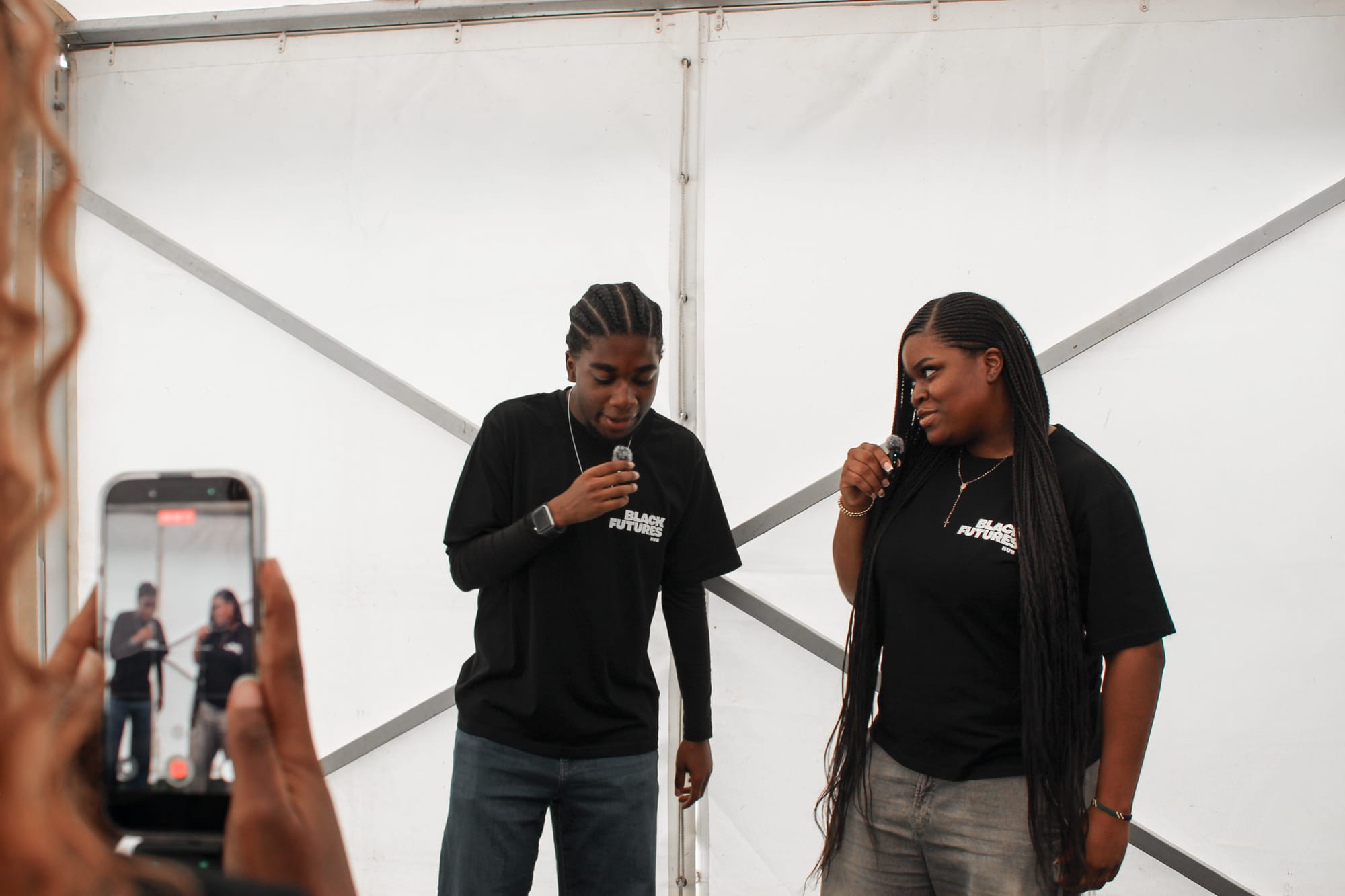
When I asked about the community they’ve built over the past four months, they answered with the space Bristol Black Futures has filled. ‘There wasn’t a space for us to collectively come, as our own, and talk about careers,’ Narindwa says. ‘The University of Bristol’s Careers office does a phenomenal job — there’s the Racial Inclusion Advocacy Programme, there’s Black Associates – so it’s not that those Black career opportunities are not there, the access is there. But I think we provide a student-to-student perspective of what we need now, which I think is incomparable to any other facility.’
The society takes a solution-positive approach to the Black careers experience: they run racial inclusion and social equity workshops and hosted a session rating engineering organisations on their Inclusivity Indexes. It answers the questions others don’t: what do you do when you don’t have the connections others do? How does race impact investing on a graduate salary? Credit? Rent applications? Assessment centres? And so forth. They’re ready to have the ‘hard conversations that you don’t want to have’ about how to speak and present yourself in interviews to ‘appear more professional’. But they recognise that it is easy to get racial fatigue when talking about ‘what you are going to go through in the work force’ and in other facets of life. So, whilst these conversations are welcomed, they are not forced.
They want to fight for Black students’ ambitions, and to advocate for the idea of Black excellence.
What is Black excellence for you?
‘It's hope, it’s success, it's community, it's encouragement’ – Hani Jama
Narindwa is clear that ‘Black excellence is not a trend. You see this representation in boardrooms, in executive positions, in TV shows, on the runway – and its not just representation, we are in these rooms, and we belong in every room that we want to be in.’ The idea of Black excellence is just the idea of success, and encouraging others to get to that end point of success. ‘It’s so easy for us to celebrate the firsts, and in an ideal world, Black excellence is commemorating our presence there just as much as the milestone. Our presence shouldn’t be a milestone. Black excellence should be fostering that abundance.’
 Leigh Mendes
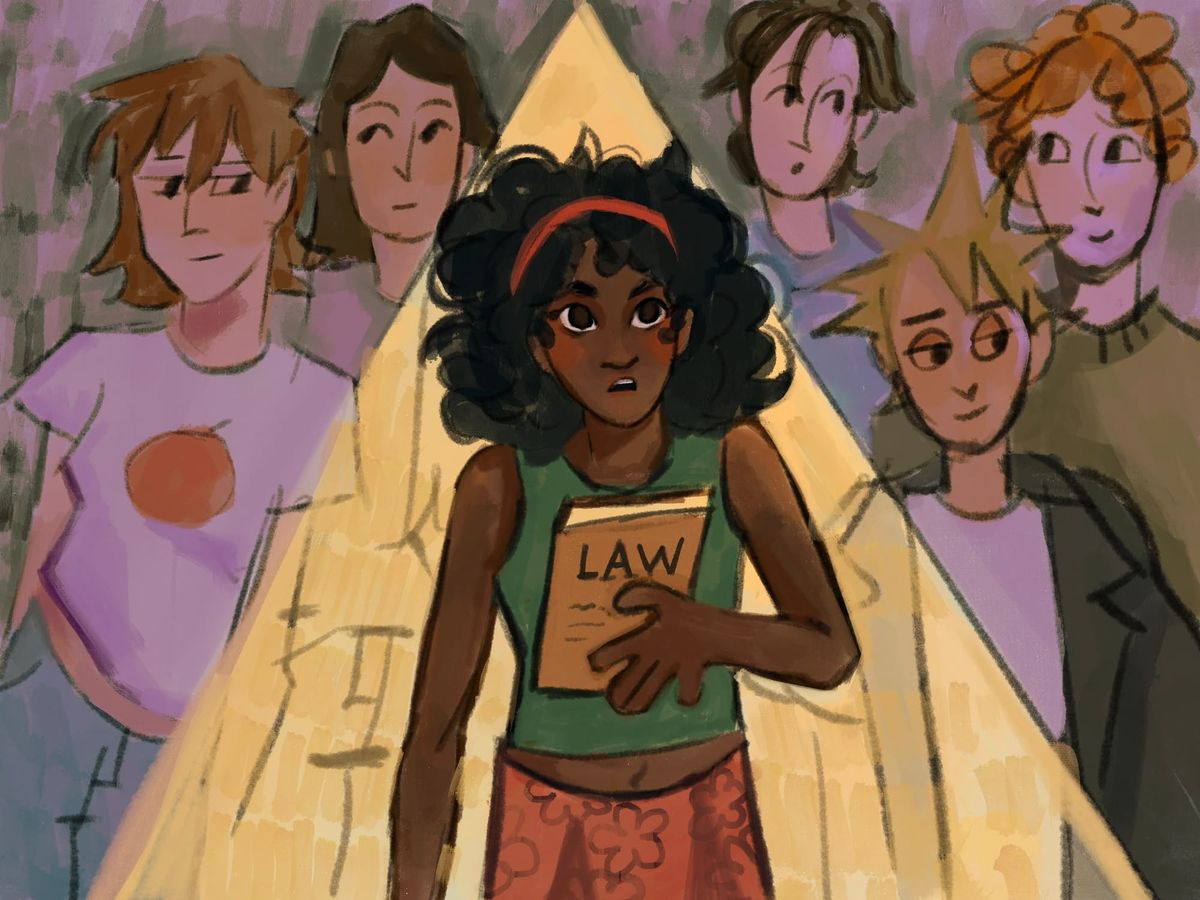
The society’s balancing act is summed up in a single line from Narindwa: ‘Careers is our main focus, but not to the detriment of culture.’
Four months in, and that focus is taking shape beautifully, and more importantly, is the culture that outlines it.
Featured Image: Bristol Black Futures / Hani Jama
What is success for you?