By Natalie Payne, Second-Year, French, German, and Spanish
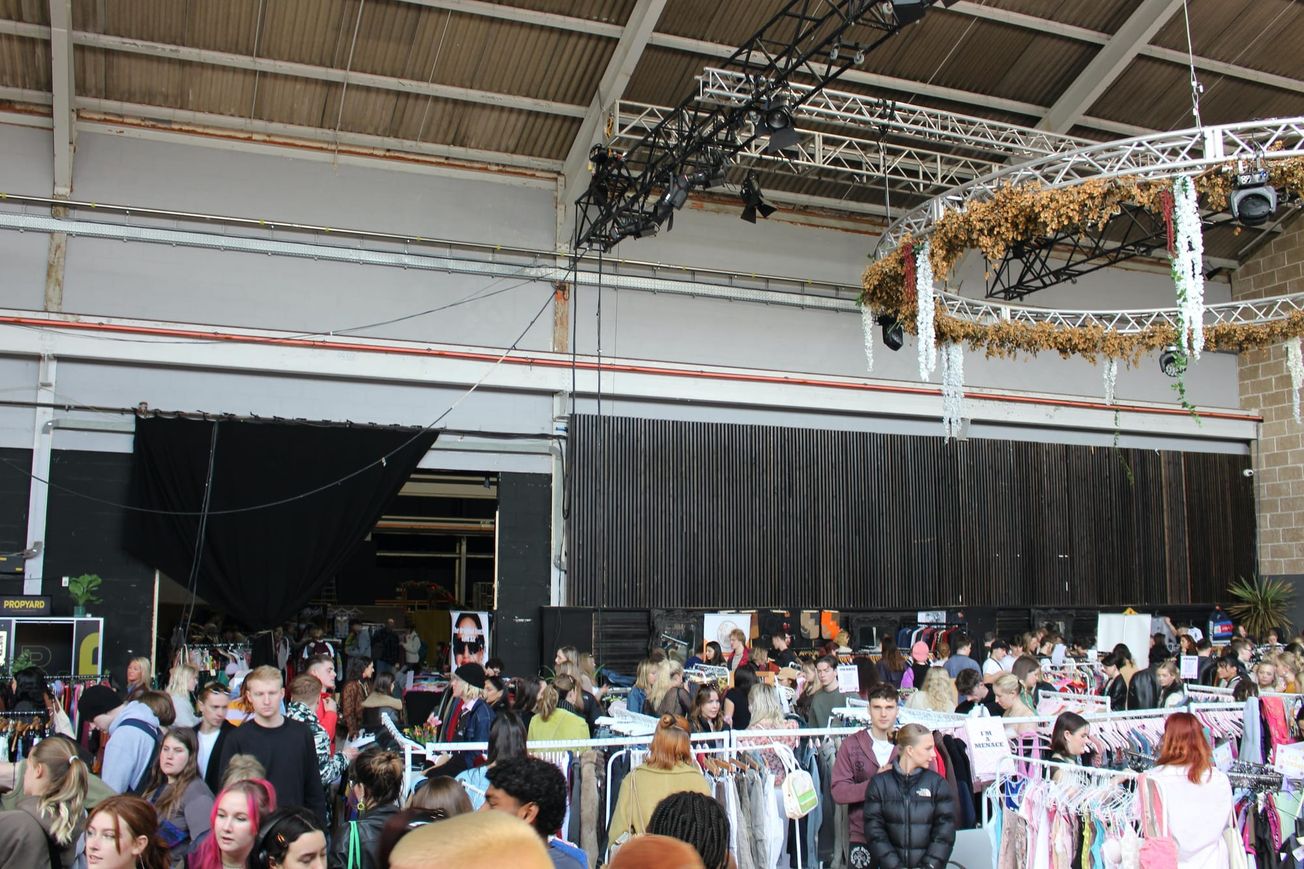
If you were to stand on Woodland Road during the ten minutes between lectures, you would see swathes of Bristol students dressed head to toe in vintage or second-hand pieces. Say ‘Vinted’ three times into an Arts Complex bathroom mirror and polka dots appear, accompanied by some form of skinny-scarf-off-the-shoulder-top combination. It’s no secret that we love clothes, and with the city’s green reputation, it’s safe to say that the University of Bristol is a hotspot for sustainable fashion. Students should get excited, because on Sunday 19th April, the Prospect Building will once again open its doors to Clothes Cycle, a gathering of over 100 vendors that describes itself as ‘one of the UK’s most exciting Vintage and streetwear markets.’
Founded in 2022 by University of Bristol alumnus Poppy Collingwood-Cameron, the market has appeared all over the UK – and it offers a lot more than just an opportunity to expand your wardrobe. Beyond the aforementioned myriad of clothes stalls, Clothes Cycle provides a ‘unique day out’, adding music, street food, and more to the mix.
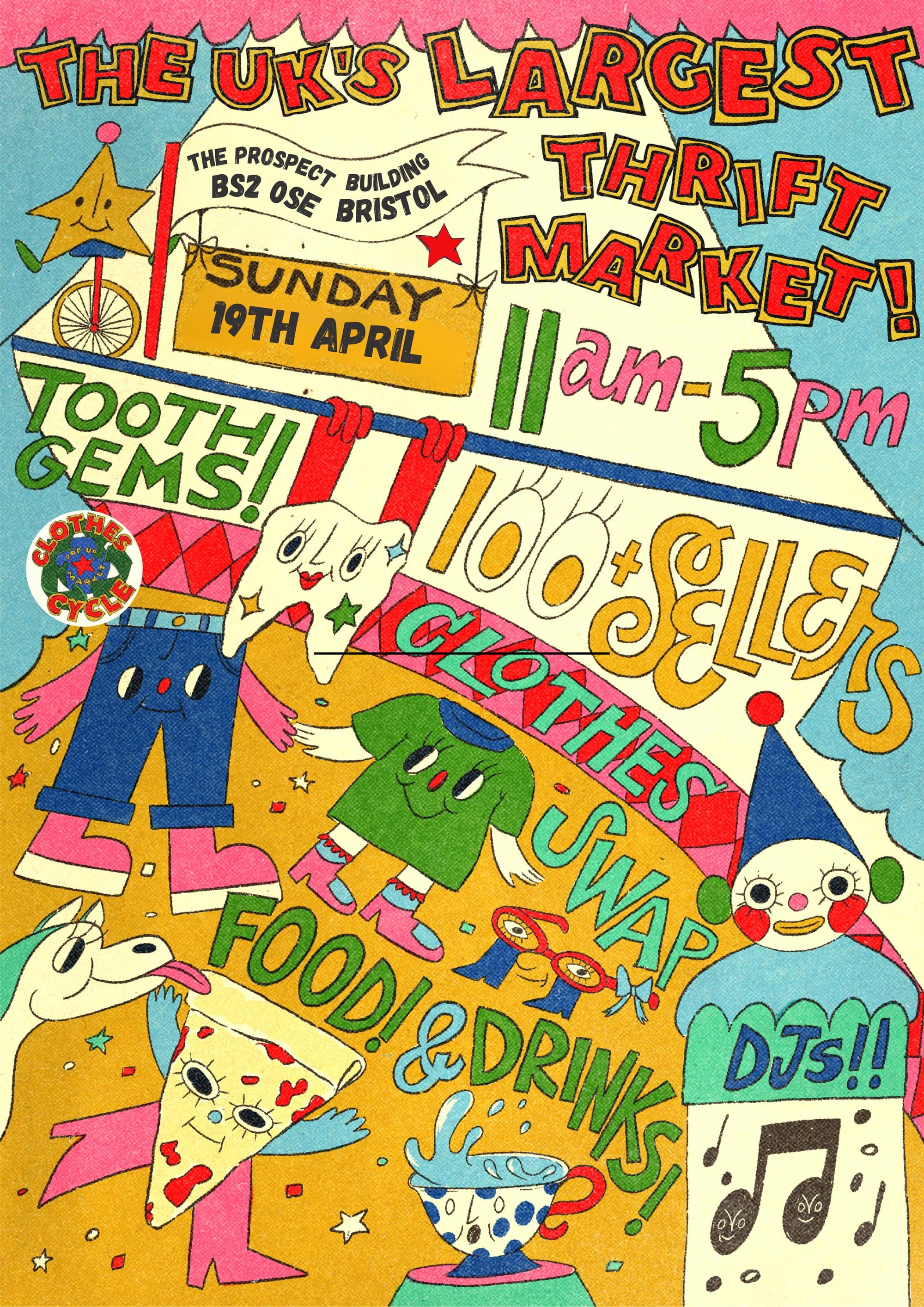
Attendees can look forward to a free clothes swap, DJ sets inside and live music outside, a wide range of food and drink, an alteration station, and several pop ups – including tooth gems and nail art. The event is running from 11:00am until 5:00pm and tickets can be bought online or at the door (if the time slot isn’t sold out). Full ticket information and pricing can be found here, with general admission beginning at 12:00pm and only VIP ticket holders accessing an earlier entry.
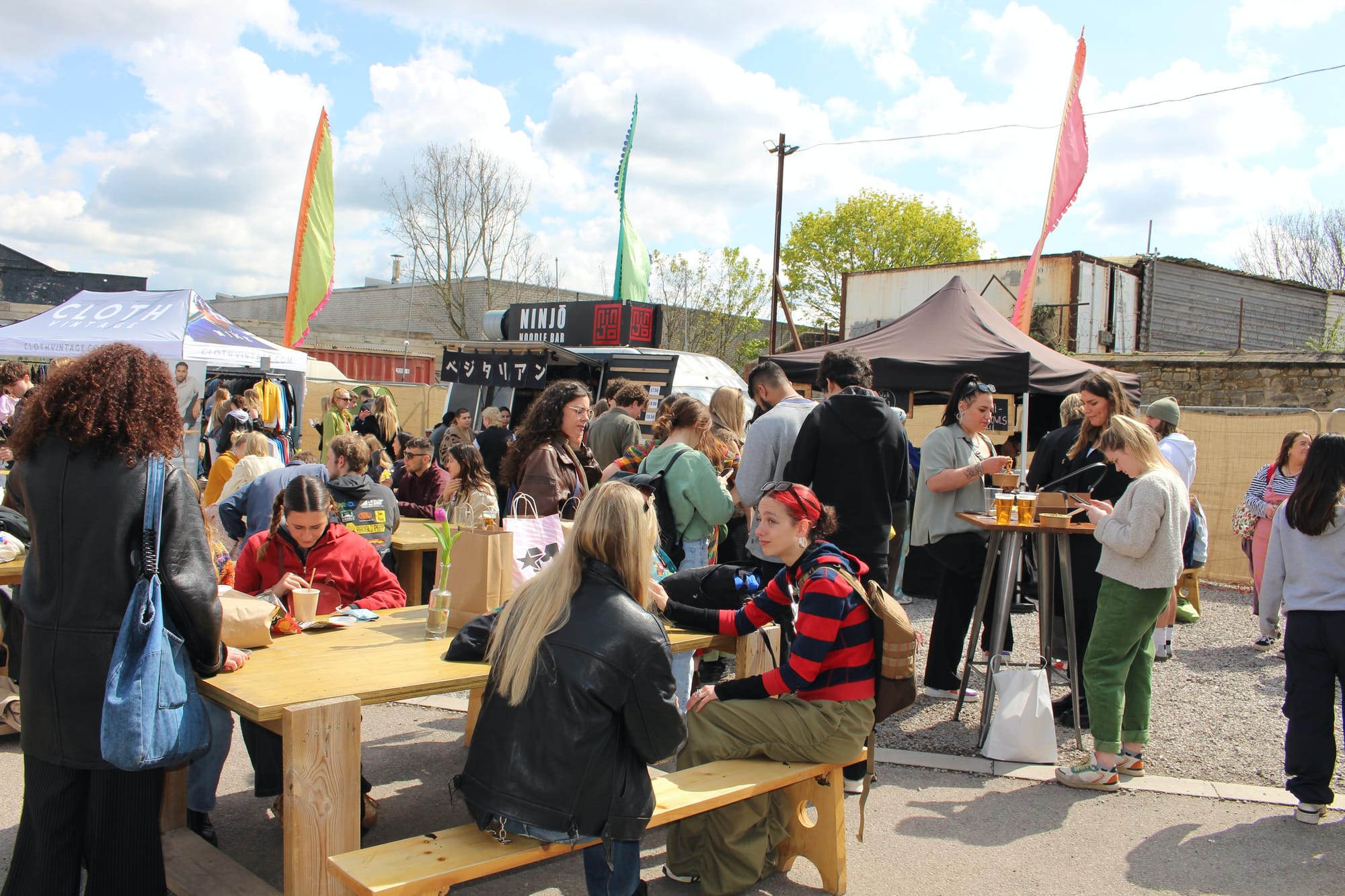
Speaking to Epigram, Poppy described how Clothes Cycle is a childhood dream turned hard-earned reality, born from a lack of interest in high street shops and frustrations with lax regulations in Depop’s earlier years. ‘If I had a little bit of birthday money or something saved up or I wanted to go shopping and buy a new outfit, there was nowhere I could go and do that in person,’ she said. She also highlighted the pandemic as the ‘final accelerator’ in her plans for the market, as ‘everybody was kind of in dire need for experiences and in-person events again.’ The founder created Clothes Cycle at just twenty years old, in her second year of studying history at the university, with the first ever event taking place at Victoria Methodist Church on Whiteladies Road. Now, Clothes Cycle is nationwide. One week after the Bristol event, the market will take place in Manchester. One week after that, Clothes Cycle goes international, appearing in Dublin.
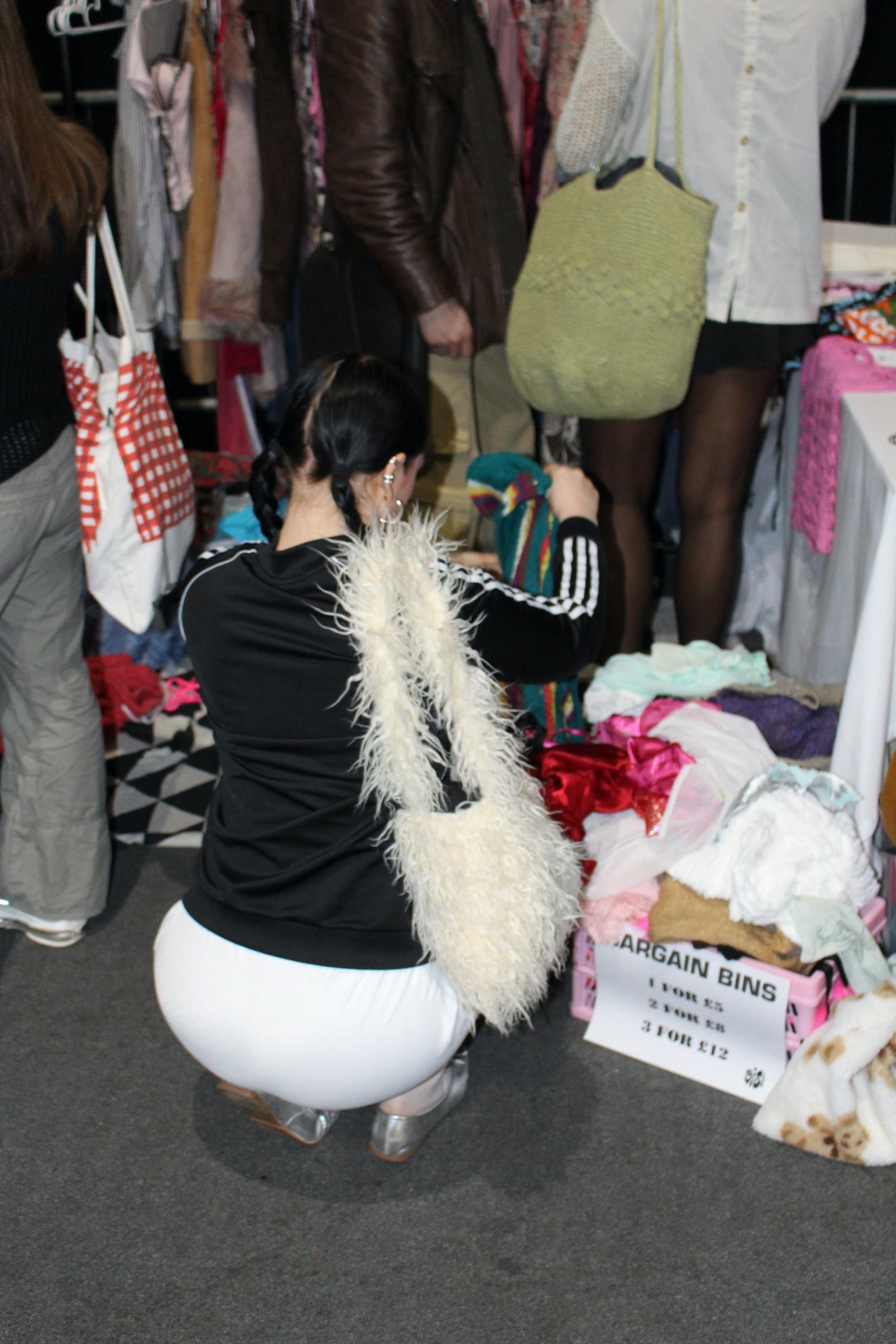
Another crucial push towards the market’s materialisation was the rise in discussion around sustainability. Clothes Cycle – as the name suggests – was created with a view to keeping fashion circular, giving new life to pre-loved pieces, and celebrating creativity without contributing to the large amounts of waste brought about by the fast fashion industry. For Poppy, sustainability means being ‘conscious of your own consumption’ and an ‘extra level of thought’ in people’s everyday lives. Clothes Cycle echoes this sentiment, sustainability is evidently at the forefront.
One second year student has said that they ‘prefer second-hand clothing as it’s made with better, comfier materials’ and that it’s ‘more unique[...]clothing sold now is of low quality.’
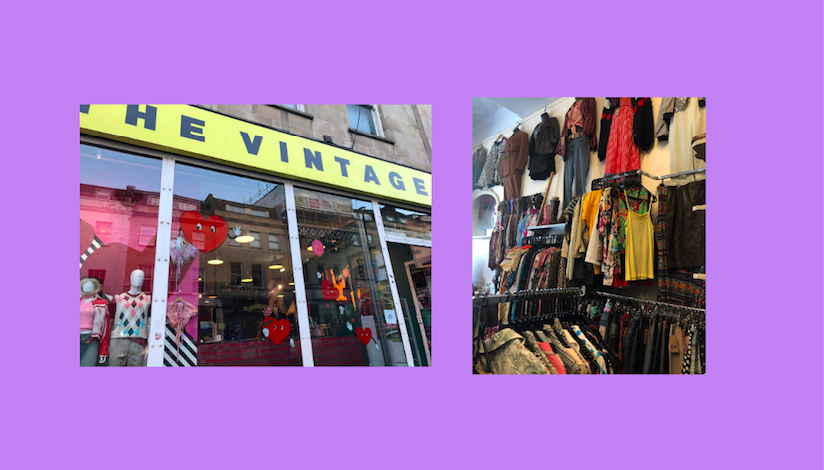
In terms of what Bristol students think, a recent poll conducted by Epigram showed that more than 50 per cent of 322 responders have wardrobes that are at least predominantly second-hand. One second year student has said that they ‘prefer second-hand clothing as it’s made with better, comfier materials’ and that it’s ‘more unique.’ They also said that ‘clothing sold now is of low quality.’ Thrift markets like Clothes Cycle appeal to the need for clothing options outside of high street fashion brands, which have seen a decrease in quality in recent years, and can avoid ethical issues surrounding environmental impact and exploitation of labour. With stalls such as Clothes Cycle’s alteration station, they offer a reimagined shopping experience, where pieces can be reworked to suit individual needs. Small adjustments, such as fixing a button or turning up a pair of trousers, increase the lifespan of an item of clothing, something that appears to be important to Bristol students – a second Epigram poll revealed that 63 per cent of 273 responders prioritise longevity when making a purchase.
 Molly Grogan
 Grace Golby
It's estimated that at least 100 billion items of clothing are produced per year, but the lack of transparency from big fashion brands means that the real numbers remain shrouded in secrecy. By creating a market of second-hand and vintage sellers, Clothes Cycle opposes the fast fashion business model, and allows smaller brands to make a bigger impact.
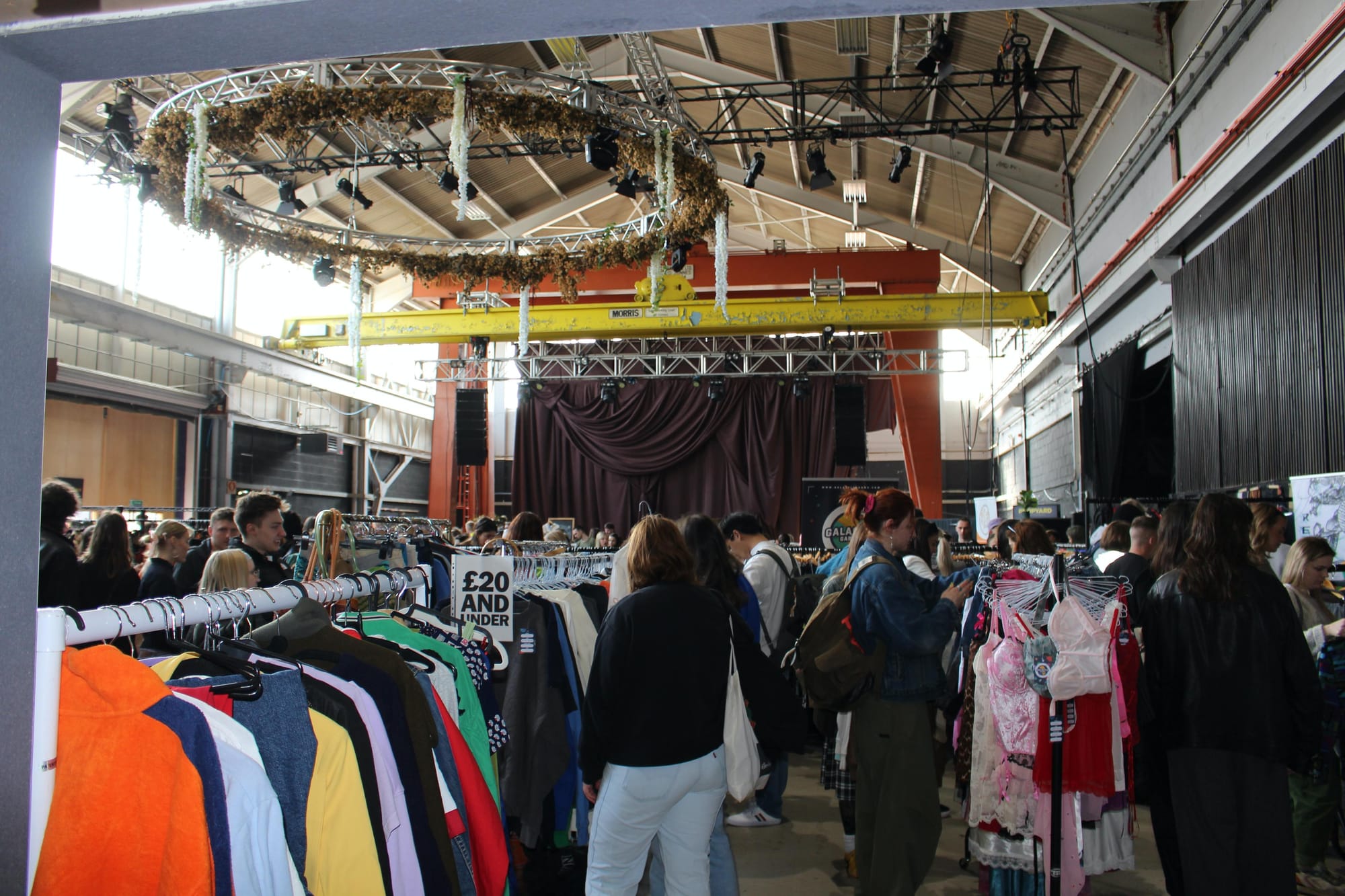
Featured Image: Clothes Cycle / Harriet Lawrence
Will you be attending the thrift market this Sunday?!