By Alice Lewis, Third year, English and Film
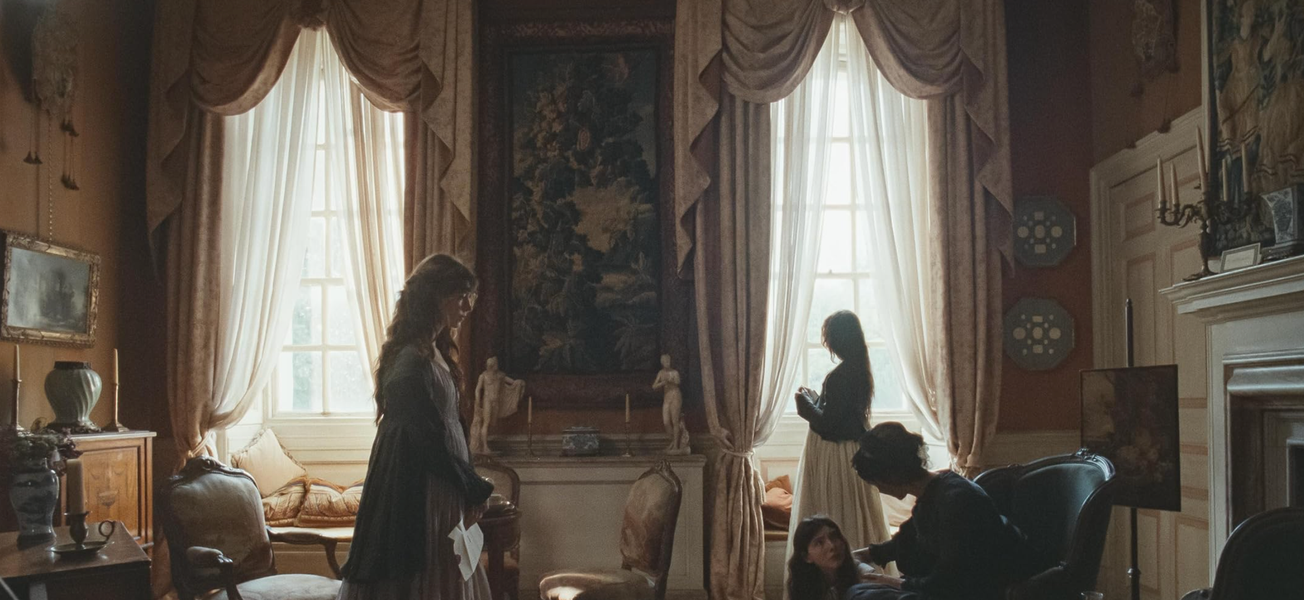
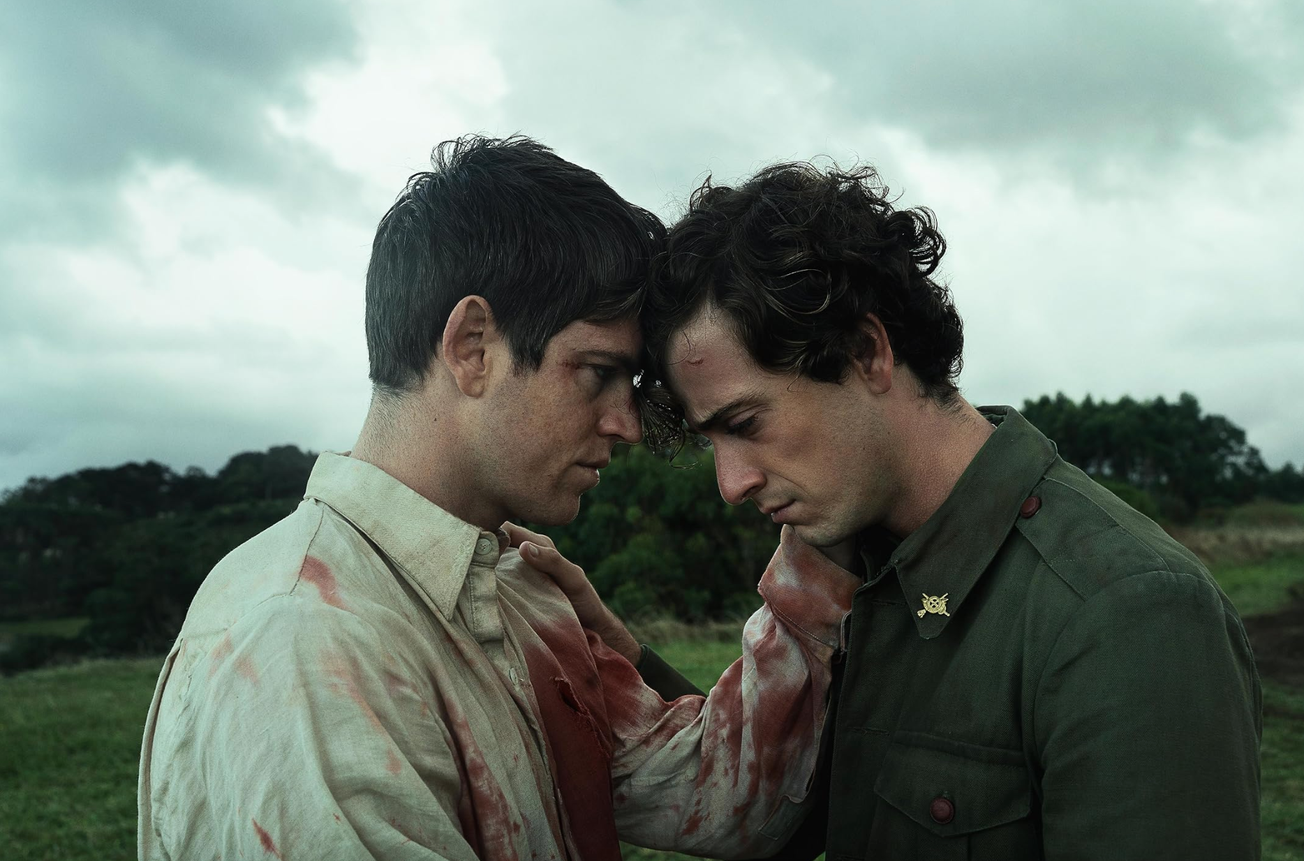
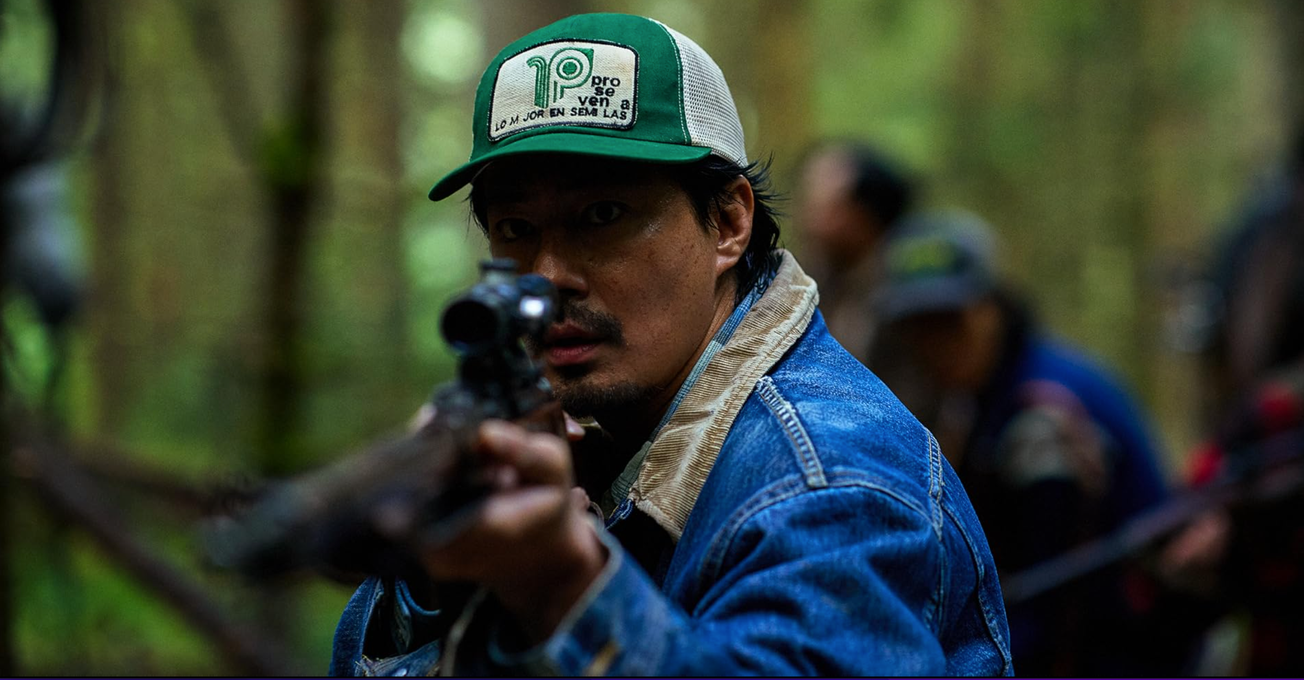
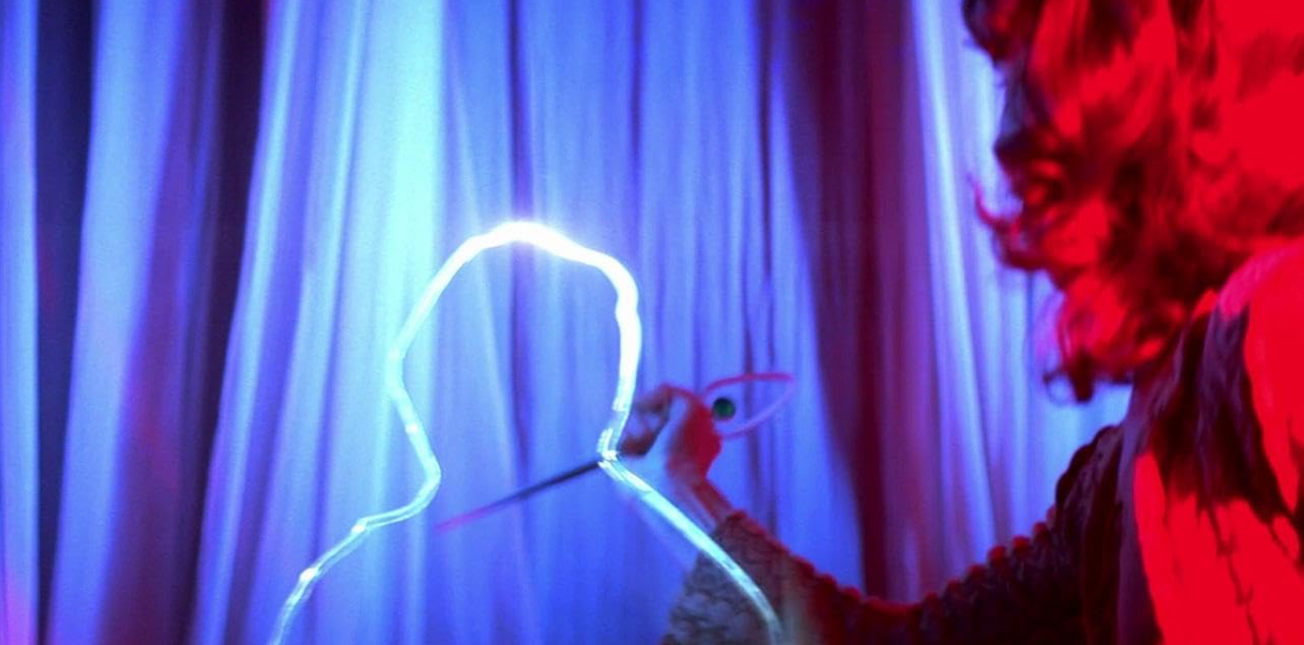
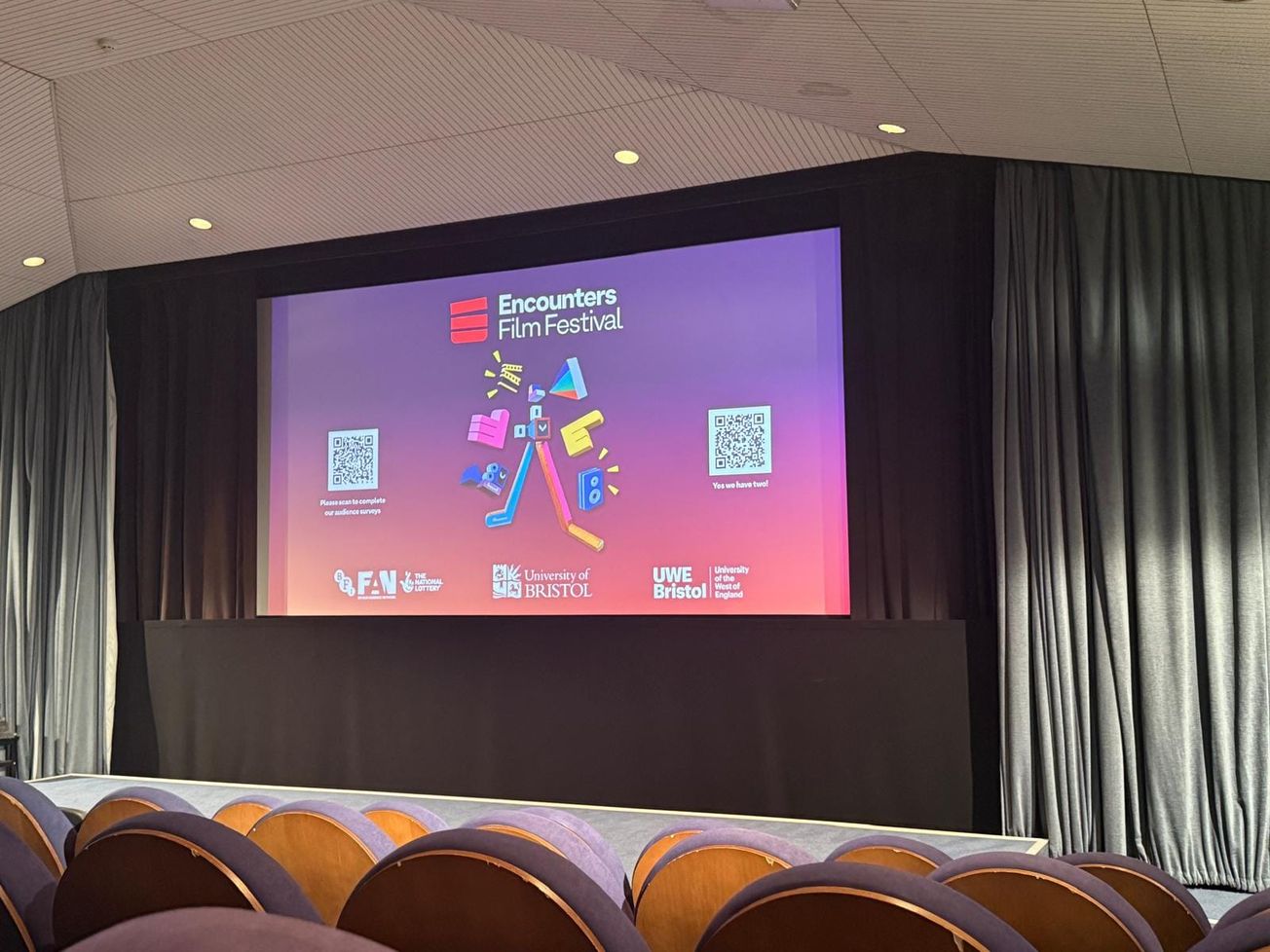
Over a week in September, Bristol's esteemed Watershed cinema became one of several hosting locations for the 31st Encounters Film Festival, in which I attended several screenings within the ‘Brief Encounters’ category, which covered a range of live-action short fiction films from across the globe.
Although films were grouped together to be screened in selections by theme, I gathered that these filmmakers, many at the start of their directing careers, all looked towards similar matters. What came through in these films, though not through excessive dialogue, was a sense of misplacement, longing for affection and feeling outcast and misunderstood at a young age. Despite such a breadth of work, I want to shed light on some of the best films I saw over the week that left a lasting impression on me. I also want to explore what makes one short film thrive and another fall flat.
The Standout: Hyena
Hyena (2025), a Chinese short, was undoubtedly my favourite screening of the entire festival. It was no surprise it won the Brief Encounters Grand Prix prize as the jury described it as ‘a visual treat and a brilliant allegory showcasing the descent into mob mentality, which was superbly crafted’. Altay Ulan Yang’s confident film depicts an isolated castle as students prepare for a life-changing artistic examination. Trapped within crumbling walls, their academic sanctuary becomes a prison, and minds begin to break.
Yang describes the boys’ mad and frenzied behaviour as ‘a powerful metaphor for the absurdities we’ve witnessed in the past years’. The film is shot in high-contrast black-and-white from beginning to end and, in some frames, the world looks as if it is glowing. This film was intriguing in its portrayal of characters as both perpetrators and victims.
The filming location was stark, brooding and secluded whilst the motifs of statues and a rather ominous, out-of-place crocodile added to the drama. To me, the crocodile read as a symbol of the danger lurking within the boys. We are brought into a world in which childhood terror and pain are magnified into distortion. This film was unlike anything I have ever seen and I would encourage any reader to watch it.
Special Mentions
There are a couple of films that were also striking in their own right. Firstly, Buše (2026), a Croatian film directed by Dalija Dozet, is a stunning display of a traditional Baranja carnival parade, in which the central character, Marta (Eva Getoš), struggles to get closer to her crush, Karlo (Lovro Klepo). At a masked after-party, fear, desire and shame intermingle as teenage longing for closeness keeps slipping out of reach with the hopes of ending happily. The masked celebration was perfectly fitting for a film about concealed sexual feelings. The costumes, colours and representation of young female yearning were touching and memorable.
Second, it only took a three-minute short to fill me with joy as Norwegian directors Morten Borgestad and Fridtjof Stensaeth Josefsen elated their audience with Trio (2025). Trio tells the story of a man trying to find his place among friends. What begins as a simple stroll turns into a physical struggle for belonging. This piece was filmed cleverly and used the surrounding cityscape to create physical comedy on screen as the man desperately tries to walk in line with his comrades but is frequently obstructed by the narrowness of the pavement. I was particularly tickled by his stumbling into the lake in his last-ditch attempt to keep up. Trio evidenced that short films don’t need to be overcomplicated to leave a lasting impression on the viewer.
The films that fell short
I think one of the greatest challenges posed to short fiction filmmakers is how to set the scene and communicate a narrative in under thirty minutes. I personally felt some of the shorts struggled to foreground their story. Paper Plane (2026) was the screening I most looked forward to as it was the directorial debut of Saoirse Ronan (best known for her performances in Lady Bird (2017) or Little Women (2019)).
Paper Plane is set in Ireland, where a defiant young girl (Martha Malone) stages a silent protest, refusing to return home until the disruptive presence of her father (Tim Creed) is gone whilst her mother (Clare Dunne) is left to decide whether to follow her or let her go. The young girl is extremely connected to nature, and several of the shots in the trees reminded me of the Lisbon Sisters in Sofia Coppola’s The Virgin Suicides (1999).
 Leanor Allon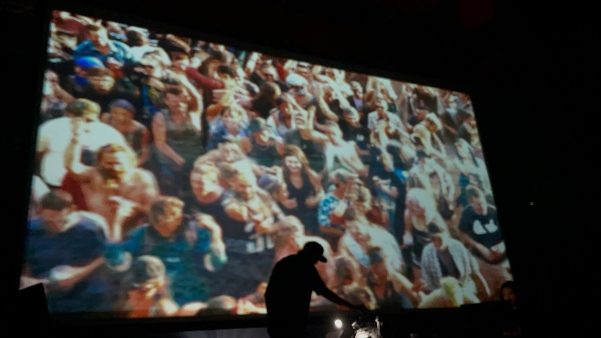
To my surprise, Paper Plane also went on to win the Best of British Live Action award with the jury claiming that the film ‘grew on us as it played out and ended in a satisfyingly ambiguous way and it had central performances that really elevated the piece’. Whilst I felt the cinematography was strong, there was almost too little dialogue and I struggled to feel any catharsis towards the performances or the film in its entirety as it ended.
Ultimately, it is incredibly challenging to make a short film successfully but, when it is achieved, it looks almost effortless. Hyena triumphs because it commits to one idea and stylises drama to the nth degree, while Paper Plane tries to carry feeling with perhaps too little dialogue to make me feel any deep empathy for its characters. The Encounters Film Festival curated a fantastic collection of shorts, showcasing unique filmmaking from across the world whilst simultaneously uniting its viewers with one lingering thought: can we ever truly know who we are until we ‘grow up’?
Featured image: Alice Lewis / Encounters Film Festival
Did you see any of the films at Encounters Film Festival?