By James Lewis, Co Editor-in-Chief
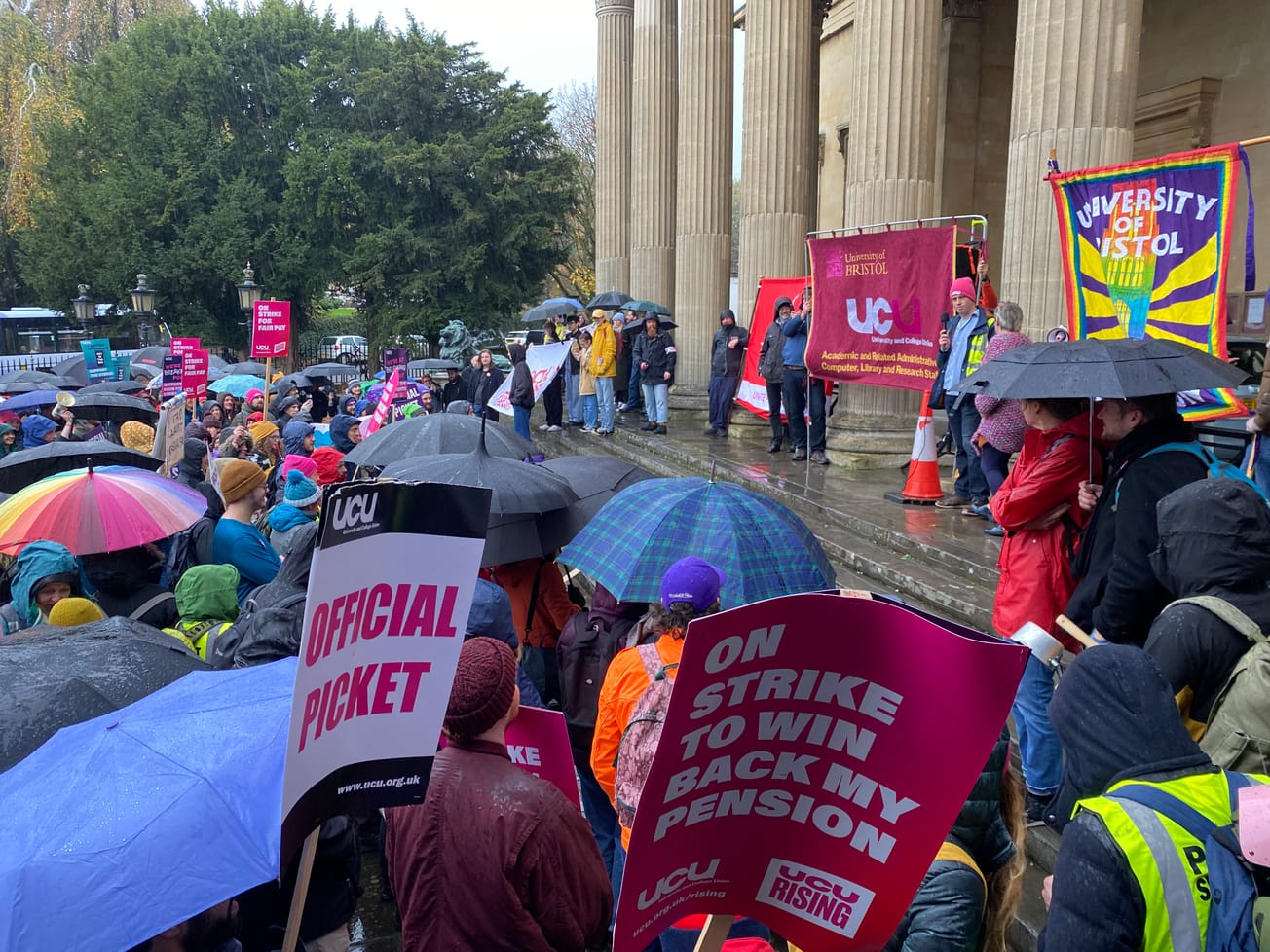
Staff at the University of Bristol, and 136 other institutions in England, will be balloted by the University and Colleges Union (UCU) from today (Monday 20 October) over what they call a ‘derisory’ pay offer from the University and Colleges Employers Association (UCEA), and a ‘worrying escalation’ of proposed job cuts.
The UCU are the trade union that represent academics, lecturers, administrators, IT support staff, librarians, and other workers who enable the University of Bristol to operate. The ballot has been coordinated with sister unions across the UK, which could see major disruption to university campuses.
The UCU want the UCEA to agree to:
- a national agreement to counter redundancies at all universities
- protect existing national agreements over terms and conditions
- a fair pay offer
- jointly lobby the UK government for a new higher education funding settlement.
The ballot will ask the union’s 65,000 members whether they will be willing to take strike action if the UCU’s demands are not met by the UCEA.
The dispute comes after the UCU rejected a 1.4 per cent pay rise offered by the UCEA. The UCU are instead seeking an inflation plus 3.5 per cent, or £2,500, increase in staff pay packets.
The UCEA represent higher education (HE) institutions across the country. They advocate for the sector at both national and devolved levels where they ‘strive to get the best deal for staff, students and the sector’, according to their website.
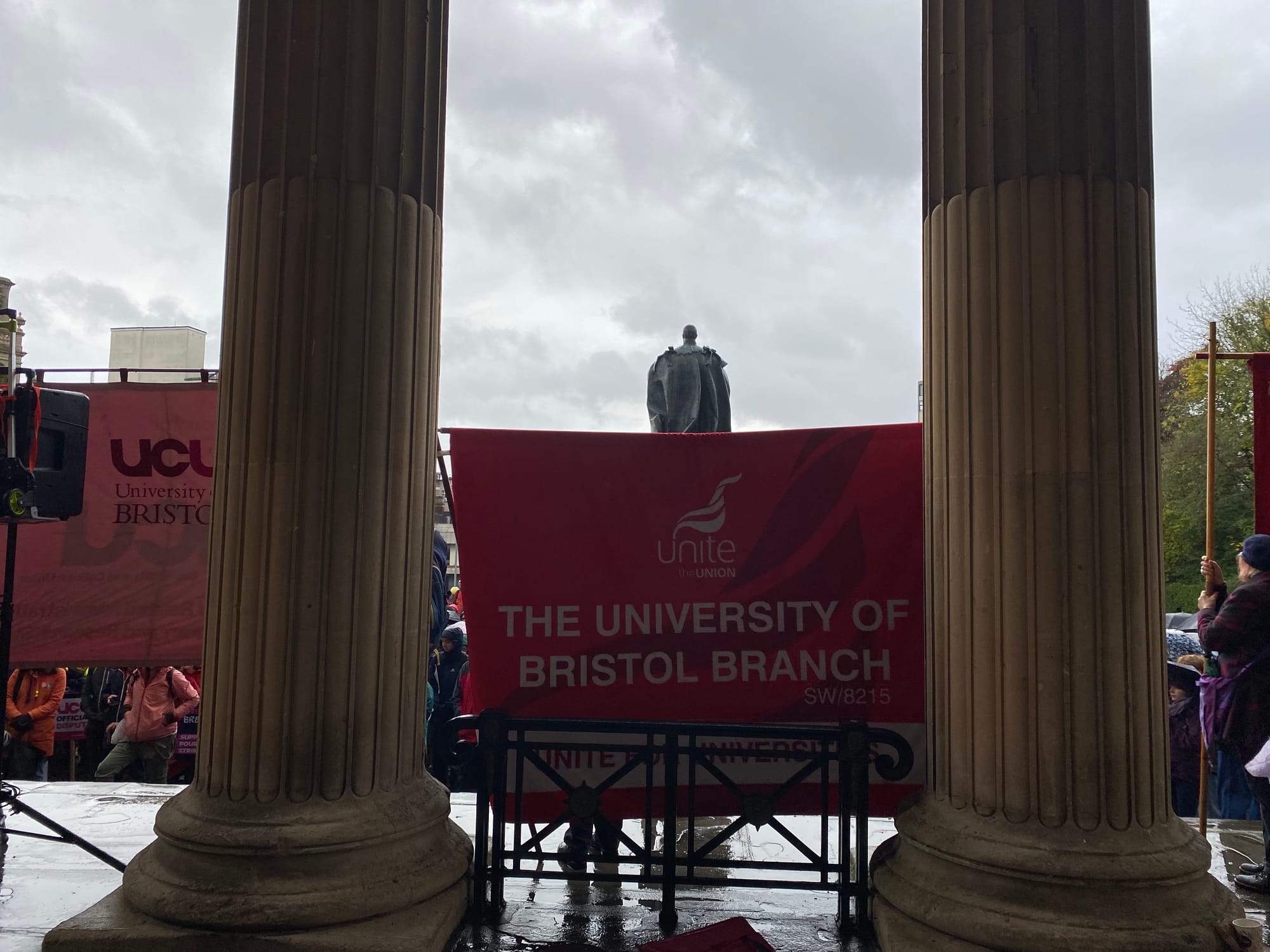
The ballot will close on Friday 28 November. If successful, students will need to prepare for lecturers and tutors to down tools as the UCU and UCEA negotiate.
The UCEA have said that universities cannot afford this increase, arguing they can’t even afford the existing 1.4 per cent pay offer. Raj Jethwa, Chief Executive of the UCEA, said that fewer international students and rising employer contributions to other pension schemes have contributed to ‘reduced incomes’ across the HE sector. An extra £372 million is being paid by universities after the 1.2 per cent increase in National Insurance that came into effect this year.
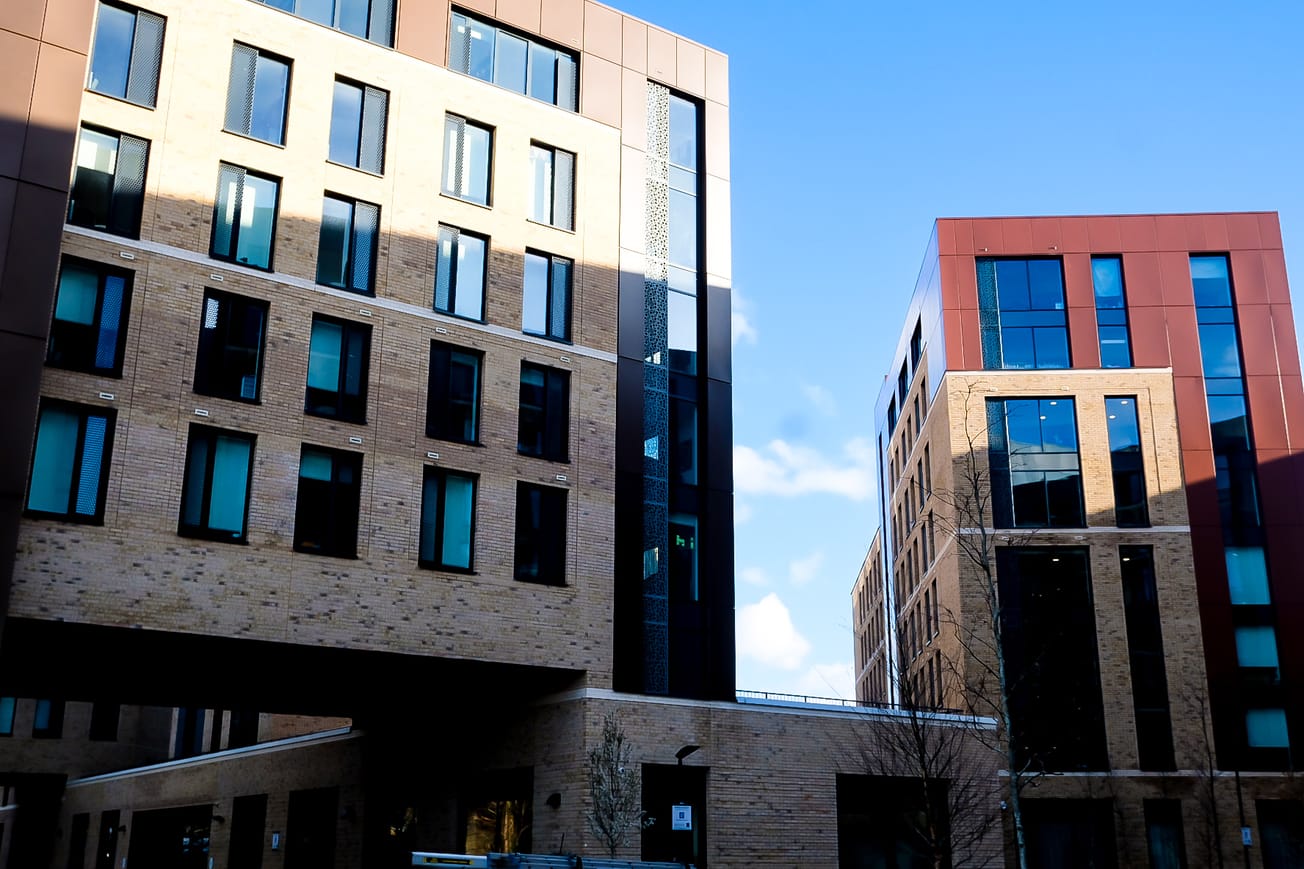
Across the country, universities have been trying to balance their books. According to UCU research, the equivalent of 15,000 jobs have been threatened with redundancy. Even the University of Bristol – whose developments in Temple Quarter and the ASSL suggest healthy coffers – threatened the redundancy of 45 members of staff at the Centre for Academic Language and Development, before threats of industrial action resolved the matter.
Jo Grady, the UCU’s General Secretary, said ‘this analysis exposes a UK wide crisis in higher education.’ Mr Grady advocated for the university sector as the ‘country’s last world-leading sector’, calling it an ‘economic lynchpin in post-industrial communities.’
But Mr Jethwa has argued that ‘it is palpably clear that the sector’s HE institutions cannot afford to improve’ the pay offer already on the table.
 Roya Shahidi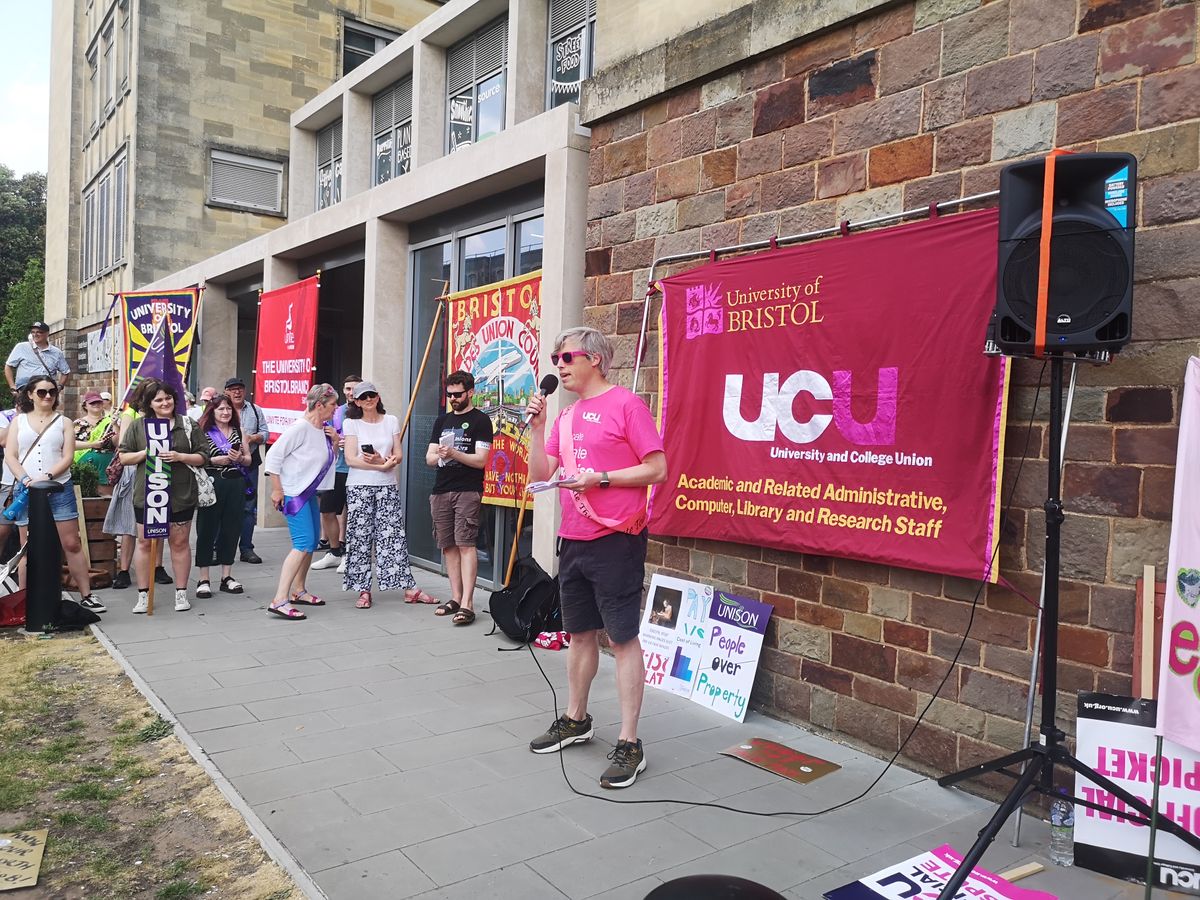
Pay disputes can be difficult to resolve and taking to the picket line is a last resort. However, while students wait to hear the result of the ballot they should be prepared for the very real prospect of a disrupted TB2.
Featured image: Epigram Archive
Are you worried about the prospect of industrial action?
Corrections:
The original copy read 'Staff at the University of Bristol, and 166 other institutions in England, will be balloted by the University and Colleges Union...' This was incorrect. 137 total institutions are being balloted (including the University of Bristol). This has now been corrected.
The original copy said that the 1.4 per cent pay rise had been 'suggested' when in fact this was the actual pay offer. This has now been corrected.
The original copy named Raj Jethwa, Chief Executive of the UCEA, 'Raj Sethwa'. This has now been corrected.