By Tilly Collard, Third Year, English
Across the University of Bristol, hundreds of students take part in sports societies every week. From astro, to courts, to studios; university sport is often celebrated as a place of community, competition and personal growth. But for many women involved in these societies, the experience is more complex, shaped by subtle inequalities, cultural expectations and changing attitudes toward women in sport that continues to impact the experience. Interviews with female athletes across several Bristol sports clubs reveal a shared theme: progress is visible, but parity still feels some distance away.
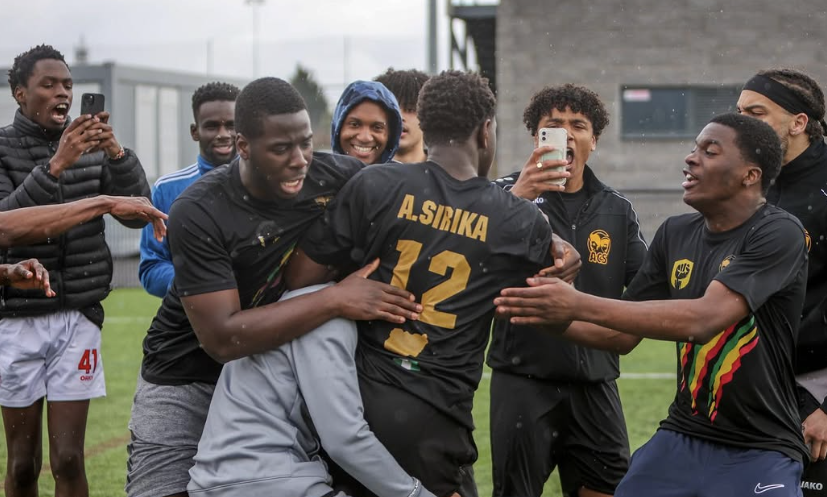
For women’s rugby players at the University, the issue of gender presents itself in perception, reception and opportunity. Nationally, women’s rugby has historically offered fewer teams, fewer competitions and fewer resources than the men’s game, due to a fewer number of women engaging in the sport. Rugby is rarely offered to young girls at school and, although the sport is continually growing, players say the disparity is still noticeable at university level.
‘The male presence is just generally larger’, one Bristol player said. ‘More people show up to games, there are more men’s teams, it’s easy to feel overlooked.’ This difference in scale and attention can sometimes translate into subtly dismissive attitudes within the teams themselves. ‘I think there is a general attitude amongst the men that we’re not as good,’ she said. ‘It’s never said outright, but there’s an unspoken energy. Almost like they’re “Bristol Rugby” and we’re just “Women’s Rugby”’.’
Additionally, rugby’s ‘laddish legacy’ and infamously heavy drinking culture can also be intimidating for female-identifying players when it comes to interactions off the pitch. One player described feeling anxious around large groups of intoxicated male players at socials:
‘You always feel a little uneasy,’ she said. “Even if nothing has ever happened, the possibility of threat is always there.’ Despite these concerns, many players emphasise that their personal experiences with the men’s club members and committees have largely been positive. ‘I’m friends with a lot of the men and all of them are super lovely,’ another player said. ‘Committee-wise, they’re always super professional and easy to work with.’
While one player reported a dismissive attitude towards the success of the women’s team, ‘the boys just laughed and said “well, it’s not real rugby is it?”’
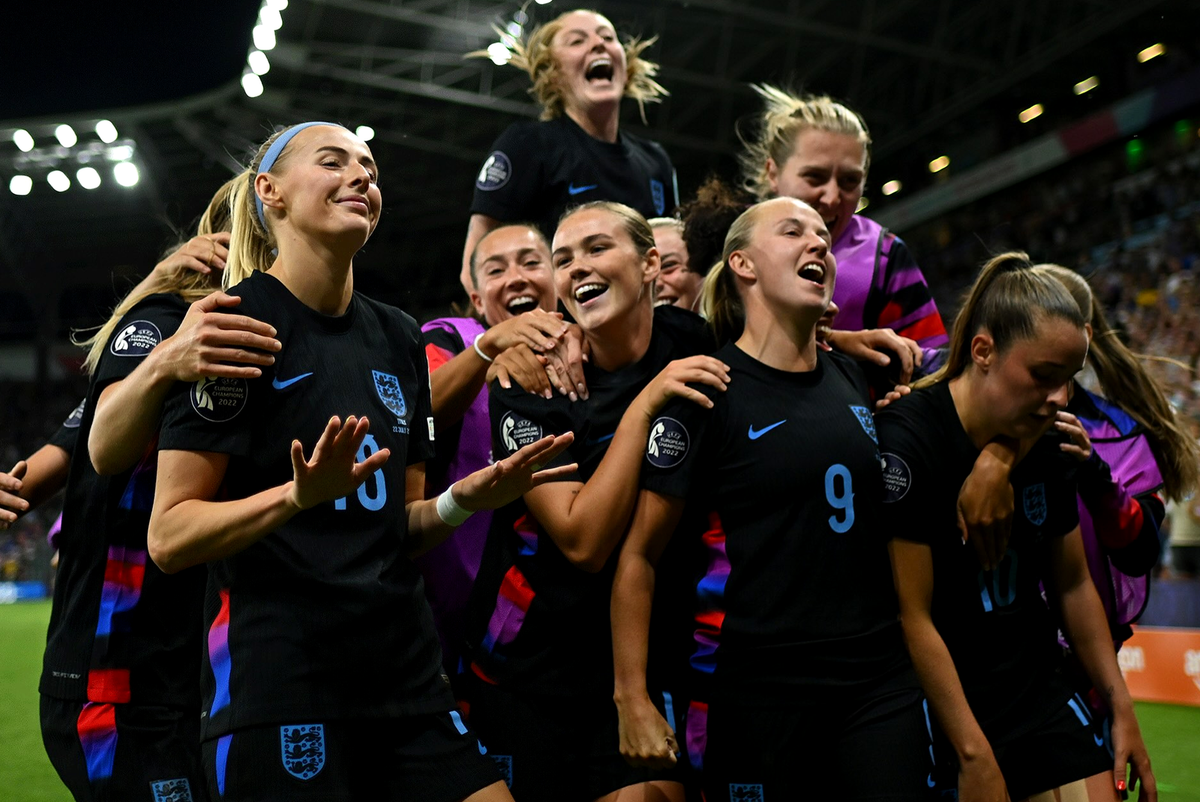
The club has also introduced initiatives aimed at increasing female participation in the sport, including ‘Give It a Go’ sessions and even coveted sports scholarships. Players also acknowledge an increase in interest following the success of the Women’s Rugby World Cup, where England brought home the trophy in September 2025. While one player reported a dismissive attitude towards the success of the women’s team, ‘the boys just laughed and said “well, it’s not real rugby is it?”’The majority of those interviewed said that the response has been extremely positive and supportive. ‘We’re definitely going in the right direction’ one female student said regarding getting more women involved in sport at university, ‘but there’s still work to be done’.
One of the main barriers to female participation in sport is concerns about social perception. Fears of appearing ‘muscley’ or ‘unladylike’ deter many adolescent girls from their beloved sports teams, just one amongst many devastating consequences of socially dictated beauty standards for women. One netball player reminisced on her experiences saying:
‘When I was fifteen, girls would stop playing because they didn’t want to be seen as “ugly”’. That pressure, she believes, carries through into university life. ‘Girls don’t play sport out of fear of perception’ she said. The result is a hugely disproportionate representation of female athletes and sportswomen, both in mainstream media, and within university life. While efforts are being made to get more women involved in sporting activities, this issue will never be resolved until we can dismantle the barriers of patriarchally idealised visions of female appearance and behaviour.
‘One team said, “Oh it’s just girls, we can win this easily”’
However, many women also find empowerment in their perception as sportswomen. In response to this issue, another rugby player said: ‘Sometimes there’s a sense of being “unfeminine”, but I love how strong I am.’
Some sportswomen admitted to seeing gender-based-prejudice on the competitive field. One Polo player described her experiences; where, unlike many sports, men and women compete side by side. She recalled feeling underestimated by opponents from other universities: ‘One team said, “Oh it’s just girls, we can win this easily”’.
Bristol’s polo team currently consists of a female-identifying majority, despite the fact that the professional sport is incredibly male-dominated. This could potentially be due to a larger number of young girls being encouraged to take part in equestrian sports, seen by some as a more ‘ladylike’ alternative to the corporeal physicality of rugby or football.
‘Men tend to have a higher level of confidence, or arrogance, when going up against women,’ she continued, before asserting that the atmosphere in the Bristol University club is incredibly welcoming and supportive. This once again points to a wider societal issue surrounding the perception of women in sports, rather than a problem within Bristol’s societies specifically.
‘Until that is fixed, there is always going to be a sexist attitude towards sport at university’
However, if there is one issue facing female sports teams that cuts across the whole field, it is the definitive lack of spectators and support for women’s games. Netball players said their weekly matches rarely attract large audiences where, by contrast, men’s rugby fixtures often draw substantial crowds and a lively atmosphere.
‘There’s not really a culture of going to support big women’s games at the university,’ one netball player said. ‘But the men’s rugby team gets that. It’s part of the culture of the University to go to their games and support them.’ The imbalance, she argues, reinforces broader perceptions about the value of women’s sport. ‘Until that is fixed, there is always going to be a sexist attitude towards sport at university.’
Female players admitted to feeling disheartened when their teams’ sporting achievements aren’t held to as high regard as that of their male counterparts. Many also said that they felt like this influences the way female sport is received by other sportsmen, as well as the general public. ‘I definitely don’t feel like I’m seen as an equal sportswoman’ the netball player stressed.
‘I umpire intramural games for free so that we can afford to go to matches,’ one player explained, ‘The men don’t have to give anything to be able to play’.
This disparity also translates to the financial operations of the clubs. Men’s teams are more likely to receive external sponsorship, such as that between Men’s Rugby and the Bristol Bears. One interviewee alleged that the men's team receive a larger portion of the University funding due to their national reputation, while in contrast, many women’s teams must rely on internal fundraising in order to enjoy their sports. ‘I umpire intramural games for free so that we can afford to go to matches,’ one player explained, ‘The men don’t have to give anything to be able to play’.
 Rachael Fay
 Hanno Sie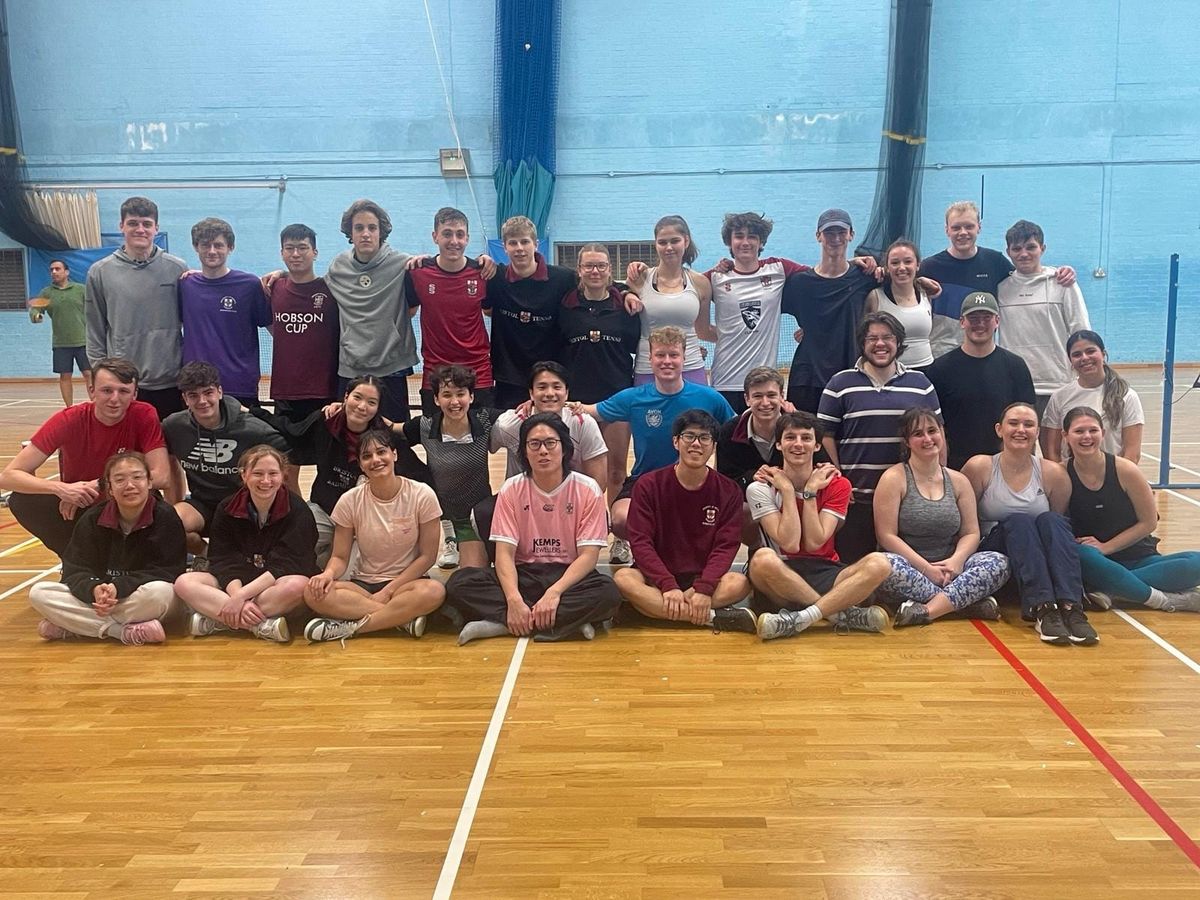
This is just another symptom of the wider social condition surrounding the lack of sporting opportunity for women within our society, and a lack of appreciation and regard for that which exists.
However, despite ongoing challenges, many athletes emphasise that attitudes are improving. Increased media coverage, growing participation rates and high-profile international tournaments have all contributed to rising interest in women’s sport. At Bristol, clubs are making active efforts to recruit more women, improve attitudes and cultivate a more supportive sporting environment. For many students, participation itself is part of that progress, dismantling prejudices and perceptions about women in sport. For these athletes, the university sports field can still feel like a site of inequality, but it is also a space where those inequalities are being challenged, one match at a time.
Featured Image: Epigram / Hanno Sie
Have you perceived any inequalities in University sport?