
By Scarlett Smith, First Year Spanish and Portuguese
I have rarely been to the pub without a cig break. I don’t think there has been a single part of my university timetable where I’ve not left a building to a cloud of smoke. I think about being a Year 7 on the bus back from school, overhearing a group of older girls scold their friend for smoking a cigarette. Even people who swore they would never –even I – smoke (sometimes).
There is a lot of online discussion about this perceived (or according to University College London a very real) increase in smoking. Is it 90s skinny chic coming back into fashion? Or maybe its spurred on by a general sense of dread and apathy?
I want to focus, specifically, of the prevalence of social smoking among university students and how this can be telling of an ever-entrenched class divide. Smoking, I believe, is painfully representative of the double standard that exists for acceptable behaviour, based on social class.
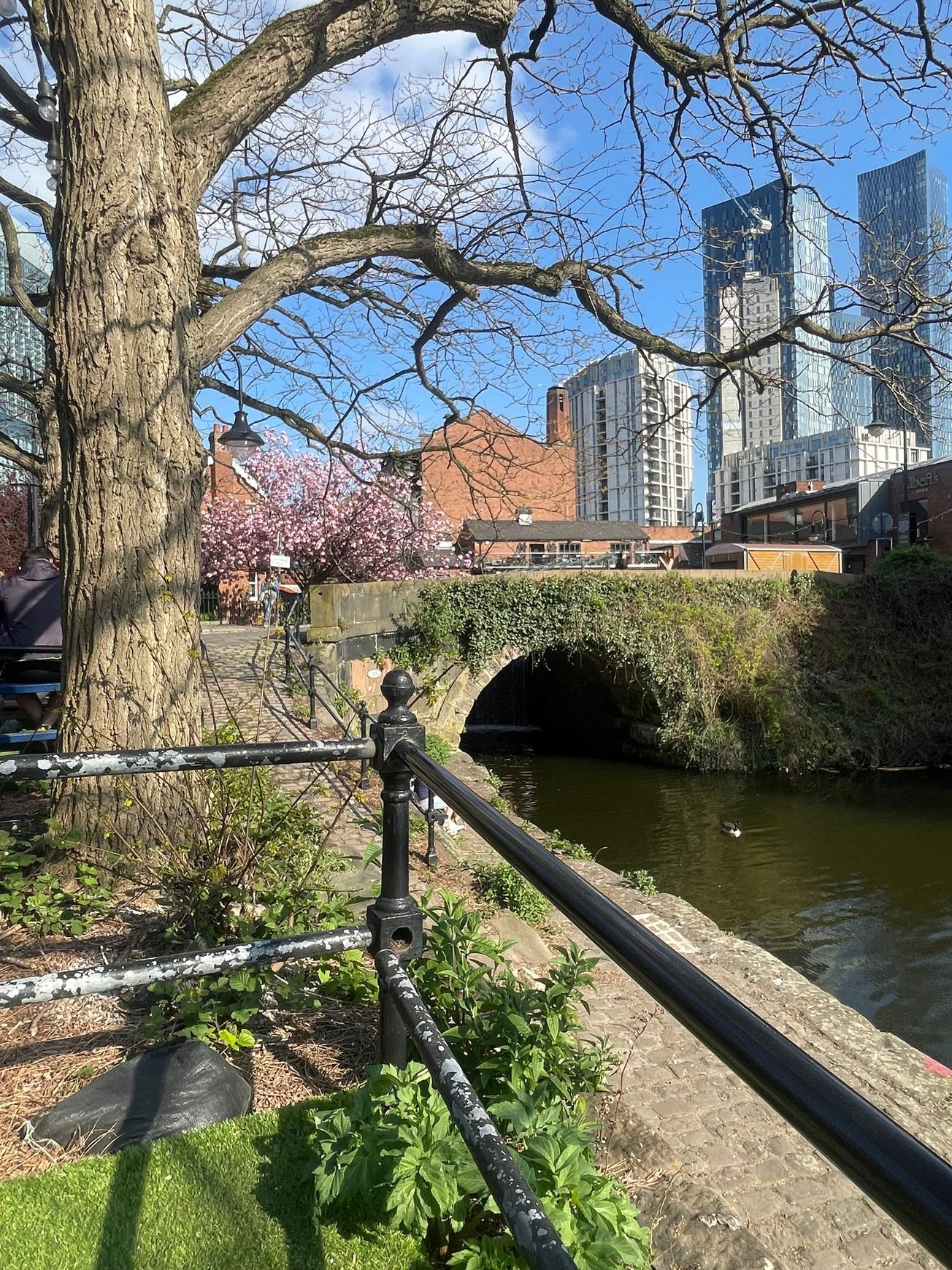
Arguably it is a University of Bristol badge of pride; with @overheardatu0b (the university’s ubiquitous quote book turned event darling) hosting an – albeit underwhelming – ‘community blem’. With the nice weather we’ve had recently I caught my friend laughing at us, sat out on the grass: I am reading a book and my other friend is smoking pensively. ‘This is so Bristol,’ she says.
She is right, to a point, but this realm of university-educated social smokers extends far wider than this southwestern city (although interestingly smoking is now more likely amongst southerners than northerners!).
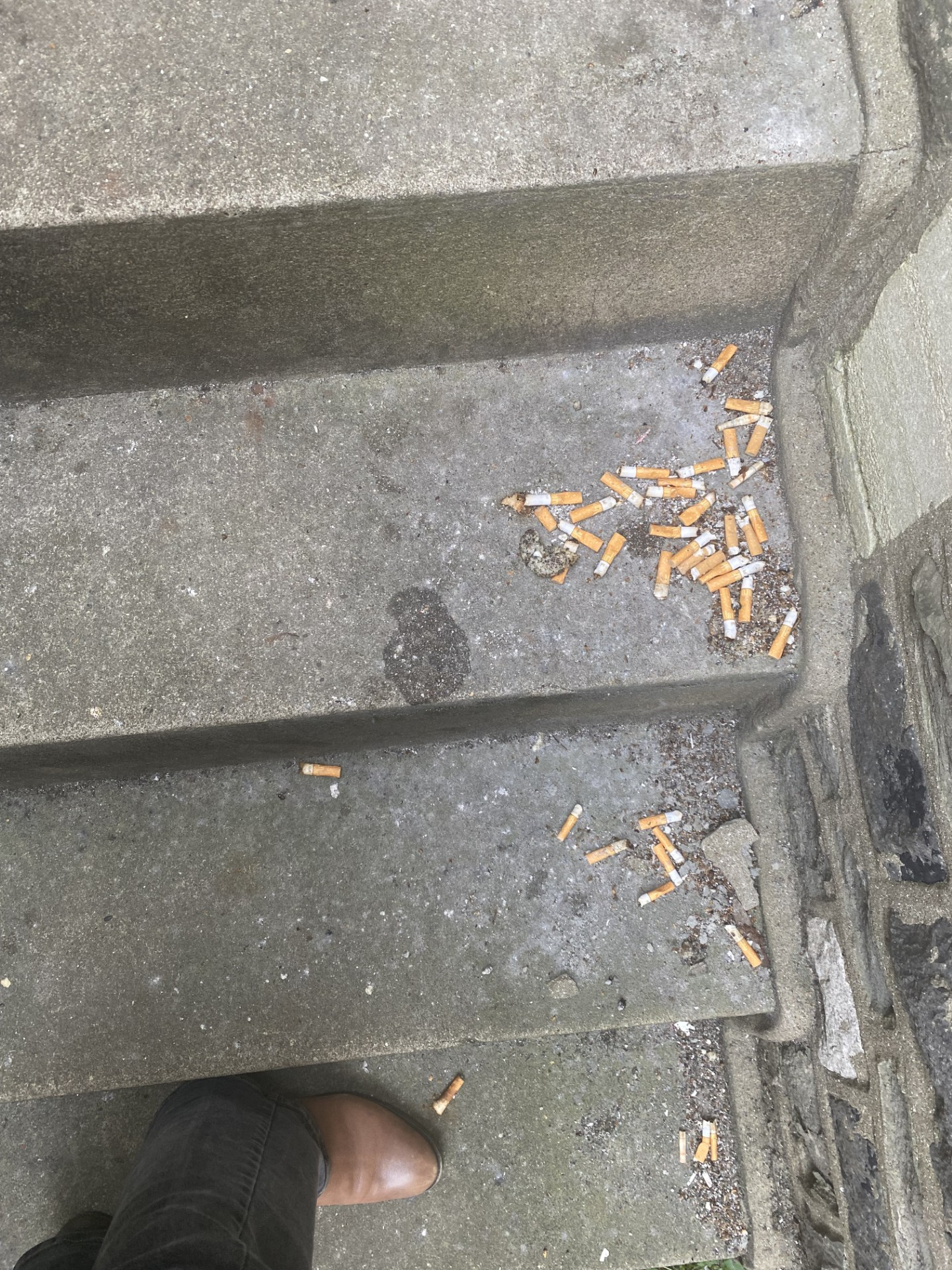
Smoking has always been a highly stigmatized and very addictive habit, perhaps for this reason only a handful of my friends would define themselves as ‘smokers’. In my experience, it is these people that want to quit and feel this shame, and not the fascinating group that is social smokers. I have felt a weird sense of unease around this topic; mainly circling around these two points:
1) Smoking is expensive
2) Poverty is the main cause of smoking
A quote from Chris Van Tulleken’s Ultra Processed People sticks in my mind:
‘Poverty is the main cause of smoking. Smoking rates in the UK are four times higher among the most disadvantaged than among the wealthiest, and half the difference in death rates between rich and poor in the UK is explained by smoking.’
Social smoking at university is a simultaneous display of wealth and a cosplay of suffering.
My dad is disgusted by smoking. He, likely still associates smoking with his childhood; with being poor; with struggling. For him, it is deplorable and not something he can afford to associate himself with. There is a stigma and dirtiness attached to the working-class smoker, and a glamour and deliciously intellectual edge for the wealthy smoker. Smoking is a lot more dangerous under the chronic stress of poverty; it is not hard to imagine why it could become a deadly habit for some and an insignificant pastime for others.
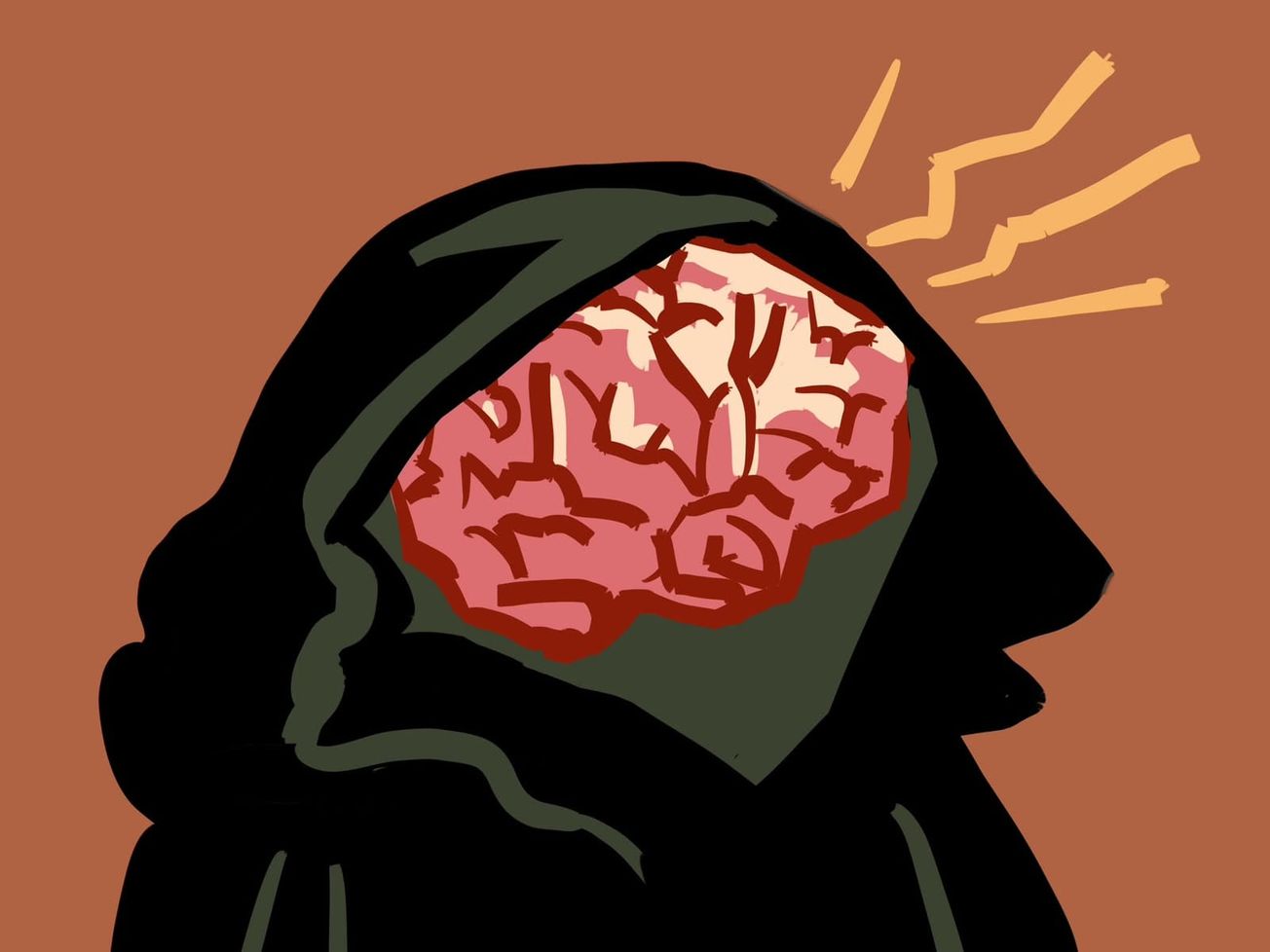
‘As much as I can succumb to the attractive aesthetic of the tortured artist, I am also bothered by the possibility of performativity in my actions. To put it another way: really, what do I have to smoke about?’
Additionally, smoking is expensive. The ease with which people pull out a fresh box of pre-rolls here is staggering! But the aesthetic appeal is priceless. Suddenly we are all skinny models, tortured artists, pensive writers, bad boy rebels and troubled starlets. As well as this, there is an additional, tangible, pull. How often are we afforded time to properly relax in our daily life? A few minutes to stand outside, be with ourselves, and have a perversely mindful focus on our breathing and the physical sensations in our body? Aside from the addictive pull of nicotine, smoking gives us something that little else does.
It undoubtedly brings social benefits. I dread to think the amount of fun I would have missed out on if I didn’t smoke even occasionally; if I didn’t have a reason to stand outside a pub in January and watch strangers bond over nothing but a small burning cylinder in their hands. With smoking, we are allowing ourselves some space and time to do nothing except feel good, if a bit cold.
This is not a social smokers hit piece. Where would I get my cigs from if all my rich friends stopped smoking?! In reality, many (rather, most) of my friends are not extremely wealthy - and a lot of them have their own conflicting and complicated feelings towards smoking. What troubles me is the general apathetic and aesthetic lean towards smoking at university, just another aspect of university life where a class divide seeps in. As much as I can succumb to the attractive aesthetic of the tortured artist, I am also bothered by the possibility of performativity in my actions. To put it another way: really, what do I have to smoke about? I, like many, am dipping my toe into the aesthetics of suffering.
 Katy Bright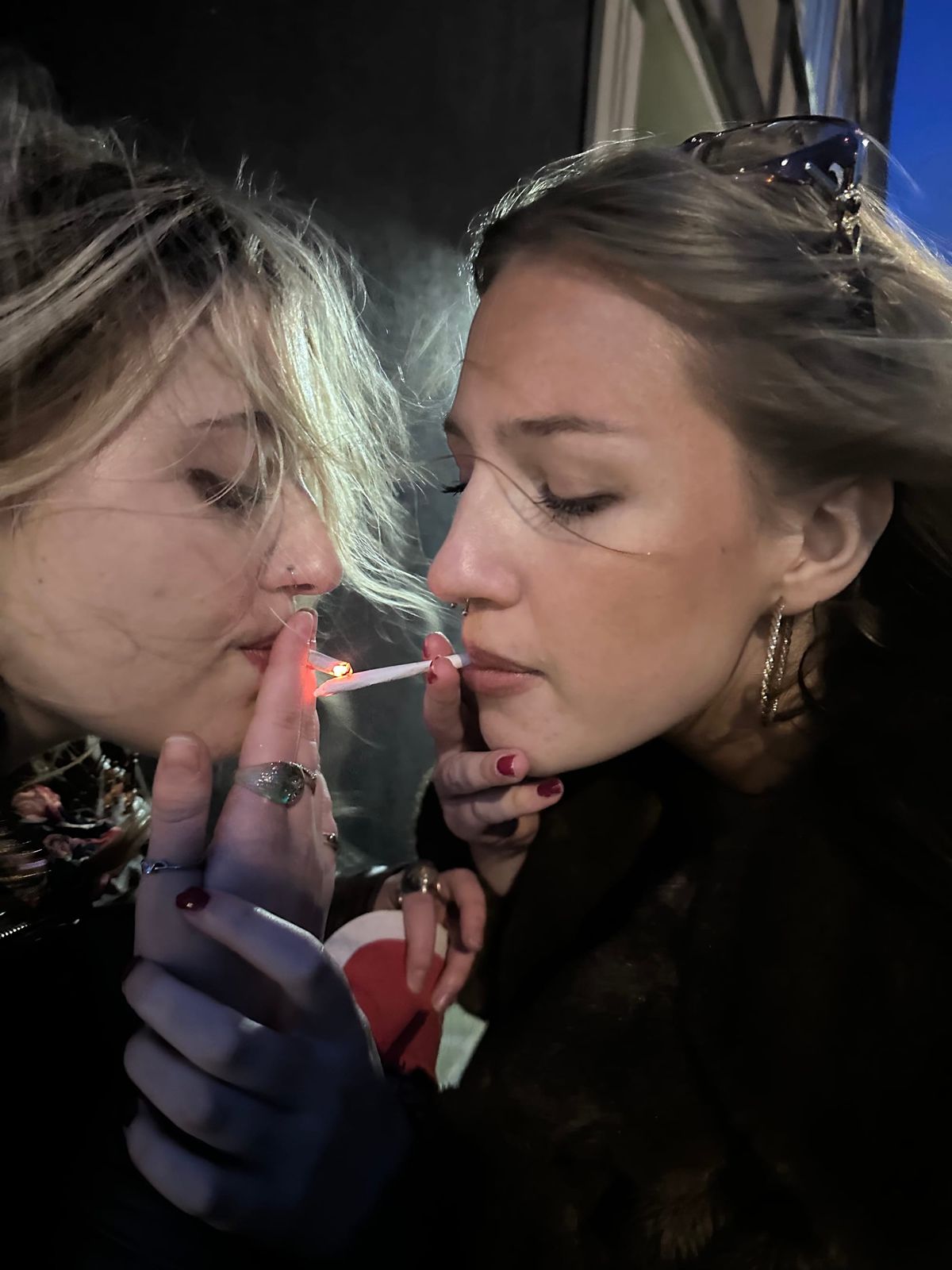
I wonder if my peers have the same references for the danger of too much smoking. Do they have dead relatives? Do they know creases on faces that are old beyond their years? Aside from the body horror on cigarette packets, I do wonder how many people know the damage that real addiction can do to people.
So why we are not reminding our friends of the risks of smoking? It is obviously not that we don’t care for them. Maybe unlike the girls I used to see on the bus, we don’t see it as a tangible risk to reputation or health. Smoking, for many of us, is not a burden to carry. Smoking, for many of us, will not be deadly. Maybe we know deep down that its different for us.
Featured image: Epigram / Scarlett Smith
Do you feel pressured to join in with social smoking?