By Miles Gilroy, Senior Print Editor
On Tuesday 9 December, Andy Radford, a professor of behavioral ecology at the University of Bristol, received a Nature Award for Mentoring in Science 2025.
Since 2006, Professor Radford has supervised over 70 postgraduate students; mentored more than 25 postdocs, fellows, and new staff members; and been Graduate School Deputy Director and Graduate Mentor.
This is alongside receiving three other awards: the University of Bristol’s ‘Outstanding Research Supervision Award’ and the ‘Vice-Chancellor’s Award for Education’ recognising his exceptional contributions to the enhancement of student experience, as well as the Times Higher Education (THE) Award for ‘Outstanding Research Supervisor of the Year’.
Focusing on a different country each year, the Nature Awards for Mentoring in Science returned to the UK in 2025 to celebrate their 20th anniversary. The awards recognise mentors for ‘guiding and shaping the careers of emerging researchers,’ with Professor Radford receiving the mid-career achievement for his support of the development of early career researchers.
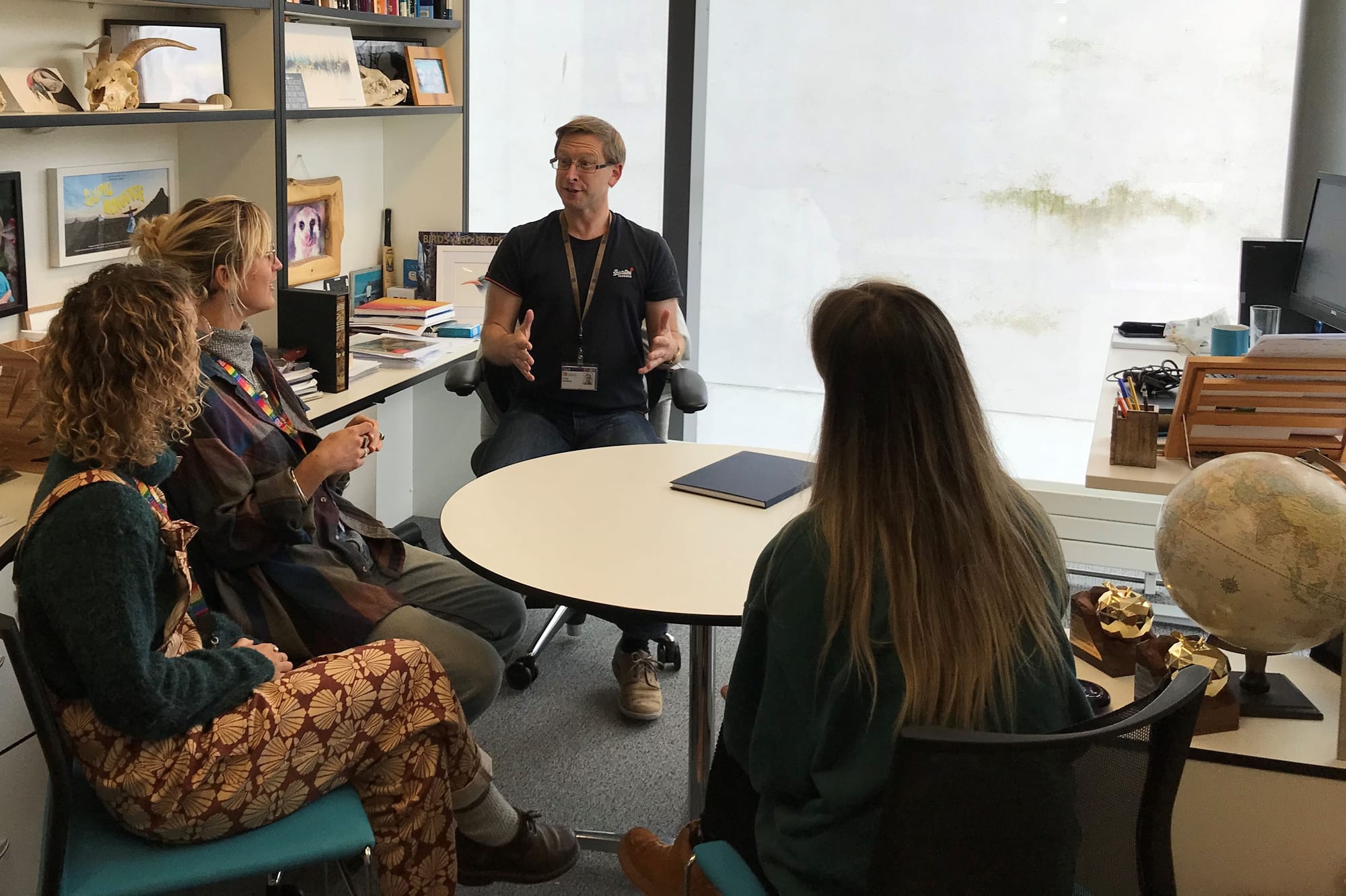
Professor Radford attributes the success of his mentoring approach to his emphasis on ‘individually tailored support’ and ‘committing time to getting to know each mentee as an individual.’
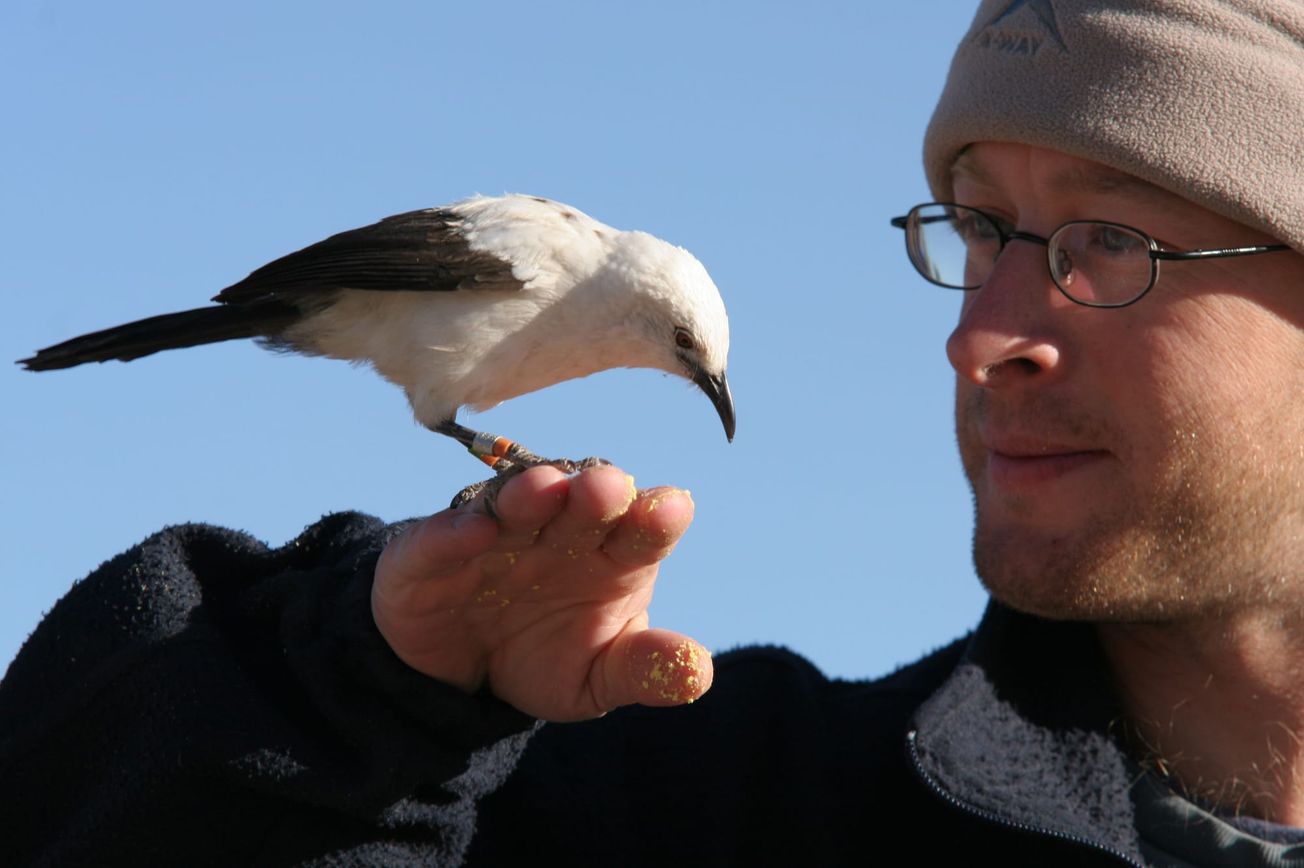
Having delivered ground-breaking behavioural ecology research on cooperation, conflict, and vocal communication, particularly in wild birds and mammals in Africa and Australia, Professor Radford also co-runs a major research programme in global change biology with Professor Steve Simpson, testing mitigation measures and how we can use acoustics to enhance coral reef restoration.
With most of his research taking place overseas, Professor Radford’s tailored and personal mentoring style really makes a difference. He highlights the importance of ‘constant remote support to mentees who are often away for many months at a time’ and ‘encouraging them to engage fully with the local communities.’
As any mentee will know, having a mentor that is passionate about their role makes a huge impact. Professor Radford is proof of this, referring to a primary school programme he led called ‘Bringing biodiversity to life’ as ‘[o]ne of the most rewarding (if tiring!) activities,’ and a saying that ‘mentoring is the part of my job that consistently gives me the most joy.’
Professor Radford also identified normalising rejections and celebrating successes, as well as encouraging fun, among core aspects of successful mentoring.
Featured image: University of Bristol