By Stanley Davies, Maths and Philosophy, First Year
Our Student Union has elections coming up in March. I very much doubt that, upon first hearing of this, anyone leapt from their seat in joy and rushed to share the good news. Indeed, I doubt that anyone felt much more than mild interest. It does not seem to be controversial to suggest that voting isn't very fun, and so you are no doubt fed up of being lectured on the many reasons why you should ‘just care more.’ I have no intention of lecturing you, but I shall nevertheless question why voting has this unfortunate reputation.
This time last year, an article was written for this paper on the same subject, and was written in response to the ever-present question ‘why does it even matter’. As it happens, there are myriad reasons - beyond the terribly noble principle of democracy, which I don't doubt we all hold very dear in our hearts, the SU does actually do stuff, and some of it is quite good stuff. Indeed, this was the position of last year's article - just think about it, and you'll realise.
 Teoman Sevgen
Nevertheless, last year's elections had a turnout of less than a third (though this was lauded as a triumphant high). One reading of this could be that the student electorate are a herd of undemocratic fools who need to see reason and get voting. I find this something of an unsympathetic reading, however. No matter how good the reasons to do so, lots of students likely won't vote this year either. So why is that?
Returning to that opening question, there is undoubtedly a sense that voting really doesn't matter all that much. Not that it won't have any impact, but rather that any impacts will be merely trivial. In a sense, some people see voting like other people I know see attending lectures and seminars: they could go, and going would not be inconsequential, but they just don't see the point.
This feeling exists beyond Bristol too. The 2024 general election was discussed beforehand like the second coming of Christ - a critical turning point in our nation's history - and yet the voter turnout was the third lowest in over a century. Consequences or not, people just aren't feeling it.
It often feels as though democracy is all about voting for people, not ideas. Not even necessarily voting for them for ‘the right reasons’, but for their personality. This is not to suggest that direct democracy (loosely: voting directly on particular issues, rather than for representatives to do so) would be better, or even feasible, for the nation or the SU. Nevertheless, our kind of democracy can make the actual power of one's vote feel very distant and indirect.
Indeed, the elected representative could always do something their electors don't like - ‘that isn't why I voted for them’. In fact, I can think of one or two politicians who have been accused of precisely that. To realise that your own vote ultimately contributed to giving a person the power to do unpleasant things seems to me a very reasonable basis for feeling disillusionment.
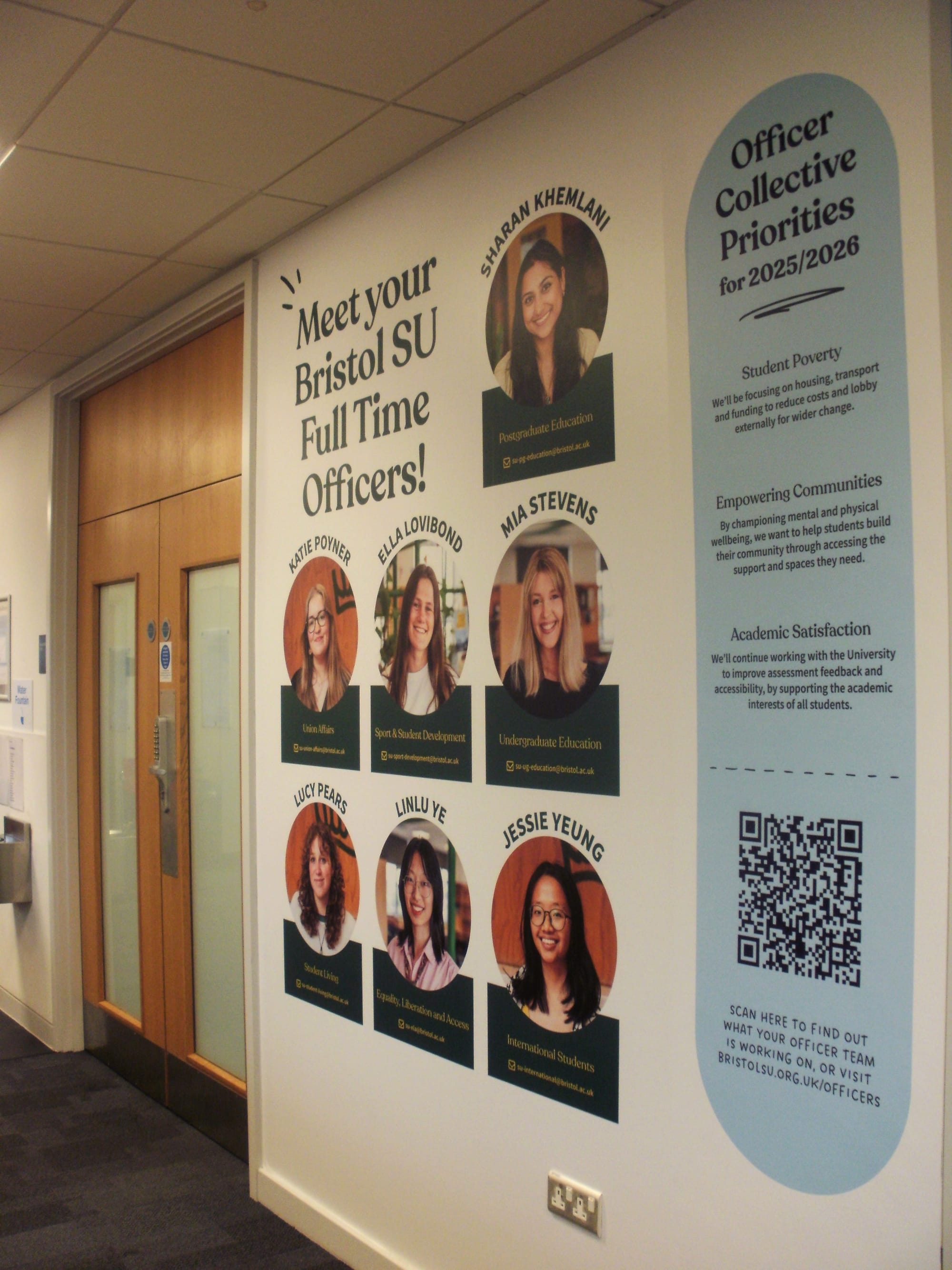
Though, in the case of the SU, this indirection isn't even entirely true. Alongside the March elections, there will be a referendum on membership in the National Union of Students, and all this comes shortly after the annual members meeting - wherein any student can go along to debate motions and bring ideas to life in the student union.
‘Democracy, and playing your part in it, isn't very fun, and isn't trying to become any more fun. Nevertheless, it has an impact.’
Nevertheless, it has an impact. Perhaps, then, another aspect of the problem is just how confusing voting can be. To take the SU, for example: are you immediately clear on the difference between your academic and faculty representatives? What about a member of the student council as opposed to a student trustee? What does a full-time officer do that their colleagues don't? What power do attendees of the annual members meeting have? And what does the non-elected, non-student CEO do?
All of these questions do have answers, answers which can be dug into on the SU website. However, digging for answers isn't a very cheerful way to spend an evening (or any other period of the day, for that matter, it just so happens that I, very foolishly, opted to do my own digging of an evening). Inundated with so many other things to fill our minds, trying to make sense of SU bureaucracy is not only a less than tempting endeavour, but a bit annoying. I am sure they (though who precisely 'they' is I am not sure, such is the way of things) could roll out some good reason for it all being so complicated (though 'they' may well argue that it is all very simple, really), but, even so, it is much easier to get frustrated and give up. The SU can keep their secrets, and I can be part of the over 70% who don't vote.
The right decision? I could hardly say, but no doubt a forgivable one, if not.
I have come such a long way without rolling out that classic epigram ‘your voice matters.’ I will conclude by noting, then, that it really does, and now more than ever. Not because of lofty democratic ideals, but because the lower the voter turnout, the higher the statistical significance of each individual vote. Perhaps the feeling of power is not a very morally righteous reason to vote, but it has statistical grounding, so if it gets you to the polling station (or, more accurately, polling website - not very alluring) then that's no bad thing.
If that isn't enough for you (pernickety, but no matter) then keep in mind that, for better or for worse, both the government and the SU do actually do stuff. The SU website elucidates their current and past campaigns in good depth, and the government's antics are plastered all over the internet.
Admittedly, the internet is not always accurate as pertains to government antics, but there are good sources. Check out the recent votes in parliament, see what side your MP took, and what, if any, were their spoken contributions. After all, they are doing it by your mandate.
 Lilja Nassar
So I repeat: democracy, and playing your part in it, isn't very fun, and isn't trying to become any more fun. Nevertheless, it has an impact. Maybe one you may not notice, but maybe one that somebody else really will. So, without trying to be too repetitive, I say again that democracy is worth the trawl. Then again, there's always ‘next time’, most likely.
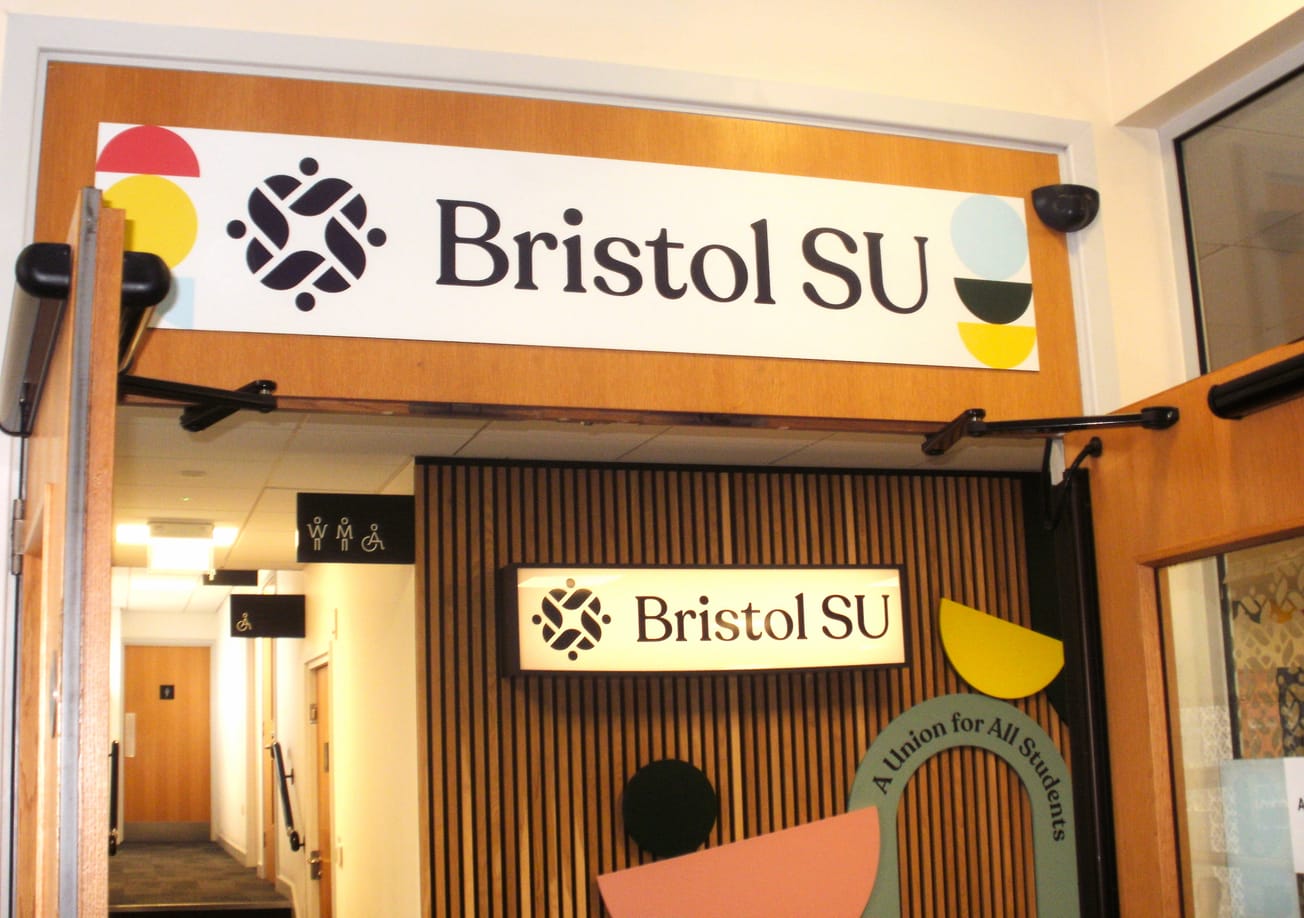
Featured image: Epigram / Sophie Maclaren
Will you be voting in the SU elections this March?