By Olivia Hunt, Community Editor
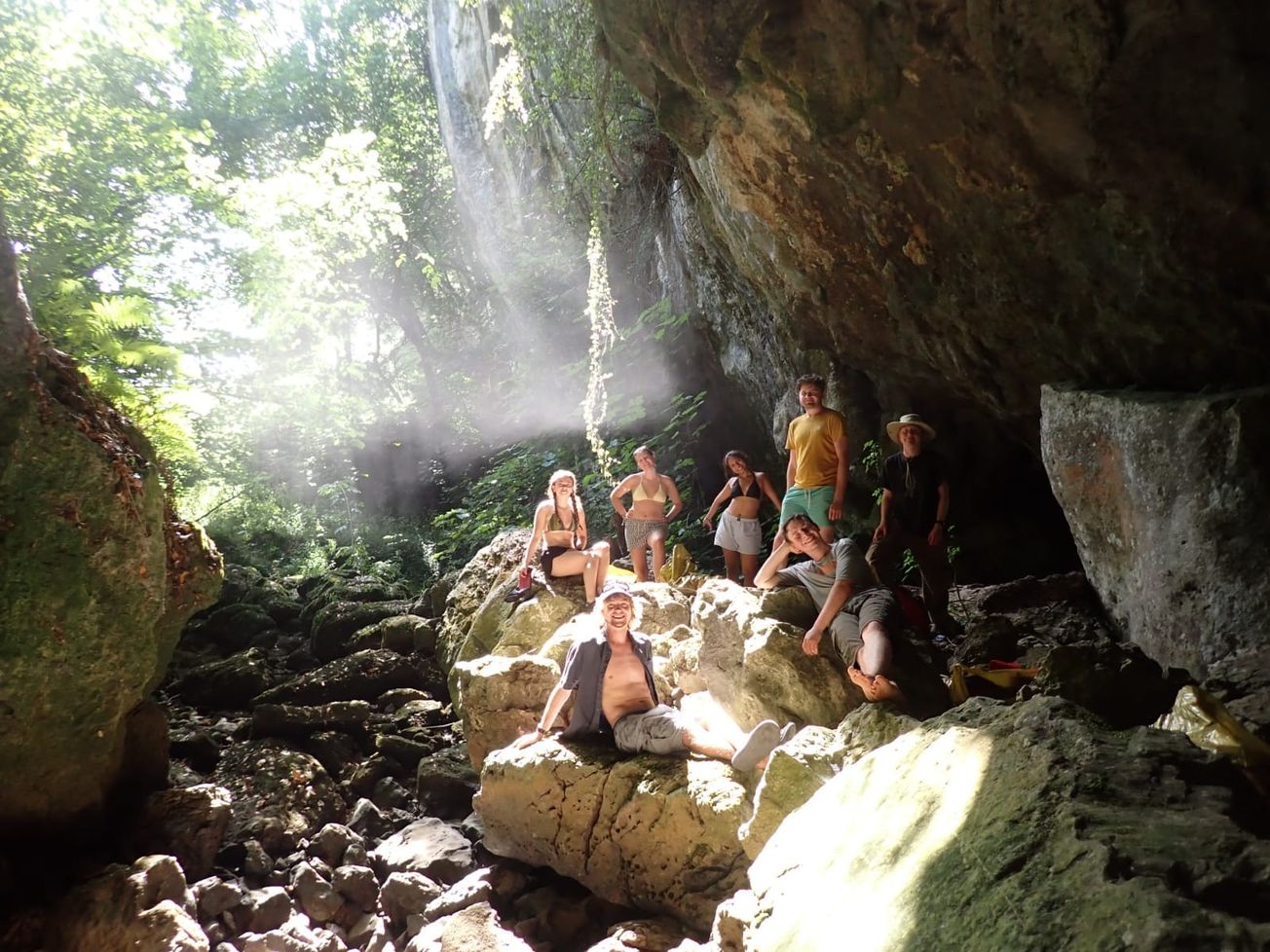
Are you part of the performative ‘gorp-core’ movement? Do you own Arcteryx or Salomons that you brought for your Gap-yah and want to use them for some actual sport? Here’s an answer: caving and climbing! The University of Bristol Speleological Society (UBSS) and Bristol Climbing and Mountaineering Society (UBMC) are two groups that unite in their love for outdoor exploration and aren’t afraid to show it.
Tom, a member of both caving and climbing societies, pictured their dynamic as a Venn diagram: whilst climbing and caving are ‘much more similar than people realise’, the number of climbers who branch into caving is less common – but the other direction is much more popular. Joshitha, the president of Caving Soc, stated ‘the skills are so interchangeable, and when you get good at climbing you get really good at caving and caving builds your endurance so they go so well together’.
I’ve been climbing before, a frequent attender at Flashpoint last year, one of Bristol’s indoor climbing gyms (albeit not very good), so I had a small idea of what it entailed at least in its interior form. The idea of holding onto a crag and pulling myself up onto the rocky walls of places like Avon Gorge frightens me! I didn’t know too much about caving, but another UBSS member explained to me how they described caving as ‘three-dimensional climbing’, a multi-sensory experience into the depths of the earth.
Asking each committee why the sports were gaining popularity, I assumed there was a heavy influence from social media. My explore page is full to the brim with hiking, climbing and caving content. They mainly disagreed.
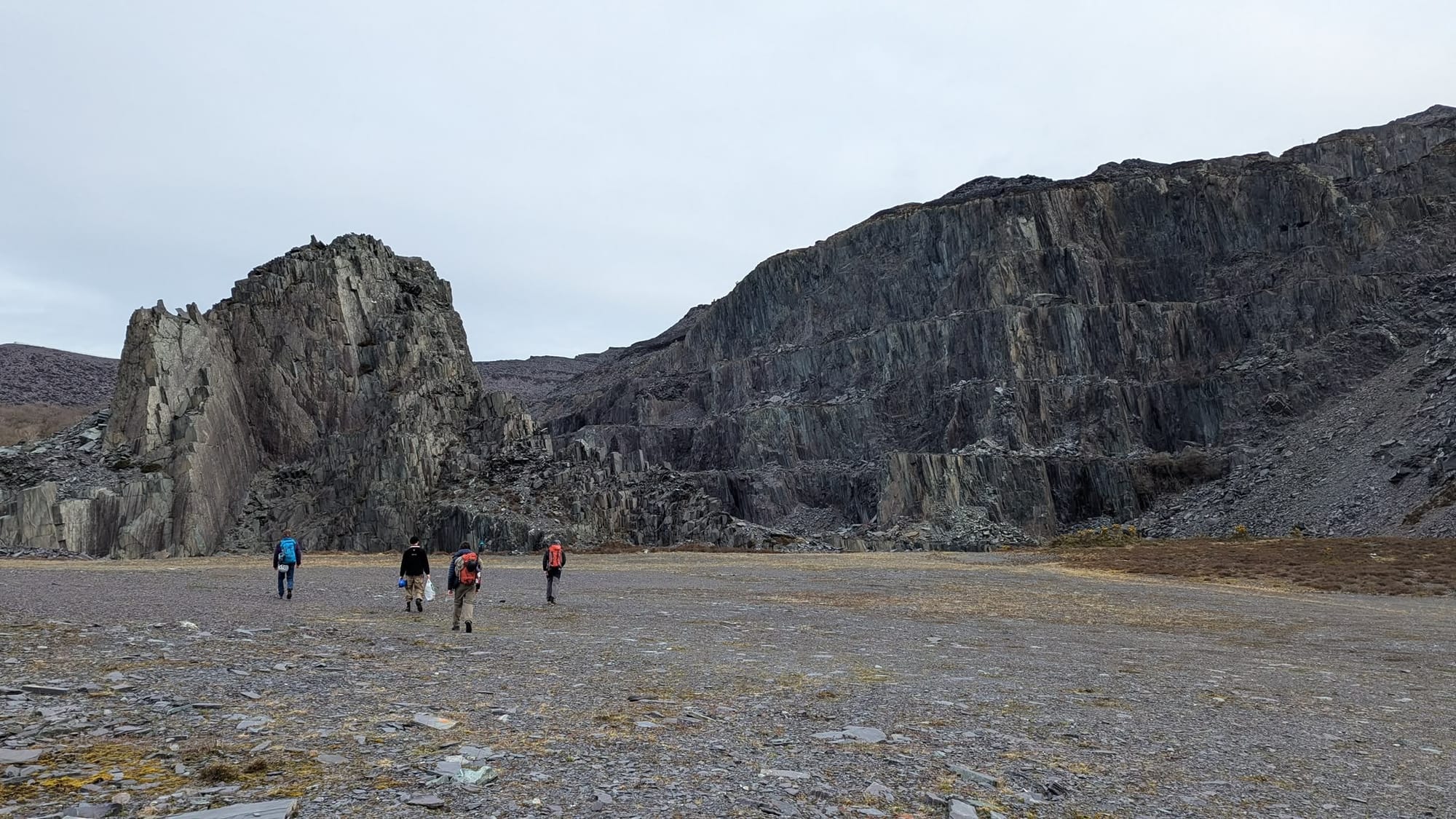
A Climbing committee member stated, ‘people enjoy it because it’s a social thing, but it’s also great exercise […] you can climb as hard as you want or as easy as you want.’ There seems to be fulfillment in becoming ‘ripped’ (as the committee put it), but also a sense of community at the same time.
Caving Soc, taking a similar vein, claimed that ‘there's been like a big increase in the number of people who want to do outdoor sport in general, […] hiking, mountaineering and climbing especially because climbing is the easiest one to access, I think.’ So, the passion for the sports links to outdoor adventures, seeking natural landscapes and beauty. Far from the urban landscape of central Bristol.
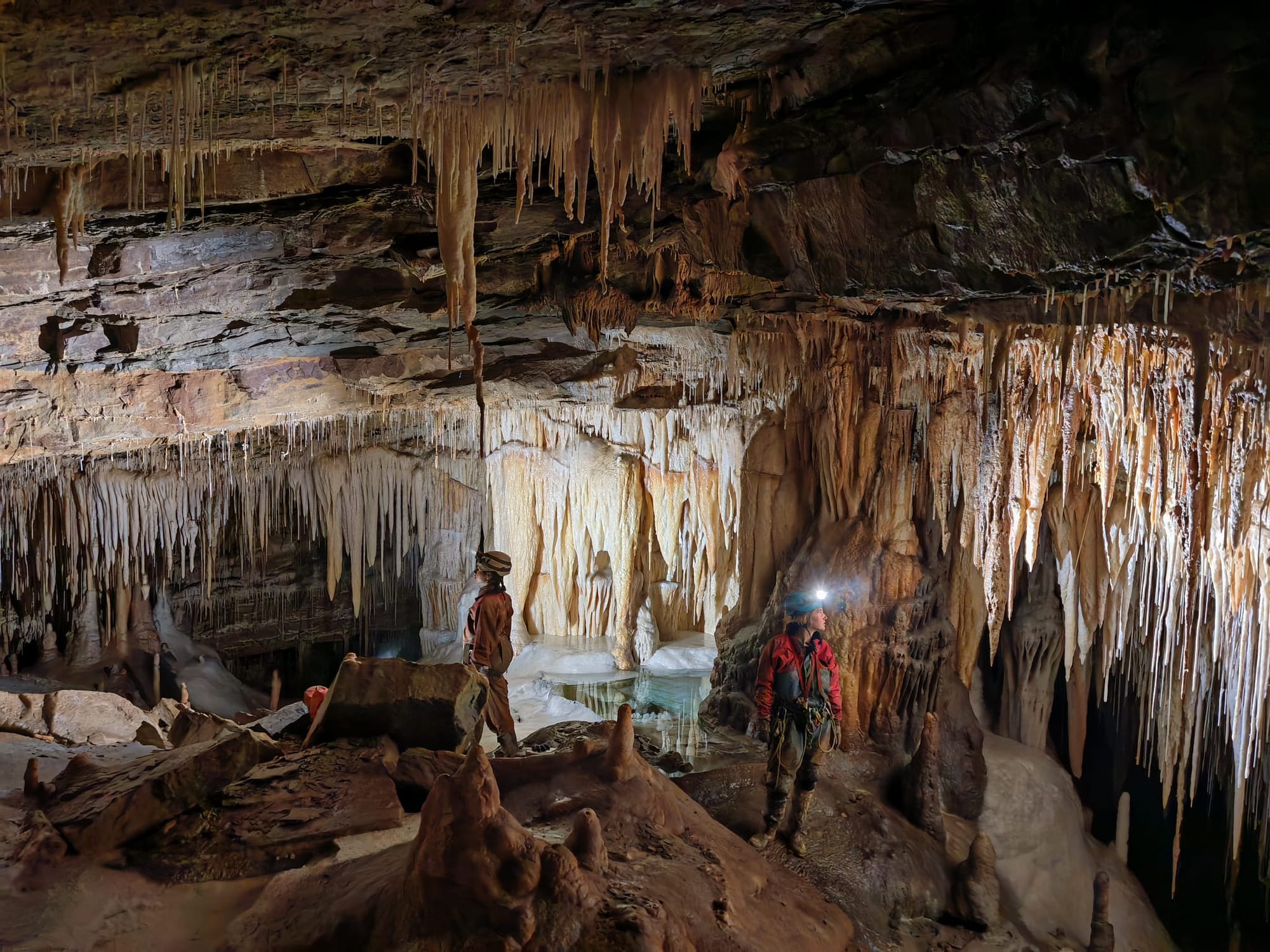
I also enquired about accessibility; how do the societies enable everyone to join without skill-based or monetary thresholds?
Joshitha told me, ‘Our main aim is caving, honestly, to keep it as cheap as possible. Our membership is 12 quid.’ Compared to other sports societies, this seemed like a great deal! And gear is not an expense either, the treasurer for Climbing Soc told me, ‘When you’re a member, you get access to free teaching and free gear […] you can take it out through our stores and then return it.’ There’s no need to invest too much in a sport when you’re only just trying it out.
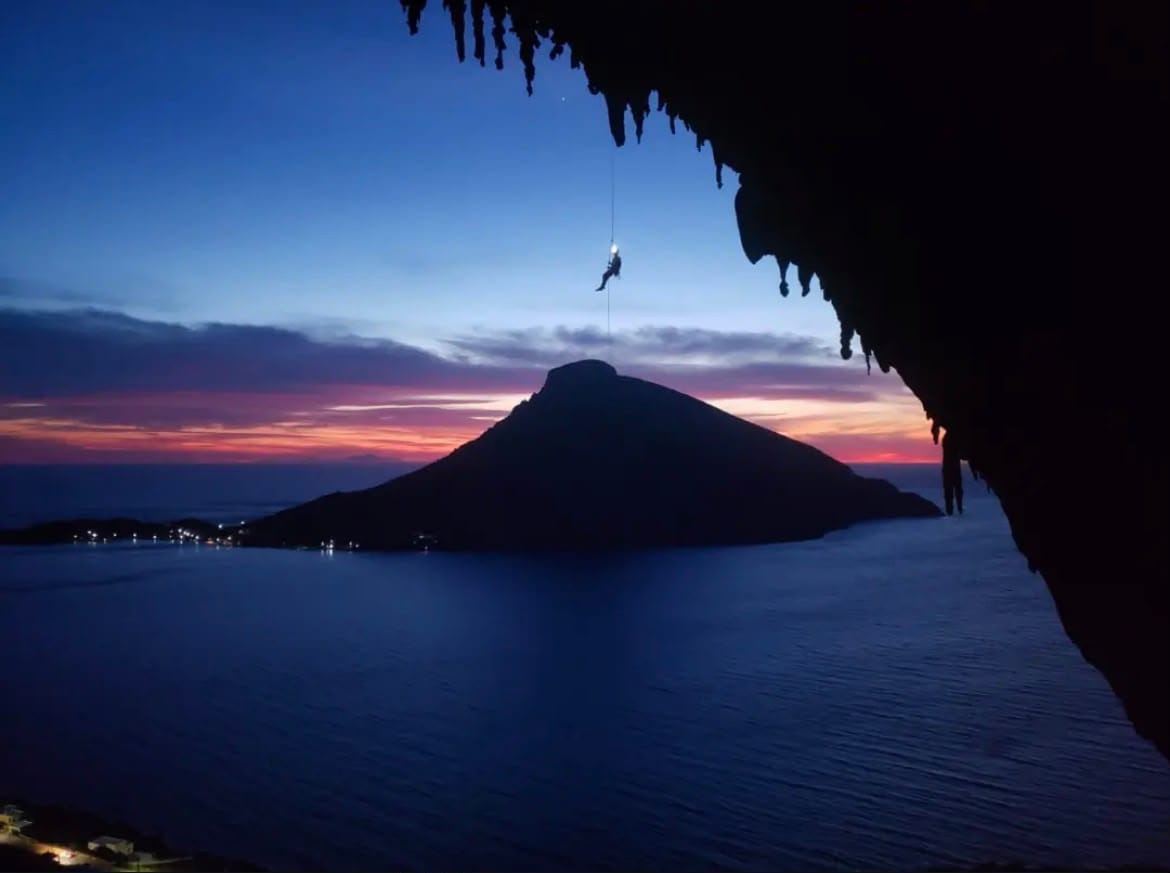
Trips are also included at low expense; the Climbing committee joked with me about the cost of a weekend trip to the Peak District: ‘It’s like (the cost of) ten before ten, but you have a weekend in the Peak District’, another member joked, ‘And you probably won’t throw up when you’re in the Peak District’. I asked about the inclusion of the Hardship Fund, of which both committees reacted with enthusiasm – Joshitha said, ‘Our main aim is to genuinely keep it the cheapest possible sport that you can do’.
Regarding a collaboration between the two societies, they have a yearly conjoined trip in which both societies test each sport. On a thematic level, the two societies share a passion for community and accessibility, as the sports are both incredibly social and aim to be as inclusive as possible.
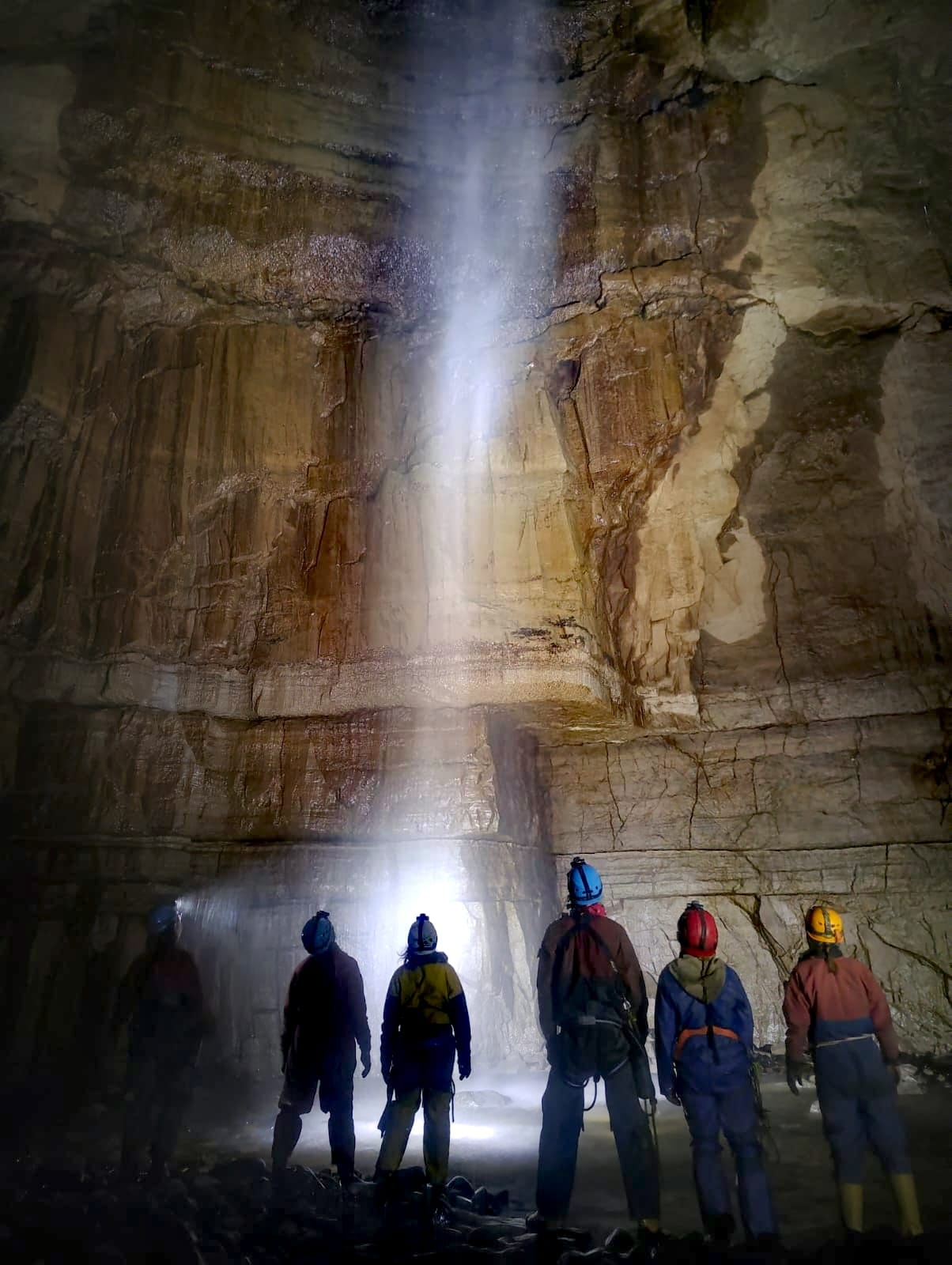
Climbing Society claimed that a driver for the popularity in climbing is how friendly and sociable the community is: ‘Obviously, you can do it by yourself. You can climb by yourself. I think the big pull is just the fact that you get to climb with the people. Everyone shares the same passion. Everyone's so lovely, everyone's so sweet.’ They also made a point to tell me how popular the women’s climbing groups are and how most of the committee is made up of women, ‘Climbing’s a very inclusive sport as well. There’s not as much of a men’s-women’s divide. Everyone climbs together.’
Joshitha also commented on this, ‘we keep [the society] very open and accessible for all types of students,’ I spoke to her at the Fresher’s fair, in which the committee were all incredibly kind and enthusiastic, strapped into harnesses and dripping in carabiners.
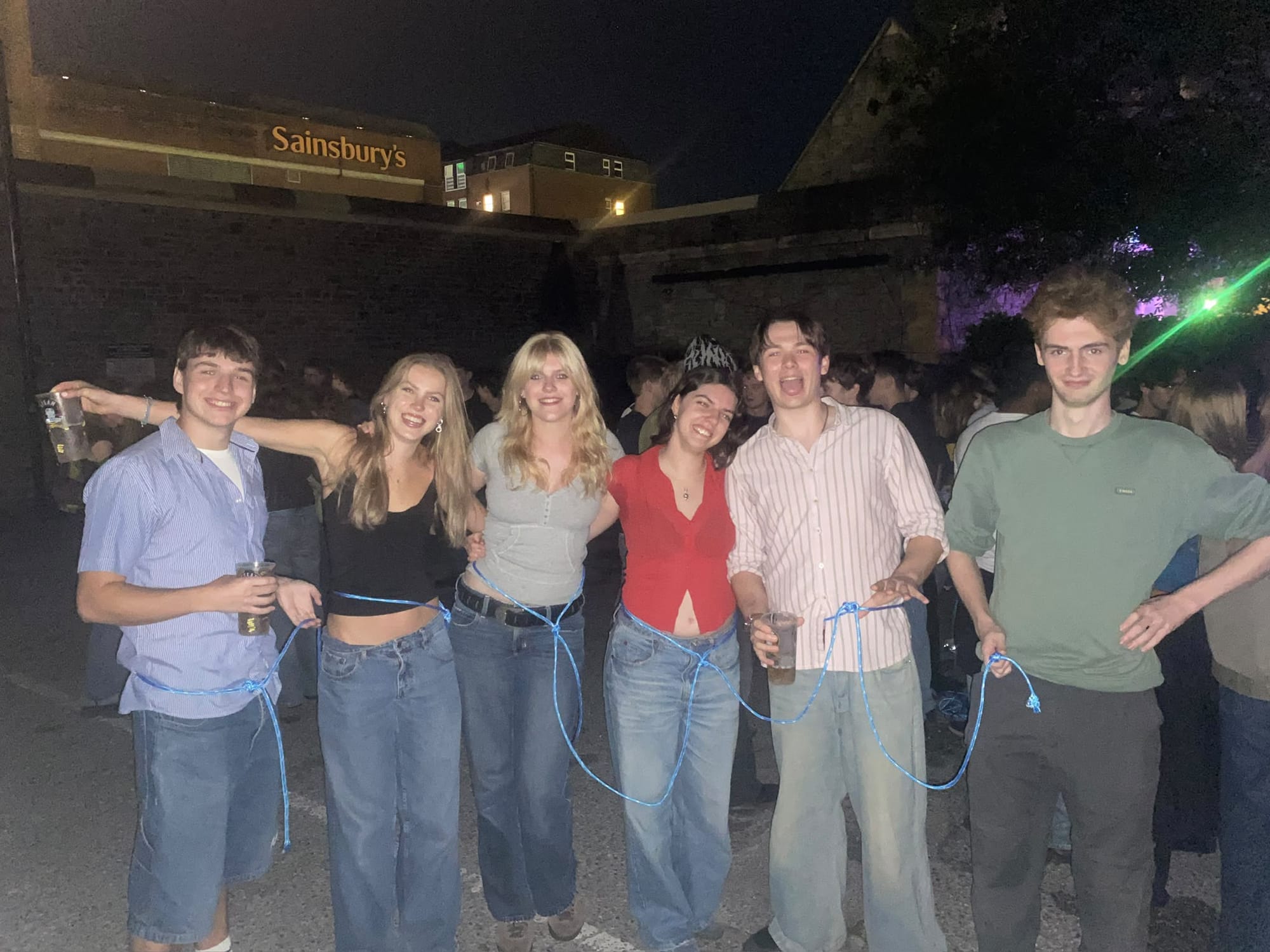
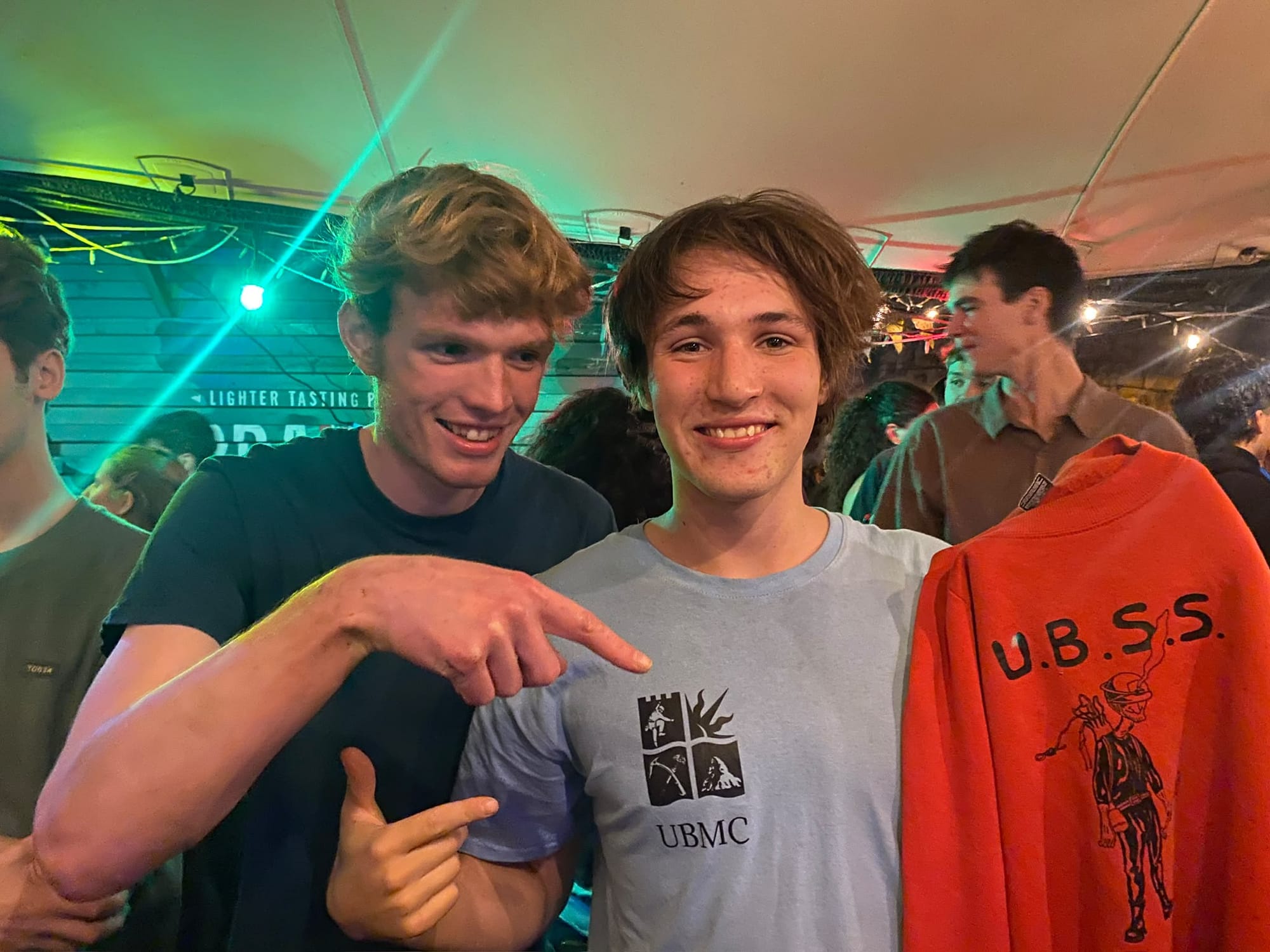
I actually attended UBMC’s ‘roped-together’ pub crawl, in which I became attached to my housemates on a line of rope. The walk from Steam to The Apple down Park Street will forever be unforgettable (and my knees are still slightly purple!) Seeing the society work in real-time was great, and they were all really happy to speak to me.
Both societies were so excited and eager to tell me about their sports and socials, so I’d really suggest joining or attending some of the sessions if you’re curious! To keep up with both societies, follow their Instagram pages as they post frequent calendars for social events and trips: @uobclimbing and @uobcaving.
 Rosie Napthine
Membership for each society is available on their respective pages on the SU website.
Featured Image: 'Caving Society' | Epigram / UBSS
Would you join UBMC or UBSS?