By Emma Yeo, Third year, English
With the upcoming seasonal shift from summer to autumn, many of us may be looking for book recommendations to occupy the lengthening evenings and keep those brooding moods at bay. My go-to genre for the autumn is always gothic literature.
The gothic literature genre emerged in 1764 with Horace Walpole’s novel The Castle of Otranto and has since become an increasingly popular and diverse genre, ranging anywhere from Bram Stoker’s Dracula to Neil Gaiman's Coraline. Gothic literature features numerous key concepts and archetypes; including the supernatural, remnants of the past haunting the present, transgression and elements of terror and/or horror.
While many of us may instinctively shy away from classics with archaic language and convoluted plots, several gothic texts are rather accessible due to their timelessly clear themes, straight-forward plot lines, and fast pace. With this in mind, here are some of my top recommendations for accessible gothic classics to read this autumn!
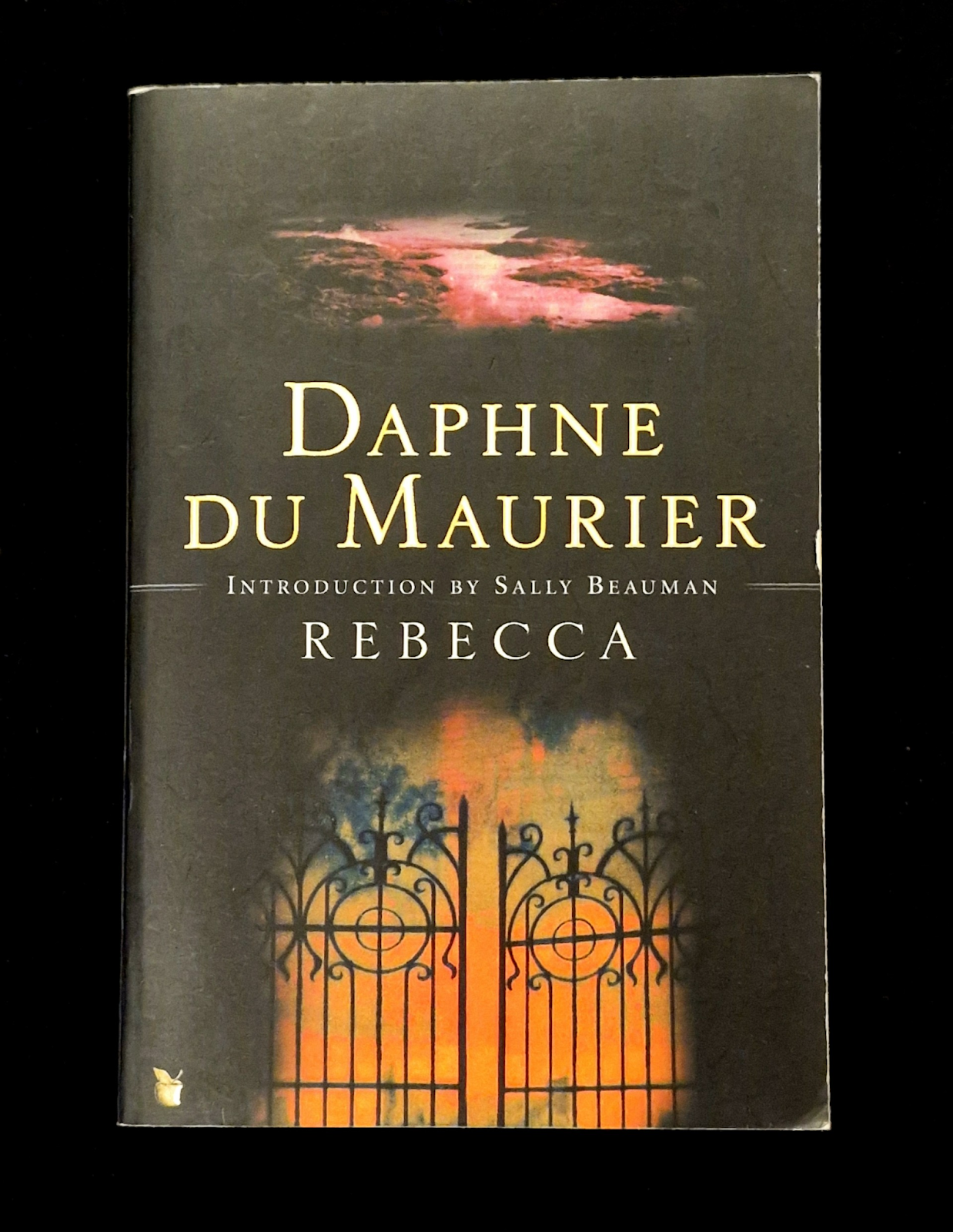
Rebecca by Daphne Du Maurier
My first recommendation has to be the hair-raising tale of a late wife’s haunting presence upon a new marriage, Rebecca. Forming one of the key gothic texts, Rebecca has a significant position within the literary sphere. If you have ever dabbled in gothic literature, you will have no doubt come across this novel, or at least heard its name. This text details the unnamed narrator’s journey into the oppressive and elusive upper class, prompted by her marriage to an older man. Undiscovered secrets and mystery pervade the narrative, creating an endless string of unpredictable twists and turns. Ultimately, Rebecca demands a place in readers’ minds long after they have finished the novel and consequently makes for a perfect autumn read.
The Legend of Sleepy Hollow by Washington Irving
With several cinematic adaptions, Washington Irving’s The Legend of Sleepy Hollow is a text recognizable to many of us. In this short story, the Headless Horseman is a key spectral figure who torments some and is nothing but a myth to others. Irving engages themes of the supernatural, scepticism, and gender to examine the nature of folklore and rumour within the secluded glen of Sleepy Hollow. While other recommendations on this list function solely to scare, The Legend of Sleepy Hollow deviates from this and instead is often labelled as a comedy-horror tale. So, if you’d rather enjoy a text that can be interpreted as either eerie or hilarious, this is a great and accessible option.
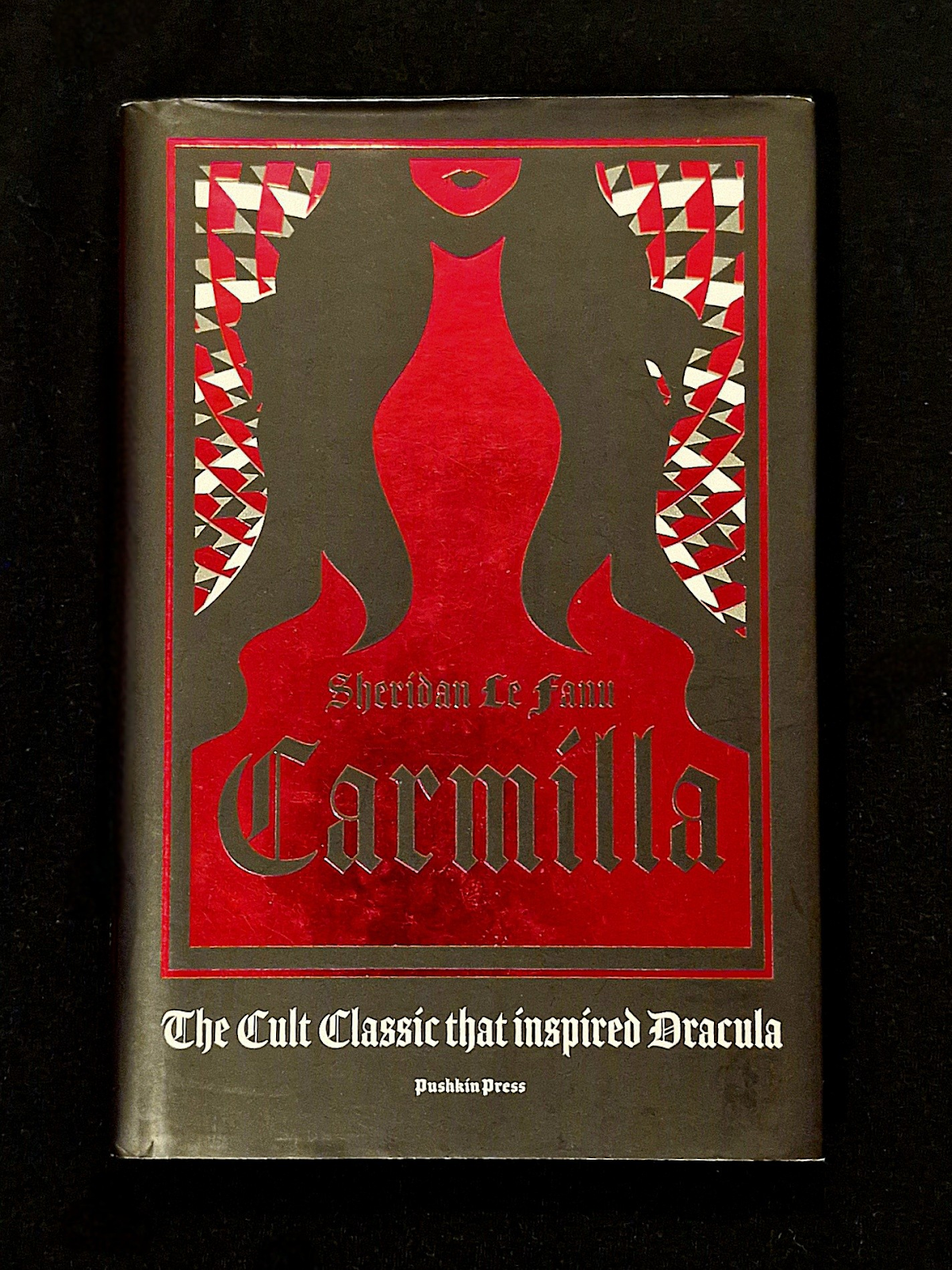
Carmilla by Sheridan Le Fanu
Dracula’s predecessor, Carmilla, could be read in a singular autumn evening in lieu of a scary horror movie. But don’t worry, you'll still get that same eerie and unnerving sentiment! The narrator – Laura, an isolated young girl – has her life turned upside down by the arrival of a mystifying and unexpected houseguest, Carmilla. Following this, Laura spends her days growing closer to Carmilla while simultaneously growing weaker from a mysterious disease. In Carmilla, Le Fanu embraces taboo and constructs a wildly transgressive novella featuring sapphic vampires, old mysterious castles, and a nightmarish cat. In only 100 pages, Carmilla offers everything you could want in a gothic tale, sure to get you into the autumn mood!
 Alex Boersma
The Sandman by E.T.A Hoffman
Part of E.T.A Hoffman’s 1814 collection Nachtstücke, The Sandman is an imaginative short story which investigates the nature of trauma and how fear can distort one’s reality. This creepy short story features ‘The Sandman’ as a notorious figure who haunts the protagonist’s childhood, and eventually, their adulthood. The protagonist’s fear of ‘The Sandman’ begins to take over his life and causes the deterioration of his mental state. In this tale, we see Hoffman experiment with contemporary anxieties surrounding early 1800's scientific advancements, and the uncanny.
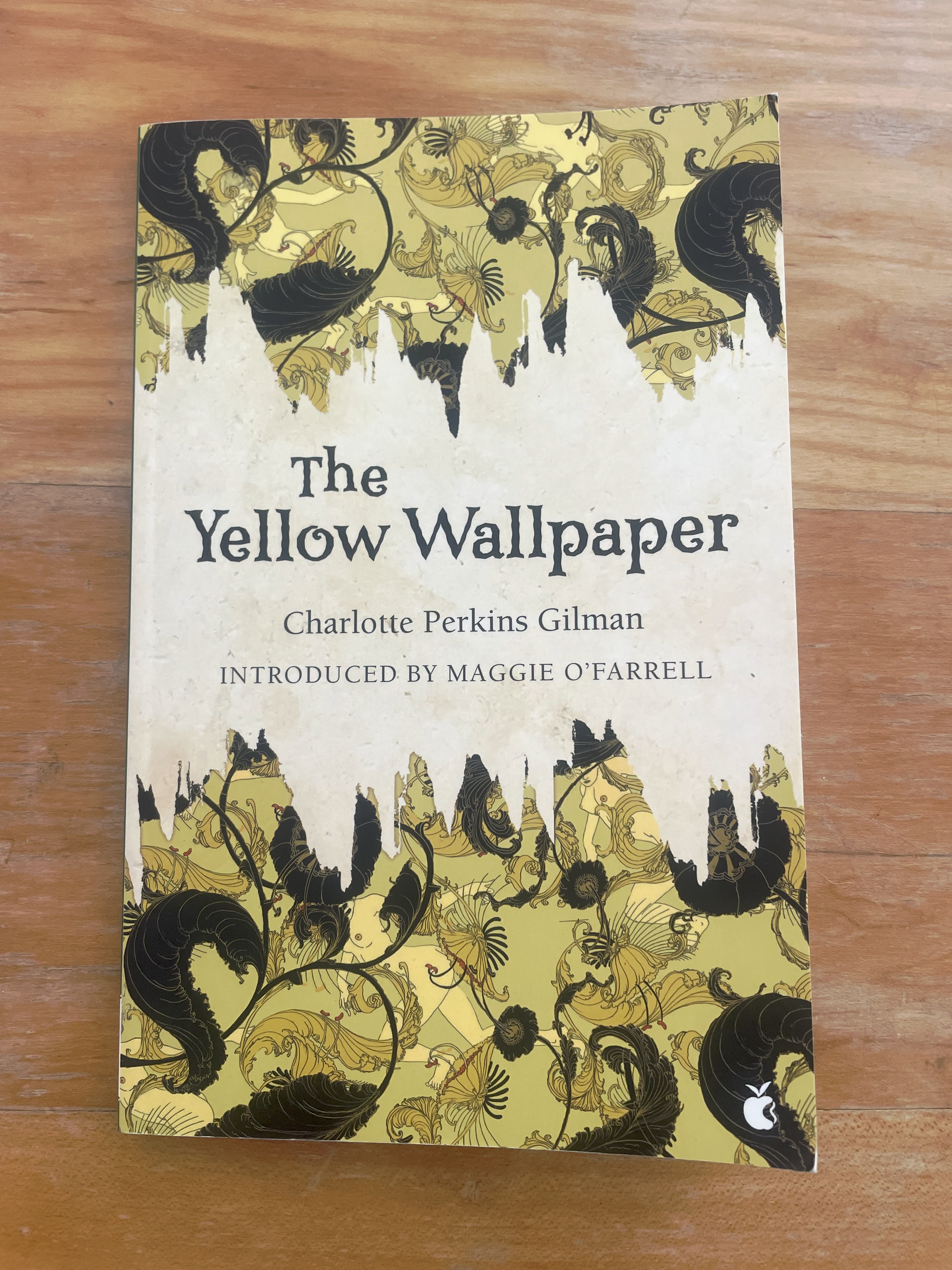
The Yellow Wallpaper by Charlotte Perkins Gillman
First published in the January 1892 edition of The New England Magazine, The Yellow Wallpaper is a feminist collection of fictive journal entries which feature a wife confined to a nursery by her husband in an attempt to help her. In these journals, the wife – who suffers from a ‘temporary nervous depression’ – documents her descent into madness and is tormented by a desire to free an imagined woman from the wallpaper. Despite its short but accessible length, this text offers a fundamental commentary on the position of women in society and is certainly worth the read.
The Tell-Tale Heart by Edgar Allan Poe
Known for a number of notable macabre works – including The Raven and The Fall of the House of Usher – many regard Edgar Allan Poe to possess a central role in the gothic literature genre. It would be wrong not to include one of his works within my list of recommendations. The Tell-Tale Heart is a short story featuring an unnamed narrator who tries to convince the reader of their own sanity while confessing to a murder. Through his investigation of paranoia, madness, and guilt, Poe constructs a perfect example of psychological horror which leaves readers with less answers than they had previously. Themes of love and hate become intertwined and suspense abounds Poe’s rich prose. Ultimately, The Tell-Tale Heart forms an intensely haunting yet ambiguous narrative that is sure to hold your attention.
(Disclaimer: Some of these texts contain topics that may not be suitable for all readers. Read at your own discretion.)
Feature Image:Unsplash
Which book will you read first?