By Louis Colvin-Smith, Third Year, Sociology, and Grace Rose, Community Subeditor
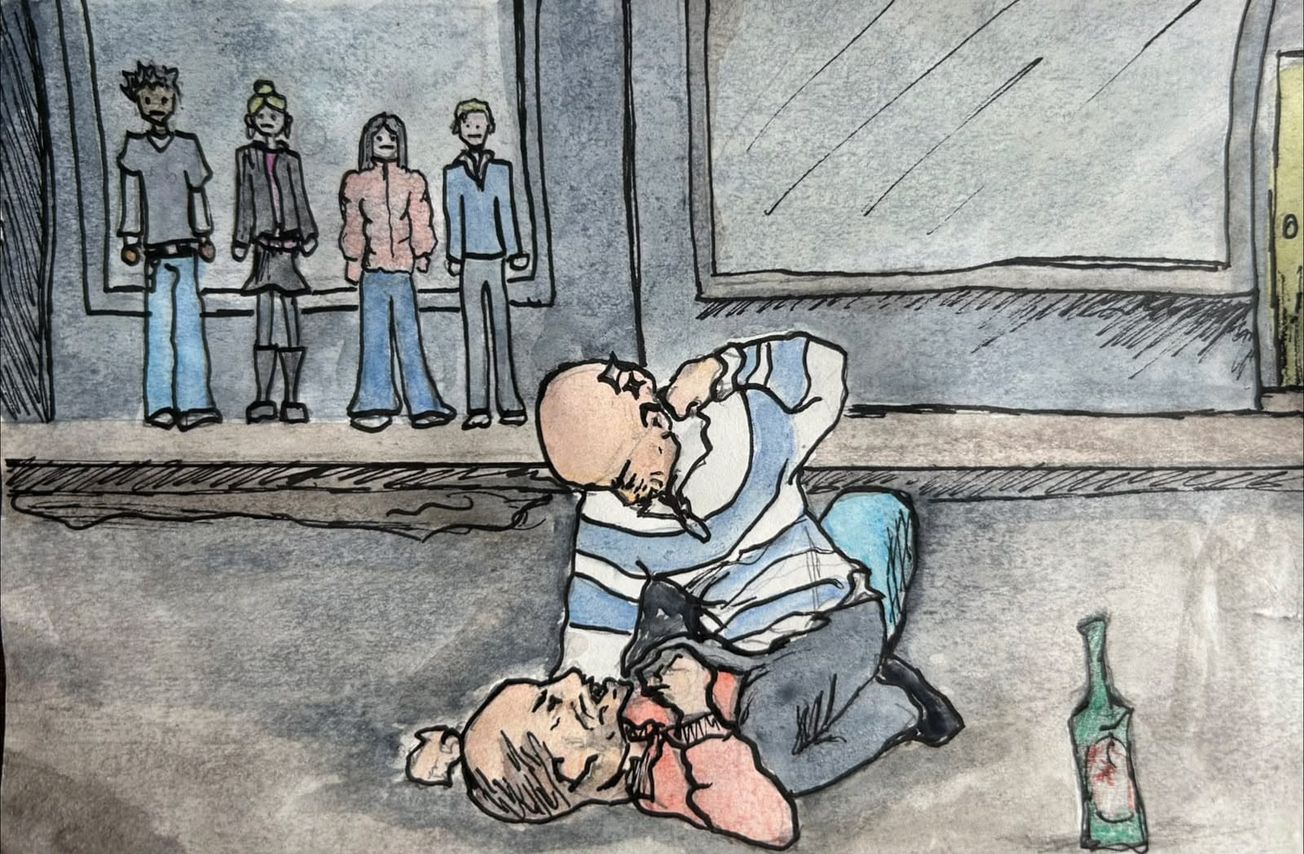
As my friend’s face bleeds and the smoking area audience of this LGBTQ+ inclusive night club swiftly lose interest in the thirty seconds of violence that transpired, the image of the safe space is tainted. A conversation about gay clubs and the perceived increase in heterosexual clientele is not a new or ground-breaking stance. Yet after watching my queer friend get attacked for asking male club attendees not to say the ‘F’ slur just outside its doors, I too am left questioning how safe an 'inclusive' LGBTQ+ space can really be. It is obviously difficult to discern the intentions of every club goer based on presentation, and clubs cannot take responsibility for the actions of their attendees outside the club doors; but why are these kinds of people drawn to a space targeted towards queer people?
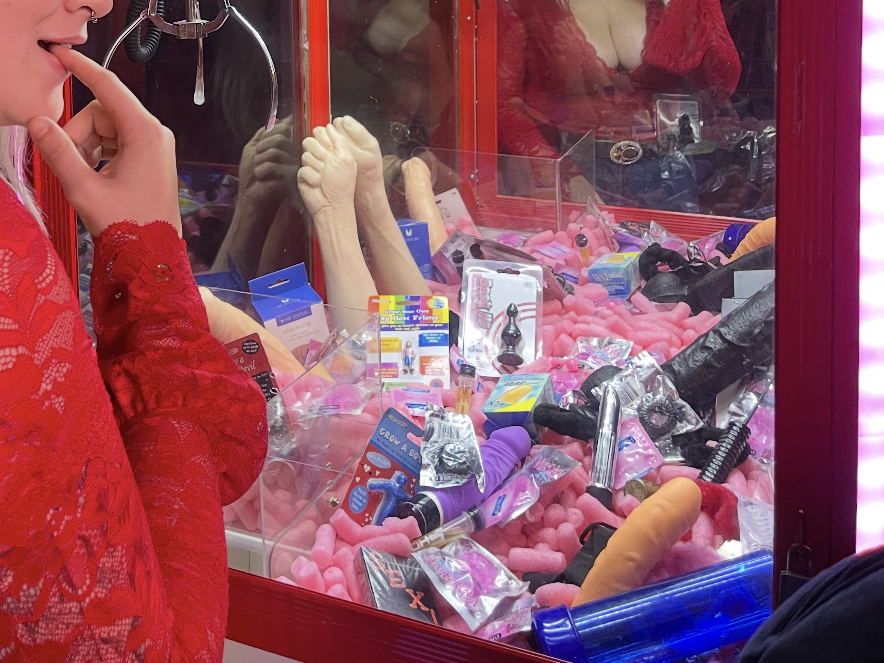
There exists a popular theory online which suggests that because straight women initially view queer spaces as a safe space to party, straight men begin to populate the same space in pursuit of whatever it is that straight men want. However, this theory disregards nuance and fails to consider how the businesses themselves may have encouraged this shift. Bristol's OMG, for example, appears to be gay in only name and aesthetics; with its hot pink themed interior and claw machine filled with lube, butt plugs and silicone dildos in the shape of a fist, it is clearly gay.
In my most recent visit to OMG I became victim to one of the biggest crimes a gay club can commit; I was bored. Possibly my biggest gripe about clubs like OMG is their music selection. Gay clubs often suffer from the choice of music a DJ thinks gay people will like. This can be bearable most of the time, but often makes it feel as if there is a complete disconnect between the actual queer community and “The UK's most electrifying” LGBTQ+ club. Why is Bruno Mars playing?
It is this disconnect between queer culture and queer aesthetics that makes these kinds of clubs feel like a low brow gimmick of both gay clubs and the gay community. In the case of OMG, its popularity has not suffered because of its gimmickey approach, rather quite the opposite. Their marketing as a student club accommodating majority het-presenting individuals has solidified themselves on the Bristol student nightlife map but has consequently pushed out its queer market.
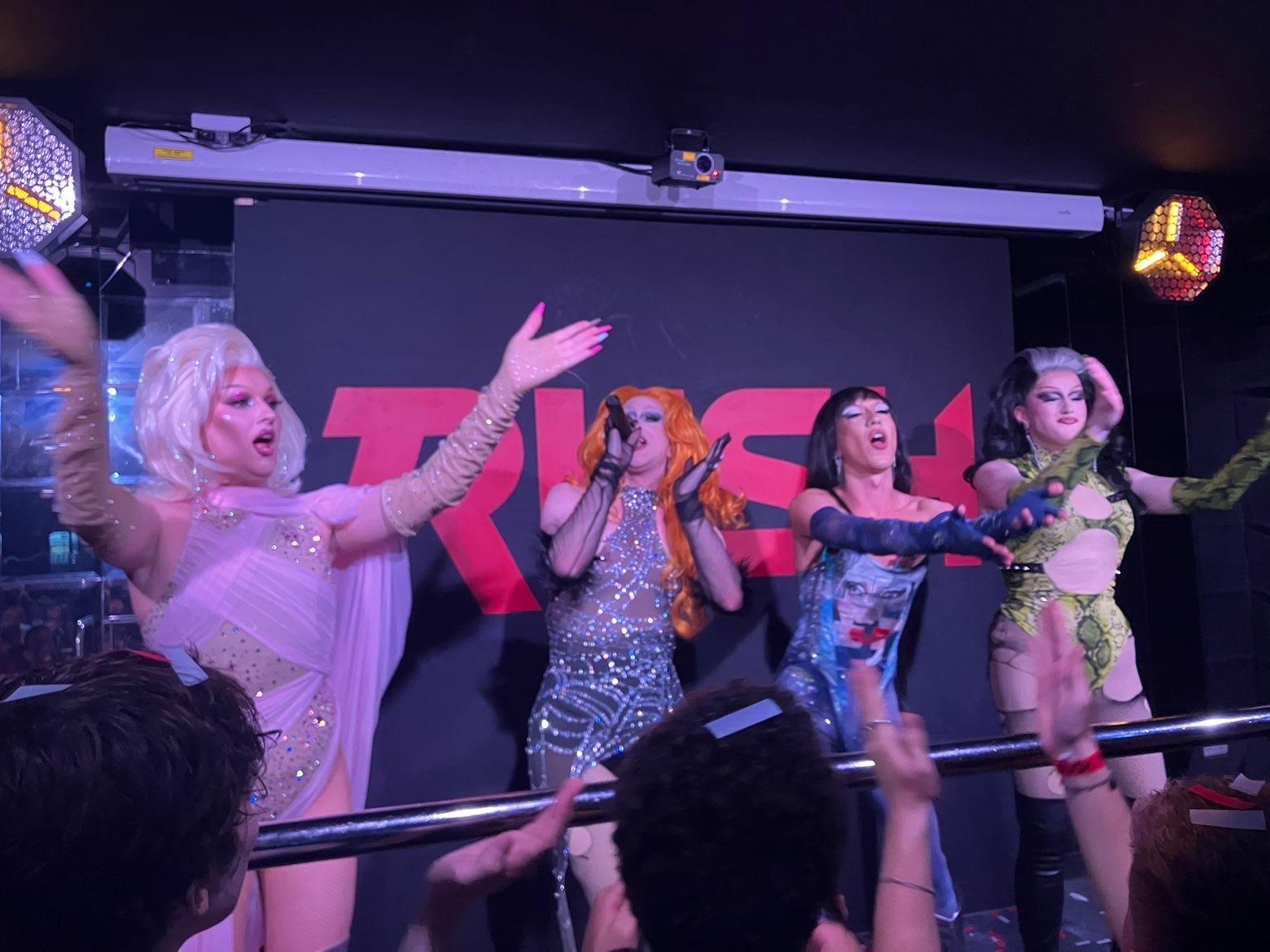
OMG is certainly not the only queer space that Bristol has to offer, with venues like Loco Klub and Lakota both holding events that are targeted towards queer people. However, these nights often lean towards the sex-positive and kink friendly genre of events. While this kind of environment does successfully filter out the cis-het crowds, it also risks alienating younger LGBTQ+ people and students who do not share this preference. Often these events are dress-code-specific to ensure the crowd understands the scene and belongs in the space, but not every queer person wants to go the club in latex...or nothing. This kind of LGBTQ+ nightlife fails to consider those amongst the queer community that just want a community space to drink and dance with their clothes on.
The issue of access in queer nightlife spaces can be complex to navigate, and I’m not suggesting OMG should become a sex club, but it is through this extreme approach that queer spaces often filter their desired crowds. Berlin, for example, is famous for its sex-positive queer parties that operate specific dress codes, and strict bouncers who are certainly not afraid to turn people away for no distinguishable reason.
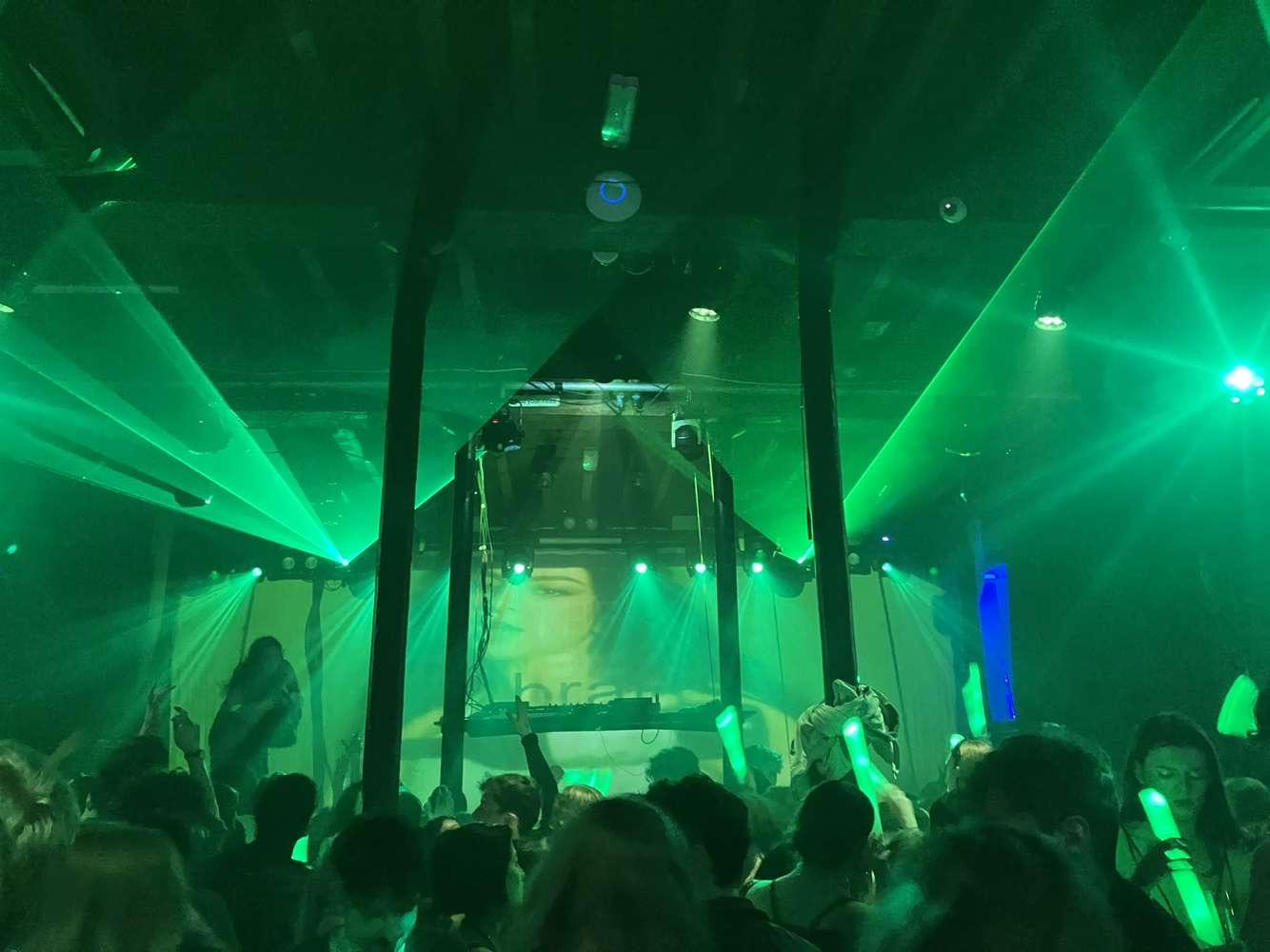
There have been other such attempts throughout queer history to keep spaces exclusively queer, such as playing gay porn on screens throughout the venue. This again may exclude the more sexually reserved of the LGBTQ+ community, making the venue primarily a sexual space.
Perhaps OMG does not need to introduce a dark room or blast pornography across its venues to re-establish itself as a queer venue. My suggestion would be to operate a stricter door policy for one night a week (maybe instead of their recently announced toast? party). On this night its bouncers deny and allow access to groups based on presentation, gender and size of groups to preserve and not overcrowd the club. Hiring local queer DJs, which I’m sure there is no shortage of in Bristol, may also regenerate the space as both safe and queer.
 Meg Pantry
If feeling displaced in spaces that are supposedly targeted towards you feels all too familiar, don't be disheartened. There are many venues and student societies in Bristol organising and facilitating brilliant nightlife for Bristol's queer population. You just might not have heard about them from your majority straight flatmates! That's why we in the Community section will be spotlighting a new queer nightlife space, society or event in Bristol every month in the coming months. Keep an eye out for your new favourite spot, vouched for by students.
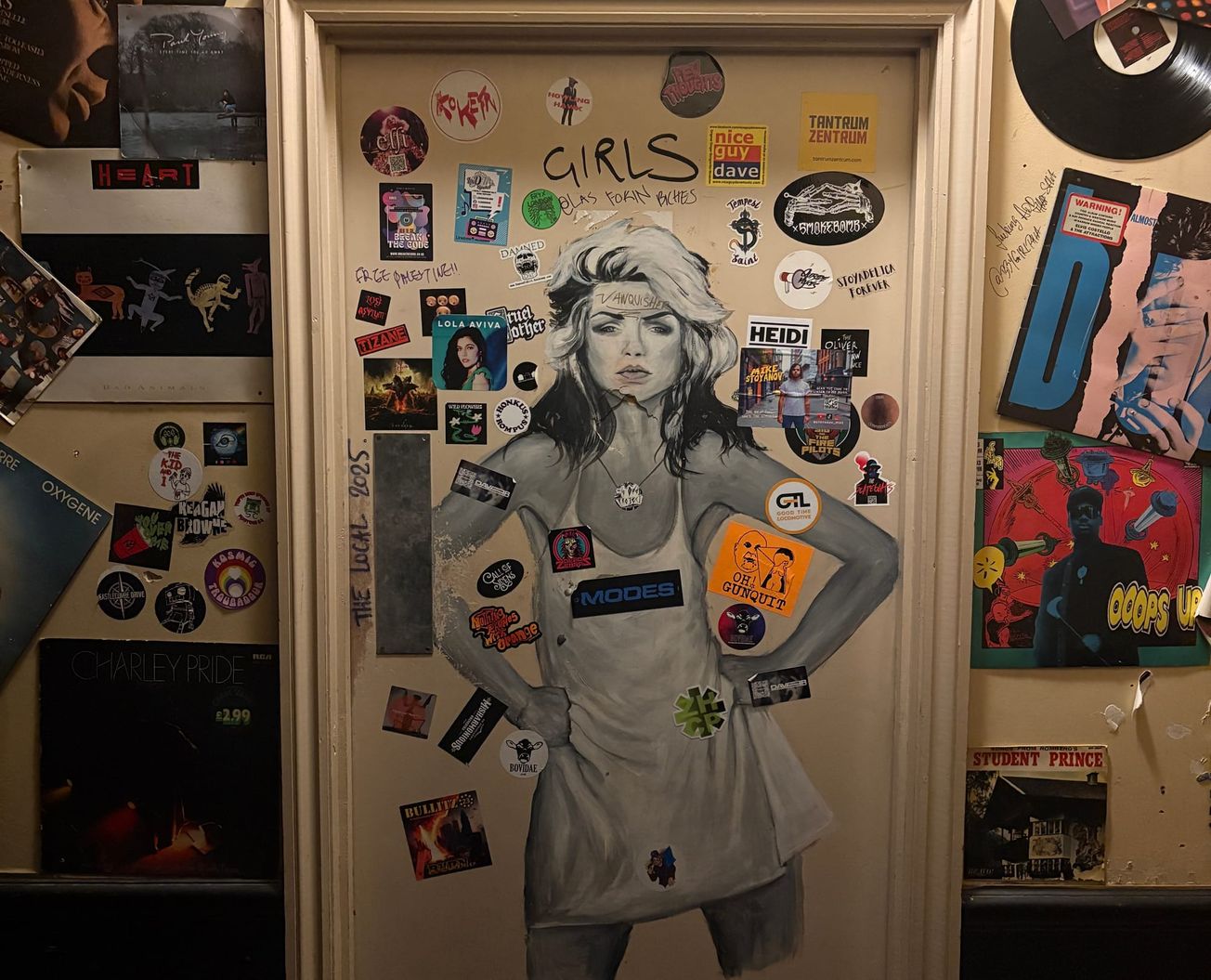
Featured Image: 'Club bathroom' | Epigram / Grace Rose
Do you have any favourite clubbing spots?