By Harry Gillingham, Second Year, Politics and International Relations
Jafar Panahi’s Palm d’Or winning political thriller, It Was Just an Accident (2025), proves once again why he is one of Iran’s most important directors working today. Panahi has endured imprisonment twice upon the charges of ‘propaganda against the state’, just this year facing a third during his international film tour. This followed a two decade long ban on travel and film making.
A time in which he secretly continued making illicit films, such as his aptly titled 2011 work This Is Not a Film, filmed entirely in his own home and smuggled abroad, Panahi’s resistance continued in 2015 with Taxi. Shot under the guise of his formal occupation, he captured locals of Tehran who sat in the back of his taxi. And yet, in a recent interview, he asserted his intention to return to Iran despite the charges he faces. Panahi, as a person and a filmmaker, represents the triumph of an individual to maintain one’s selfhood against the backdrop of authoritarianism.
We begin the film following a man named Eqbal, his wife and daughter driving down a country road until their car breaks down from mistakenly hitting a dog. This leads Eqbal to pull into a garage for repairs, owned by the mechanic Vahid. Our perception is initially constrained to this conventional setup, until our gaze is suddenly warped to Vahid and his dubious glances toward Eqbal, who has a prosthetic leg, limping into his garage. It is this encounter, caused by a simple accident, that sparks events that unravel deep into the depths of a political thriller.
Based on his voice and the squeaking of his prosthetic leg, Vahid, who we learn to be a former political prisoner, is convinced that this man tortured him years prior. He kidnaps Eqbal in his van, preparing to kill him, but Vahid begins to question whether this really is his former captor since he was blindfolded during his detention. What follows is a dream-like odyssey, ranging from a desert to the streets of Tehran, where Vahid enlists the help of an eclectic group of formerly acquainted political dissidents in deciding whether it is in fact their captor and, if so, what to do with him.
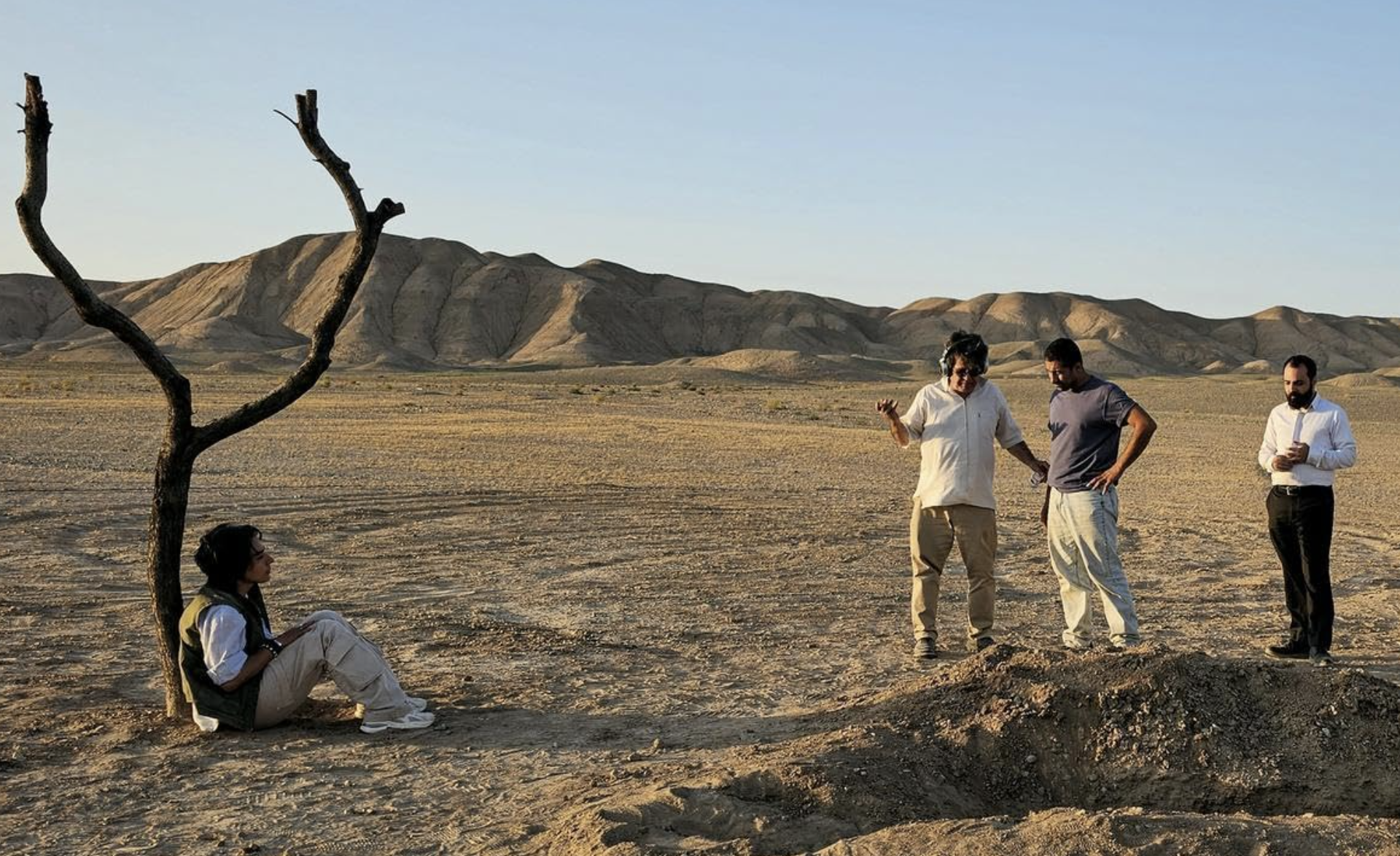
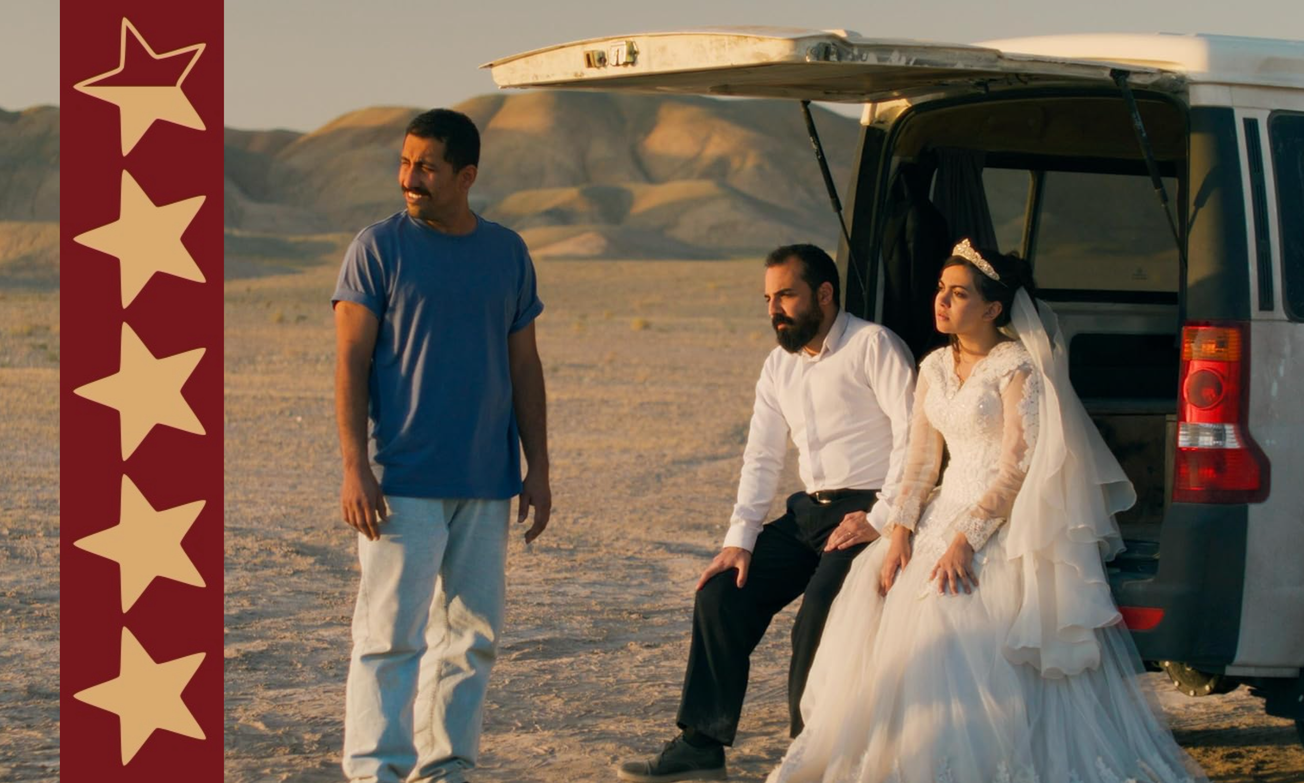
For a film concerned with state brutality, the nature of retribution and the psychological altering of the individual upon oppression, It Was Just an Accident is equally perversely hilarious. The abducted subject lies in a casket, as characters ranging from a wedding photographer, a bride and groom and a quick tempered townsperson farcically bundle into Vahid’s van one by one. Each muddled over the identity of the kidnapped man, they squabble and collapse into a chaotic frenzy. Later on, they are made aware that the man’s wife is going into labour. Naturally, they pick her up and take her to hospital with her husband hidden in the casket next to her.
Then, following the birth, politely chip in for a congratulatory gift. The way the narrative shifts from drama to absurdity, however, captures the heart of the film. For it is this tonal dissonance that reflects the surreal condition of attempting to live a life of normality under a state that has caused you so much trauma.
It was just an accident is a tonal balancing act, yet never does its grasp neglect its core empathy. The presentation of seemingly ‘normal’ people contrasted with the violence they wish to enact, constructs the dichotomy between the audience's perception of reality and their disconnect from the lived human experiences that underscore the contortion of that reality. The nature of violence that one can perceive as brutality, is a perception that has not lived the condition it was born from.
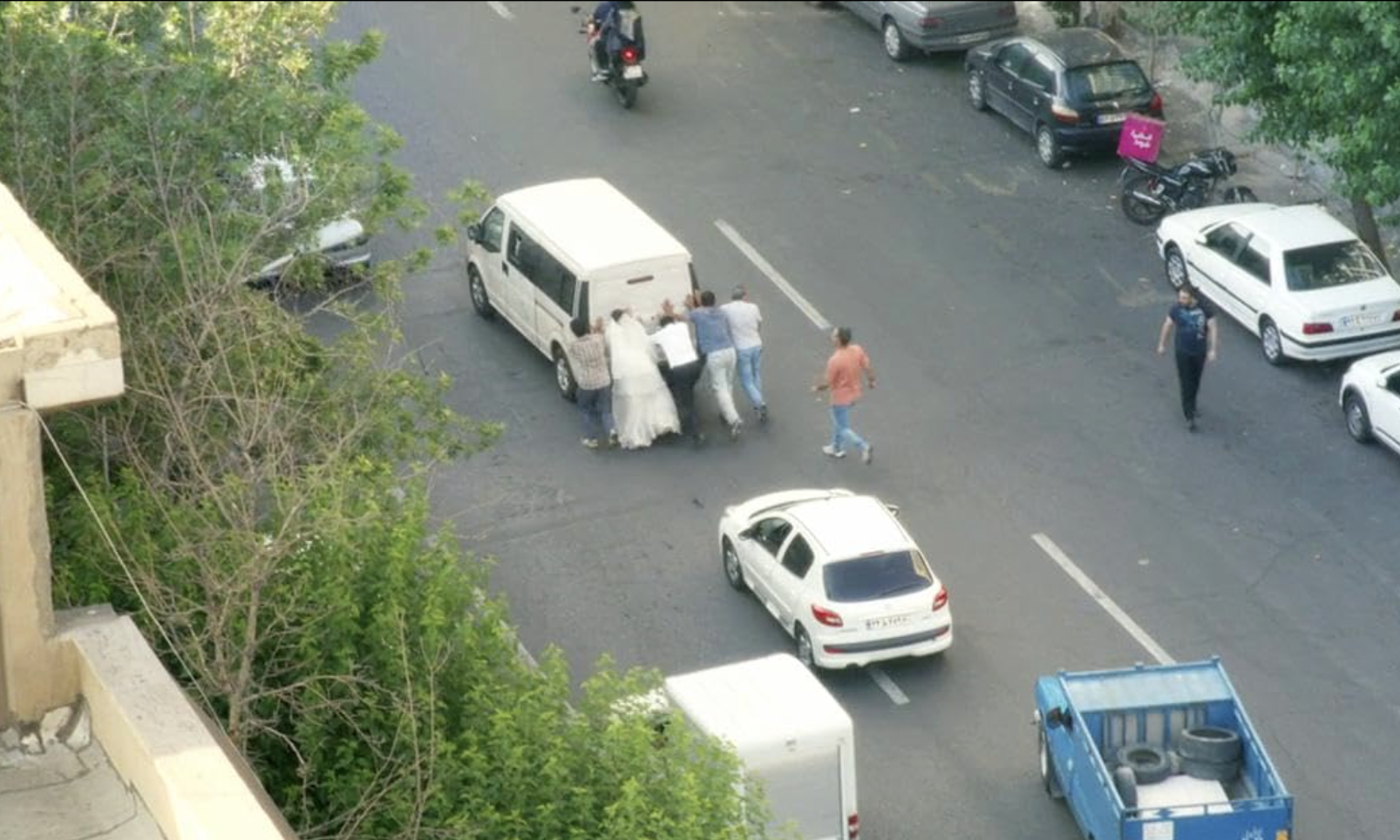
As we walk the roads of our cities and work our jobs, we do not expect ghosts to hang at every corner, for our normality to be a construction from that ghost’s image. Where the roads we drive are a palimpsest of tyranny and a woman wearing a wedding dress nonchalantly coexists with that tyranny. Until her wedding veil is slightly tilted, and her gaze sees the roads give way to barren sands holding in their palm all the brutality that sits beneath the dust. Until the regime’s guise of architecturally constructed normality is unraveled, and a bride to be's vision of the future is confronted by the muddying of her pure white wedding dress by the shadows of trauma projected onto her.
The coexistence of blunt normality and absurdity reflects the lived experiences of survivors, dissociating from the trauma that one stands upon in order to continue walking to tomorrow.
 Felix Glanville
Jafar Panahi speaks about his own experience of being blindfolded and interrogated, where you become ‘engrossed in trying to guess and determine who this interrogator is’. Such personal nuances of a political prisoner’s psyche are a moral presence within every scene. An amalgamation of tension, where the interiority of one’s personal humanity battling with how to respond to exterior oppression reverberates in every moment of farcical indecision and tangential gag.
It Was Just an Accident distills all these tonal layers into an all encompassing outburst of humanity’s voicing of the unspeakable, culminating in the film’s final long shot providing perhaps the most ominous and enduringly thought-provoking endings of the year.
Featured Image: IMDb / Hary Gillingham| Illustration by Epigram / Sophia Izwan
Do you think It was Just An Accident will do well around the awards circuit?