By Charles Hubbard, Second Year, Theatre and Film
When watching Guillermo Del Toro’s long-waited adaptation of Mary Shelley’s foundational 1818 novel Frankenstein (which dropped on Netflix this Friday after a muted festival reception and limited theatrical run), it’s impossible not to think of Robert Eggers’ Nosferatu (2024).
Both films come from undeniably brilliant and idiosyncratic arthouse favourites whose visual sensibilities and thematic interests are so honed at this point, they’ve practically formed their own genre within the wider subset of adult fantasy cinema. Both films are also adapted from two of the most famous literary texts of all time and have been longstanding passion projects for their respective directors. So why, considering the significant skill of their helmsmen and their outspoken ardour for the source material, do both films come away feeling like gigs for hire made in between riskier, more ambitious projects?
That’s not to say that Del Toro’s Frankenstein is bad or unimaginative by any means - you’d sooner find a PG-rated Tarantino film that a Del Toro joint lacking in imagination. In fact, Del Toro’s efforts to try and adapt the book holistically for the very first time is noble and it’s a shame that it took almost a century of big-screen adaptations for Shelley’s novel to be presented to audiences wholescale. And yet, even with a mega Netflix budget, an extremely committed cast and almost total creative cart-blanche, Del Toro doesn’t seem to have anything to say about the material that wouldn’t be found in your average GCSE English essay.
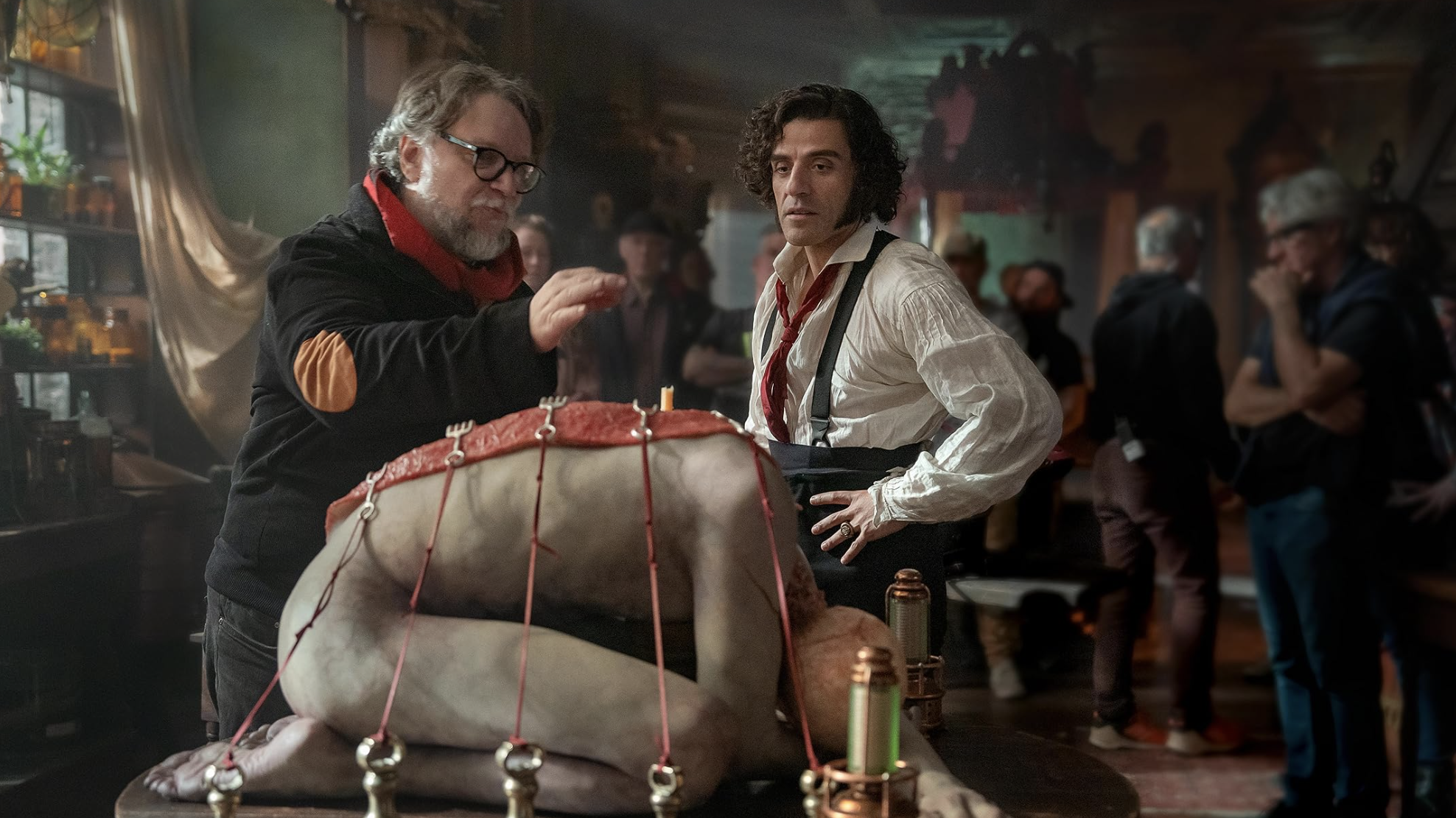
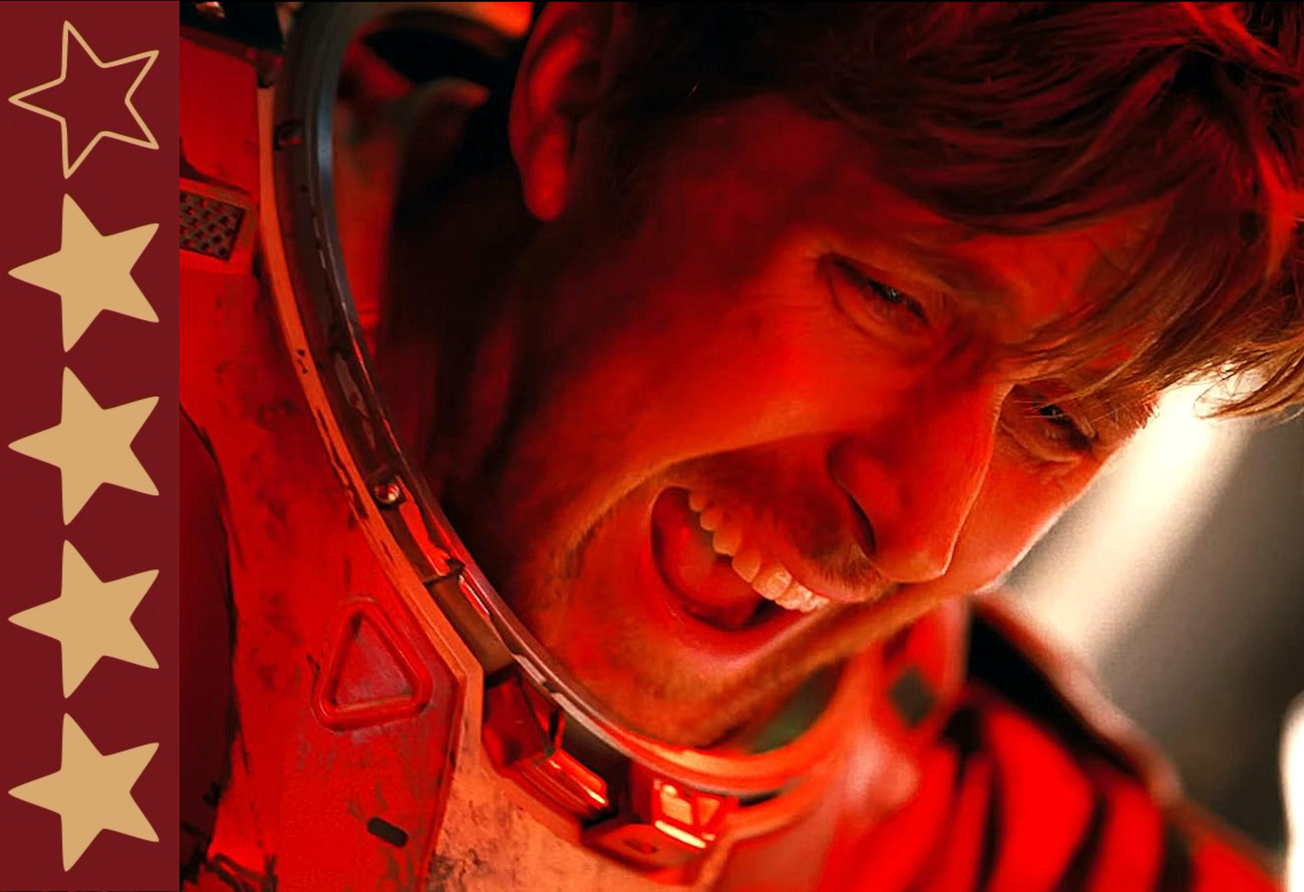
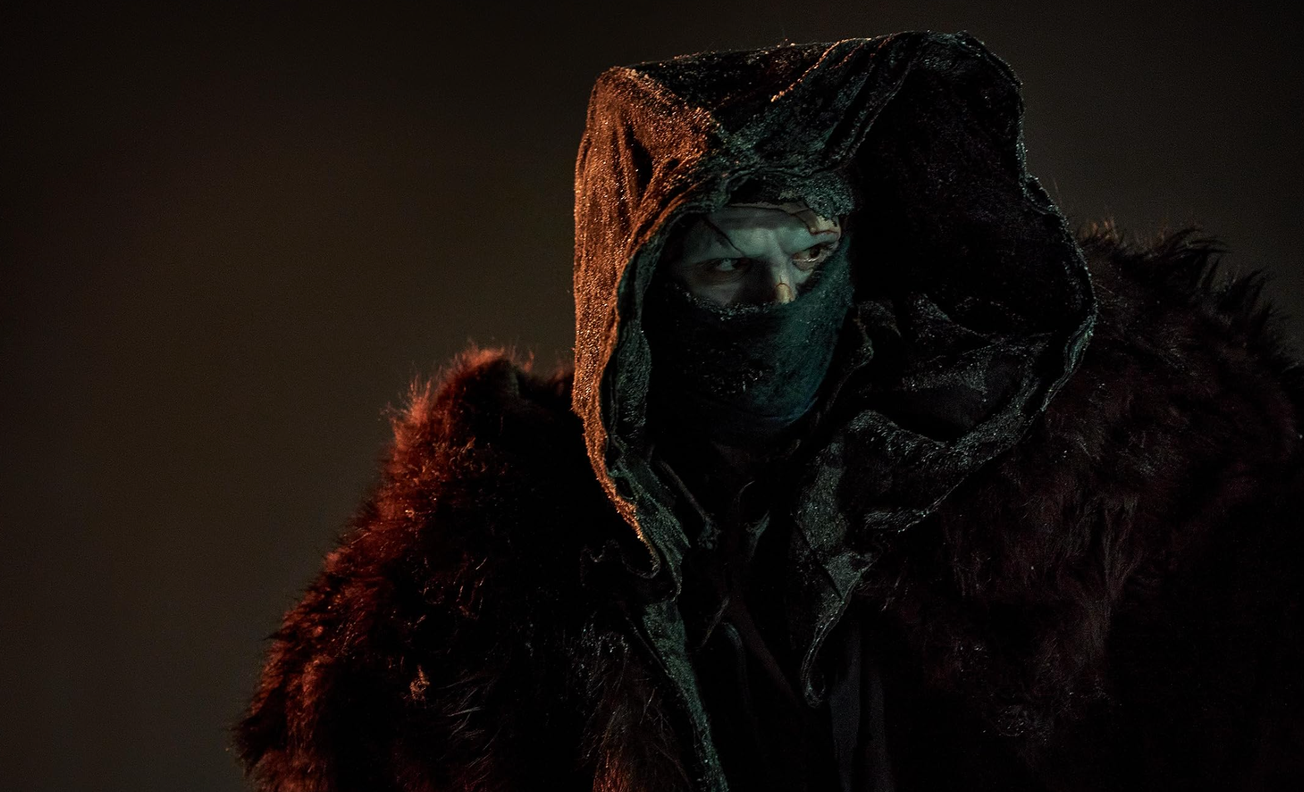
The film adheres so rigidly to the formula of Shelley’s original novel that it might appear almost unrecognisable to audience members only familiar with other cinematic versions of the story, all of which have taken extensive liberties with the source material. Starting with a bulked-out framing device that depicts a tundra voyage running across Victor Frankenstein (Oscar Isaacs in scenery-chewing mode) as he is hunted relentlessly by the Creature (Jacob Elordi, still a smokeshow under all the makeup), the film maps out how Frankenstein and his creation got there and the mental toll it took on them both.
Very few details from the original novel are spared, from Frankenstein’s glaringly Freudian attraction towards his mother to the mid-film perspective flip to the Creature that aims to deliberately test where the audience’s sympathies lie. While I certainly appreciate and understand Del Toro’s purist approach, the slavish recreations of the novel’s structure often prevent the film from properly standing on its own and sometimes cause sections of unintentional humour.
In particular, the moment when the Creature says ‘Let me tell you my tale’ and it cuts to a text card saying ‘Part II: The Creature’s Tale’ feels right out of The Grand Budapest Hotel (2014), and not in a good way. In general, the script’s over-reliance on constant voiceover narration gives the impression that the audience are too dim to pick up on basic subtext and means that Del Toro’s characteristically stunning visuals are rarely allowed to speak for themselves.
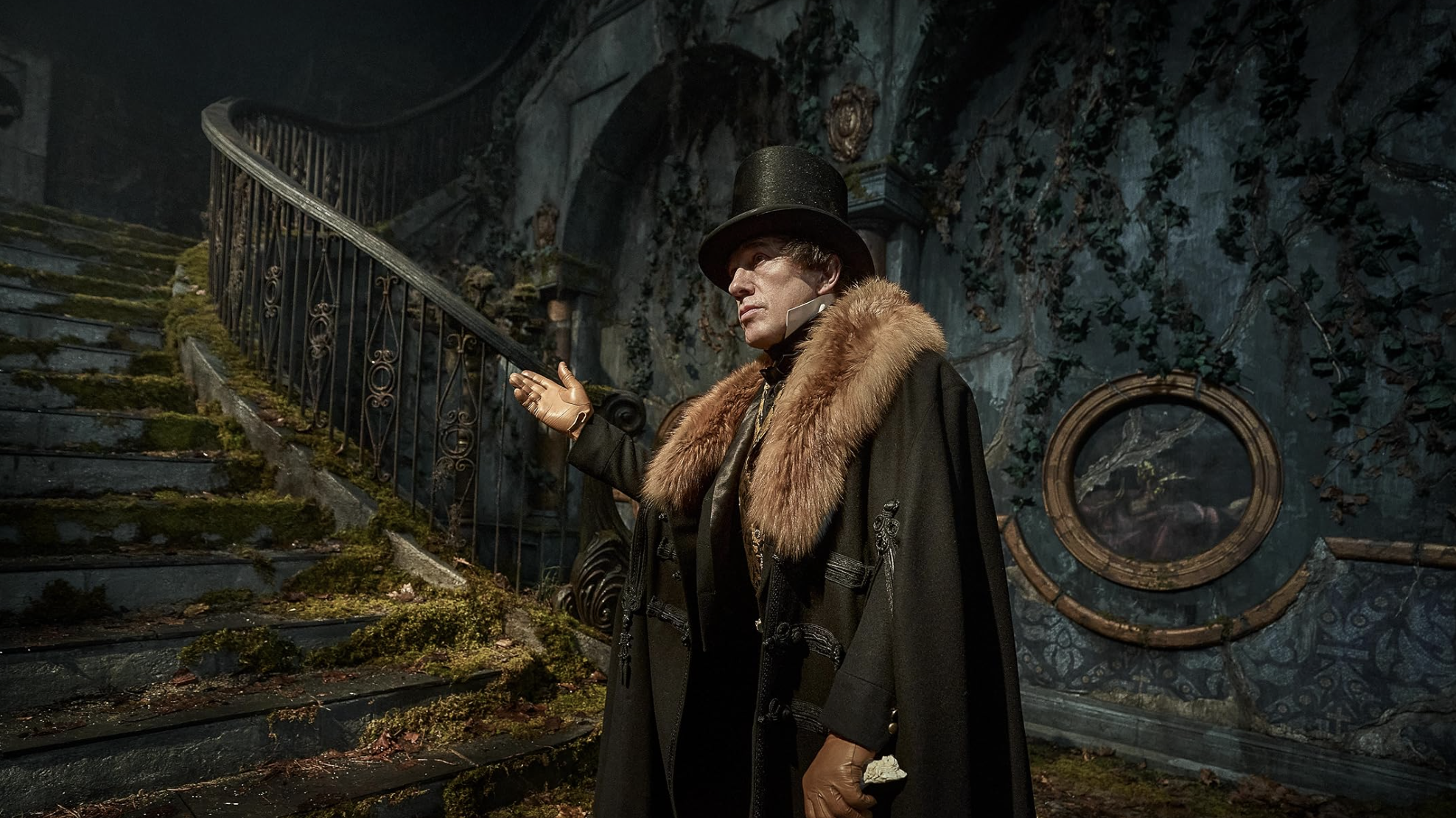
However, to say that the film is lacking in visual power would be a gross misjudgement. There’s plenty of luscious, balletic, floating-camera long takes to showcase the grandiosity of Tamara Deverell’s gigantic sets, even if it sometimes feels like Del Toro’s stealing a few tricks from his close friend Alfonso Cuarón. Despite the novelistic structure, the film’s pacing never drags and the intimidating 159 minute runtime practically flies by when compared to Del Toro’s frustratingly sluggish Nightmare Alley (2021), which might end up being the last of his projects to get a proper theatrical release. Like Eggers with Nosferatu, Del Toro fully leans into the over-the-top gore of the process that produces the Creature. There’s plenty of fun to be had here with missing eyeballs and sinewy tendrils - a welcome result of the 15 rating that another, less established filmmaker may have shied away from.
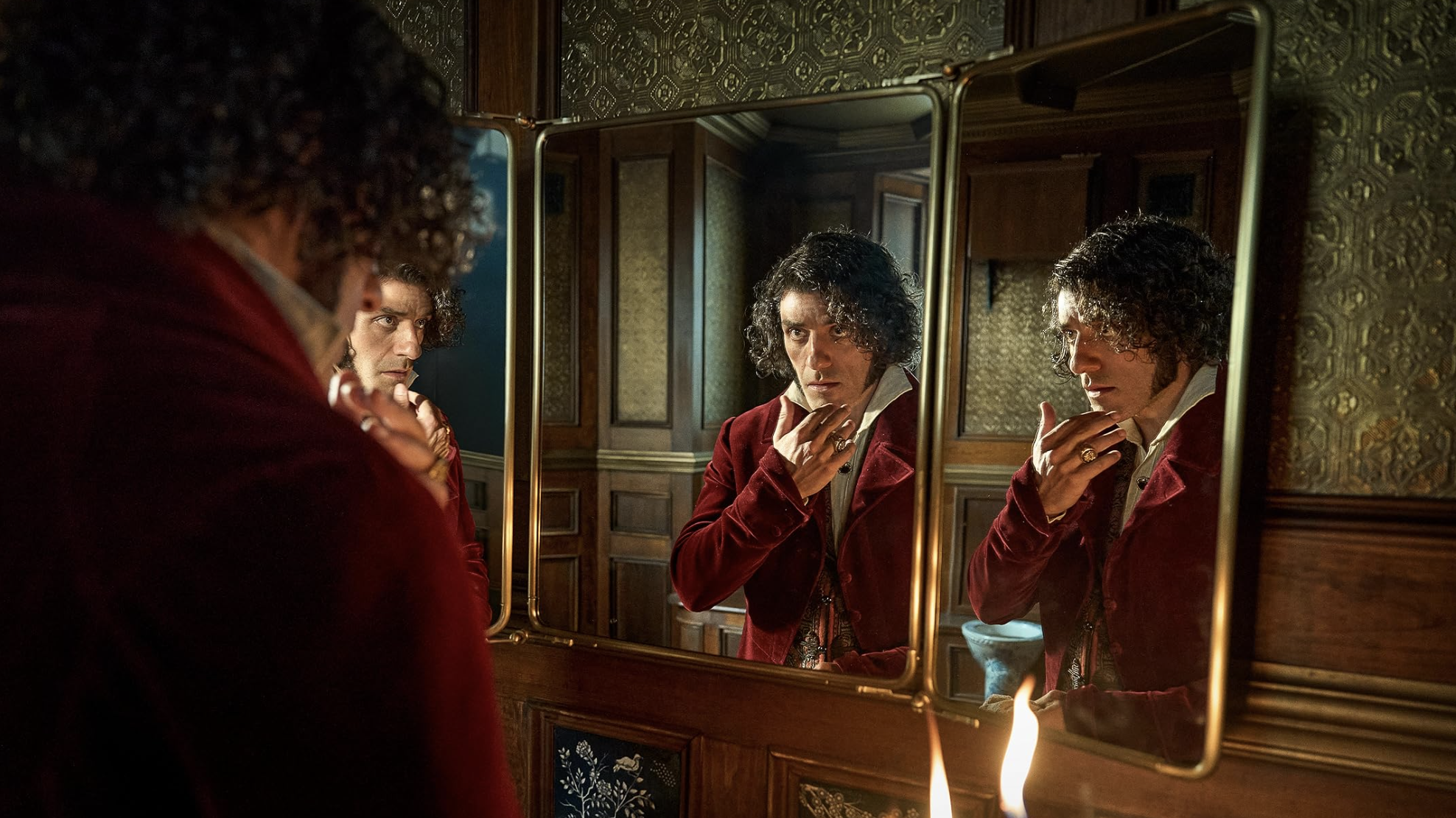
Oscar Isaac’s performance as the titular mad scientist has unsurprisingly come under a lot of fire for being excessive and extravagant. This is strange as it feels like this is exactly the assignment for playing someone unhinged enough to stitch rotting corpses together in the hopes of creating new life. While Isaacs does indulge in a healthy amount of showboating and scenery-chewing, he reaches Meryl Streep-esque levels of subtlety when compared to Kenneth Branagh’s even louder and shoutier take on the role in his 1994 retelling of the story, in which Robert De Niro played the Creature. So I suppose all Frankensteins should probably be graded on a curve.
Jacob Elordi, always better suited to playing bizarre, twisted caricatures of stereotypical masculinity than regular human beings, is certainly dead-on casting for a hulking beast in search of his own humanity and handles the switch between being a wounded, sympathetic lost puppy and a terrifying monster with a steady hand. However, the design of the Creature leaves a lot to be desired. The role was initially supposed to be played by Andrew Garfield (who is much closer in age to Isaacs) and Del Toro reportedly spent months tailoring his design to Garfield’s body but then had to scrap the whole thing for the much taller Elordi when Garfield dropped out. I’m afraid this hurriedness shows in the final product as the Creature looks more like the music video for ‘Somebody That I Used to Know’ than Shelley’s original description of the character.
It’s difficult to seriously fault a film that manages to wrestle the majority of such a sprawling novel onto the big screen with such panache and confidence. In fact, if this was made by a director without an Oscar under his belt, I’d probably be proclaiming it a masterpiece. But for a mind as fascinating as Del Toro’s (I personally prefer watching his interviews to revisiting any of his actual films), I’d be lying if I said I didn’t expect something a tad more sophisticated from what has reportedly been his white whale for his entire career.
I guess sometimes, like with Frankenstein and the Creature, when you spend so long working on something, you run the risk of spoiling its chances of flying high. Fortunately, unlike the creature, this film is yet to murder anyone.
Featured Image: IMDb
Have you managed to catch Del Toro's Frankenstein on Netflix?