By Izzy Geddes, Epigreen Columnist
Bristol is renowned for its music scene and its environmental prowess, and Forwards Festival is an exciting culmination of the two. From hydrogen-powered stages to compostable cutlery, Forwards offers a glimpse into a sustainable future where innovation abounds. I spoke to Charlotte Jackson, a member of the sustainability team at the festival, to get further insight into what goes on behind the scenes to create such an inclusive space.
With a connection to nature from an early age, passed down from her grandparents, Charlotte acknowledged how climate change has been marketed as a passive process, something that we have little control over. But her work at Forwards strives to change that perspective. As live events are going to be increasingly affected by extreme weather events (particularly poignant considering we were standing in a downpour of torrential rain...), the effects of climate change can and will severely hamper people's experiences.
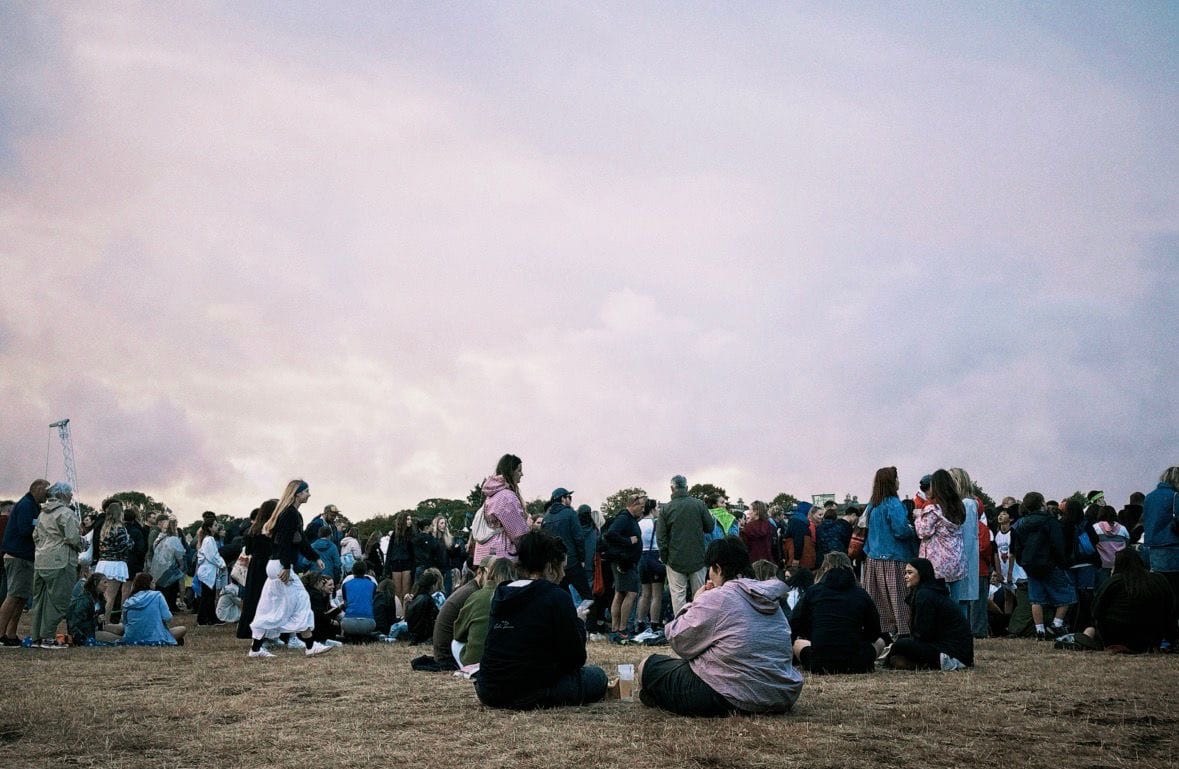
The festival made a pledge, displayed on screens in between sets, that outlines the sustainable ethos fuelling the event. This involved providing ethically-sourced food, reducing travel emissions to and from the festival and employing circular systems throughout to minimise waste. Great emphasis is also placed on interconnection, encouraging partnerships with local businesses and providing a space for local artists to exhibit their work. All this effort helps to reflect the green ethos of Bristol.
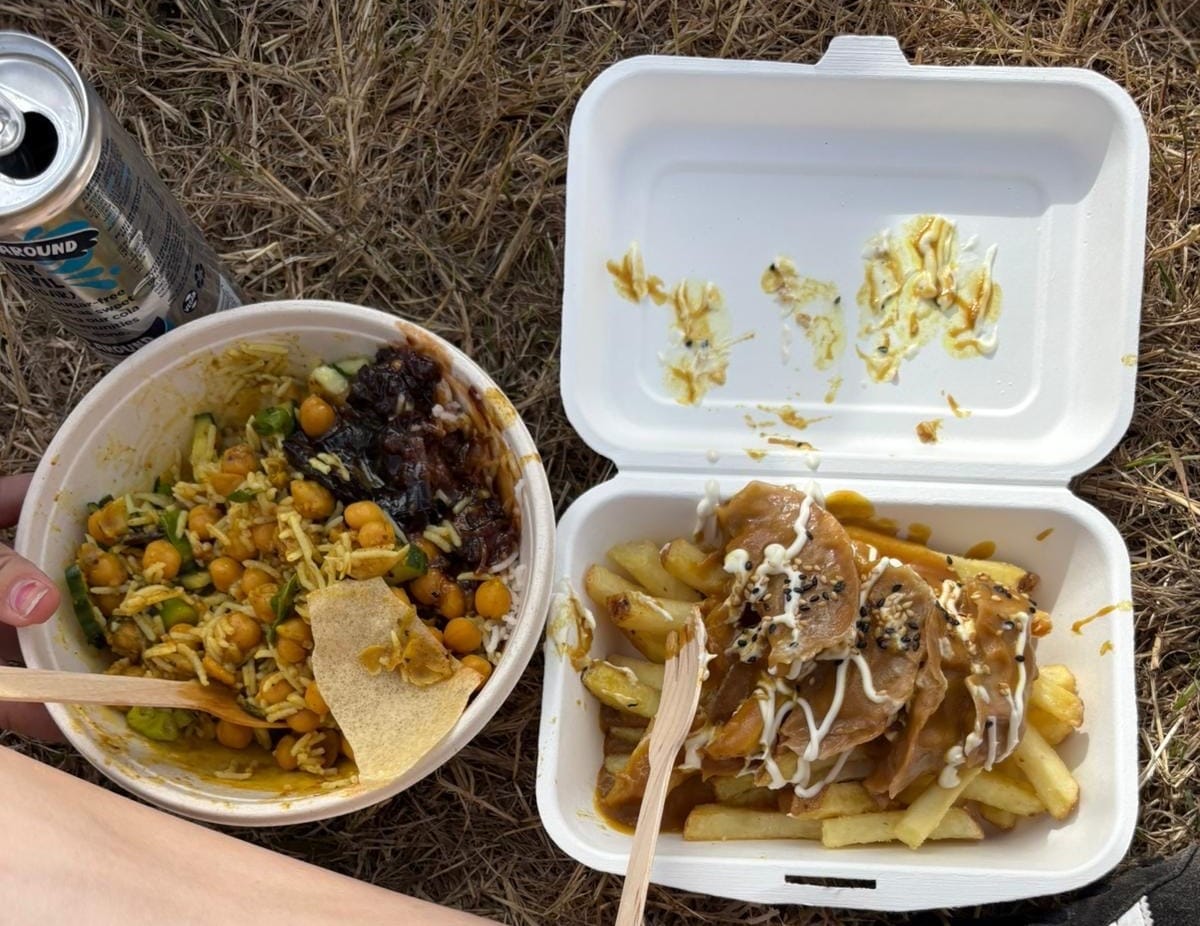
A notable partnership is with Team Canteen, an organisation working to support and uplift grassroot food organisations. This can involve providing kitchen spaces for pop ups, bar services, food provisions and even cooking classes. At the festival, this manifested as a diversity of plant-based/vegetarian options with one available at every trader, while also offering a stage for chefs to share their culinary traditions and cultures. Inspiring work was also done by Onboard Earth - a company aiming to cement low-carbon travel as the default option for live events. Having developed various carbon calculators, events can use these to track their emissions and then refer back to the company for practical advice on how to reduce them effectively. These partnerships demonstrate how sustainability has to be a collective movement and are encouraging proof that amazing work can be achieved when people work together.
Another point of the festival's pledge was to invest beyond itself, to carry on the ethos of the festival beyond a singular weekend. These partnerships are a significant part of that, and Charlotte also highlighted connections with Bristol Avon Rivers Trust as particularly notable. She described blue spaces as ‘the lungs of our city,’ but they have been tampered with through constructions such as man-made weirs and channel straightening. A group of young creatives were taken out to the river to see what invertebrate species could be found, showing how ecologically vital these spaces are but also demonstrating their accessibility. Videos of their excursion were also displayed on screen between sets, encouraging festival-goers to explore their local blue spaces.
Festivals can be famously environmentally-degrading to their venues - for example Glastonbury did not take place this year to give the land time to heal. Therefore, it is reassuring to see these concerns addressed and work towards mitigation and rehabilitation occurring. The Downs are a Site of Special Scientific Interest - areas protected by the government for their diversity and scientific significance - so it is particularly vital efforts are made to leave as little trace of the festival as possible.
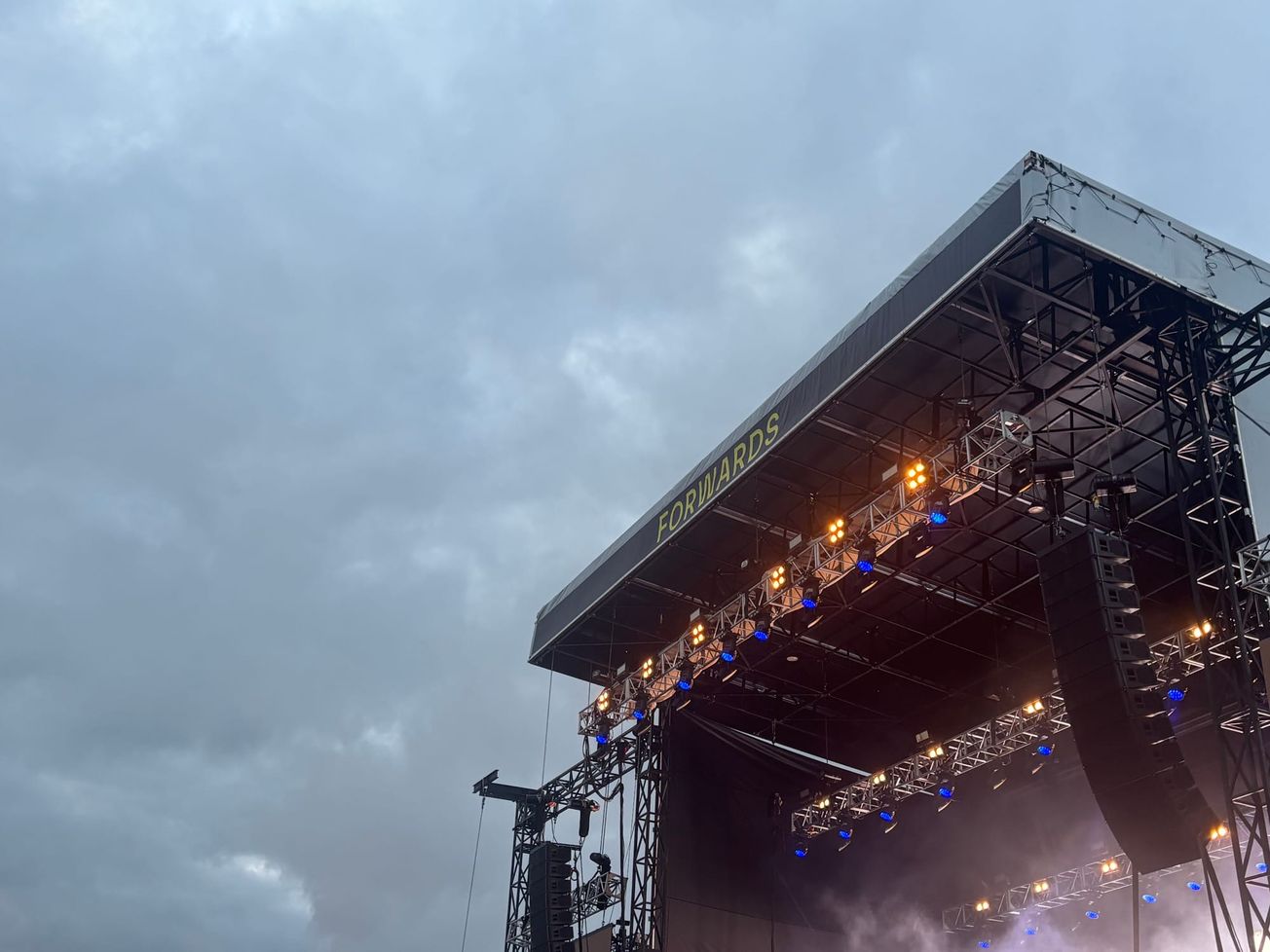
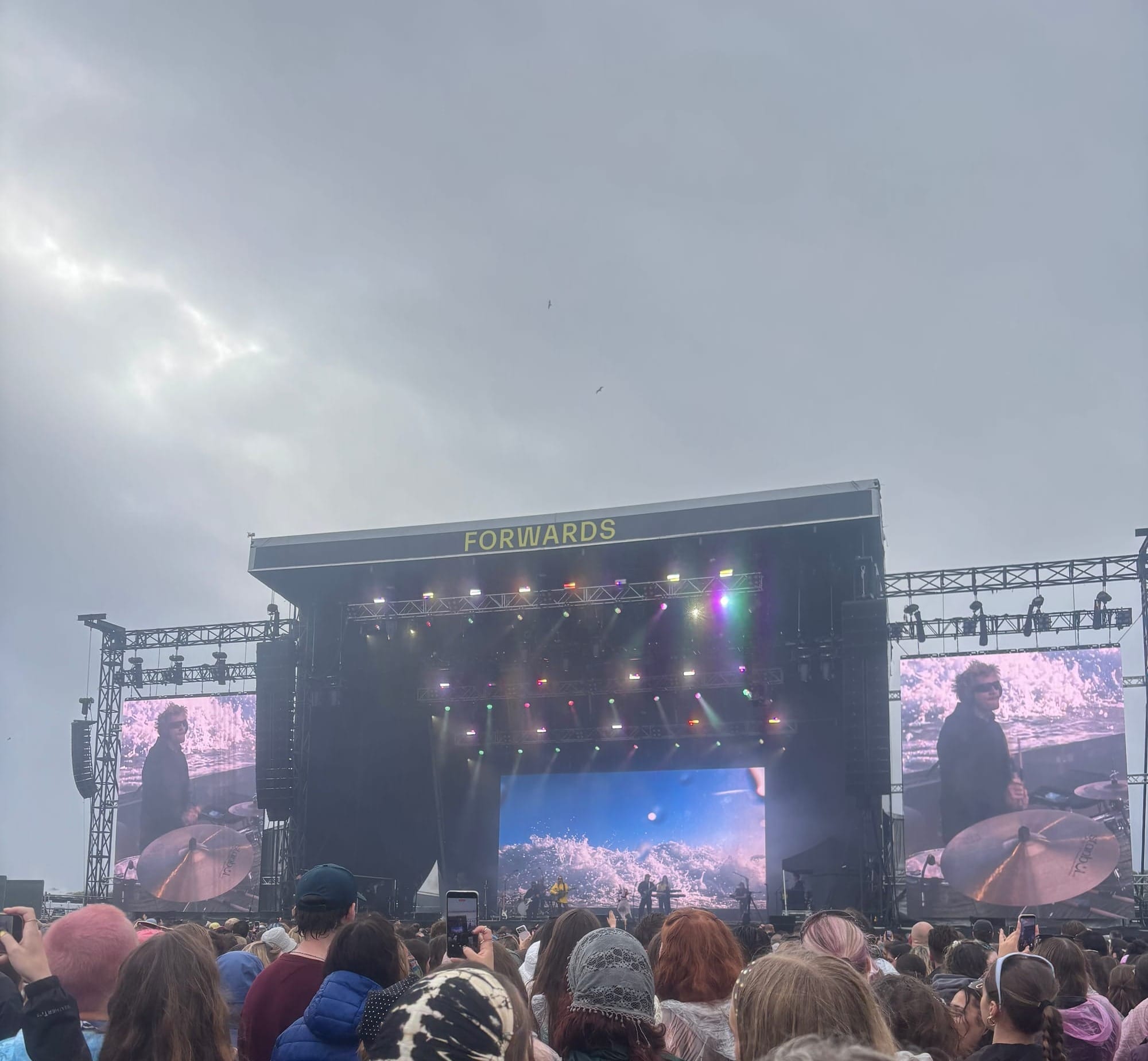
The festival has also been taking meaningful strides to disentangle fossil fuels from production. Arguably, the most impressive feat of the festival is that the main stage is powered through hydrogen, of which the only by-products are drinkable water and steam. Charlotte highlighted the net-zero effects of such a stage, with the hydrogen-power coming from Lincolnshire where it is generated using solar power. She also drew attention to another circular system through the brilliant composting initiative implemented across the site. Separate bins for different materials were readily available across the site and all waste collected is then taken offsite to be composted - over 60 per cent of their waste is composted or repurposed in fact. Recycling innovations could be found across the site, from mycelium soundproofing material to oil film pot ashtrays!
People are encouraged to be active in the festival's sustainable efforts by using the correct bins, enjoy the plant-based options on offer, or attend a talk at The Information tent to educate themselves on why sustainability is so important. There were various panels discussing inspirational stories from cultural issues to current affairs. Topics included food inequality, our relationship to nature and community, and tackling the rise of Far Right ideology. Sustainability is not solely focused on environmental concerns, but social and economic issues as well and Forwards has done well to remember that.
 Ellie Barnes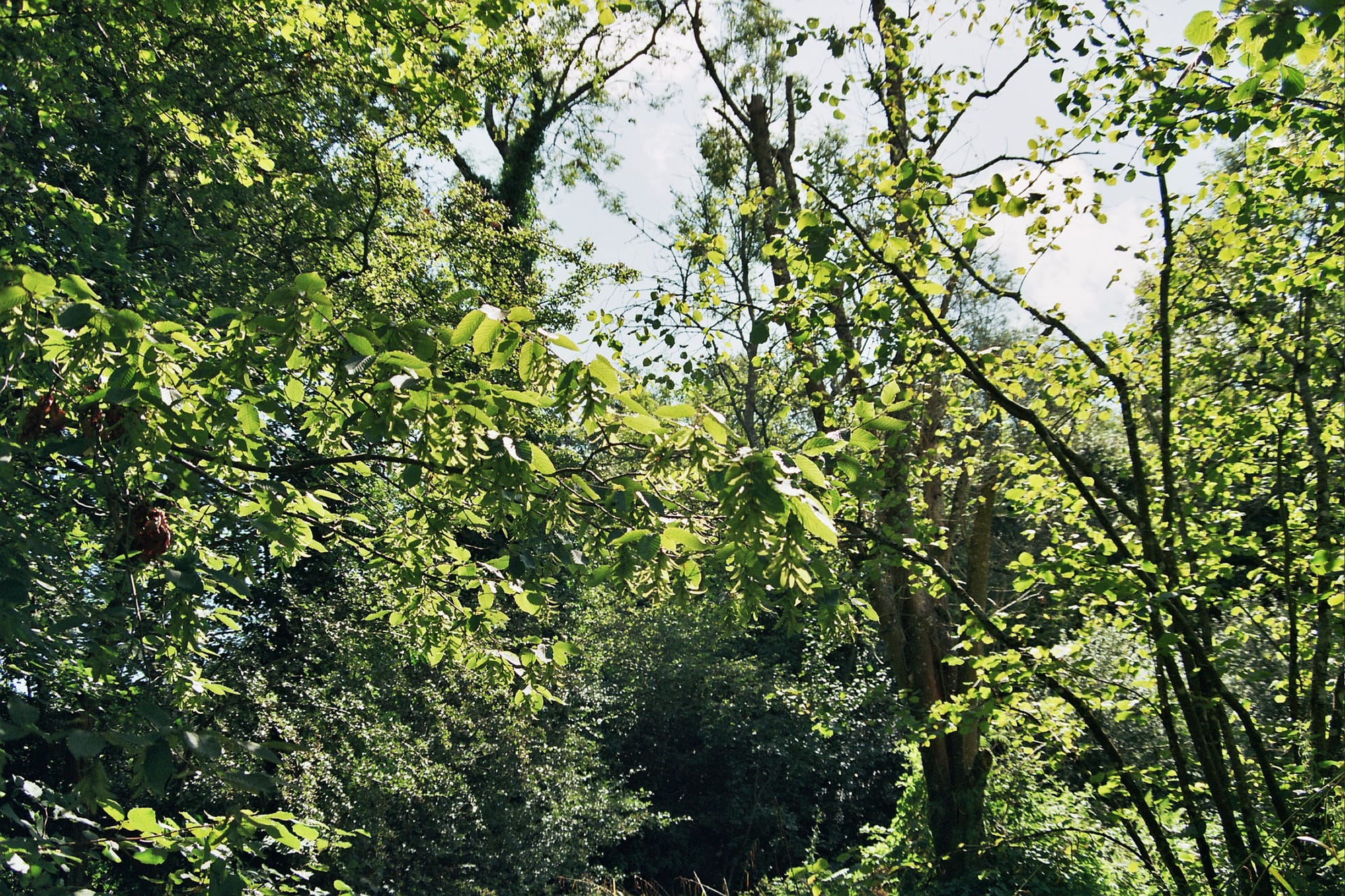
When asked about the relationship between sustainability and music, Charlotte emphasised how these creative spaces are so uplifting and connecting it becomes natural to direct that energy towards the causes that truly need it. It generates endless potential for good. Music incites joy, and while it is ‘easy to feel powerless and overwhelmed there is still a lot to celebrate.’ She described producing Forwards with such a focus on sustainability ‘an absolute joy.’
Featured Image: Epigram / Izzy Geddes
Is Forwards Festival offering us a glimpse into the future of live events?