By Romina Trevino, Liberal Arts
Poltergiest (1982)
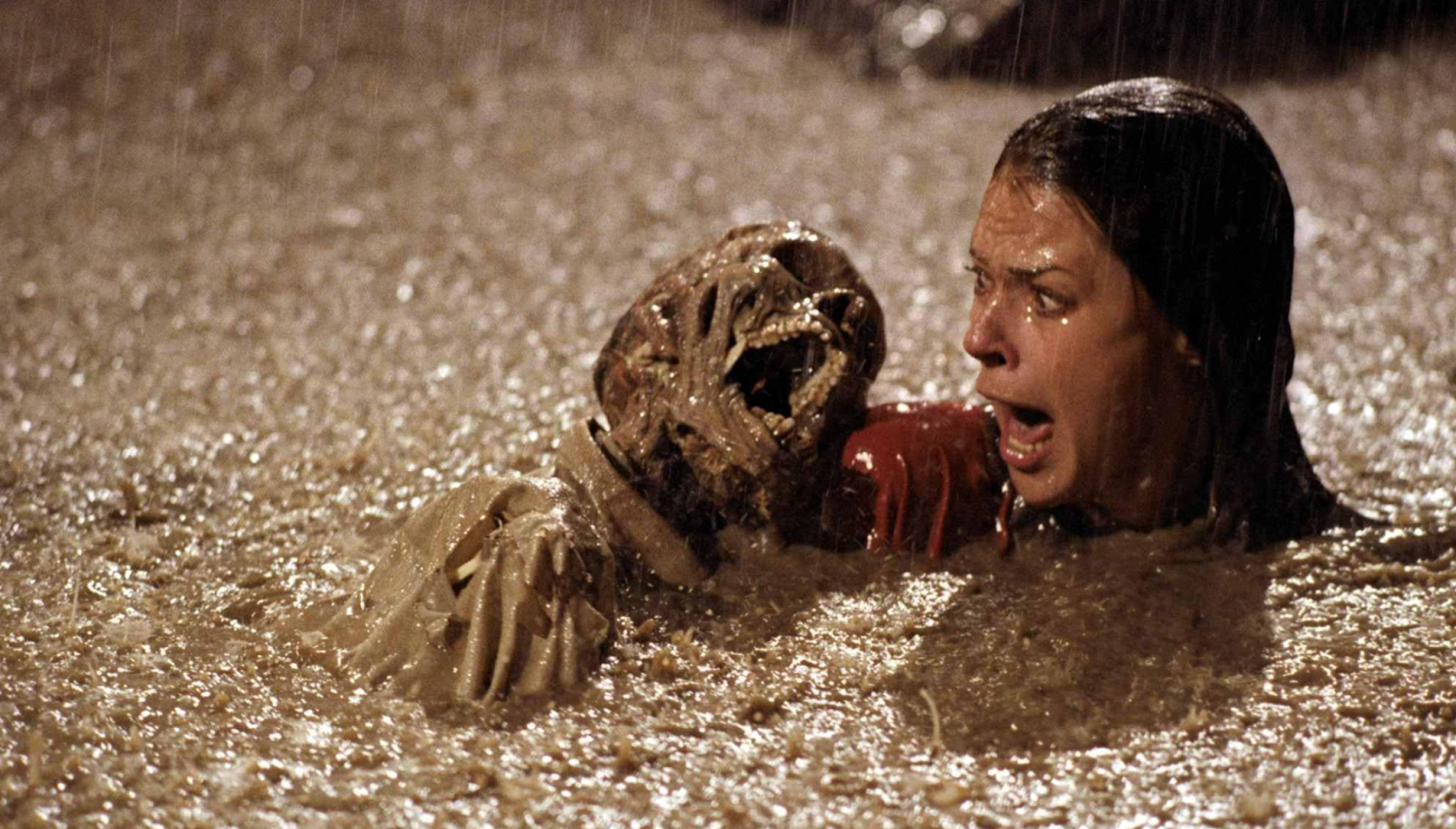
This might seem like a surprising place to start the list. Under no circumstances is this iconic childhood classic niche, but its restrained scares and PG rating often leave Poltergeist out of conversations about the greatest horror films of all time. I’ve often heard it dismissed as a film that seems terrifying when you’re young but quickly loses its bite as you grow up. For me, this was the film that got me into horror, eight-year-old me truly believed it was the scariest thing ever put on screen. Many of the jump scares still hold up, and while some of the practical effects may look a little dated to modern eyes, the craftsmanship remains astonishing. The sink scene alone is one of my favourite moments in all of horror (how did this movie get a PG rating?).
Director Tobe Hooper crafts a full-blown horror spectacle. Early on, the realism can feel a little stilted, so don’t expect gritty terror. Yet Poltergeist’s imagery and surprisingly beautiful visual language make it larger than life, with genuinely creepy moments and even hints of cosmic horror. Written by Steven Spielberg, the film features snappy, lively dialogue and plenty of comic relief. Fun fact: some of the skeletons used on set were real, because somehow it was cheaper than using fakes. If you haven’t revisited this one since childhood, give it a rewatch — it’s worth it for the third act alone.
Gremlins (1984)

Another childhood classic, and probably my favourite film of all time. While it’s a Christmas staple, the horror and dark comedy elements in Gremlins are often underrated and absolutely worth a rewatch. This was one of the movies that caused so much backlash in the 1980s that the PG-13 rating had to be invented, and it’s easy to see why. Some of the deaths are genuinely gruesome, and the film contains its fair share of truly dark moments. The creature horror and character design are incredible; the Gremlins puppets have aged so well that it’s easy to forget Gizmo isn’t real.
Director Joe Dante is either a genius, an absolutely insane person, or both. He strikes a tone that’s simultaneously hilarious, unsettling and endearing. The main theme is so catchy and funny that you can’t help but smile every time it plays. Gremlins also boasts one of the most underrated female action heroes in horror: Billy’s Mom. She’s kind and sensitive, yet absolutely ruthless when it comes to dispatching gremlins — baking cookies one minute, executing five gremlins the next. Sit down, Ripley: there’s a new realistic action heroine in town.
If you enjoy Joe Dante’s offbeat brilliance, do yourself a favour and watch Gremlins 2 for one of the best absurdist comedies ever. Joe Dante, I love your brain.
House (1977)
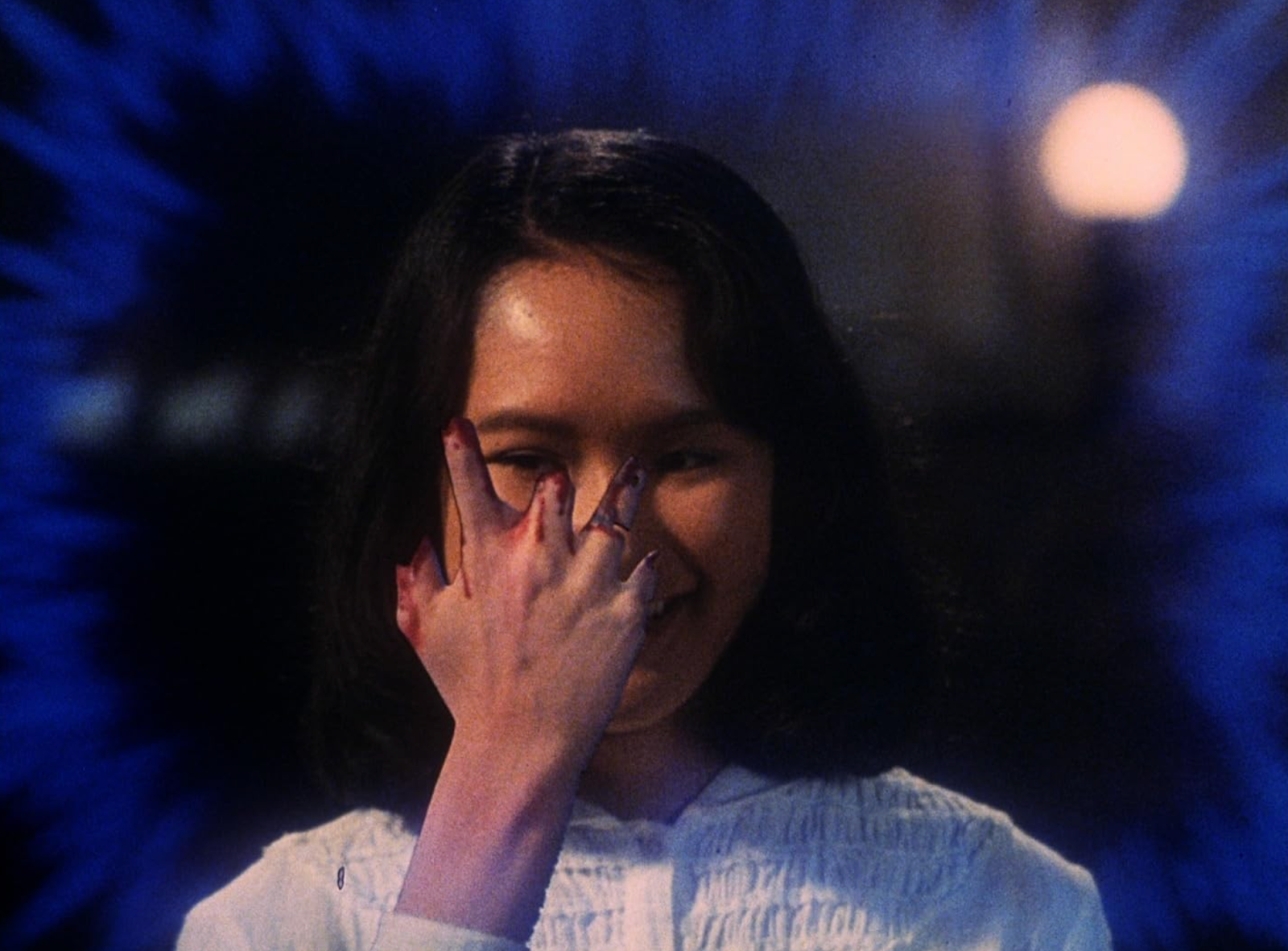
There really isn’t anything like House. This film perfectly captures what it feels like to be a child, when the world seems mysterious, abstract and just a little scary. Subconscious fears and fantasies colour our dreams and nightmares, always out of reach, yet ever present, and House transforms those feelings into a visual spectacle that is as absurd as it is charismatic. Perhaps its success in capturing that childlike wonder comes from its origins: the story was inspired by Obayashi’s ten-year-old daughter, Chigumi, whose imagination and childhood fears shaped many of the film’s scenes. Nobuhiko Obayashi’s openness to these ideas, no matter how bizarre, allowed the film to take shape in all its surreal glory.
House offers an experience so sincere and out-of-this-world that it has endless rewatch value, just for the fun of it. It’s hard to describe without diving into its scenes, but going in with no expectations allows it to work its magic. Watching this film feels like dreaming, a magical experience unlike anything else in the horror genre, apart from your own subconscious. If you want to tap into your inner child this Halloween, rid yourself of expectations and let House wash over you; you might find yourself transported to a world previously relegated to your imagination.
Suspiria (1977)
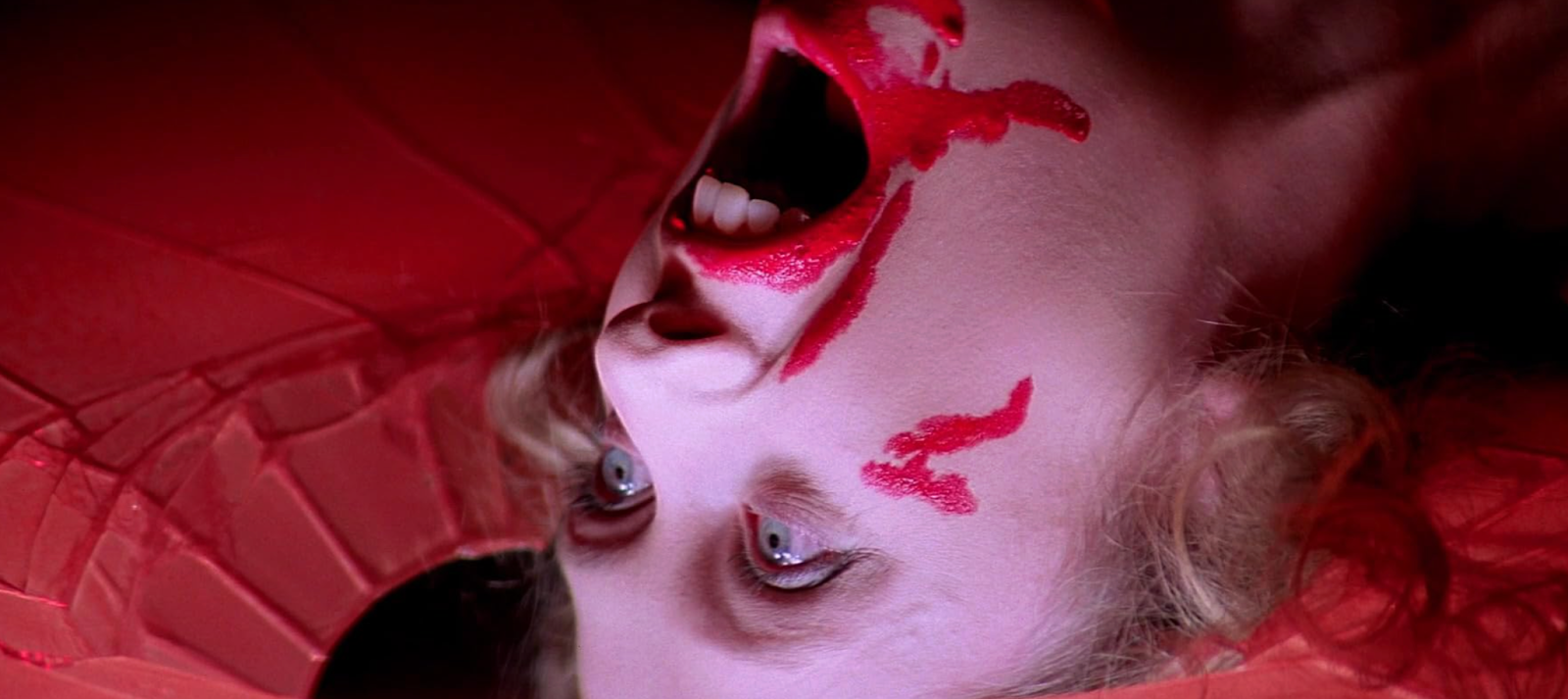
What a year 1977 was for horror. Dario Argento had already made a handful of iconic horror films before crafting the first entry in his Three Mothers trilogy: Suspiria. The film wastes no time transporting you into its Technicolour world of vivid terror. Argento’s mastery of suspense is palpable from minute one, establishing why he would go on to be known as the Master of Horror.
Visually, Suspiria is a feast for the eyes. Argento cited Snow White and the Seven Dwarfs (1937) as inspiration for the film’s vibrant colours. While this cartoon influence might seem at odds with his slasher horror, the bright, nightmarish palette enhances the film’s terror in ways that are truly spectacular. The soundtrack by progressive rock band Goblin is equally remarkable, fun to listen to, yet wonderfully unsettling, perfectly complementing the movie’s hypnotic visuals. Suspiria is an ideal cult classic: a gripping plot wrapped in gorgeous imagery. If you’re a horror fan, you’ve probably seen it, but it’s absolutely worth revisiting.
While all the films I’ve recommended are horror classics, it’s important to highlight them for their ability to use the genre to its full potential. Whether blending horror and comedy, or employing colour and editing to tell stories beyond jump scares and shock value, these films explore our deepest anxieties and fears with sincerity. The common thread is their childlike imagination in portraying our nightmares, something often missing in modern horror, which can feel obliged to satirize itself or rely on gore as a substitute for genuine scares. Horror can be campy, fantastical, absurd, fun and terrifying all at once. That’s what makes the genre so special, and why these underrated gems deserve to be watched again and again.
Featured Image: 20th Century Fox / IMDb
Which underrated horror gem will you be visiting this spooky season?