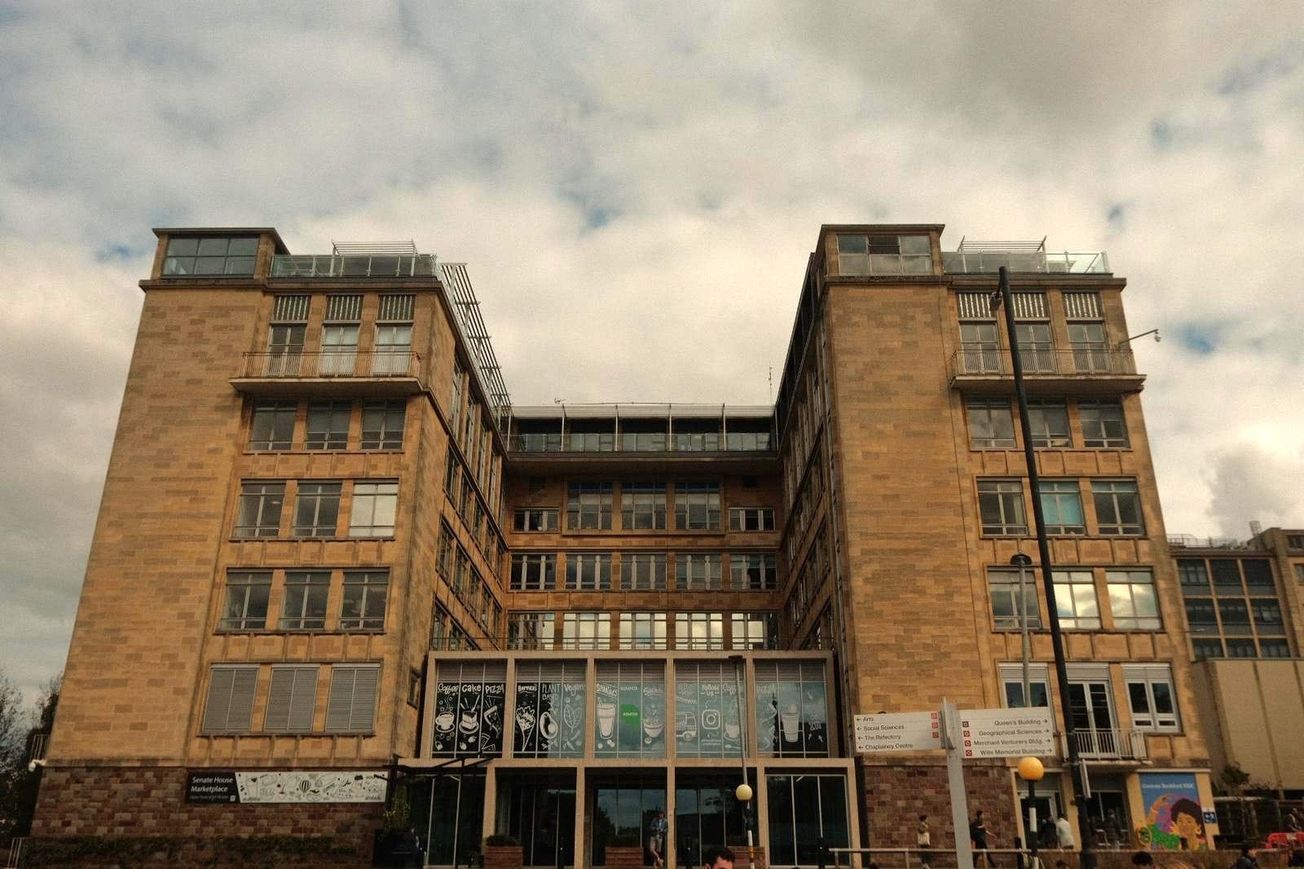
By Ivy Nicholls, Third Year, Liberal Arts
‘First year doesn’t count’. Everyone loves to say it. It’s the justification for every mistake you’ll make in your first year at university - every missed lecture, ill-advised night out or disappointing grade will be written off with this refrain.
But the scope of this message is up for interpretation. It is true that grades in your first year do not count towards your final degree, leaving a welcome margin for error. I challenge anyone to read the first essay they submitted and wish it counted towards their degree. In mine, the text was justified to the wrong side somehow. Socially, the phenomenon of short-lived, ill-judged friendships forming at this time is well-documented. But does the hectic blur of new places, faces and (occasional) academic pressure matter, or are we all just trying to pass?
By the time I was finishing my first year, the concept of it not counting didn’t feel fun anymore. When the days stacked up to a year, I felt I had little to show for the small matter of £9790. Indeed, it felt like nothing had counted. My grades and friendships weren’t where I wanted them, the result of a feeling that whatever I was building wasn’t quite right. I briefly convinced myself another course or another city would surely count. I had the urge to write off my first year like an expensive gap year, but luckily I chose to stay.
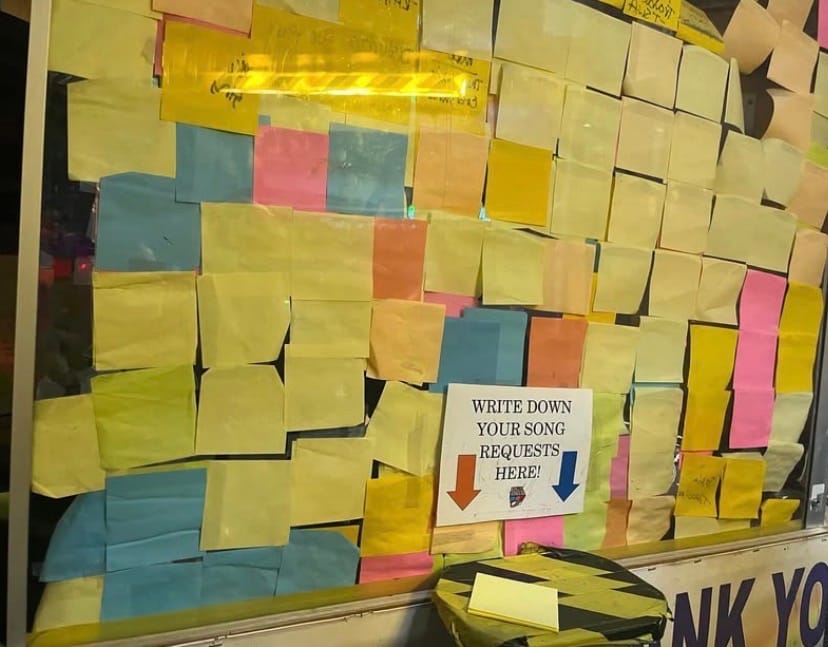
Entering second year at the University of Bristol, I realised the nightlife culture, particularly on The Triangle, rested on this philosophy. The week is no longer universally structured around lurid mid-week clubnights, though some do attend. Everyone who adamantly claimed their schedule of partying would not be scuppered by the impending weight of second year is somewhat subdued. In this atmosphere that was (marginally) more serious, I found it easier to trust my decision to stay there. Life is now weighted towards the day, things count.
For me, the idea of the year before having not counted felt depressing. As time went on, I’ve realised that much of this came down to how little I put into it, going home often and moving out as soon as my assessments ended in early April. There were factors that drove me away; I didn’t like my accommodation and wanted to find summer work at home. But my dissatisfaction was a self-fulfilling prophecy, the less my surroundings brought me fulfillment or, as reinforced by those around me, ‘counted’, the less I gave them the chance to.
At school, your hand is held through these difficult phases. Having not done a gap year, the waiting for an external force to sit me next to my new best friend dampened my ability to find them on my own. I was simultaneously longing for an old-fashioned seating plan but resistant to a lot of freshers events that served a similar function. Familiar classroom settings are spread out over a city not a building. The courses are larger and more fractured, particularly an interdisciplinary course like the one I chose. Proximity to others is not forced but chosen.
 Grace Bourne
This was partly due to the course I chose. Liberal Arts, the course every humanities student nearly chose before deciding it was too vague, where the students rubbing shoulders with their different faculties but lacking a united cohort. You have limited time with your actual coursemates and are lost within the large cohorts of your pathway subject. The knowledge you build in humanities is also disparate, not layers of skills before a final exam but holistic practise at applying yourself to a range of topics. In a coursework-heavy subject you don’t have to retain knowledge or revise, at the end of the year all your seminar notes can seem to amount to nothing. It can be hard to sense your progress among this, and how much a year counted.
My first year counted more for how I learnt than what I learnt, the frustratingly nebulous value of experience and practise in forming arguments and views on information I did not retain. How much you get out of your first year relies partly on luck and partly on attitude, but the time will matter regardless. Similarly, whether or not you care about your grades, the unquantifiable value of the experience will count. My advice would be to embrace this uncertainty and not be embarrassed to try. The only certainty is that it will matter eventually.
Feature Image: Epigram / Ivy Nicholls
How did you make your first year count?