
By Emma Yeo, Third Year, English
Being the first in your family to go to university is undoubtedly a massive achievement, yet it can also feel incredibly daunting. The move to university is a time of immense anticipation, excitement, and uncertainty. You might be wondering what your halls will be like, how heavy the workload may be, or even what clubs are the best in the city. Having family with experience of university can help to ease some of those worries; however, without this family support and expertise, many can struggle with the transition.
In 1990, Prime Minister Tony Blair set a target to get 50 per cent of young adults into higher education in the next century. According to the Department for Education’s report ‘Higher Education Student Statistics’, this target was surpassed between 2017-2018, where the attendance of university raised to 50.2 per cent of all young people. This inevitably meant that there were more first generation students pursuing higher education. And so, nowadays being a first generation student is not an uncommon experience. In fact, the Higher Education Policy Institute’s (HEPI) 2022 report, First-in-Family Students by Harriet Coombs, found that almost 70 per cent of students can be classified as ‘first-in family’.

Nevertheless, Anna Spengen identified that first generation students ‘experience challenges in navigating a system in which they have historically been excluded’. These challenges certainly have a sizable impact and affect countless aspects of a person’s university experience. For example, according to a study published by UCL, first generation students were less likely to attend ‘prestigious’ Russell Group universities. Additionally, the Oxford Review of Education found that there are higher drop-out rates for first generation students, particularly in relation to feelings of isolation and like they ‘do not belong there’.
Consequently, anxiety is known to be particularly prevalent in first generation student populations. In the first few weeks of university – specifically surrounding the transition to university - these anxieties are heighted. To understand this better, Epigram spoke to an anonymous student who said: ‘The night before I moved to university, I considered not going at all. I told my mum that I didn’t think that I would cope with the transition and convinced myself I wasn’t smart enough to attend, let alone do well. These anxieties persisted throughout my first year, and silly things - like getting a mark below 60 or stumbling over my words when called upon in a seminar - only reinforced these beliefs.’
They went on to say: ‘For a large proportion of my time at university, I have felt like I was muddling my way through. None of my family went to university, I was state school educated, from a low income single-parent household, and arrived at university not even knowing what a seminar was. But naturally, I wasn’t going to tell my family, who sacrificed so much for me to be there, that I felt like I did not belong. At the time, it seemed like I was the only person who had ever felt like this at a university that they worked so hard to get into.’
With the majority of first generation students experiencing some level of imposter syndrome, this account is certainly not isolated. Therefore, while being a first generation student comes with its own obstacles to navigate, there is also a variety of support available and advice which can make your transition to university a lot easier.
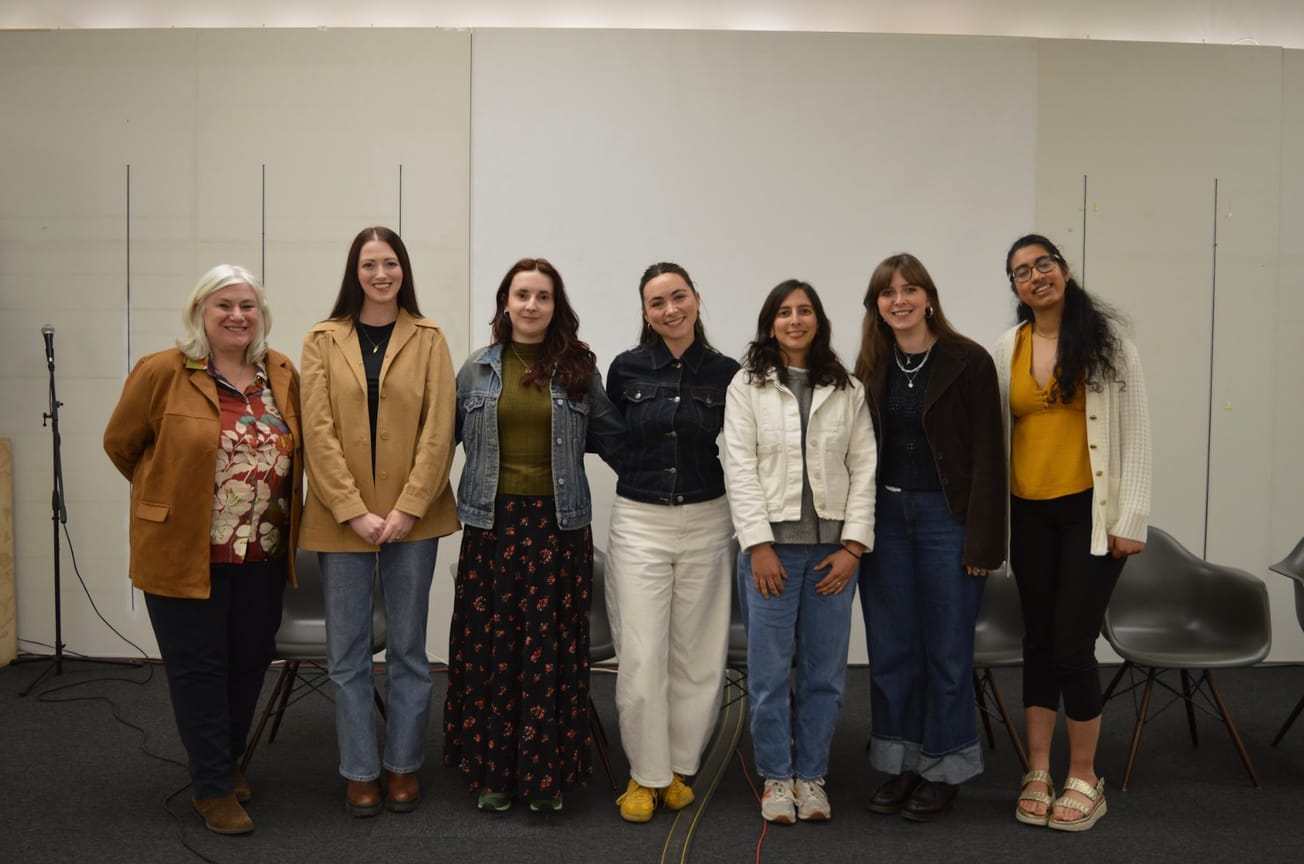
Finding a community of people from similar backgrounds is invaluable when navigating university as a first generation student. At the University of Bristol, a First Generation Scholars Network was established in 2020, which provides a supportive community where first generation students and staff can connect with each other, and offer advice. This network holds regular meetings and social events throughout the year alongside providing a variety of resources on Blackboard. Mark Hailwood - Senior Lecturer in History and network coordinator - explained that ‘the network aims to make Bristol a more enjoyable and productive environment for those with little inherited knowledge of university life’.
 Zoe Lieberman
 Tom Foley
When asked for any advice for first generation students, Mark Hailwood added: ‘you might feel like you don't quite fit in at university, and that you are not like a lot of the people around you - but you would be surprised how many people are from first-generation backgrounds. This includes staff too. Many of us were the first in our families to go to university, and we have managed to make ourselves at home here, so you can too!’

Furthermore, Epigram spoke to first generation student ambassador and second year Computer Science student, Ezen Tan, who remarked that ‘when you’re first gen, you don’t have a mental guidebook on how any of it works…[but] there are actually a lot of first generation students in Bristol so there are a lot of people here who encounter the same problems’. He added that through this role he ‘would definitely love to get to build more connections with other first generation students and would also like to work on more first generation events’.
Finally, he highlights the importance of societies as a first generation student in saying that:
‘Looking back, I wish I’d joined more socials and “Give it a Go” events in the first weeks instead of spending all my time figuring out what to put into my checklist before starting classes’.
Given that first generation students often feel as though they do not belong, fostering a sense of community – through either societies or first generation specific groups– is definitely one of the most important things to do as a first generation student. However, it is also important to remember to look after yourself during the transition and make use of any support available to you. Finally, remember that you deserve your place at university and above all, to make the most of the experience.
Featured Image: Epigram / Charlotte Kerby
How many first generation students do you know and have you ever asked them about their university experience?