Despite studying English at university, I have not read many of the so-called classics. Only this summer did I pick up Jane Eyre, not because it was on my course reading list but simply because my mum recommended it.
The truth is that English degrees are not all about the books in the literary canon – a term used to describe books that (supposedly) represent an important point in our cultural history. Instead we study books about art, books about grief, and a whole range of contemporary fiction. These books are thought-provoking, poetic, and sometimes uncomfortable to read, and I want to introduce you to a few of the best.
First up we have Home Fire. Published in 2017, this is probably the most modern novel I have read on my course so far. At the heart of Kamila Shamsie’s novel is a family who must navigate life after their brother’s radicalisation. It is a powerful story about love and grief in the context of modern Britain.
Home Fire is a loosely based on the Athenian tragedy Antigone. Both explore the ritualisation of mourning, and grapple with the law in the face of loss.

This is a novel designed to make the reader think, feel, and ask questions. Confused and distraught, Shamsie’s protagonist wonders what ‘all the iconography of suffering meant to achieve’. These were the sorts of lines I was furiously underlining, whilst also trying to hold back the tears caused by this book in the ASS on a Monday morning. This novel certainly deserved its place in the 2017 Man Booker Prize Longlist.
Next up on my list is The Underground Railroad by Colston Whitehead. The title refers to the network of abolitionists across America who aided enslaved African Americans seeking freedom. Whitehead took this metaphorical railroad and made it a reality in his novel, showing the power of fiction to shed light on moments in history and illuminate them for future generations.
Given the topic of this book, it feels problematic to call it a ‘favourite book’ as such. What I will say is that this is an important and necessary book; the writing style makes it accessible to all readers.

I read The Underground Railroad during my first year of university, in the final few weeks before Christmas. My seminar room was, of course, sparsely populated by this point in term, but our discussion was supplemented by conversations with my flatmates (none of whom study English). In other words, reading this novel led to important conversations outside the seminar room too.
The last book on my list is not strictly a book, it is a play: The Wife of Willesden by Zadie Smith. It is an adaptation of Chaucer’s The Wife of Bath, one of the most popular and well-known of his Canterbury Tales.
Smith is one of those writers who we might consider to be a ‘modern classic’, and The Wife of Willesden proves just why. It is humorous and witty, and the rhythmic speech makes it especially enjoyable to watch. I did this through Drama Online, which the University of Bristol provides access to, with actress Clare Perkins playing the lead role.
I particularly enjoyed the way Smith adapted the old tale, setting it in a north-west London pub while exploring similar themes to Chaucer’s original tale. Instead of changing the tale completely, she draws upon its more modern elements. This revealed to me just how long conversations about women’s rights and desires have been going on. Chaucer did write some pretty bold female characters.
 Evie Greville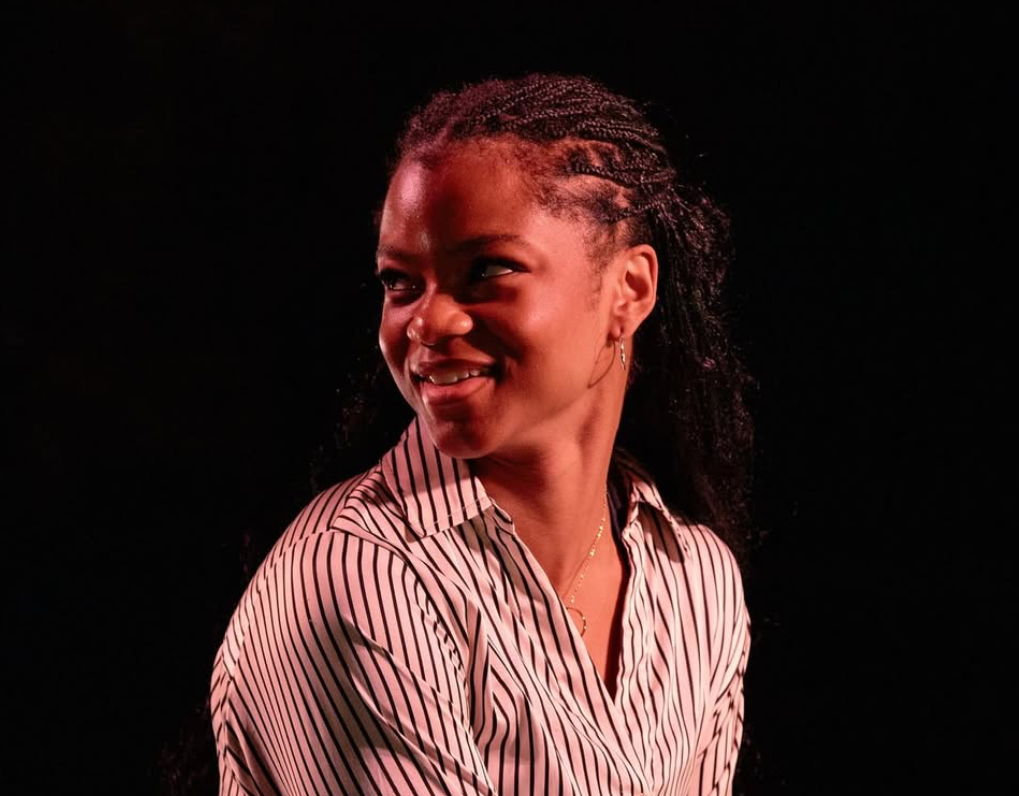
Whilst I have very little idea about what to do with my English degree once my final year is over, I am so glad I picked this subject. The books and authors I have discovered through this course have showed me that there is so much more to reading than the literary canon. I do still enjoy watching Shakespeare, and Jane Eyre was brilliantly written, but there are other novels and plays out there too. And finally some advice: next time you talk to an English student, do not expect that they know anything about Charles Dickens.
Featured Image: Epigram / Kashvi Cox
What was your favourite book on your course?