By Emma Coleman, Film & TV Subeditor
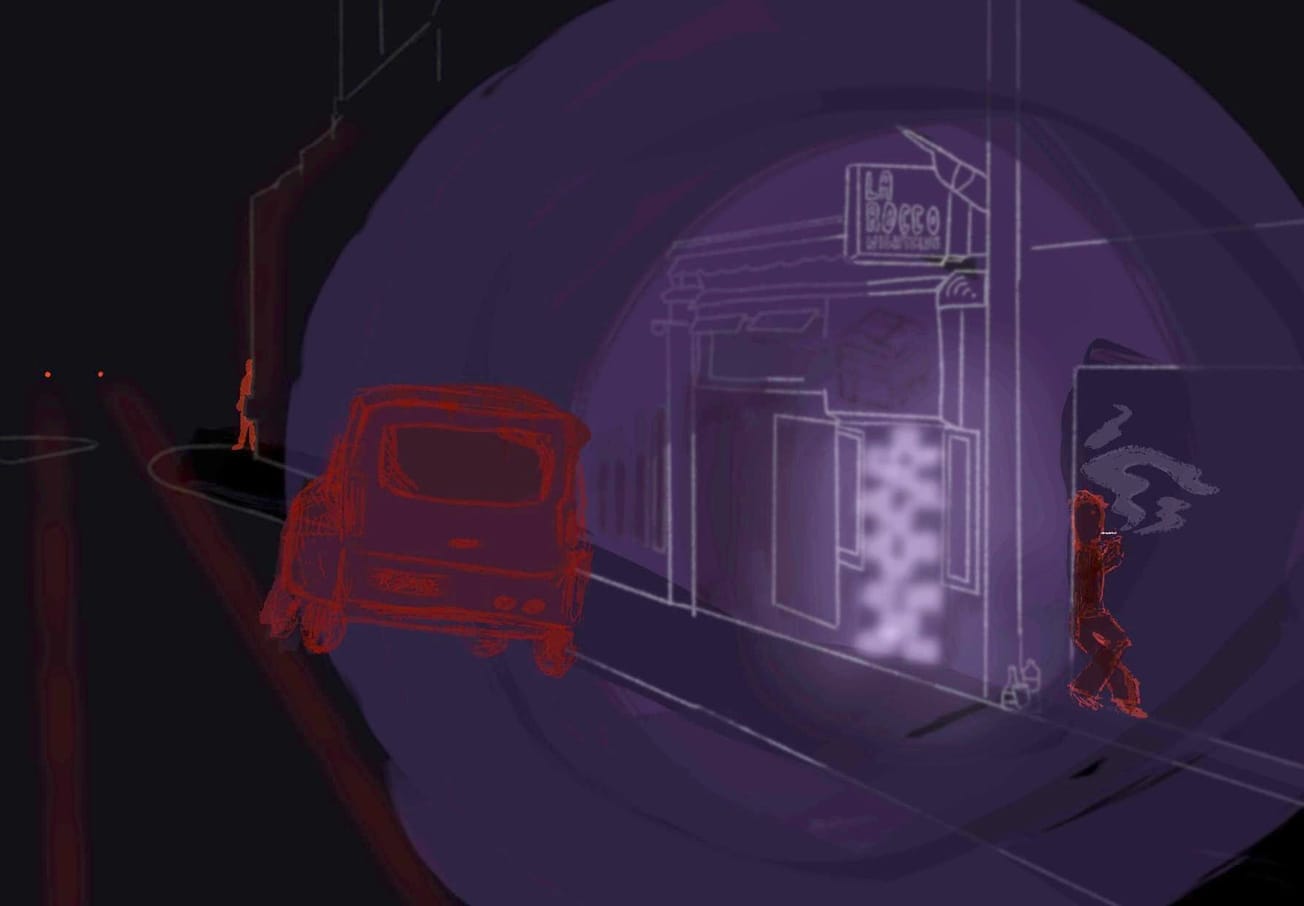
Earlier, darker nights bring new dangers and therefore considerations for so many young women. Nearly three-quarters of women change their behaviour during the darker winter months, so what can be done to improve the safety of women when the seasons change? Unfortunately this discussion is often reduced to a ‘female issue’, so instead I am focusing my discussion on what men can do and am addressing this article Dear Boys…
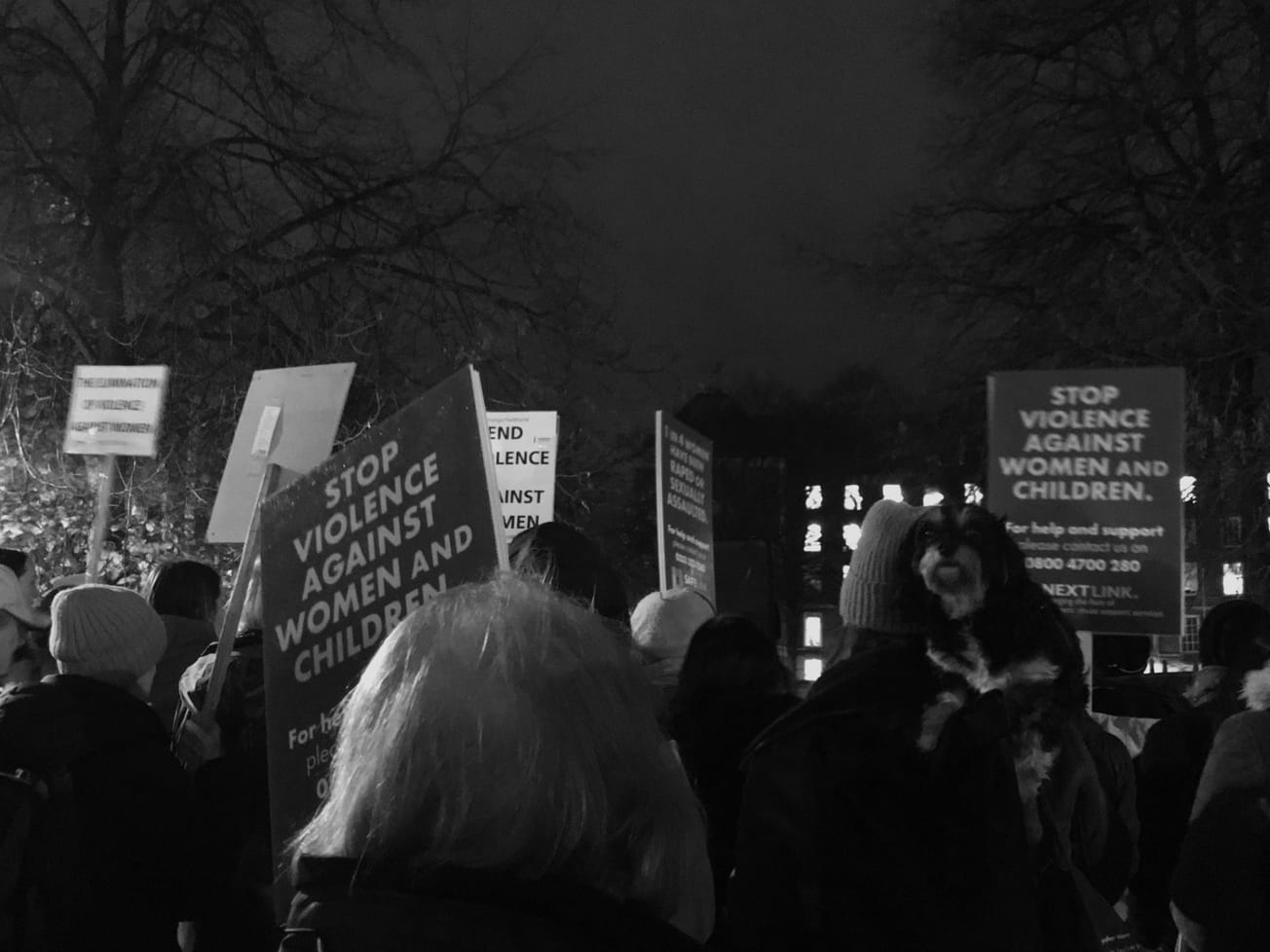
Let me start with a quick history lesson. In 1977, ‘Reclaim the Night’ marches occurred throughout many of England’s major cities, including Bristol, protesting the restriction of women in public spaces at night following the ‘Yorkshire Ripper’ murders. These were part of the Women’s Liberation Movement, and link heavily to the struggles we still face today. The Bristol SU has organised many ‘Reclaim the Night’ marches, the last being in 2022, to demand the use of public spaces at night without fear.
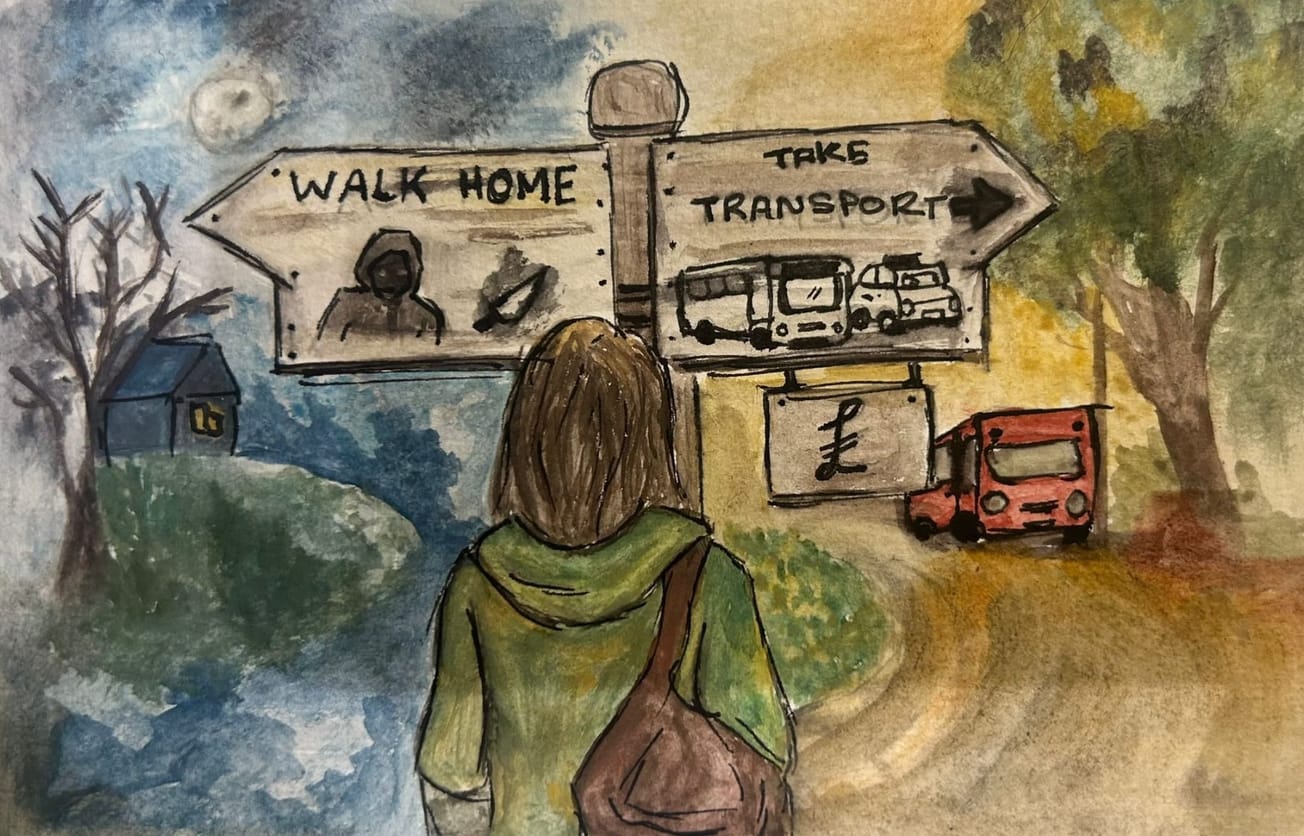
What I don’t want to do is tailor this article solely towards advice for women to protect themselves. We know the advice: don’t walk alone at night and if you do call a friend and put a hood up, always have someone to go home with after a night out, keep your keys between your fingers, etc. This is tiresome and engrained into our brains already and can lead to much larger issues of victim blaming.
Instead, let’s discuss what we can do to educate men on the issue. Talking to student Tom, he had some very insightful ideas. He noted that a significantly smaller number of men have experienced sexual harassment and assault but many men equally do not sexually harass and assault women, leading to them feeling that it is 'not their issue.
Consequently, he emphasised the importance of an interventionist education on young men and breaking through the stigma of safeguarding women as a ‘female issue’. Tom also emphasised the importance of organised sport in secondary school as a great aggressive outlet that he benefitted from in his own childhood.
Moreover, he shared his research on the lack of a good fatherly role model, finding that 76 per cent of men in England and Wales have absent fathers (2013), and that this leads to the adoption of negative role models – in real life and on social media. This presents a larger societal issue that unfortunately has a detrimental impact in later life regarding male attitudes and behaviour towards women. Finally, one of the most important aspects of educating young men that Tom and I discussed is the power of male friendships and being able to stand up to your friends and tell them that their behaviour is wrong. However, Tom says this is challenging in itself because outside a group setting you cannot see a friends behaviour and this is why positive role models are so important.
Epigram talked to Soroptimist International Great Britain and Ireland – a global organisation for helping and improving the lives of women and girls. They shared a poignant statist - that young women (16-24) are the most likely to experience VAWG (Violence Against Women and Girls), representing 86 per cent of victims in this category. This highlights how prevalent this issue is for university students, with the majority being within this age category and thus most at risk. Soroptimist emphasised the importance of involving men in these discussions and it has been found men are more likely to listen to men - almost half (48 per cent) of participants’ disclosures were to their friends in the Male Survivors Partnership study, highlighting how men have a willingness to speak about their experiences with other men. The consequent need to have a good role model and to be one yourself is so prevalent.
Soroptimists put together a list of specific advice for men, and how they can make women feel safer at night:
- Avoid walking too closely behind or suddenly approaching women in dark or isolated areas – cross the street or give space to help women feel safe.
- Don’t make cat calls or whistle at women, don’t comment on their appearance.
- Keep hands visible and have a relaxed posture, avoid blocking the pavement.
- If on a train or bus, move to a different part of the compartment, so not so close and don’t stare. Say sorry if you accidently make a woman uncomfortable and move away.
- Learn how to be an effective bystander by doing training like that delivered by the Suzy Lamplugh trust (this is also available through the Soroptimists).
- If you know the woman and are, for instance, both working late, offer to walk her to a taxi rank or to her car, but don’t pester if she says no.
- Recognise that small actions, like offering to walk someone home or avoiding intimidating body language, can significantly influence how safe women feel in public spaces.
- Men of any age, please don’t sit next to a young woman on a bus full of empty seats, especially touching the side of her with your side on narrow bench seats. It is intimidating.
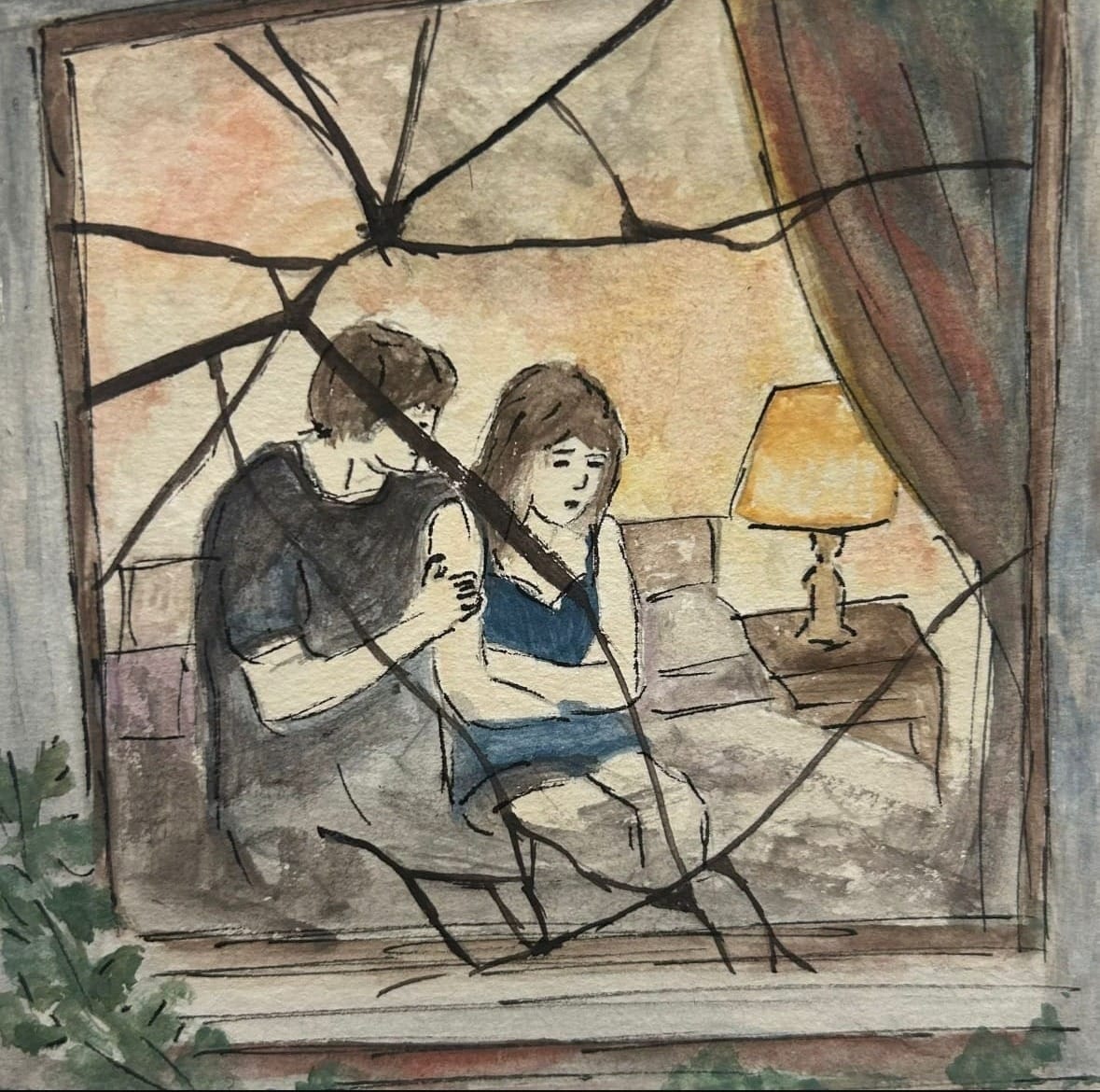
- Don’t grab someone’s arm even if you are trying to help - ask women carefully if they need help first.
- Share your learning with your friends and call them out on negative behaviours. Speak up or intervene (safely) if friends make jokes, comments, or take actions that could make women feel threatened or disrespected.
- Sign the White Ribbon and MACS (Male allies challenging sexism) pledges – commit to ‘never commit, excuse or remain silent about male violence against women’. Over 60,000 men have taken the pledge so far.
Let me quickly interject and say, it is untrue to claim that no bad things ever happen to men while walking alone at night. This would completely diminish the suffering and trauma that men do face, however, women undoubtedly suffer more. In the period 2 – 27 June 2021, half of women felt very or fairly unsafe walking alone after dark in a quiet street near their home, compared with one in seven men.
Therefore I have tailored this article to focus on the protection of women in the darker months, solely as it is found to have more of a detrimental impact on their mental health and lifestyle. Epigram, spoke to student Poppy who shares how the darker months continue to affect her.
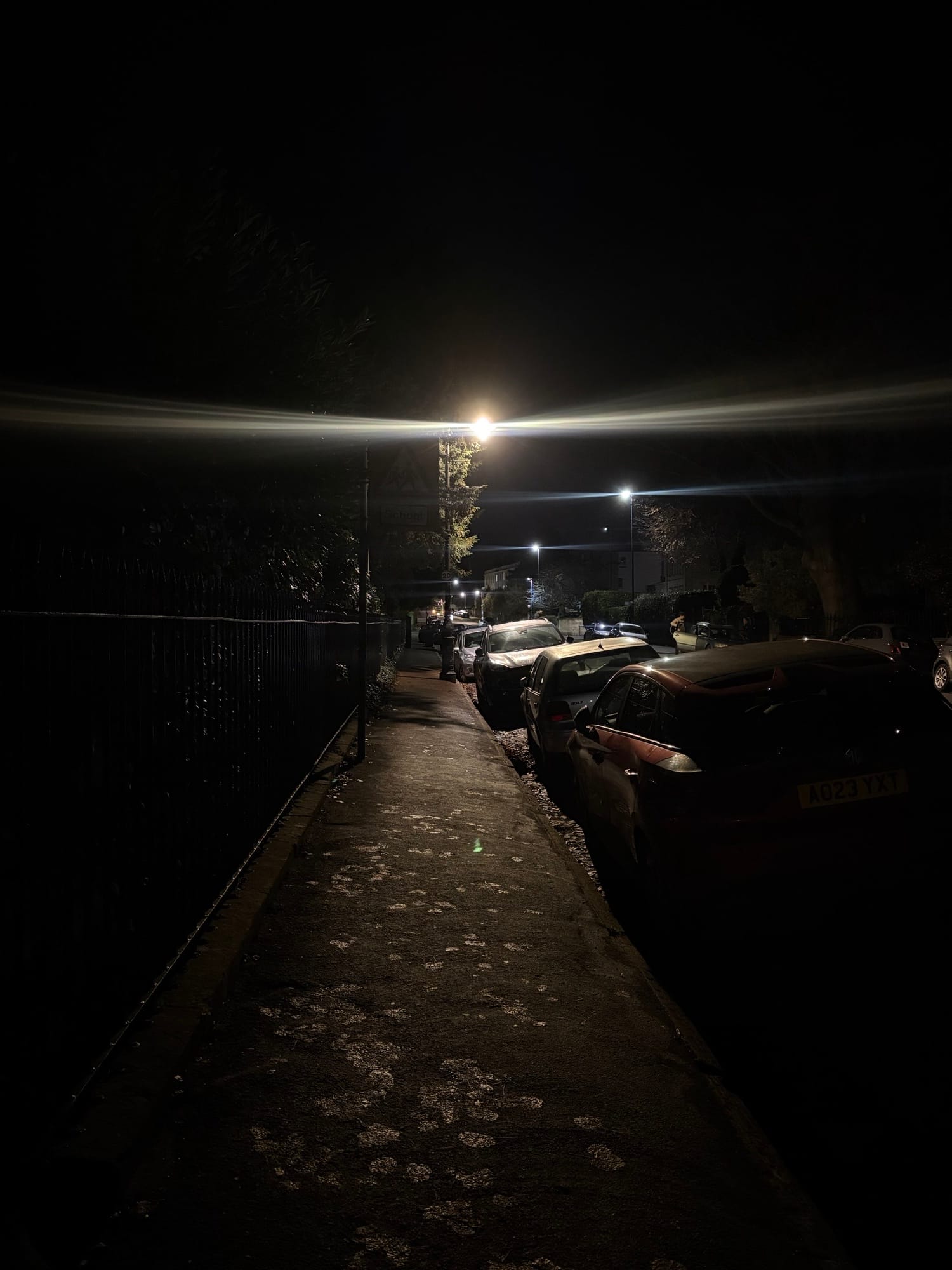
'While walking alone at night I have experienced catcalling and been followed and believe that this has happened to most girls.'
When taking public transport at night, Poppy tries to be with friends, sits near the driver on a bus, and spends significantly more money on Ubers.
'The focus needs to shift from teaching young women to protect themselves to instilling education on young men, as well making self-defence classes more accessible. '
Even while writing this article (sorry for breaking the fourth wall) the sun has set while being in the library and I now have to consider the safest way to get home. I never listen to music while walking in the dark and will have to take a longer route home to avoid a particularly dark and quiet path. This shouldn’t be accepted as the norm and we must do all we can to change it.
Women should not be expected to change their behaviour, however, as this is an ongoing and frightening issue, I have included a list of nightline numbers below for emergency situations. After 40 years of Bristol Nightline, it unfortunately closed in June 2025, yet they still offer significant support to students, and if you would like do your part in keeping young people safe, you can sign up for it here.
 Megan Evans
 Annie McNamee
 Marine Saint
University of Bristol Security (non-emergency) - 0117 9287848, 24/7
University of Bristol Security (emergency only) - 0117 3311223, 24/7
Strut Safe - 0333 3350026, open 7pm to 3am (1am on Sundays)
The Hollie Guard safety app is also great – holding down the hexagon button on your phone starts a recording on camera and sends an alert to your designated emergency contacts. (£7.99/month)
If you are being followed or are in danger, please call 999
The darker seasons can be detrimental to women’s mental health and force a change in lifestyle. More must be done to combat this issue, beginning with the involvement of men in discussions and further education on what they can do to protect women in winter.
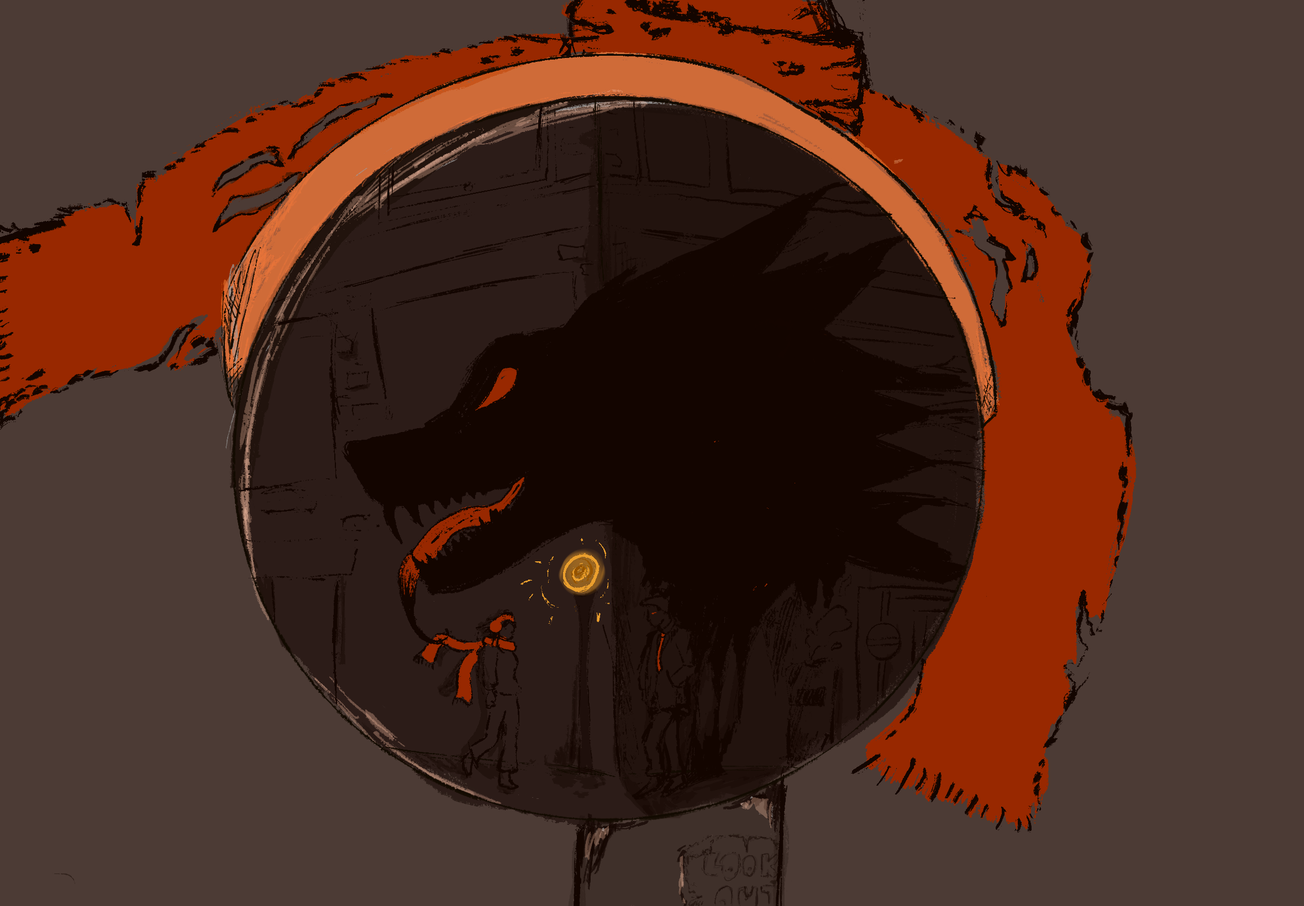
Featured Image: Epigram / Kimberley Goh