
By James Sinclair, Third Year, Politics and International Relations
Up to 82 per cent of students report dealing with imposter syndrome. So, chances are, dear reader, you know what it feels like. A feeling of being a fraud, of not belonging at university. A feeling that, ultimately, you are not clever enough to be here. Let me assure you, you most definitely are. The reason you feel like this is not because you’re stupid, but because the university bubble is designed to worsen these feelings. Let me explain.
The University of Bristol consistently ranks in the top ten universities in the UK. You must be a clever cookie to make it here, so everybody here is. People have had similar experiences growing up, being the smart kid, getting good grades, being the one your mates would go to for help with homework. Being clever becomes a part of your identity.
Mixing a load of clever people together into a place like university should be amazing. Ideas should bounce off each other as everybody comes together to tackle the toughest problems of our time. Look At Bletchley Park, where Alan Turing and his team of eccentric oddballs went after a common goal of cracking the unbreakable Enigma Code. Not only did they smash it, they also invented the computer along the way. Brilliant stuff, and they only did it because they were a load of clever clogs who complimented each other.
'So why does university not feel like this? The way cleverness works here feels so much less constructive. Rather than feeling fulfilled, students feel like imposters. '
I find this really weird.
University is built on rewarding a narrow view of individual intelligence. The cleverer your work sounds, the better presented your argument, the higher your grade. It’s a pretty crap way of assessing somebody’s overall grasp of a topic, particularly if they are less confident and struggle to explain their thinking. It ignores key elements of someone’s genius, simplifying an entire year’s worth of learning into a single number graded on a single essay. Despite all the fancy wording the university has on its website, this cleverness hierarchy determined by grades is the experience for most undergraduates. In such a system, you pin your self-worth on the number that pops up on Blackboard. It can feel like Turnitin kicking out a crutch you’ve often held yourself up with. It’s a competitive environment, where everybody feels at threat over their own cleverness getting shot down by the high standard of the competition. This breeds insecurity rather than collaboration.
So, university doesn’t make putting a load of clever people in the same place very helpful. It makes it a weird competition, that isn’t about cleverness, but about narrow metrics that benefit the more confident, articulate, often privately educated students. After all, nearly a quarter of students in 2025 went to private school. These students have been trained their whole life how to speak well, present themselves and project an enviable air of confidence that can boost an essay to a first-class grade. Sounding clever counts for a lot.
This is not helped by the egos you find in university, some students simply wanting to prove they are better than everybody else.
Because of this, the seminar room can be an intimidating environment. So many times, I’ve had experiences of people not listening to anybody else’s point. Many women, I’m sure, can instantly recall half a million stories about male students mansplaining a topic to them. People talk, but don’t listen. They think up their own amazing point and say it, isolated from the wider debate in the room.
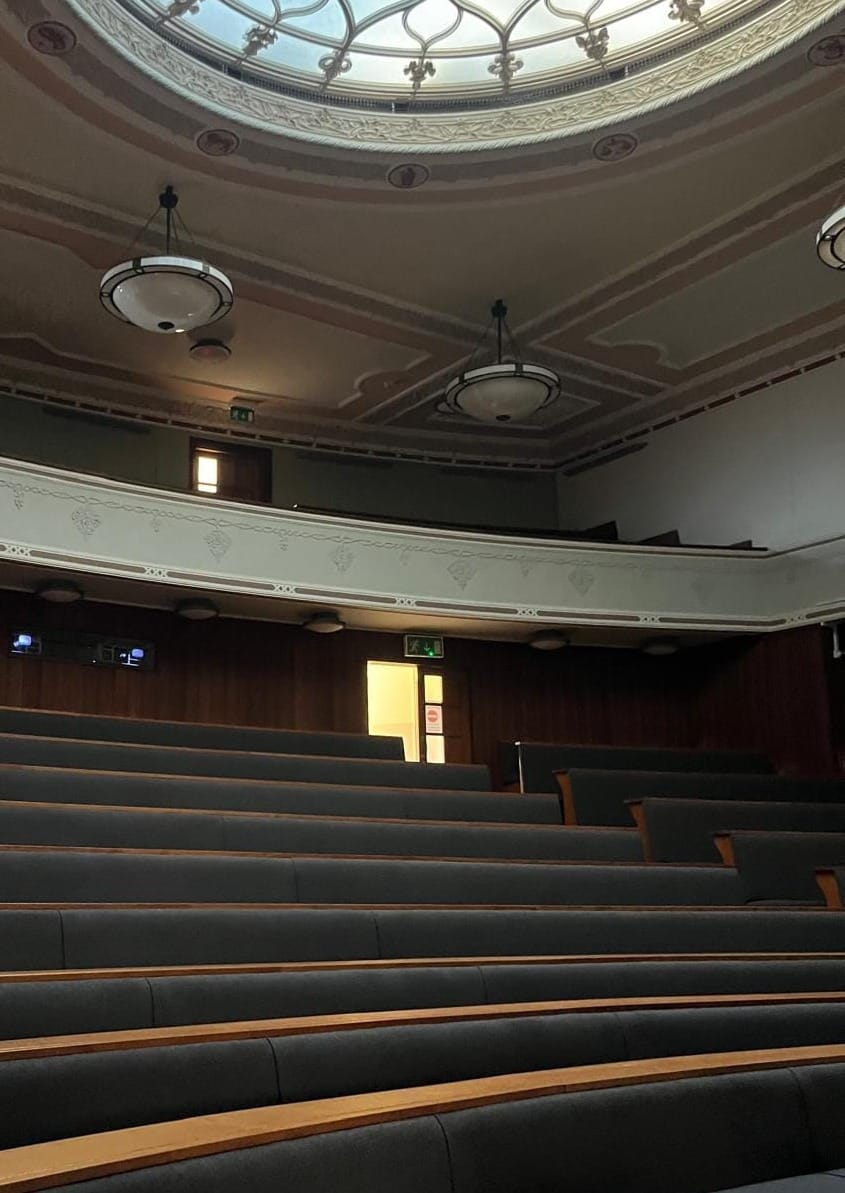
Or, people sit in silence, something I like to call the ‘first year seminar curse’. People don’t want to say something not absolutely bang on the mark. They are scared to allow that part of their identity to become vulnerable, fearful it will expose them as the imposter.
This impulse to appear clever also makes itself known outside of the classroom. There is a feeling you must have the answer to everything, to have a groundbreaking take on every issue. This leads to the seminar dynamic repeating itself. People talk at each other, wanting to tell each other how clever they are, without really listening to anybody else. Or, it can lead to people shutting down, not having the confidence to express their opinion in such a toxic environment.
I have found this especially emerges when talking about every weird uncle’s favourite topic: politics. Students often appear as contrarians for the sake of it, adopting positions against the status-quo to appear as some unique, deep thinker. This can lead to arguments defending Donald Trump as a way of rejecting left-wing student culture. Or, it can be students standing outside of Senate House, handing out the Socialist Worker and rejecting the capitalist system. In both cases, whilst people may really believe in those opinions, there is certainly an element of wanting to appear as having a unique understanding of the world, correctly diagnosing its issues whilst insisting everybody else is wrong.
 Ivor Starkey
In this, cleverness becomes tied to uniqueness. We live in such an odd time of social media, where our culture has become oversaturated with personalities and commentors. Having a sense of unique identity, expressed through your own unique thinking, is core to this need for young people to feel meaning in modern university life. But really, enough with all the competition. We should not be putting a number on cleverness. We should be encouraging collaboration, not just individual expressions of intelligence. We are all driven by this same fear: we aren't clever enough to be here. We are. So let’s help each other.
Featured image: Unsplash / Kat von Wood
Do you feel the pressure to be clever at uni?