By Imogen Day, Social Media Producer
Where have you heard AI-generated music before? When I think of generative AI, ChatGPT and the ‘note on generative AI’ on every assignment information on BlackBoard spring to mind, but where it seems to be truly unescapable is TikTok.
The AI-generated song ‘A Million Colours’ (released under the name Vinih Pray but conceived by the generative AI powerhouse, Suno) first drew attention to the subject. Accompanying millions of videos, it even entered the TikTok Viral 50 chart, although now it has been removed from TikTok UK.
Another example that was all over the For You Page (FYP,) ‘Predador de Perereca,’ differs slightly as it was a parody of an original song written by Mc Jhey. At the time of writing, two million TikTok videos used the sound. The lyrics are the only part of the song that aren’t generated by AI.
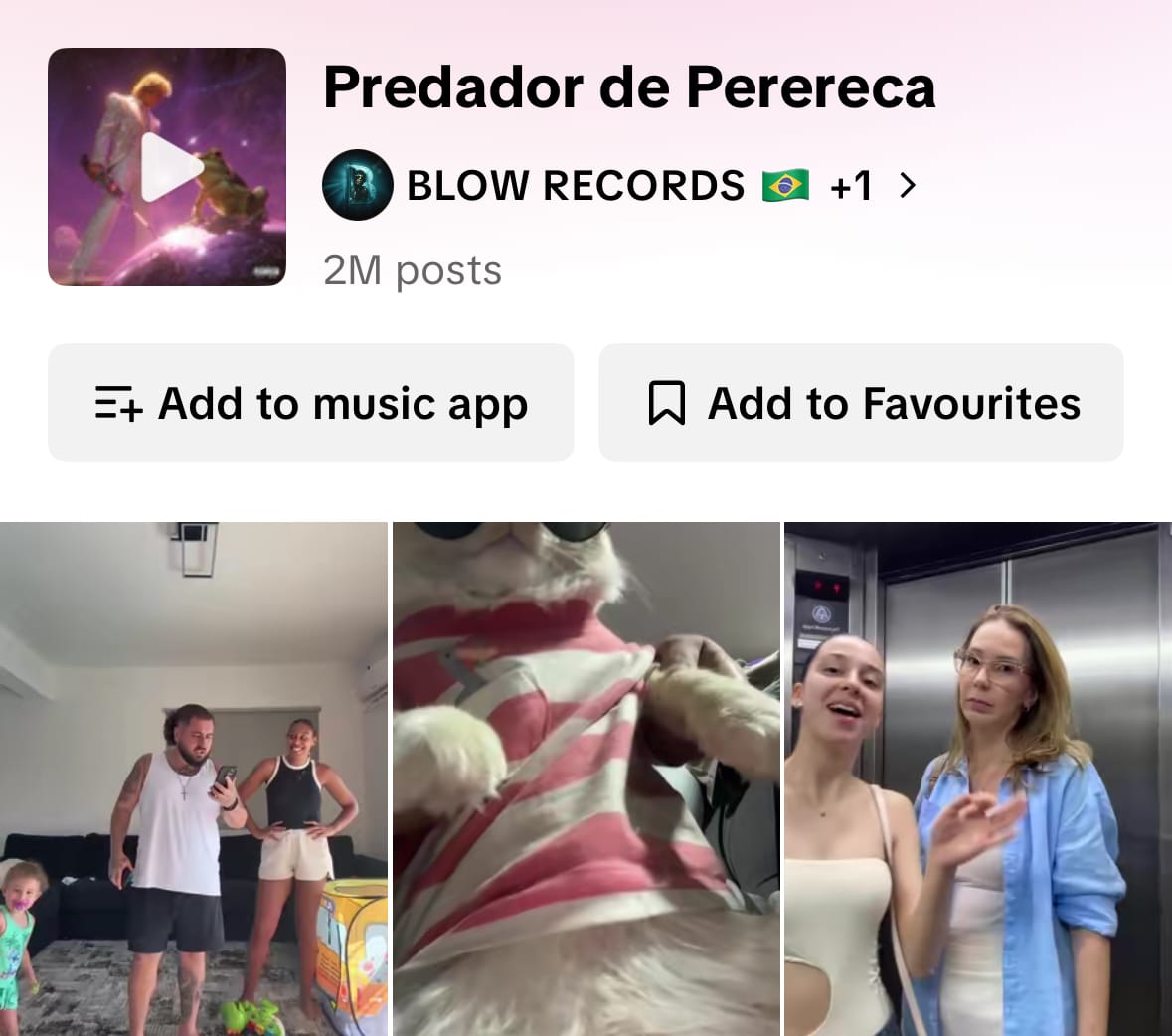
Looking at these numbers, it’s clear that people are heavily engaging with AI-generated music, whether they want to or not.
After all, while the algorithm tries to cater to your tastes, TikTok does not yet have an option to exclude generative AI content from your FYP. Whether people appreciate it, though, is another matter.
In my research, I found myself reading many news articles, trawling TikTok comment sections, YouTube videos and even scouring through Reddit threads. For once, the internet appears to be in agreement - people just don’t like music that is not made by humans, however impressive the coding that goes into websites like Suno is.
AI videos, music, pics… none of it should have the ability to be monetized! It’s horrible! Nothing seems real anymore! You have to question EVERYTHING!
— The Hoodie Deputy (@sweetbabyrayes) October 21, 2025
The comments of videos using ‘A Million Colours’ seem to unilaterally agree that it is uncanny and fake, leading to an uptick of videos warning people not to engage with the sounds. Something so uncanny valley, created with no human emotion, cannot be meaningfully engaged with by its audience.
TikTok already attempts to label if a video is AI-generated, but is yet to incorporate the same for music. The Community Guidelines ‘encourage’ creators to label generative AI content, but I’m sure we’ve all seen such content that was not labelled, and non-compliance is seemingly not penalised.
Exposure on social media platforms is what catapulted artists like Chappell Roan and The Last Dinner Party to fame - and that same exposure is now given to the aforementioned AI-generated sounds.
What would smaller artists give to have their songs used on that big a scale?
It’s important to remember there are alternatives; ‘A Million Colours’ reminds me of ‘Nothing Can Change This Love’ by Sam Cooke, (if you’re looking for soul music that is also made by something with a soul,) and you can always enjoy the original, more-than-slightly questionable lyrics of ‘Predador de Perereca’ in the original release.
For research purposes(!), I spent some time listening to the band The Velvet Sundown. It was recently revealed online that they are completely AI-generated, but this only came to light after they amassed thousands of streams across social media platforms, including Spotify.
Their music feels inauthentic, but one can argue, in the music industry, that’s nothing new (the recent criticism of Taylor Swift’s 'The Life of a Showgirl' feels particularly topical here). It reminds me of hearing the dim hum of a song I’ve not heard before on the car radio, while talking over it on the way to school. It’s something in the background, but only that - not sufficiently attention-grabbing to be actively engaged with.
An issue arises, however, when every song is equally as bland. Nothing breaks the monotony of confusing, unemotional lyrics (‘Desert light on a broken screen, marching ghosts where the green ones lean’) and a drum beat which is clearly a sample taken from Logic Pro.
The Spotify bio of The Velvet Sundown states it is ‘guided by human creative direction,’ but I wonder to what extent that is the case. At the risk of sounding pretentious, I can’t imagine the human behind it to be a particularly skilled musician, however ‘skilled’ they may be at using AI.
Knowing the truth, it’s frustrating. Whoever is behind The Velvet Sundown is blissfully unaware of how difficult it actually is to play in a band.
From my own experience, it frustrates me that they will never know the full expanse of emotions playing in a band involves. Staying up late to learn the songs before rehearsing, agonising over a riff that you’re writing that hasn’t quite clicked yet, playing gigs to near empty rooms - if you can book one at all - agonising over every last Instagram follower but also the euphoria when a gig comes together or when the cadence at the end of a song just falls into place.
The resentment it causes among human musicians is not at all surprising; it is simply unfair that something which did not take any hard work to create can achieve the amount of streams that, for most musicians, would be a career highlight.
But it’s important to create a balanced argument. AI was used effectively to clean up both audio for Peter Jackson’s 2021 documentary, The Beatles: Get Back (2021), chronicling the Beatles’ final, iconic concert on the roof of a building in Soho.
Peter Jackson and his team sifted through 60 hours of footage and over 150 hours of audio to find what would make it into the final 3-part series.
The development of AI in the restoration process was transformative for audio de-mixing. Jackson and his team created a neural network custom built for Get Back, trained to recognise individual instruments and voices.
For an audio so precious, this use of AI was not only instrumental (excuse the pun) to extrapolate the minutiae of informal rehearsals, but also a step forward in audio machine learning which could be used as a framework for other productions.
AI isn’t going anywhere, but generative AI, particularly within music, is a different consideration. It’s hard to believe something so criticised will see any real success; as much as it’s big on social media, it could never have a life outside of the internet.
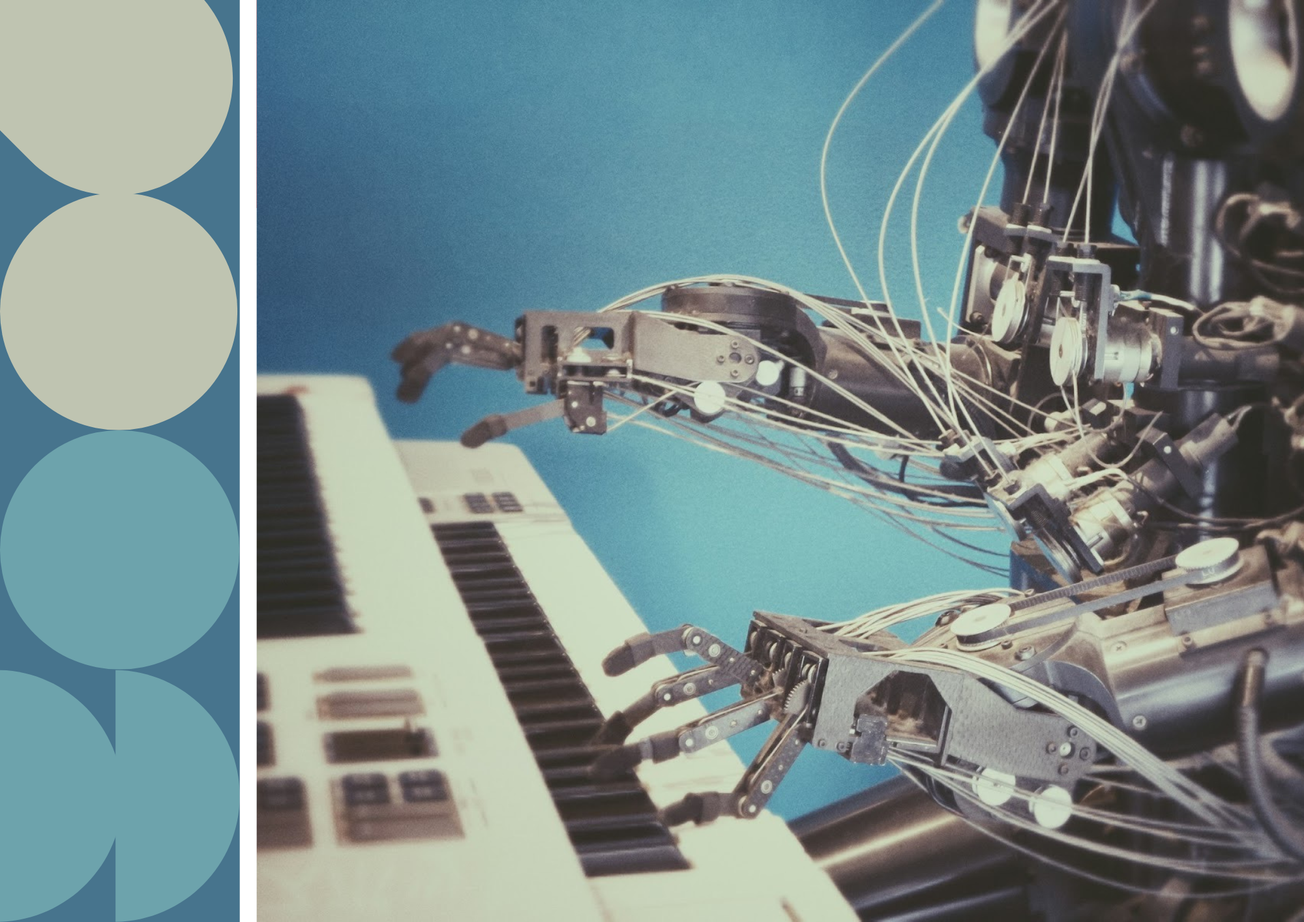
Featured image: Possessed Photography / Unsplash
Do you think AI music could ever have a real future in the music industry?