By Lenny Osler, News Reporter
Education Secretary Bridget Phillipson has announced that maintenance grants - previously abolished in 2016 - will return for ‘tens of thousands’ of students across the UK from disadvantaged backgrounds.
The grants will be accessible through the Lifelong Learning Entitlement (LLE) loan system, starting from January 2027.
These grants will support students of lower-income households through university degrees, technical qualifications, and other higher education courses.
The government says that by supporting those from lower-income households to navigate university with debt-free grants, they are putting universities ‘back in the service of working-class young people’.
This is part of the government’s wider plan to bring about equality of opportunity within education. The maintenance loans currently in place have declined 20% in actual value over the past 5 years. Despite this, students graduating from universities in England in 2025 have a debt of £53,000 per person on average. The scheme is expected to relieve some of this pressure.
To be eligible, students must be ‘studying priority courses that support the industrial strategy and the Labour government's wider mission to renew Britain’. It is still unclear as to the government’s definition of a ‘priority course’, but this will likely be announced in the November budget.
According to one Bristol first-year student, the grant eligibility is not extensive enough:
‘In my view, the limitations of the grants deny lower-income students the same variety of course options afforded to those who don’t need that financial help.’
The grants will be means-tested, meaning the amount will depend on household income - much like maintenance loans. The methods of means-testing within the existing LLE system are currently unclear.
The policy will be funded by a 6% levy on tuition fees charged to international students. This will apply only to universities in England and will particularly affect institutions with high volumes of international students, such as UCL, KCL and LSE.
Since home tuition fees were frozen at £9,250 per year between 2017 and 2025, questions may be raised regarding the impact on university funding. More specifically, academic research, facilities, and infrastructure could be affected.
Universities increasingly depend on international fees. Taxation could result in universities raising international tuition fees to pay the difference, potentially discouraging students to migrate here for university.
At the University of Bristol, between 27% and 30% of students are from overseas. While this tax will not be directly imposed on overseas students, the cost may be passed on to them if fees are subsequently raised. Moreover, the revenue provided to UK universities from international fees amounts to over £10 billion per year.
Epigram interviewed a first-year student from France, who admitted that while ‘inclusivity will be upheld’ by the maintenance grants, the ‘cultural and intellectual diversity’ that international students bring to the university could be diminished.
The government intends that the money generated from the levy will fund maintenance grants. It will also contribute to wider investment in education across the UK, the nature of which is so far unclear.
The general secretary of the University and College Union, Jo Grady, has called on the government to ‘fix our universities through huge public investment’ rather than passing the cost on to foreign students.
The levy’s possible impact of reducing overseas applications may reduce net migration levels. This could be seen as part of the Labour government’s attempts to draw in more of the electorate with immigration controls enacted implicitly alongside financial grants.
On the other hand, Epigram spoke to a Bristol home student who saw this as the ‘first tangible step the government has taken to tackle the student debt crisis - something that wealthy international students don’t have to reckon with’.
The levy could raise £621 million per year in England alone, but the question put to the government seems to be whether this will make up for potential losses within the wider higher education infrastructure.
In Bristol, students generally seem to express support for the overall scheme, but retain concerns as to its limitations and the knock-on effects of the levy.
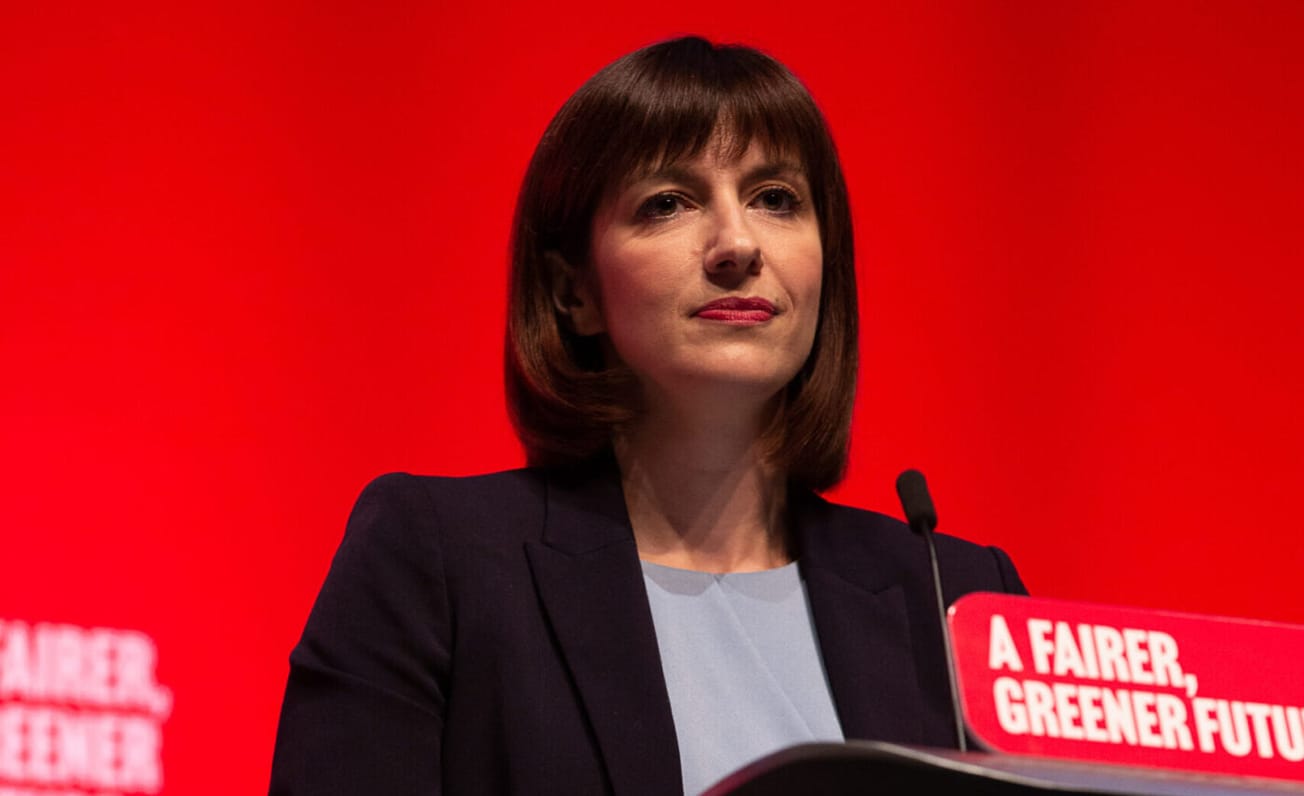
Featured Image: Bridget Phillipson / Labour Party