By Janine Tan, Second year, Law
One of the most exciting things in Bristol’s film scene is the Bristol Film Festival (BFF). Perhaps you remember going somewhere special to watch a film, somewhere so unusual that it felt like an adventure in itself? BFF is committed to this tradition of pop-up cinema. All year round, it screens wonderfully eclectic films in a host of venues important to Bristol’s cultural landscape.
The Festival began with the same philosophy it still has 10 years later — to transform a venue into a cinema, to give it its own character, and to pair a worthy film with it. Horror, you can imagine, is uniquely suited for this.
Starting from 14 October, the Festival is rolling out their Halloween programme. Their offerings include anything from 1920s and 40s black-and-white horror (such as Faust (1926) and Night of the Demon (1956)), to cult ‘video nasty’ horrors (like Ghostwatch (1992)), and even quasi-horror cultural institutions (like Twilight (2008) and The Rocky Horror Picture Show (1975)).
If you think that each of these films are intended for a certain audience, you’d be wrong. A big part of this, says festival director Owen Franklin, is that there’s no such thing as a set demographic. Many of their films overlap in terms of audiences massively, because of the weird and wonderful way that a classic film has a transcendental appeal.
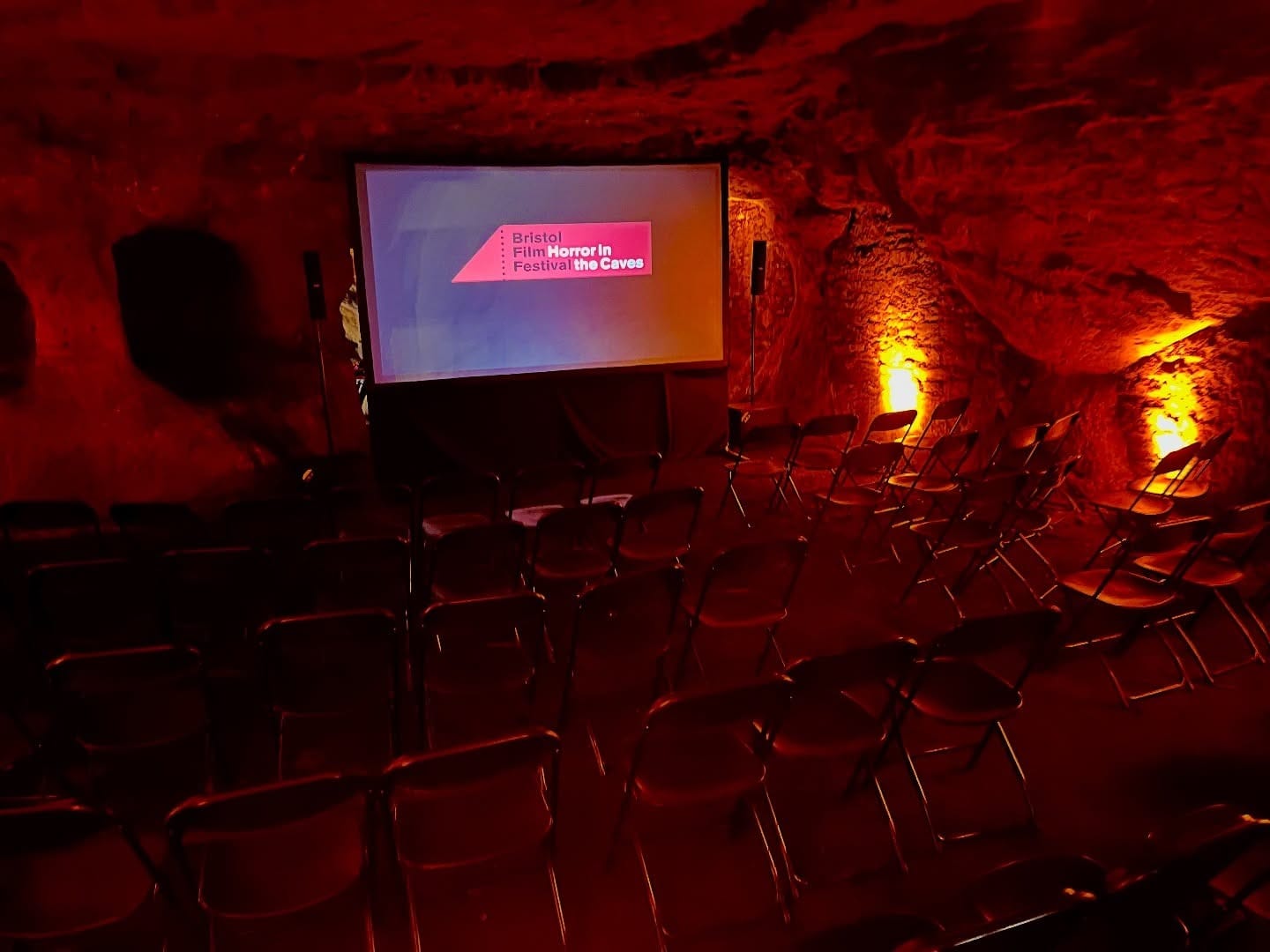
A special few of these films will be screened in the Redcliffe Caves. These historic caves are usually closed to the public, but BFF hosts its annual ‘Horror In The Caves’ cinema season here. This year’s selections are about delving into the depths of darkness — literally, in the subterranean nightmare of The Descent (2005), and more metaphorically too, in the found-footage classic The Blair Witch Project (1999) and Sam Raimi’s The Evil Dead I and II (1981, 1987).
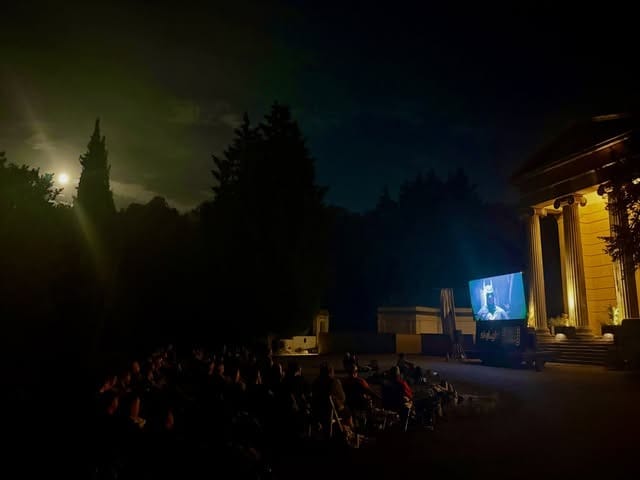
A new venue, even for BFF regulars, is the Ashton Court Mansion. This is one of West England’s most beautiful country houses from the 14th century and, not to mention, deliciously on the nose to host two English haunted house films for its 10th anniversary. This includes the ‘Hammer horror’ The Woman in Black (2012), from the company which reintroduced icons like Dracula to the public in the 1950s, and The Others (2001), that won Nicole Kidman a BAFTA and Golden Globe nomination (which, the more you know, is James Won’s favourite horror movie!).
In quintessential BFF style, you can expect special food and drinks in homage to the screenings. Some highlights are the ‘blood red’ drinks paired with Stanley Kubrick’s The Shining (1980) as well as some New Zealand wines for the infamous Wellington-set What We Do in the Shadows (2014).
But what is the point, other than a little fun, of adding all these extra frills? As the Festival says, it’s to create a film experience unlike any other.
There’s a theory about this from Riana Slyter, a Communication Studies professor. She says that watching a horror movie is a ‘snapshot memory’. You tend to remember these films well because it’s so intense and comes with so much adrenaline. It’s like how you’d remember facing a huge phobia, like public speaking. It’s scary, and that’s why it’s so memorable.
But there is a lot of conversation now, especially within the horror community, about the ever-increasing threshold of fear. You may hear more and more people walking out of horror films saying, ‘that wasn’t scary’. So the problem becomes, how do we help people engage more intimately with horror, when it doesn’t scare them anymore?
Perhaps BFF’s approach is important, then, because it puts us in the shoes of the characters. Not literally, of course — they can’t recreate the exact events of The Shining in the real Overlook Hotel (or at least, let’s hope not).
But what they can do is take us out of the four walls of a cinema, bring us to a hotel lobby in Bristol, and serve us bloodlike drinks. They can put us in a real, dark cave as we watch the characters from The Descent get trapped in a monstrous cave. They can do all these things to take us deeper into the narrative, deeper into the characters’ shoes, so that, even for a second, our sense of artifice shatters.
That is the very cool paradox of Bristol Film Festival this October. That you can be up against immersive and enhanced feelings of fear, but equally, tremendous bouts of joy and fun. Which is, I think, a very sacred thing that makes movies meaningful.
For the Halloween programme, you can visit www.bristolfilmfestival.com.
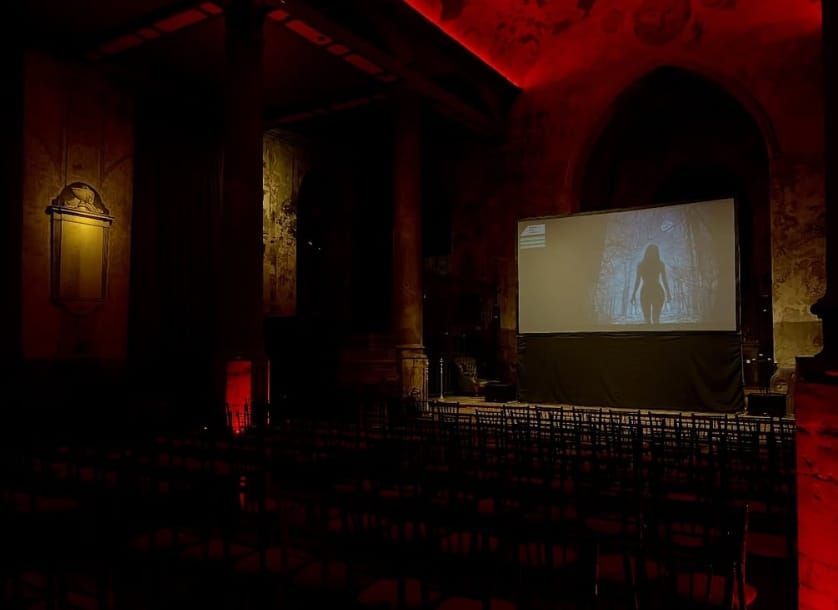
Feature Image: Instagram / Redcliffe Cave Screening