By Brontë Harris, News Reporter
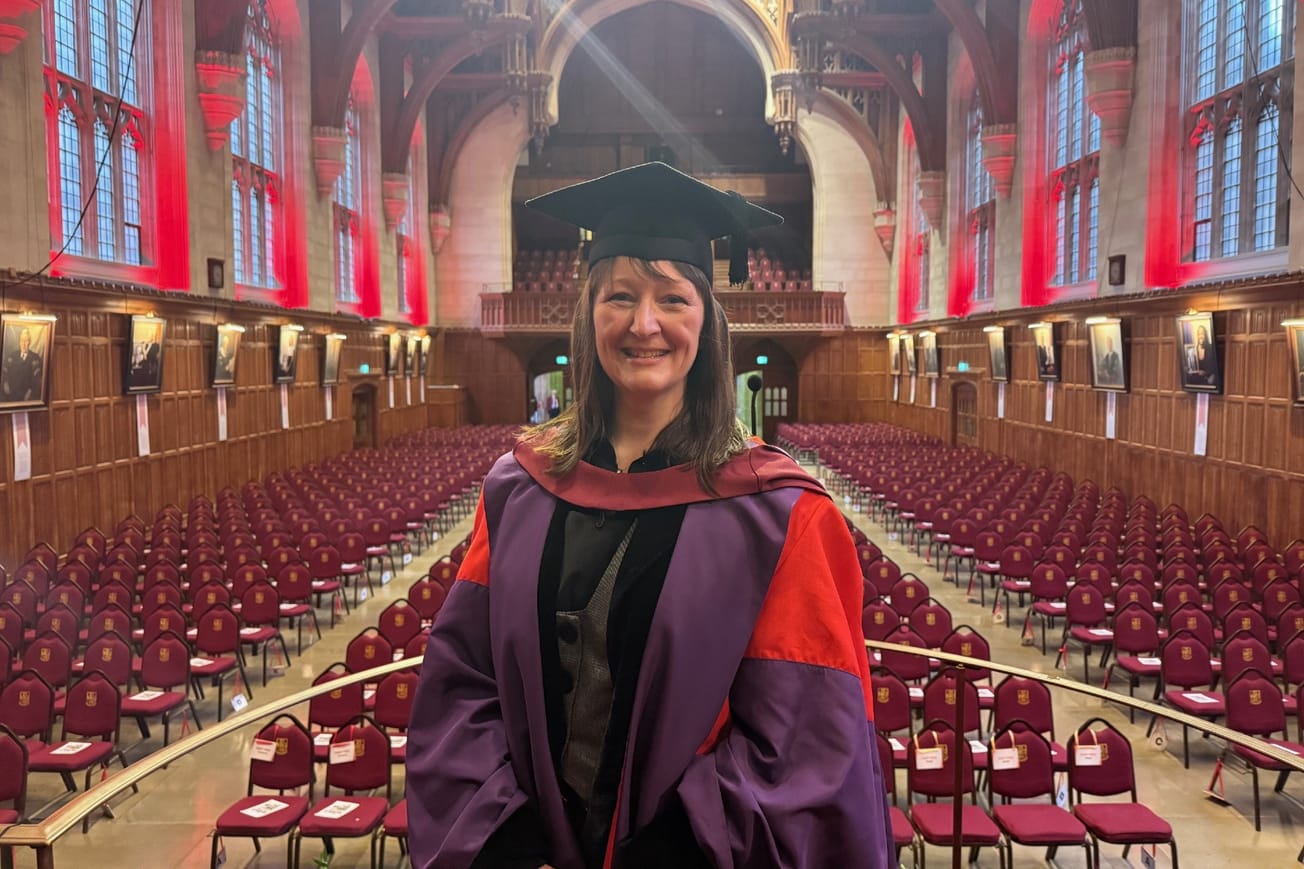
PhD student Dr EmmaLucy Cole graduated this week despite suffering a traumatic brain injury from a motorbike accident that severely impacted her studies.
The accident left her with post-concussion syndrome, fatigue, nausea, dizziness and memory-loss, just after her second year of PhD study.
EmmaLucy was also a lecturer at the University of Bristol and was a passionate adventurer, all of which was lost after the accident.
After returning to her studies, EmmaLucy said ‘I was exhausted. But this was a different kind of exhaustion.’
‘My loss of memory meant that I had forgotten all my research and had to go back to my uncompleted thesis with fresh eyes as I couldn’t recall what I had done and how I had come to the conclusions I had.’

EmmaLucy told Epigram her research took her to a two-year residency with a Bedouin community in Sinai. After witnessing ‘first-hand some of the ways in which marginalised groups can be misrepresented,’ she committed her PhD to understanding how linguistic manipulation can impact indigenous communities.
Despite newfound struggles following her accident, she was determined to finish her PhD, and the university offered a range of disability services that helped EmmaLucy reintegrate into student life and complete her thesis.
The University of Bristol’s Disability Services Department created a unique support plan with certain reasonable adjustments to aid in completing her thesis, EmmaLucy said to Epigram. She was given advice about assistive technology, such as dictation software, and taxi support to help her access the campus and her supervisors.
As well as accessibility issues, EmmaLucy also experienced financial difficulties as she was unable to work following her accident, adding that ‘the University provided some financial support which really helped.’
The department recommended external sources of support, such as Disabled Students Allowance funding (DSA), which covers some of the additional costs during studying because of a disability.
EmmaLucy also highlights the non-profit charity Headway Bristol, which supports people affected by brain injury, as particularly ‘life-saving’ throughout her studies.
Disability Advisor, George St John, congratulated EmmaLucy’s achievement, ‘We are so happy for EmmaLucy’s success. Graduating with a PhD is a huge achievement, and really reflects her hard work, determination, and resilience.’
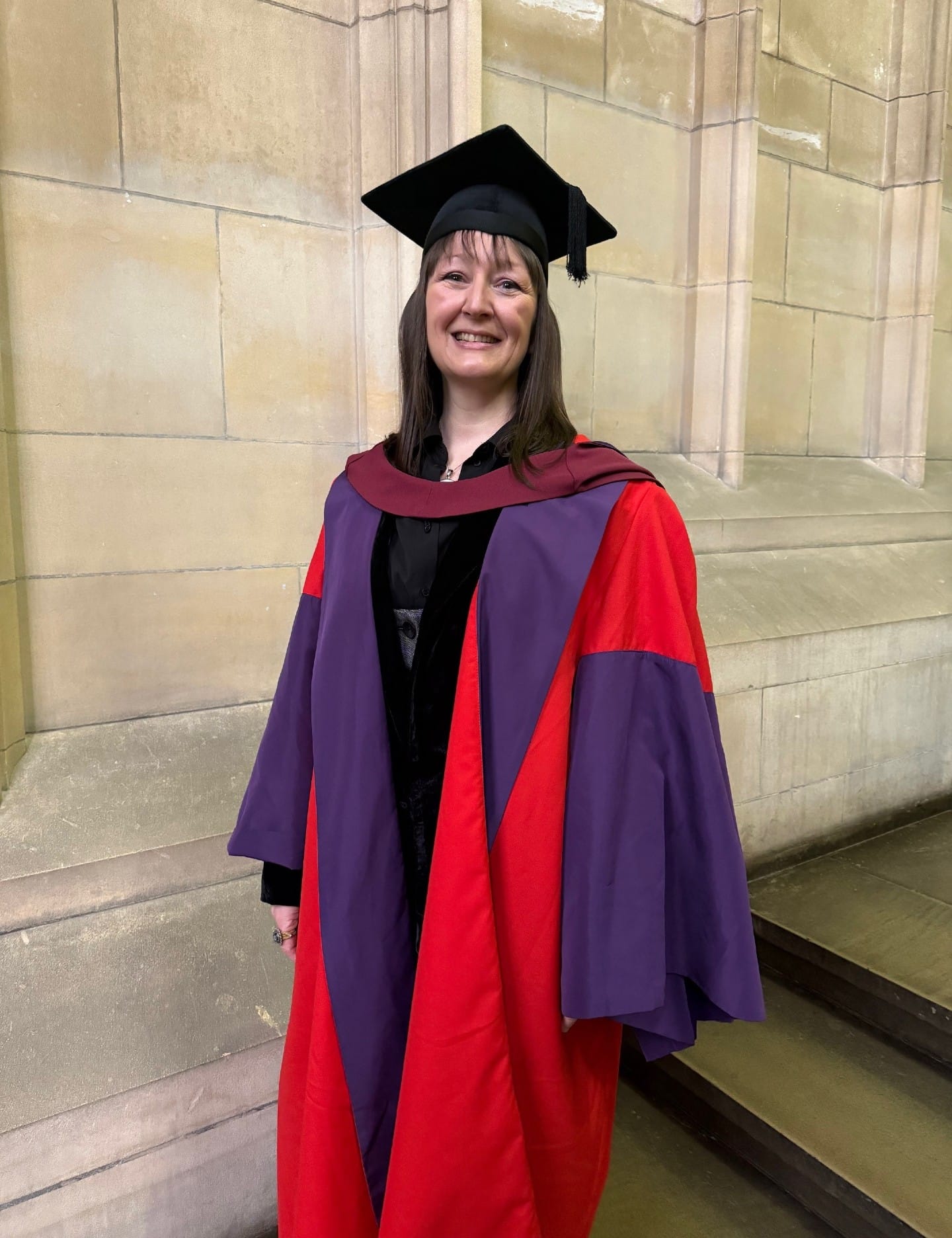
Dr Tari Puri, one of EmmaLucy’s PhD supervisors from the Department of English, praised EmmaLucy’s determination in the face of her accident:
‘Emma was a joy to work with. She was a deeply thoughtful and meticulous student, and I was always impressed by her research, especially given the challenges she faced.’
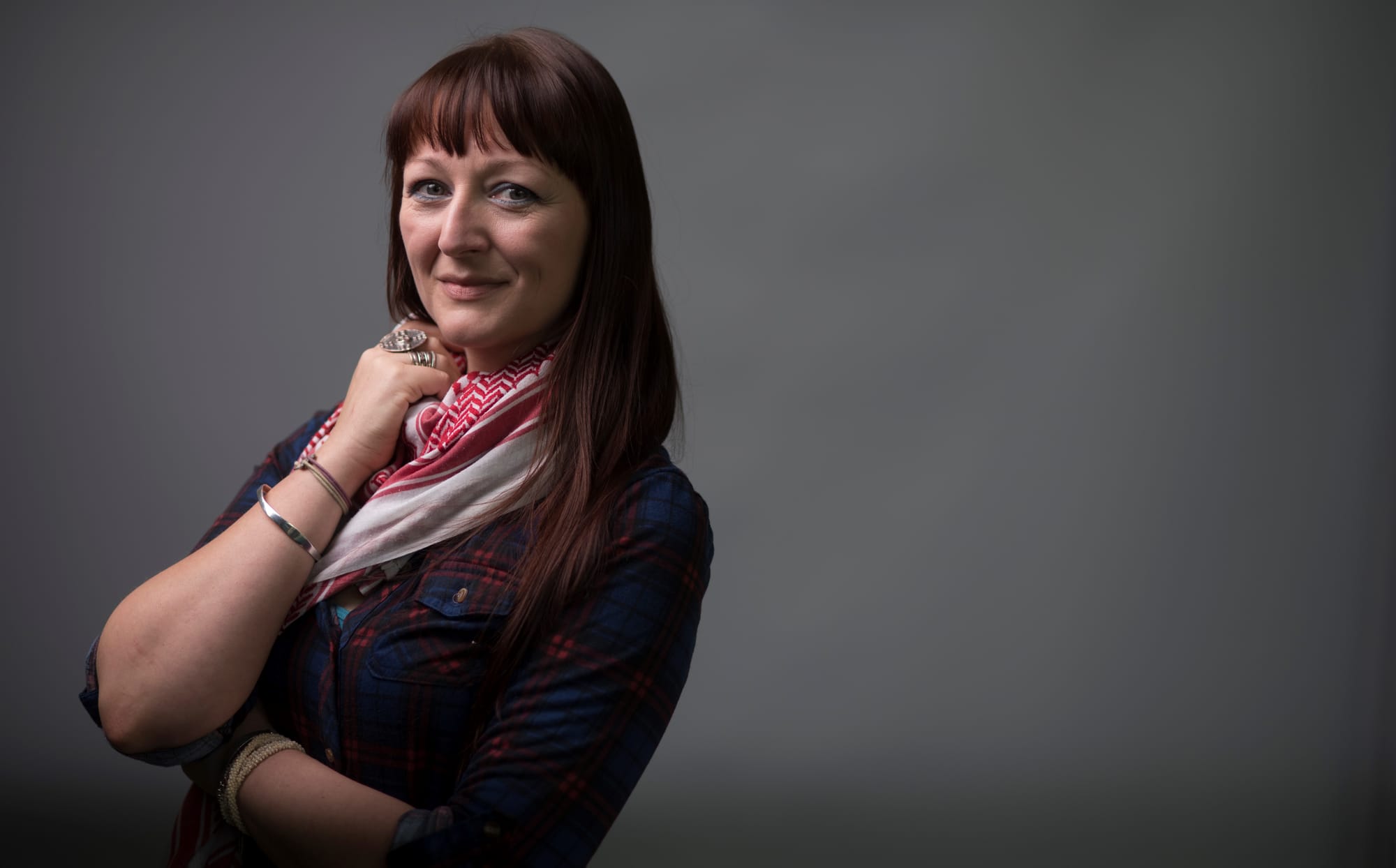
‘I am extremely relieved to have managed to complete the PhD, with the support of my fantastic supervisors, the team at disability services, and vital support from Headway Somerset,’ EmmaLucy said.
EmmaLucy told Epigram that someone who hits their head, ‘should immediately get medical advice’ because of the chance of post-concussion syndrome, which is ‘debilitating and life-changing.’
She also encouraged other students going through a similar situation to ‘make sure the people around you know what you're going through.’
‘Head injuries can be very isolating so I'm extremely grateful for all the support I've had around me.’
 Beth Robinson
 Cara Hene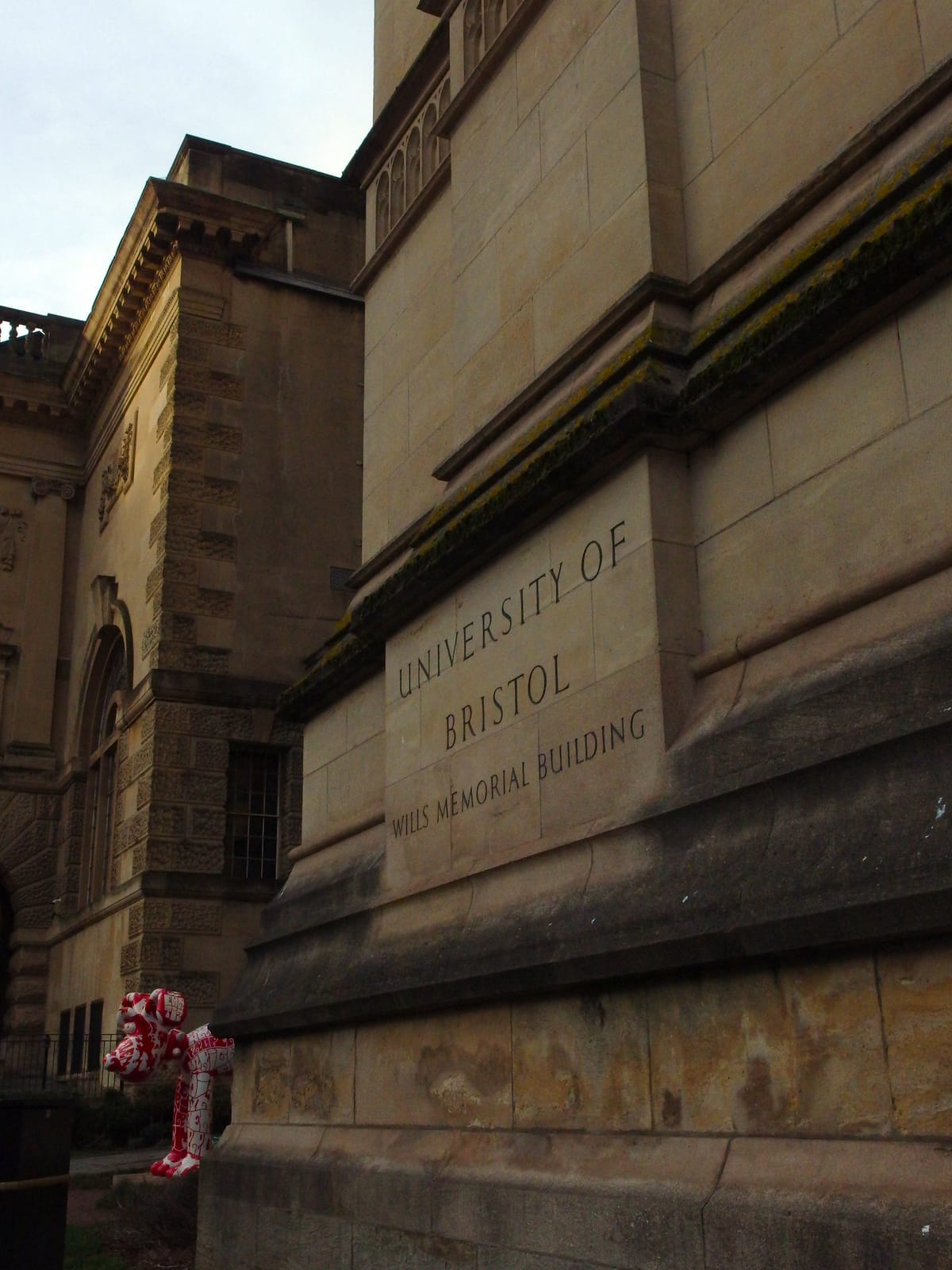
Through strength and determination, she completed her thesis and crossed the Wills Memorial stage as a PhD graduate last week.
Featured image: University of Bristol