By Grace Golby, Fourth year, German, Russian and Spanish
Vibrant vendor markets. Fiercely independent restaurants. Sustainability and creativity. Bristol’s contemporary culinary scene often devours the social media feeds of its students, leaving them unwittingly fork in hand on a Monday evening after lectures. But before you turn back to TikTok, time travel with me through the history of Bristol’s eclectic food scene. We will see how we got here today, looking at innovations, sustainability-powered infrastructure, and the development of the sprawling restaurant scene that sits on our doorsteps.
Chocolate Bars and Mixing-Up Milkshakes
Watch that student loan because our first stop features a cumulatively costly friend - chocolate. Winding back to our starting point of 1847, the solid chocolate bar is often considered Bristol-born.
For many years prior, the idea of a bar of chocolate, a product now often found lining supermarket shelves and fridges alike, was absurd. Ironically enough, it is the idea of surviving without chocolate bars that now seems rather absurd. Regardless, back then chocolate was only found as a soluble cocoa powder, processed in a hydraulic cocoa press (like that patented by Dutch chemist van Houten). Not quite yet the snack inhaled in busy university corridors, it was often made into a drink for aristocrats. Anybody up for a hot chocolate?
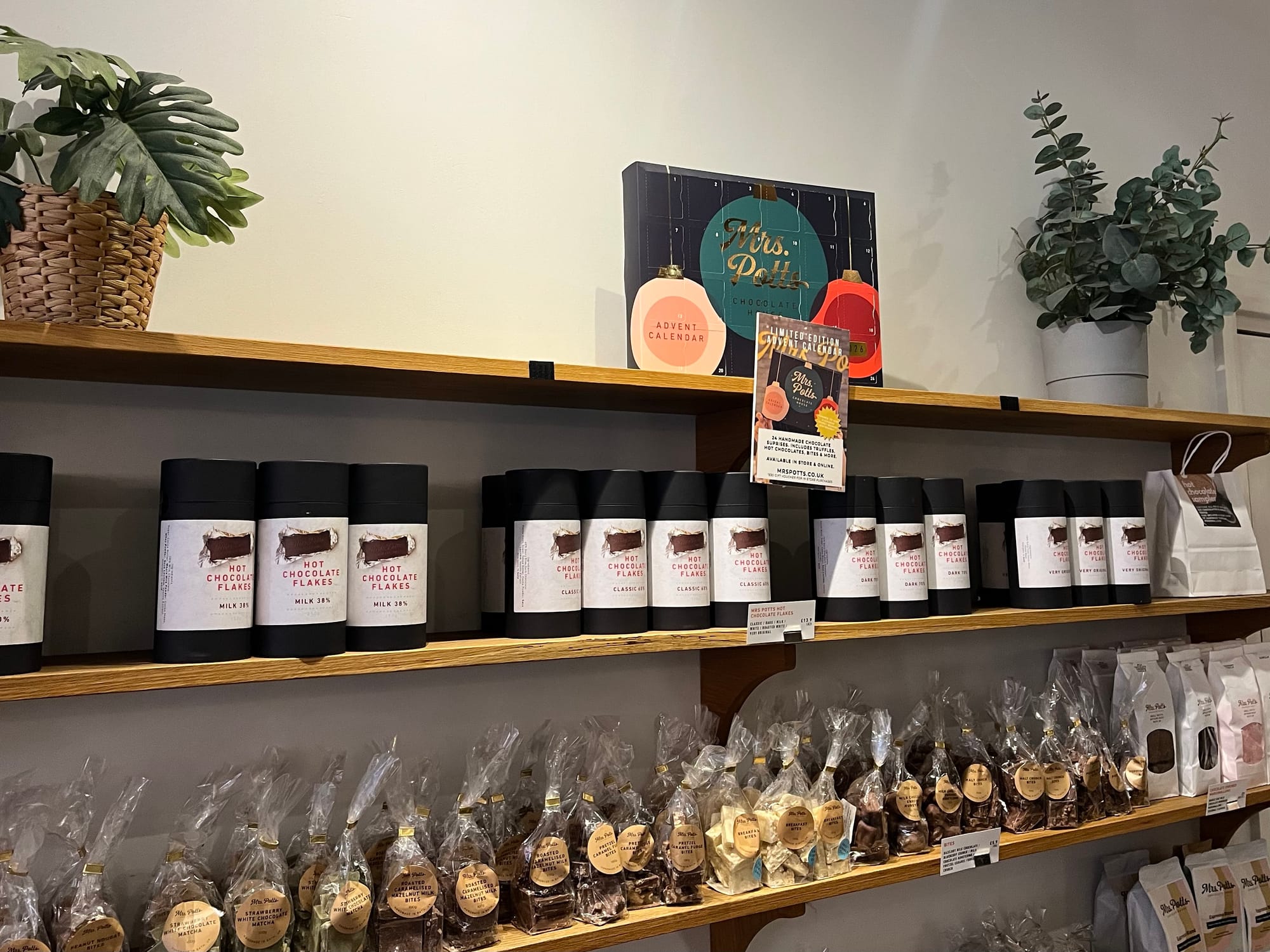
This chocolate scene was disrupted in Bristol during that year of 1847, when Joseph Fry (of J.S. Fry & Sons) combined cocoa butter, cocoa liquor and sugar to produce a paste that hardened into an edible form. And then we had chocolate bars… and the downfall of the student budget.
Now, as great as chocolate is, this innovation offered benefits beyond the sugary staple itself by supporting the local economy. In the late 19th and the 20th centuries, the chocolate industry became a significant employer in Bristol, with J.S. Fry & Sons and Cadbury’s becoming key players. This legacy is currently preserved in Keynsham with ‘The Chocolate Quarter’, a retirement village built from the old chocolate factory. Unfortunately, you will not find any Wonka-esque sights there today, but it does mark a key point in Bristol’s culinary development.
Let’s move on a few years to 1938, when Bristol saw the breakthrough of a childhood favourite - Ribena. Founded by a University of Bristol scientist, Dr Vernon Charley, it was an accidental discovery, that took place at Long Ashton Agriculture and Horticulture Research Station in North Somerset.
Initially, experiments there focused on milkshakes, aimed at repurposing the oversupply of milk and limiting the impacts of trade shortages regarding fruits and vegetables. They focused upon adding fruity syrups using a pectinase enzyme process. For my friends in the humanities, pectins are complex carbohydrates found within the cell walls of fruits, supporting their structural integrity. They must be broken down in a fermentation process to extract the fruit’s flavour.
Yet, instead of flavoursome milkshakes, Bristol saw the processing of blackcurrants into Ribena. This drink became especially significant during the Second World War, when shipments of fruits rich in vitamin C, such as oranges, became scarce. During this period, it was distributed to children and pregnant women for free, with the aim of preventing weakened immunity and widespread illness.
Restaurant Revamps
But we cannot just look at individual products. For something just as sweet, we must travel forward to 2018 to look at Bristol’s wider restaurant scene. During this peak year, Bristol had five Michelin-starred culinary establishments. Today, two still remain, with the loss of the others likely being due to complications exacerbated by the Covid-19 outbreak.
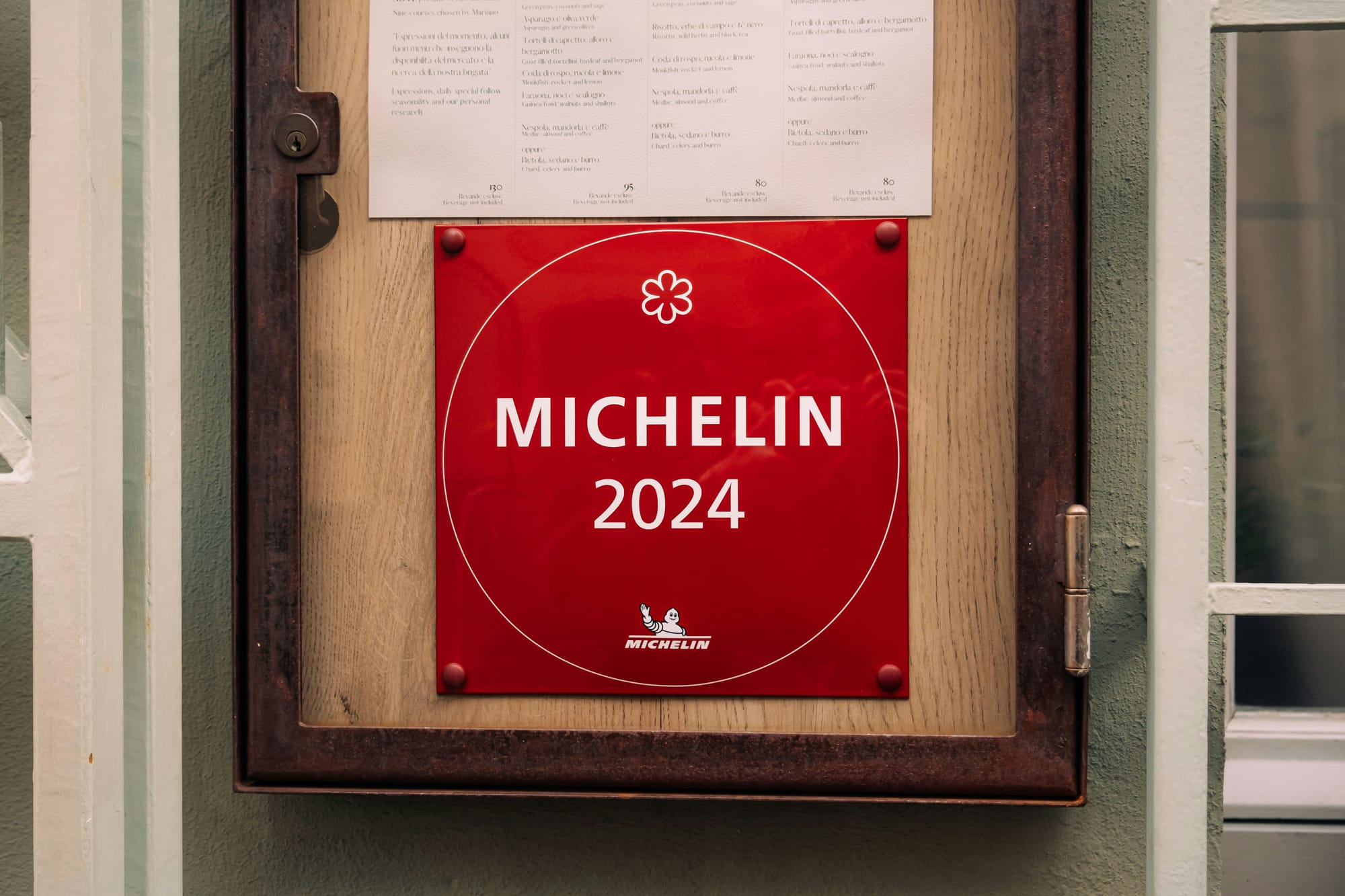
But what makes a Michelin-level establishment? Consistent high standards, good quality of ingredients, innovation with flavour, and good value for money are key. It is an ultimate honour in the culinary industry to receive such a rating; Bristol receiving five highlights how it is a city willing to push the boundaries of food. Ambitious restaurants like these often inspire their neighbours, dragging students away from instant noodles from time to time.
Beyond the starry heights of the Michelin guide, Bristol’s multicultural restaurant scene is undoubtedly creative. The city has one of the UK’s highest concentrations of independent restaurants. Many of these have seasonal menus, allowing both chefs to play with flavour and guests to try produce at its peak.
For years, Bristol has also had a culturally diverse portfolio of food establishments, some of which run out of vendor markets, such as the Harbourside Street Food Market and the Temple Quay Market. Many now popular restaurants in the city started as market stalls, with the market often acting as a lower-stakes testing ground for new snacks and dishes. Opened in 2017, Wapping Wharf also features many food businesses operating by the harbourside out of converted shipping containers.
Stirring In Sustainability
Baked into (excuse the pun) Bristol’s culinary footprint is its sustainable backdrop. After all, you cannot cook without ingredients… at least I would not recommend trying.
If we travel to the early 2020s, the Covid-19 pandemic provides a look into what happens when supply chains are stretched to their limit. Then, ‘thousands of people across the UK – including here in Bristol – found themselves in need of emergency food support for reasons including job loss, having to self-isolate with no pay, or being told to shield when normal methods of accessing food were disrupted.’ Many businesses also faced closure, partly due to disruptions in deliveries. As Bristol students, we currently rely on these same supply chains to determine the types of food we can consume, both in terms of price and/or physical availability. If we lack access to the ingredients, Bristol’s multicultural and innovative food scene can not operate to its full potential.
Impacts of this broken-down dependency on supply chains, reignited food consciousness in the city. Specifically, it encouraged 82 organisations and numerous individuals to contribute to the ‘Going for Gold’ initiative, a series of sustainability focused initiatives to achieve the goals of: ‘reduce food waste, grow the city's good food movement, address food inequality, increase urban food growing, improve catering and procurement [,and] tackle the impacts of our food system on public health, nature, and climate change.’
 Phoebe Altman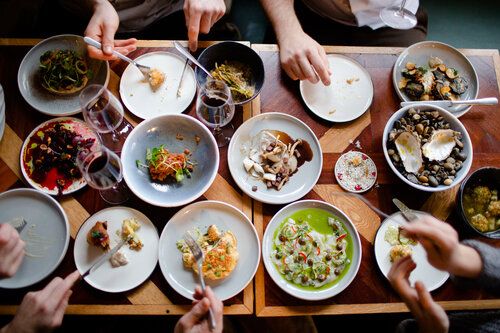
The Bristol Going for Gold website had 91,538 unique page views as of the 15th of March 2021, leading to the UK’s independent, Sustainable Food Places Board awarding Bristol Gold Sustainable Food City status in May 2021. This has left a legacy to backdrop the current culinary scene we enjoy, supporting the hands behind the innovation.
And now we reach 2026. And out of the TARDIS we step. Bristol has a powerful culinary spirit. So go and pick up that fork, Bristol awaits.
Featured Image: Epigram / Mohamed Aidid
Which Bristol food spot is your favourite?