By Katie Asha, Music Deputy Editor
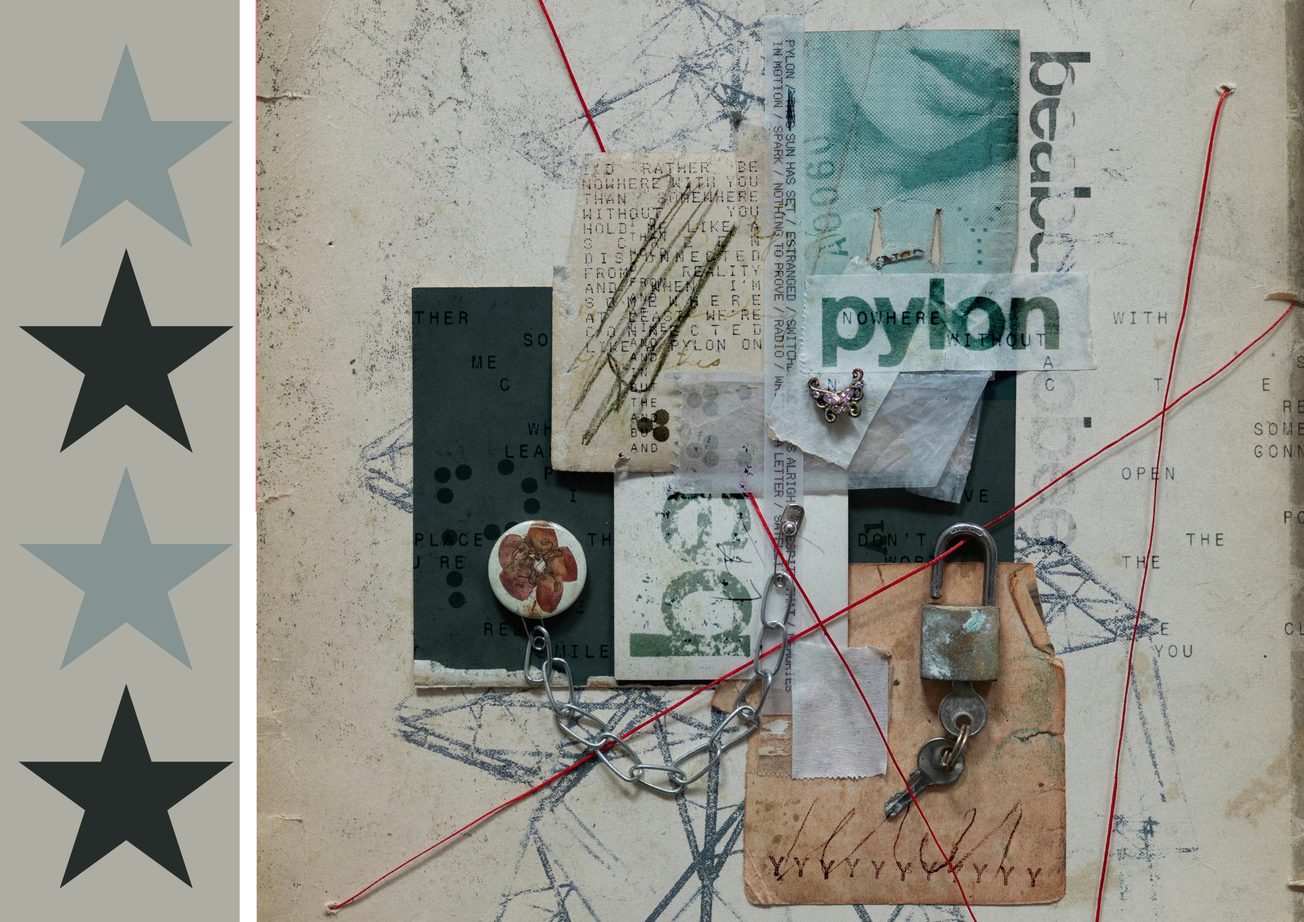
“Hold me like a screen” is one of the opening lines of Beabadoobee’s new album Pylon (2026), and also one of the most compelling. The record has been described by singer Bea Laus as “angry, lonesome, ecstatic, depressed, and deeply, pathologically in love”: it is an honest and emotionally raw exploration of what it means to love someone cross-country, and across more turbulent periods of adult life.
While the album is very sonically timeless, it is authentic to our current reality – our current reality being that most of us have a somewhat obsessive relationship with our personal technologies. Even the usage romantically of a pylon as the extended metaphor of an album is interesting: pylons are the lifeline of Laus on her tour; a distinctly manmade spiderweb of powerlines snaking around the globe. But being artificial or manmade doesn't negate that they provide connection where it's needed. Pylon does not shy away from the fact that the world is not what it was in the 90s, and that Beabadoobee’s world view is not what it was on the previous record. Instead, it goes to it head-on, gulps it down, and screams it into the microphone.

The album does seem inherently romantic and intimate, even in its anger: allowing yourself to feel passionate, and passionately hateful, of people that come and go throughout your life. Laus’s previous record, This Is How Tomorrow Moves (2024), focused on topics of growing into womanhood, self-discovery, and the domestic turbulence of intimate romantic love. Pylon explores all of those things too, but in their ugliness as well as their beauty – and the record is all the more impactful and grounded for it. “My last record, I had this sureness – like, hey, this is what it means to be a woman, this is what it means to be a grown up. But it felt like it kind of crashed before my eyes,” reflected Laus in the lead up to the album. Lyrics penned by Laus are more direct and needling than ever before; often desperately self-protective while equally vomiting vulnerability up all over the place. They’re also really, really good. “Do you start the fight, or take the flight?” she sings in 'Switchblade', one of the album’s preceding singles. A lot of Pylon seems to be learning to discern what is worth destroying yourself over, and what isn’t.

The strength of this album speaks for itself through its collaborations: rock legends such as Brendan Yates of Turnstile, Chino Moreno of Deftones, and Hayley Williams make an appearance on the record, as well as production credits from Shane Moran of Title Fight, Matty Healy of The 1975 and Evan Stephen Hall of Pinegrove. Laus seems to be going back to her roots in many ways, not least in her own description of her album as being nostalgic: reminding her of being “sad as fuck writing songs in my room”. Pylon encapsulates the intense emotions of adolescence paired with the refinement of a much more experienced artist. The result is an album that feels raw and unapologetic, while also deliberate and artistically assured.
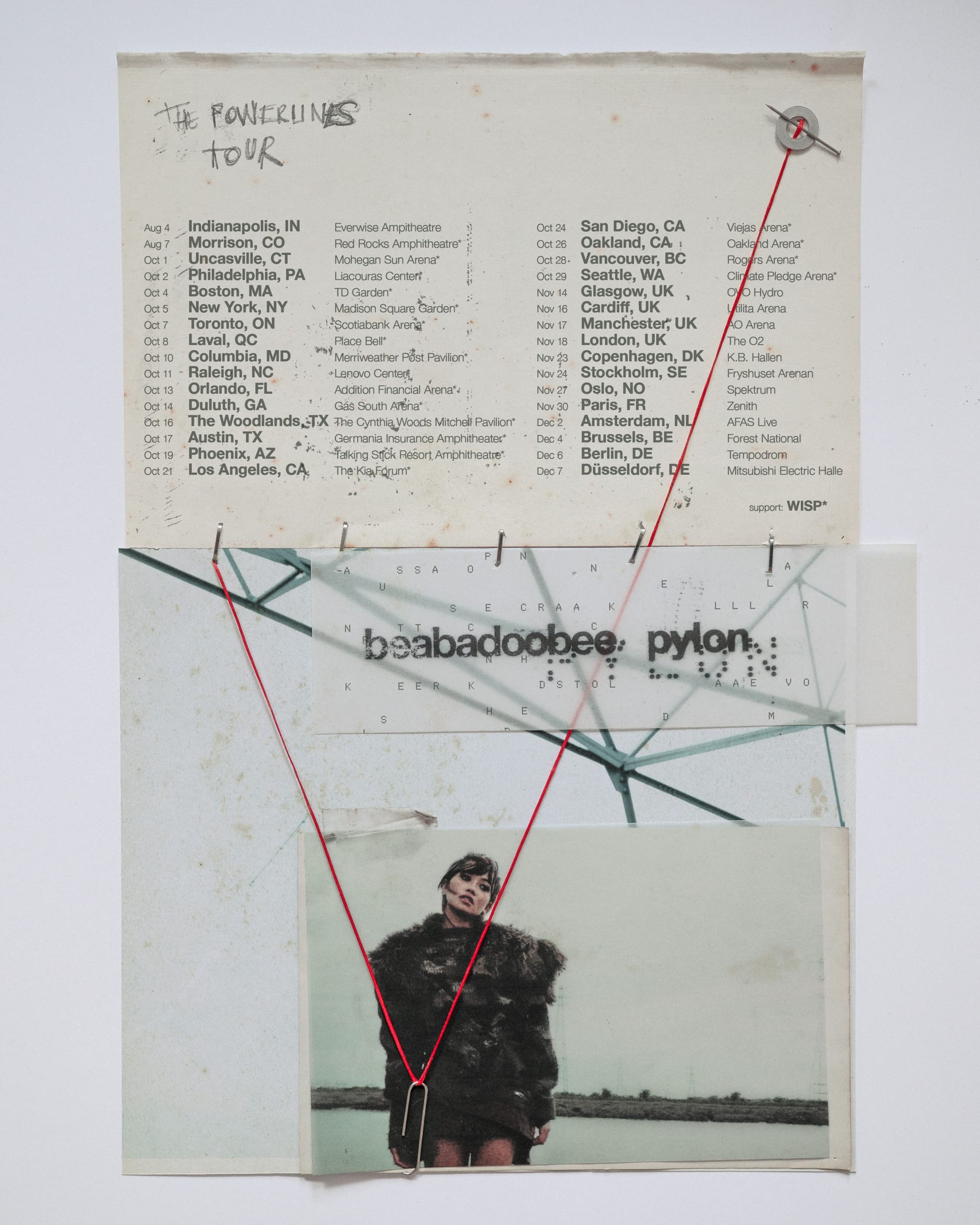
Overall, Pylon is a beautiful album – completely different from Laus’s previous three records, while feeling like completely natural sonic evolution. In her new sound, the singer steps into her midwest-emo musical inspirations more than ever; and has the blessings of several legendary rock collaborators while doing so.
The album centers around the chaos and isolation of a life lived on tour, and the cardiac system of technology that kept her connected to her loved ones throughout. Pylon is: insecurity and estrangement, feeling anger at previous experiences, loss of home and comfort zones, as well as navigating deep, true romantic intimacy for the first time. And throughout it all, pockets of creativity and writing music: powerlines and pylons on an otherwise empty and open road.
 Katie Asha
Featured image: Ian Cheek press
Have you listened to 'Pylon' yet?