By Laura Cooper, Third year, Film and English
Bristol is full of stories new and old, and as Halloween approaches, there's no better time to take a look into some of the spookier tales of the city’s past. There’s a high likelihood you’ll be spending your halloweekend drunkenly applying Sainsbury’s fake blood for a third consecutive house party. But if you find yourself looking for something a little different to do, why not take a trip through some of these hotspots for Bristol’s darkest folklore? From giants, to pirates, to highwaymen, there is plenty to discover on these ancient streets.
The Avon Gorge - Warring Giants
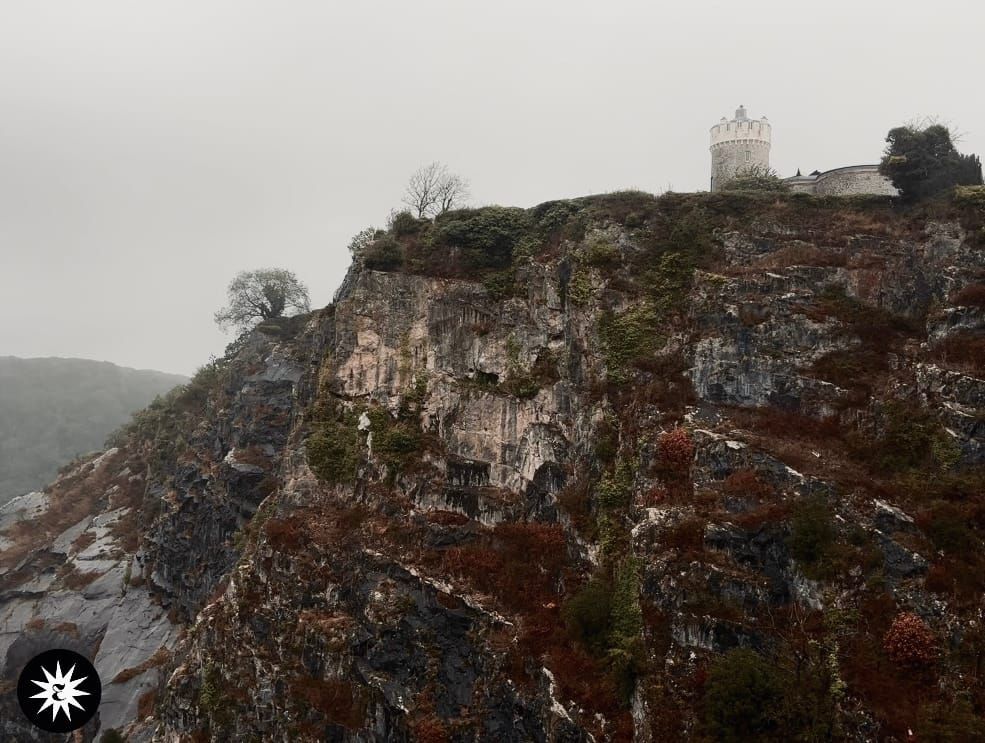
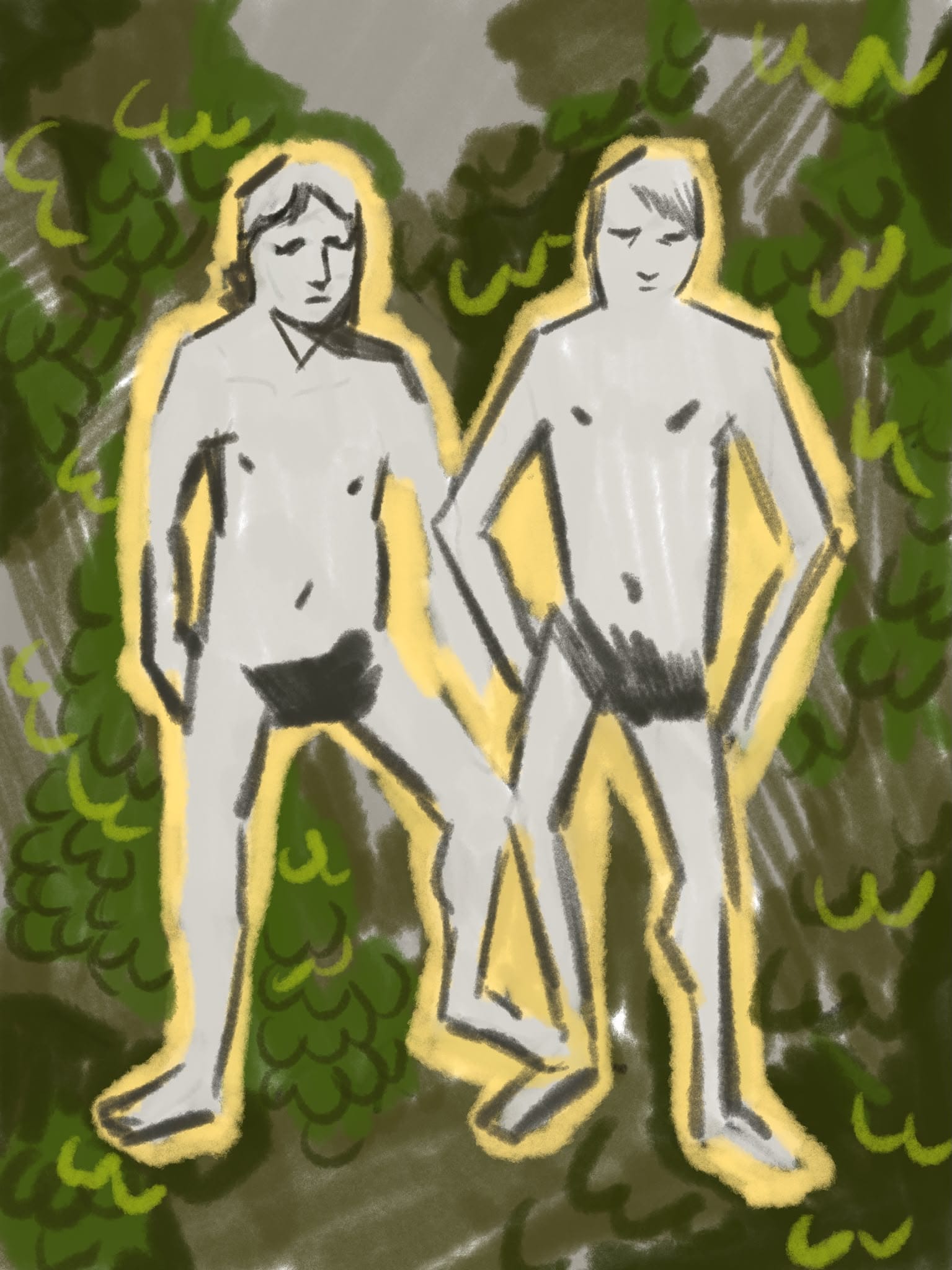
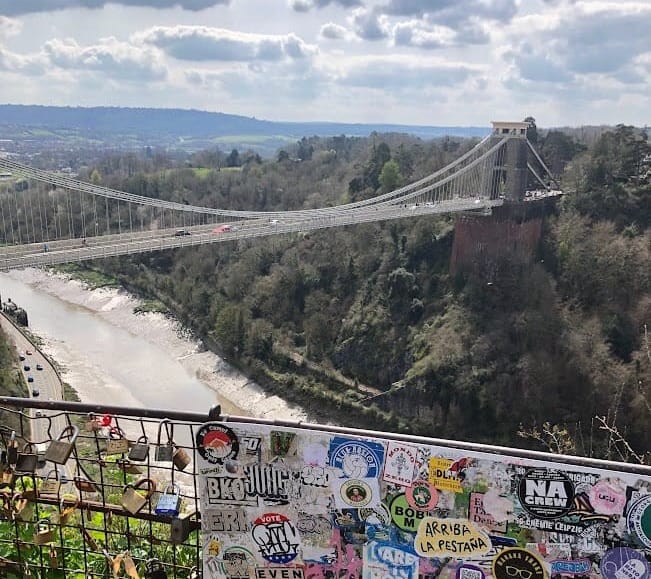
Our journey starts at the breathtaking Avon Gorge with one of Bristol’s oldest tales. The story follows the two giants, Goram and Vincent, and their battle for the hand of Lady Avona. Having been proposed to by both brothers and unable to choose, Avona promised to marry whichever brother could drain a lake in Bradford-upon-Avon, forging a path of water through Bristol. Goram became exhausted and fell asleep, leaving Vincent to carve out the Avon Gorge and win Lady Avona’s heart. While artwork depicting the giants can be found throughout Bristol – with statues at Temple Meads and a stone sculpture in Ashton Court – to get a true picture of this myth Epigram recommends heading to the Clifton Observatory for the perfect view of where Goram tore through the Earth.
SS Great Britain - The Lost Captain
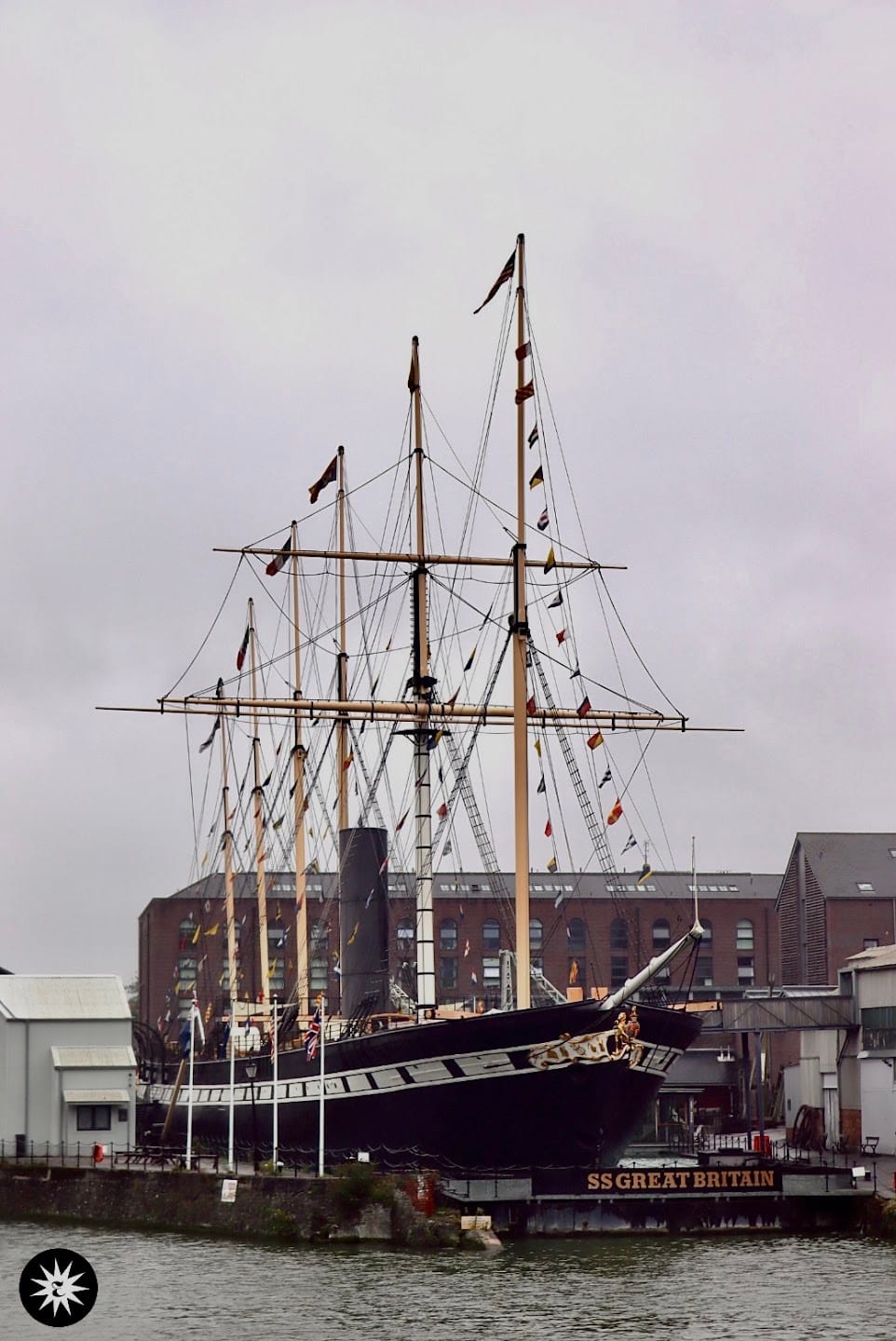
Following the river Avon down to the harbour, you will eventually hit the imposing structure of Brunel’s SS Great Britain. With the ship’s activity spanning the latter half of the 19th century, it housed tens of thousands of passengers and was no stranger to grizzly stories. Since becoming a popular tourist attraction, there have been many reports of ghost sightings on board, the most famous of which being of the ship’s longest serving captain, John Gray.
Gray was a captain beloved by his crew, and it came as a terrible shock when he was declared missing from his chambers with a port window left open on a routine trip in 1872. Rumours of the disappearance ranged from suicide and murder to escaping to find his secret lover; yet Captain Gray was never seen again and was quickly assumed dead. Ever since the ship was repurposed as a museum, visitors have reported hearing the sound of Gray’s hobnail boots walking across the deck, doors opening and closing on their own, and a piano that plays itself.
The Hatchet and The Llandoger Trow - City of Pirates
If your time on the ghost ship has left you thirsty for a quick pint, you’re only a short walk from these two historic city-centre inns, Both of which were notorious for housing gangs of pirates, literary icons, and a fair number of spirits (pun intended!).
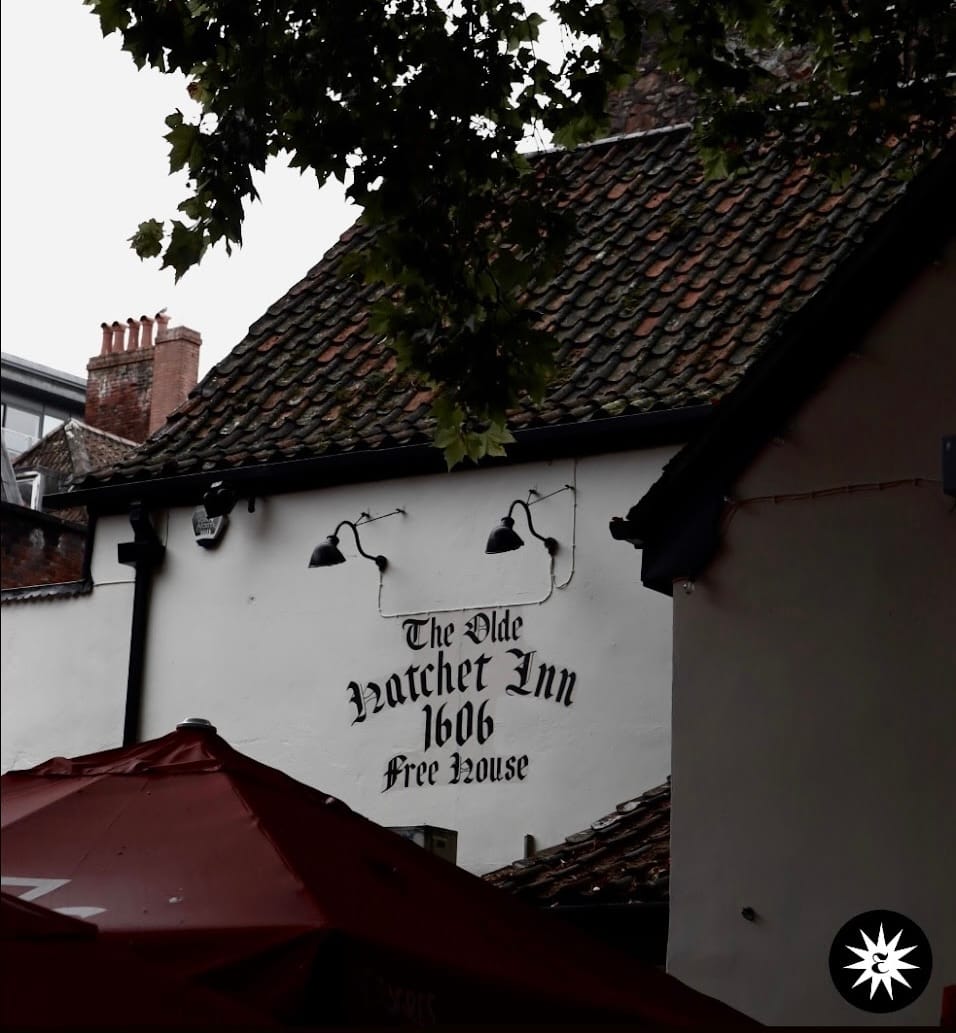
The Hatchet Inn, proudly advertised on its walls as ‘Bristol’s oldest pub,’ has welcomed many nefarious figures through its doors in its long history, most infamously the Bristol-born pirate Blackbeard in the 17th century and the bare-knuckle boxing group the ‘Bristol Boys’ a century later. Speaking of the inn door, gruesome rumours have floated around that it is lined with the skin of executed criminals. This was a common Medieval practice used to send a terrifying warning to other criminals in the area, but the question of whether this was truly carried out at the Hatchet remains a mystery.
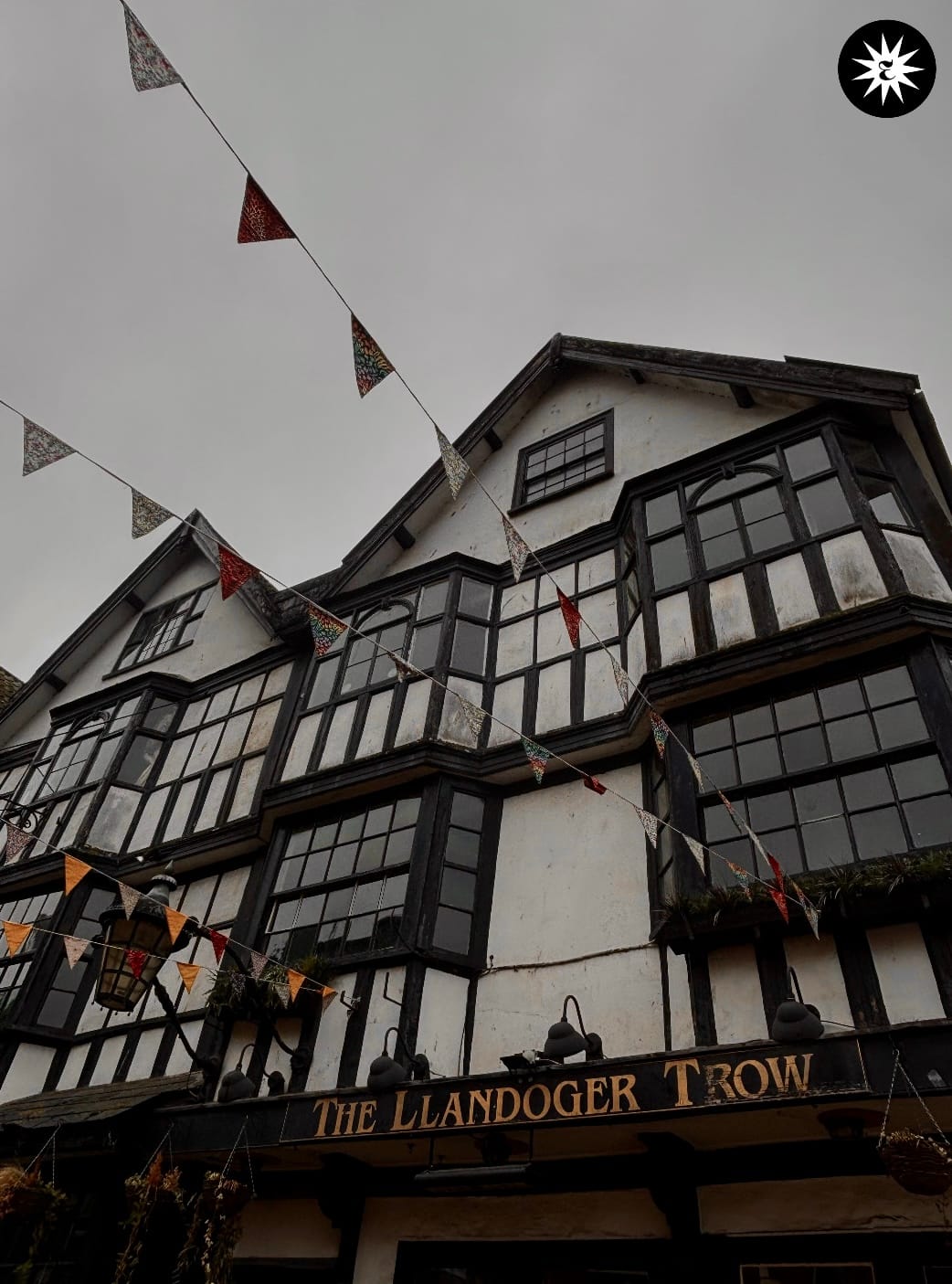
The Llandoger Trow, a King Street institution since 1664, was famously established by a former sailor, Captain Hawkins, and quickly became another favourite haunt of Blackbeard and fellow Bristol buccaneers. The pub was also frequented by celebrated authors Robert Louis Stevenson and Daniel Defoe, whose experiences there are thought to have inspired the classic adventure novels, Treasure Island (1883) and Robinson Crusoe (1719). This is impressive patronage, but the pub is perhaps even more famous for the fifteen ghosts that supposedly inhabit its walls. The most notorious of whom is a little boy named Pierre, who walked with metal leg braces; pub-goers have alleged hearing the sounds of footsteps, faint cries, and metal being dragged across the upper floors, with some even claiming to see the boy slowly ascending the staircase.
Pembroke Road - Beware the Highwayman
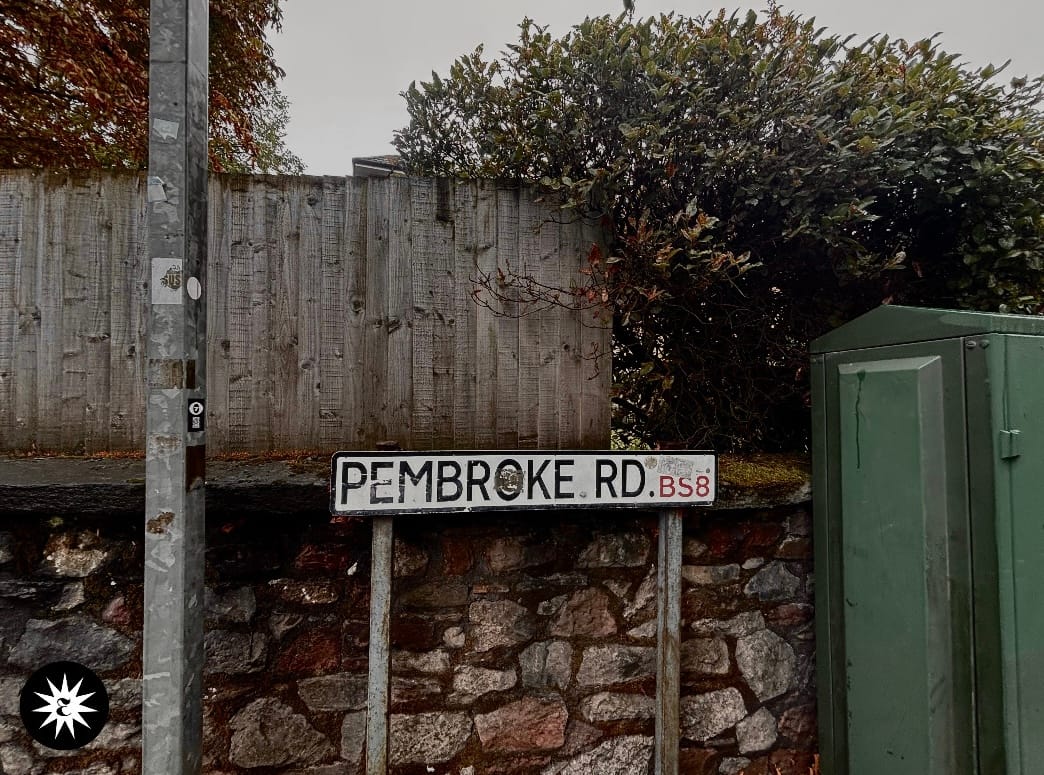
If your tipsy walk home takes you through Clifton at night, make sure to clutch your belongings tightly at the far end of Pembroke Road – because you're crossing the stomping ground of Jenkins Protheroe – a notorious highwayman who operated in the 18th century, robbing, and occasionally murdering, those who had the misfortune of passing by him. The end of the road closest to Clifton Down was known in its day as All Gallows Lane, as it was a site for public executions. Protheroe was ultimately hanged for his crimes at the Gallows, and the story goes that his ghost climbed down from his site of death and has been haunting the misty downs at night ever since.
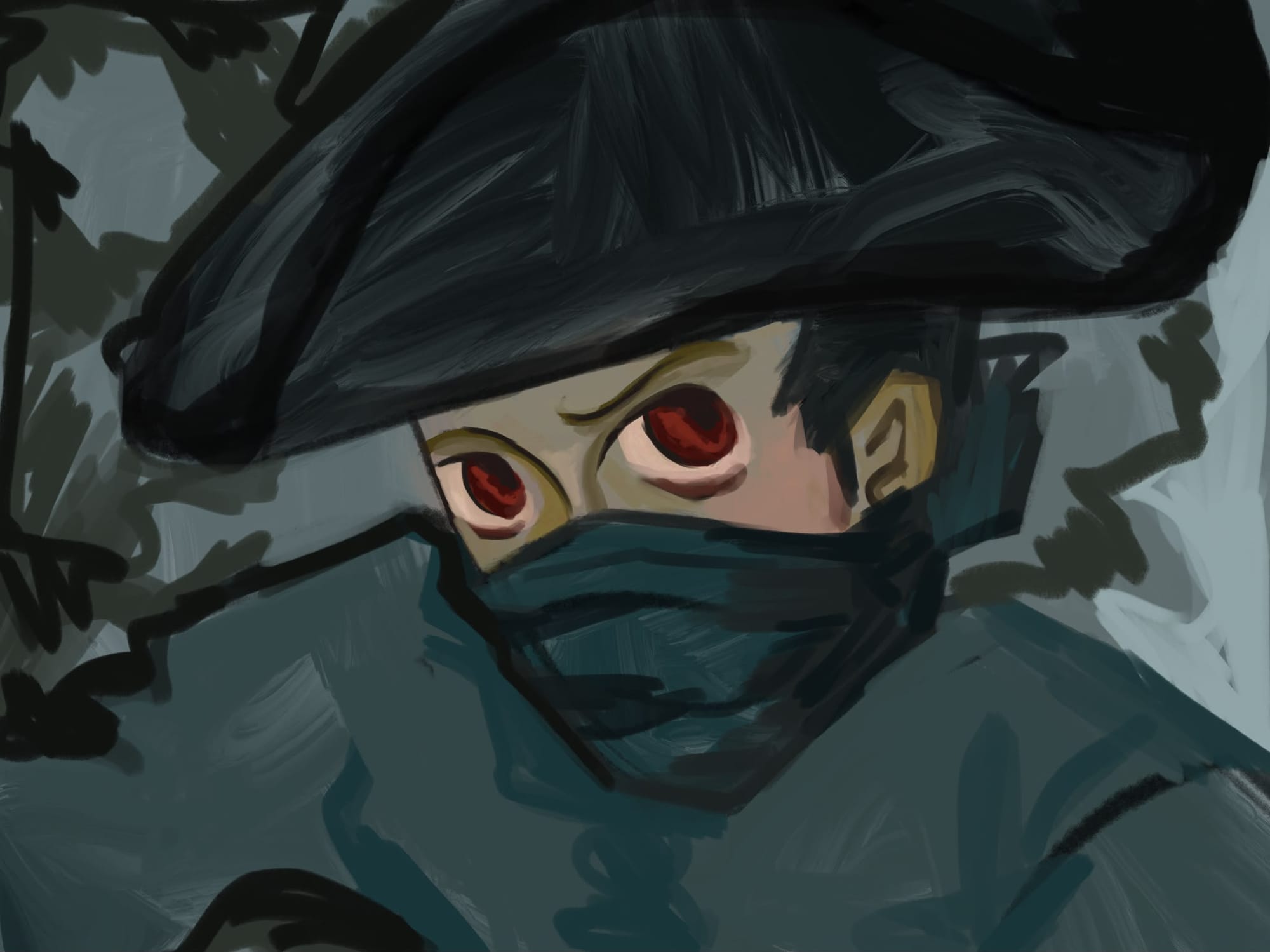
 Milly Middlehurst
This trip through fantastical folklore and chilling ghost stories is sure to liven up your Halloweekend, offering a great way to stop and consider the depth of fascinating history that surrounds us in Bristol.
Epigram wishes you all a spooky, safe, and happy Halloween whatever you get up to!
Featured Image: Epigram / Emilia Ibarguen Donoso
Will you follow this Bristolian Halloween route this spooky season?