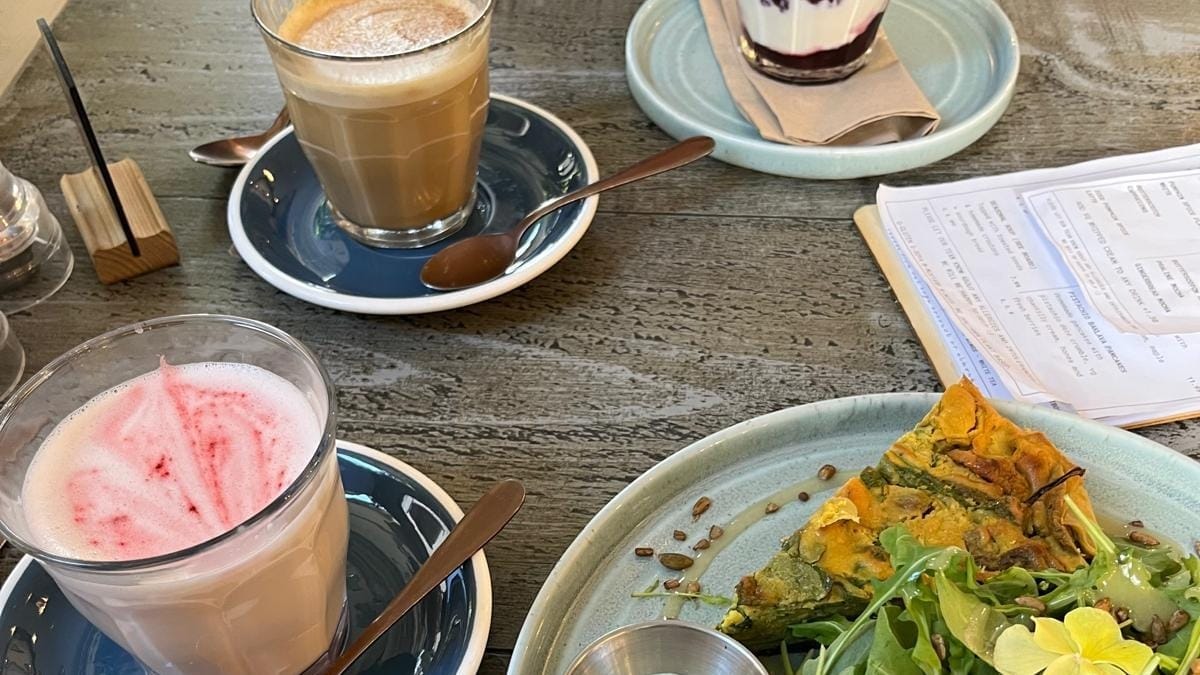
By Emily Maclean, Second Year, English
January is saturated with lifestyle trends. From dry January to the ever-increasing collection of 75-day challenges, it’s easy to dismiss Veganuary as another fleeting fad. But there’s a lot more to it than that. It's not just about what you eat– it’s about changing the food system itself.
Since 2014, Veganuary has surged. Each year, more people try vegan products, and companies launch plant-based options to meet the demand. Last year saw 1,480 new vegan products hit the shelves, and 25.8 million participants, increasing the visibility of veganism on a global scale.
Against popular belief, veganism isn’t new – it extends back to the Bronze Age Indus Valley civilisation. Yet in the UK, veganism has only in recent decades shifted from the fringe to the mainstream. Milestones such as the formation of the Vegan Society in 1944, and more recently Veganuary, have helped make it more visible than ever. Veganuary in particular has had a huge impact, making vegan products easier to find and encouraging shops and restaurants to offer plant-based options. And yes, we can thank it for the notoriously delicious Gregg’s vegan sausage roll.
 Milan Perera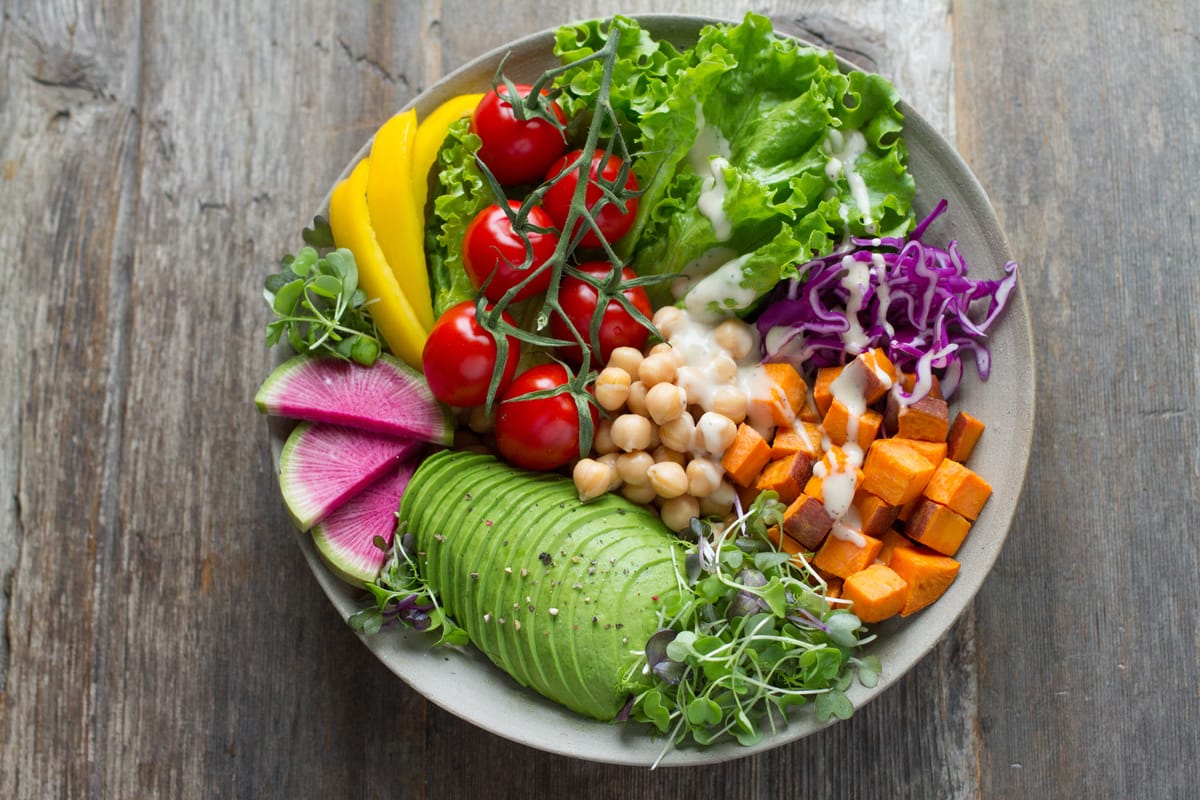
In the UK, meat-avoiding diets, from vegan to flexitarian, are slowly becoming less popular. Today’s dietary landscape is obsessed with protein. It seems that no matter the food, from bread to ice cream, the label screams about its protein content, prompting many to eat more meat. Experts warn that all this marketing has meant that we’re eating too much protein. They recommend shifting from animal to plant proteins, which are healthier and lower in saturated fat and cholesterol. Meanwhile, just last week, the American dietary guidelines unveiled a new food pyramid that champions meat and dairy, despite these suggestions.
It’s not just about health – animal agricultural yields detrimental environmental ramifications. Animal agriculture is responsible for 18 per cent of greenhouse gas emissions, 20-33 per cent of global fresh water consumption, and remains the leading cause of species extinction, water pollution, and habitat loss.
‘Having choice over what you consume should empower you, not stress you out’
There’s also a human side to consider. The Socialist Society points out that 62 per cent of slaughterhouse workers are migrants, highlighting that ‘animal rights, workers’ rights and migrant rights are inseparable, and none of us will know freedom until every cage is empty.’ Veganism isn’t just a personal, ethical choice, - it’s tied to much wider systemic issues.
All of this can feel overwhelming, especially in a world that puts so much pressure on individuals to fix global problems. The good news? You don’t need to watch every documentary, read every book, or cut out all animal products overnight.
Having choice over what you consume should empower you, not stress you out. Camille, a second year student emphasises the importance of questioning the normality of animal farming, saying that 'now more than ever is the time we need everyone to consciously make choices that are compassionate to humans and all species, and to combat the climate crisis.’ Whether it’s a vegan recipe at home or a plant-based dish at a restaurant, there are plenty of simple ways to try it out.
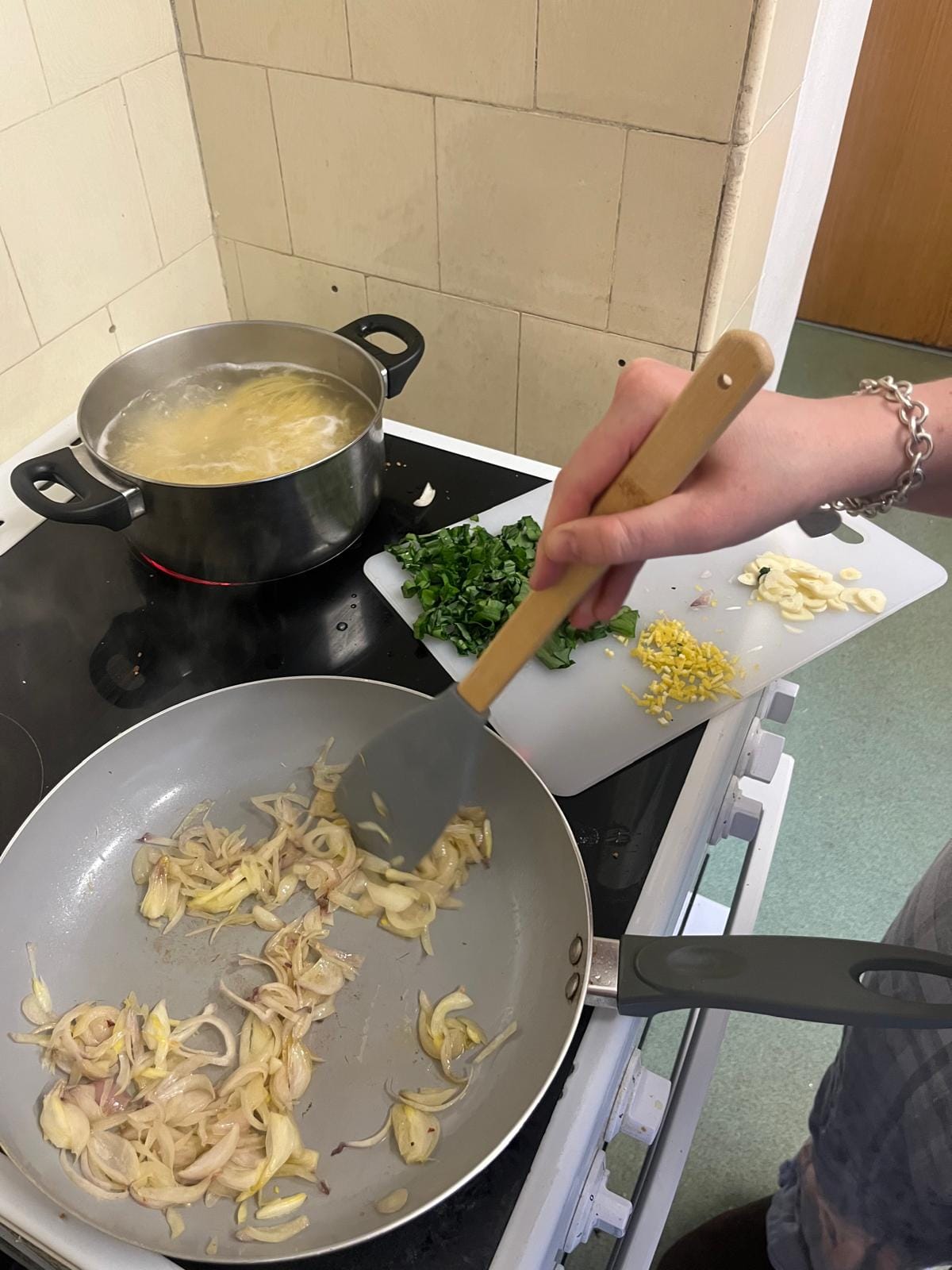
Even small choices have a ripple effect. Picking vegan options shows shops and companies that people want sustainable choices. The more of us that join in, the more plant-based products stay on the shelves, and the more delicious products become available!
As Veganuary draws to a close, it’s the perfect moment to reflect - and remember that its message doesn’t end as soon as February rolls around. Whether you’ve tried a few vegan meals this month or are just curious, why not keep the momentum going?
Bristol is seriously vegan-friendly. You can check out restaurants on HappyCow, from the cozy East Village Café to the new Plantuguese. Most menus have vegan options, and there are plenty of fully plant-based spots too - shoutout to Chaya Canteen for tasty options that won’t break the student budget!
 Rachel Bronnert
Start small: download a free cookbook from the Veganuary website and follow them on Instagram for some inspiration for the final days of the month. Jump in, enjoy the supportive community, and don’t forget to treat yourself to some of those tasty end-of-month offers!
Throughout the year, Plant Based Society regularly hosts socials and shares tips for living vegan around the city, whatever your diet. If you’re curious to learn more, their ‘Give it a Go’ event on 22nd January is a welcoming introduction. It’s never been easier to explore plant-based living in Bristol - why not find out where it takes you?
Featured image: Epigram / Lindsay Shimizu
Will you try a plant-based option this year?