By Katie Asha Ramamoorthy, First Year, English
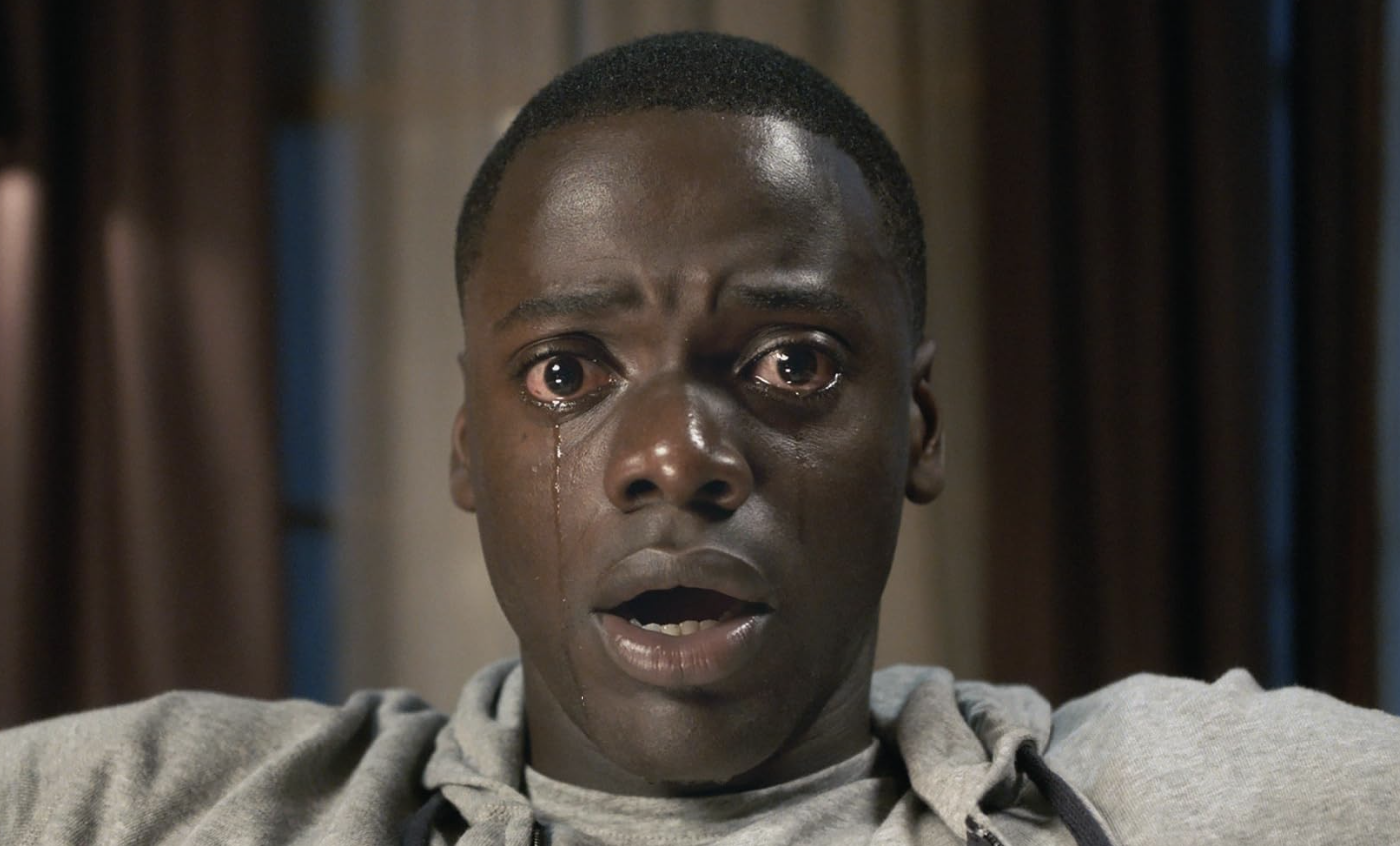
Horror movies are once again on the rise, with some sources noting it as the fastest-rising film genre in recent years. In 2021, horror was the fourth highest-grossing film genre in the UK. In an increasingly divided Britain, horror movies remain a source of common ground: over 60% of Brits say they love horror movies and sales of horror and ghost stories in the UK increased by 54% from 2022-2023.
‘Right now it feels like we're in the renaissance of horror,’ says Chase Sui Wonders to BBC Newsbeat. ‘Everyone's going to theatres and watching horror movies.’
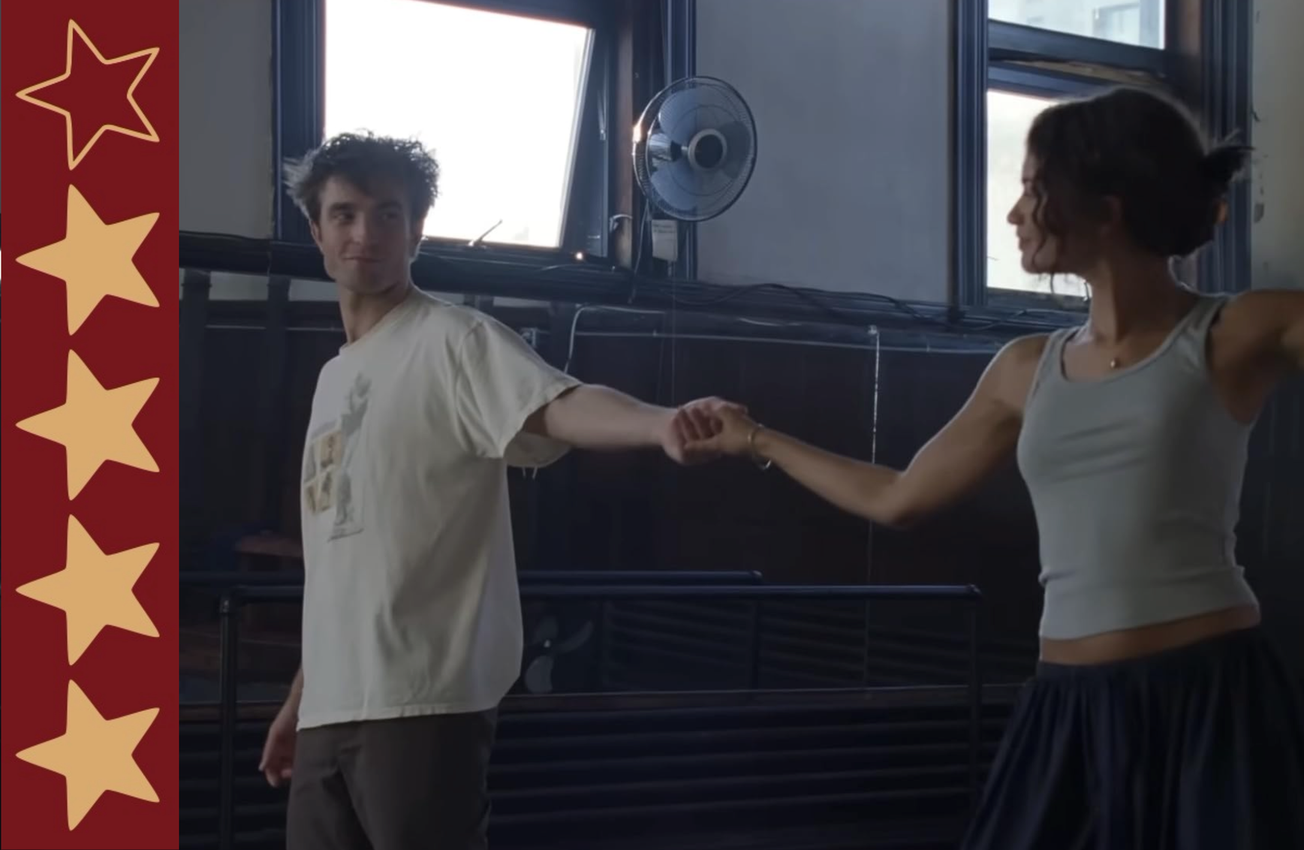
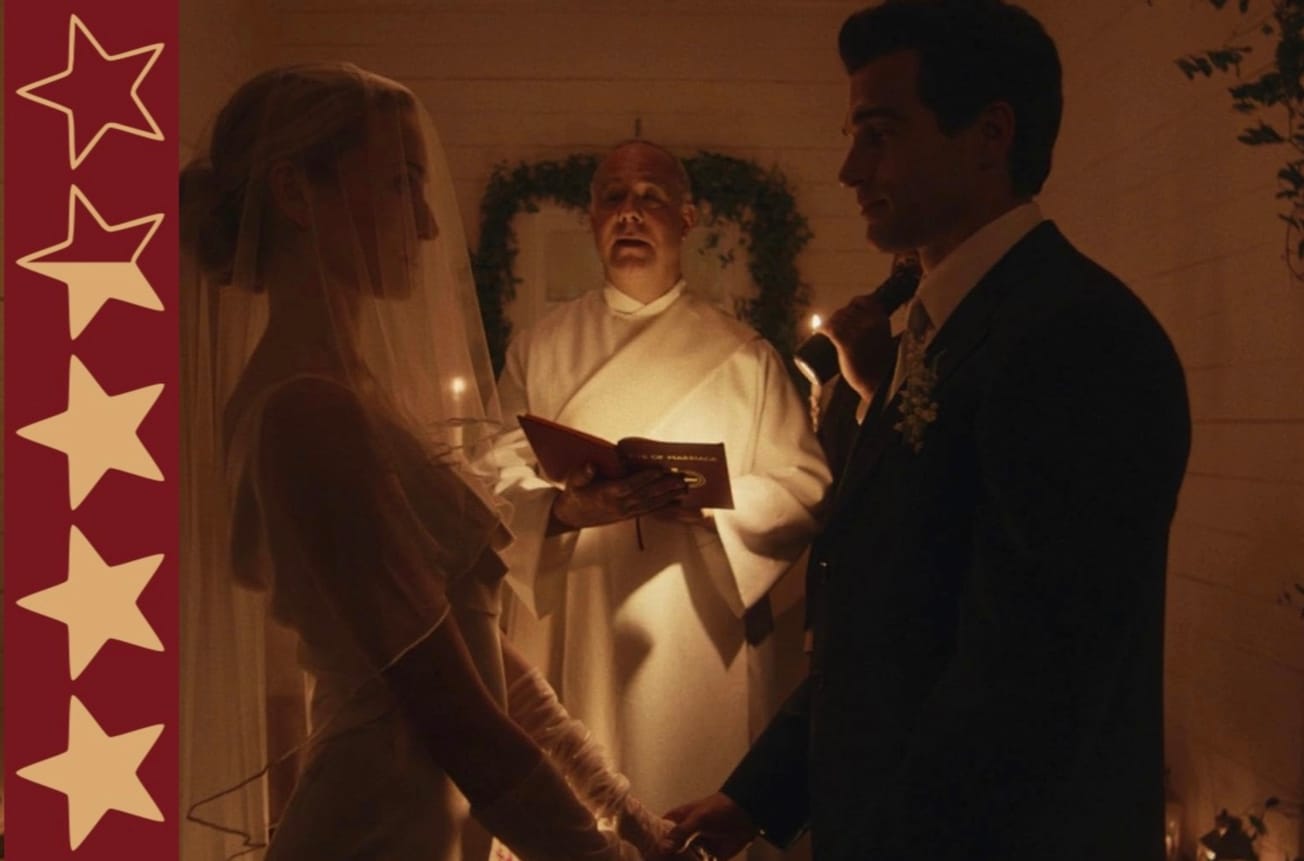
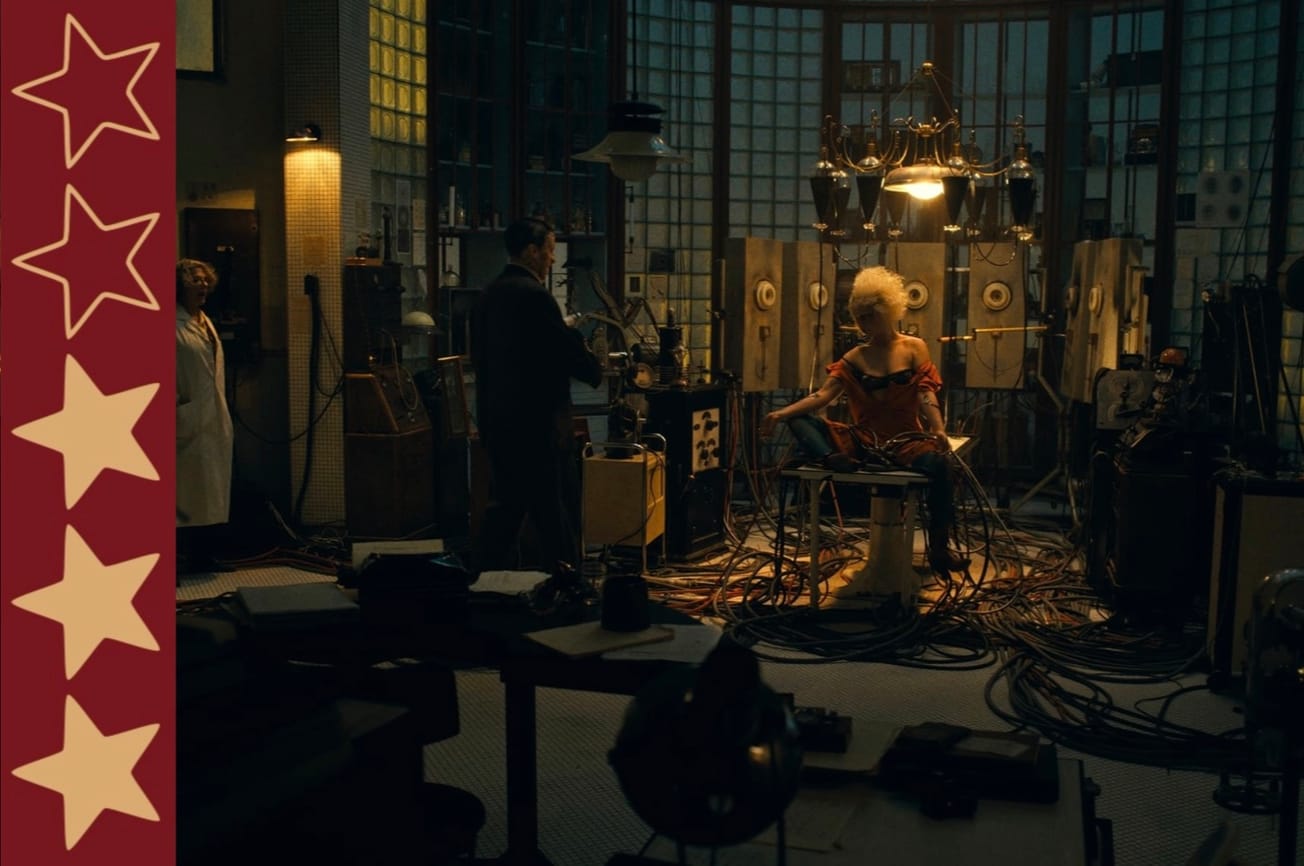
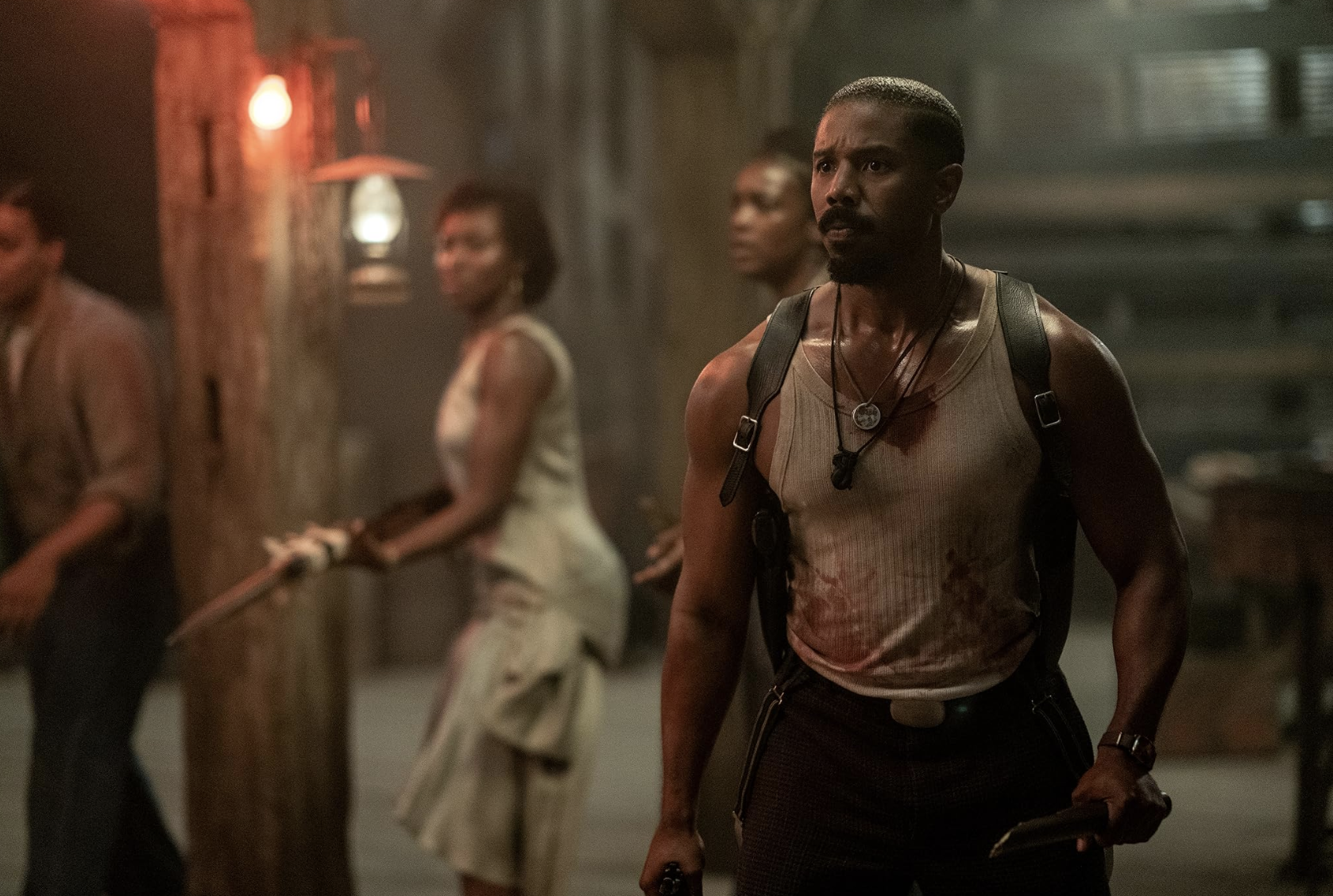
Further to this, horror is making a killing in revenue this year, with just three horror films: Sinners (2025), Final Destination: Bloodlines (2025), and 28 Years Later (2025) making a total of £41.3m so far in 2025 across the UK. Fear is generally thought of as a highly unpleasant emotion – so why is it that people willingly pay for two hours of panic or suspense? What is it about horror that humans are so drawn to?
Why we are drawn to horror
There are several reasons why we are naturally drawn to watching horror movies, notably for the rush of positive hormones we receive after a fear-inducing experience, colloquially known as an ‘adrenaline high’. Exposure to terrifying acts, even if they are fictional, can trigger our bodies’ fight-or-flight response, resulting in heightened sensations and surging energy. But because we know we’re safe, this fear is accompanied by excitement and releases of feel-good hormones, such as dopamine, a hormone associated with reward and motivation. Studies on recreational fear have shown that this blended fear-reward state can increase focus, alertness, and result in feelings of happiness and excitement.
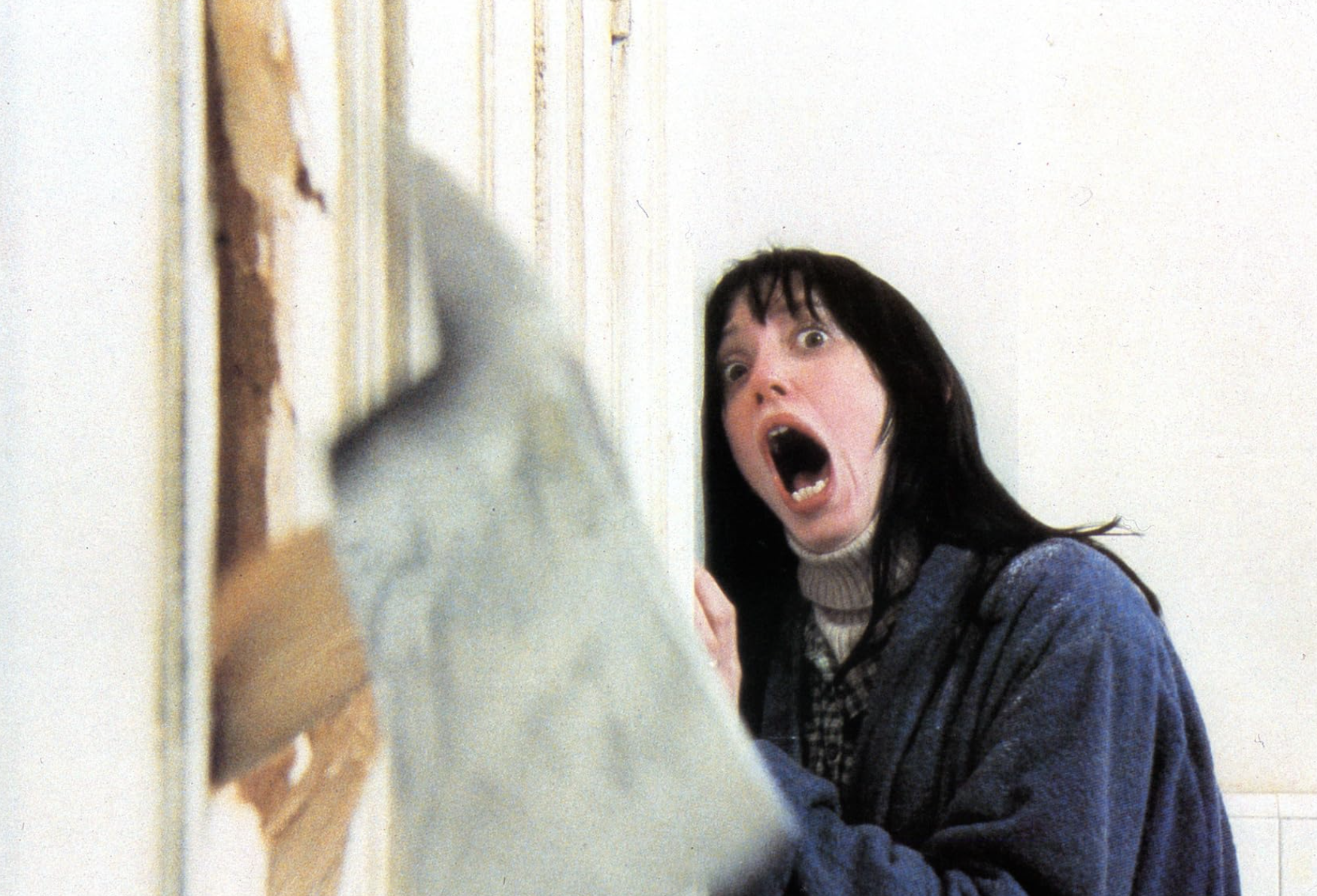
Horror can also actually help us process real-world events that feel difficult to tackle outside of a hypothetical setting. The popularity of horror movies skyrocketed during stressful periods like the COVID-19 pandemic, partly because consuming fictional fear can provide people with a safe way to process scary possibilities or anxiety. ‘We make up horrors to help us cope with the real ones,’ wrote Stephen King, author of The Shining, in a 1981 critique on horror:
‘A good horror story is one that functions on a symbolic level, using fictional (and sometimes supernatural) events to help us understand our own deepest real fears.’
The most important part of many stories, then, may not be their literal similarity to real life, but the meaning that can be extracted from them and applied to real world situations. The widespread chaos that occurs in zombie films is, in many ways, similar to the widespread chaos that can occur during real-world natural disasters. The alienation and cruelty shown towards societal ‘others’ in horror could be reflective of the treatment of minority groups in society today; exploring how the fear of the ‘different’ can lead to expressions of the worst of humanity. Horror creates a dark room in which people can process and explore seemingly far-fetched situations, that may actually be closer to home than we actually think.
Horror is enjoyable.... Under certain conditions
While horror can be hugely beneficial, research suggests that we must possess a psychological ‘protective frame’ in order to be able to derive pleasure from a horror movie. This protective frame has three essential components that are essential for us to be able to enjoy a horror movie:
- Safety frame: We must believe we are physically safe. We can derive pleasure from the horror as long as we believe that the horrifying circumstances are physically distant from us and cannot cause bodily harm to us. If for any reason, our bodily safety is in legitimate doubt while watching a horror film, the experience will no longer be fun.
- Detachment frame: The second essential is our ability to psychologically detach from a horror experience, and understand that a horror show or film is purely fictional: a psychotic murderer chasing down a bloodied victim in a film is just an actor, and great acting is what is happening on the screen.
- Sense of control: The third category of protective frame involves our confidence in controlling and managing the dangers shown. If you’ve ever watched a horror movie and thought ‘I could survive this…’, then you’re much more likely to enjoy the film.
Benefits to consuming horror
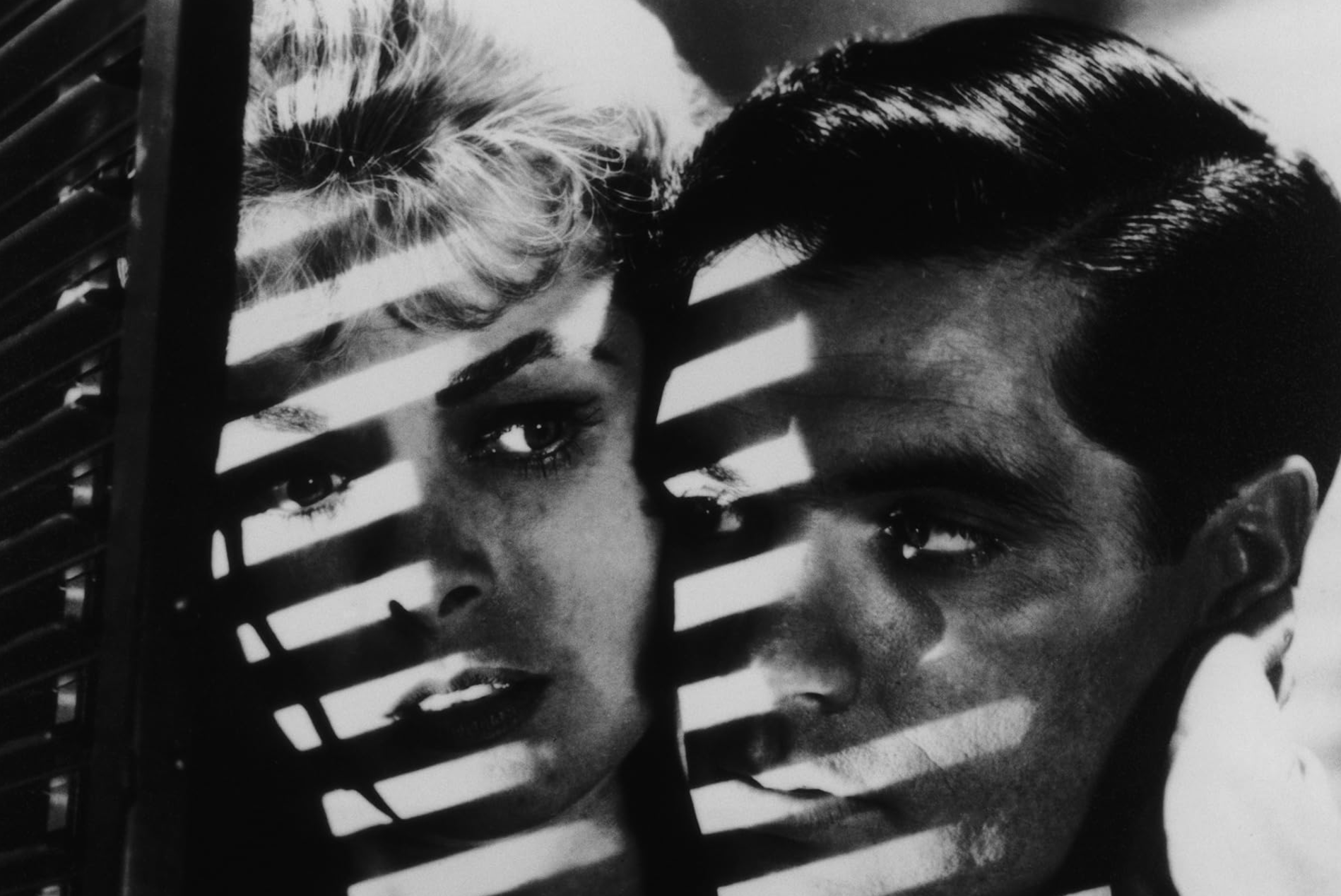
As well as the immediate rush of positive hormones that we receive from watching horror, scary movies can foster longer-term benefits as well. Being scared as a communal activity can foster deeper human connections: watching a horror movie with a new group of friends (uni flatmates anyone?) can provide a bonding experience through a shared sense of adrenaline.
Research suggests that consuming horror on a date with another person can sometimes catalyse falling in love – co-experiencing horror can add to the sense of adrenaline or ‘butterflies in the stomach’ feeling we get when we like someone, and a shared sense of fear can increase feelings of trust towards one another. Oxytocin, a hormone which is often released in frightening situations, commonly facilitates feelings of closeness and affinity with other people.
‘It's so fun. Everybody wants to go to the movies with their friends and jump and scream and have a good time’. Jenifer Kaytin Robinson tells BBC Newsbeat.
A horror movie is for life, not just for Christmas – I mean, Halloween.
So who loves horror the most?
Certain groups are more inclined to enjoy horror. People with high sensation-seeking traits — those who crave thrills or adrenaline — are more likely to enjoy the genre. Lower empathy levels can make it easier to handle intense scenes. Age and gender also play a role: younger audiences are generally more drawn to the genre, and men tend to enjoy intense scares more, while women are more inclined towards horror movies that end in a rebalancing of justice (i.e. the antagonist or ‘evil’ within the movie is overthrown). Cultural and economic factors matter too: in wealthier countries, people are more likely to enjoy horror because their sense of safety makes fear feel like entertainment rather than threat.
 Barney Johnson
Take this quiz to find out how likely you are to enjoy watching horror movies, according to psychological research
Results from a scale of 50 (horror fiend) to 0 (can’t change the channel fast enough).
Quiz…
- I’m in my teens or twenties (TRUE/FALSE)
- I would say that I have a vivid imagination (TRUE/FALSE)
- I identify as a boy (TRUE/FALSE)
- I would say I have high levels of empathy (TRUE/FALSE)
- I enjoy hypotheticals about human nature (TRUE/FALSE)
Add up your score…
- Q1, Q2, Q3, Q5: TRUE = 10 points
- Q4: FALSE = 10 points
Results:
- 30-50: You love horror.
- 20-30: You can last out a horror movie night with friends but it wouldn't be your first choice.
- 0-10: You would rather avoid the genre altogether.
Featured Image: IMDb / Universal Pictures
So did you find that you love horror or wish to never watch it again?