By Ronit Sengupta, First Year, Law
What does it mean to provide a glimpse into what research may look like for aspiring researchers and academics?
‘It’s a geekfest,’ said the president of the Academic Research Society (ResSoc). Well, this up and coming Bristol society certainly has big plans for the future and their second year of operation.
The work of the society is straightforward. Applicants conduct research and are grouped by interests rather than level of experience or which faculty one may be a part of. Unfortunately if you are the independent type, you may need to go through extra hurdles to work solo. In my conversations with the president, Marzooq Subhani and secretary Diya Asnani the culture was described as one firmly rooted in collaboration. Successful applicants will find themselves in one of two roles, junior and senior members. Juniors purely engage with the research and are working on the day-to-day elements of it. Seniors, on top of the work expected of a junior are expected to demonstrate leadership and keep the team organised. A first year can be a senior as well, so it truly is an opportunity for everyone.
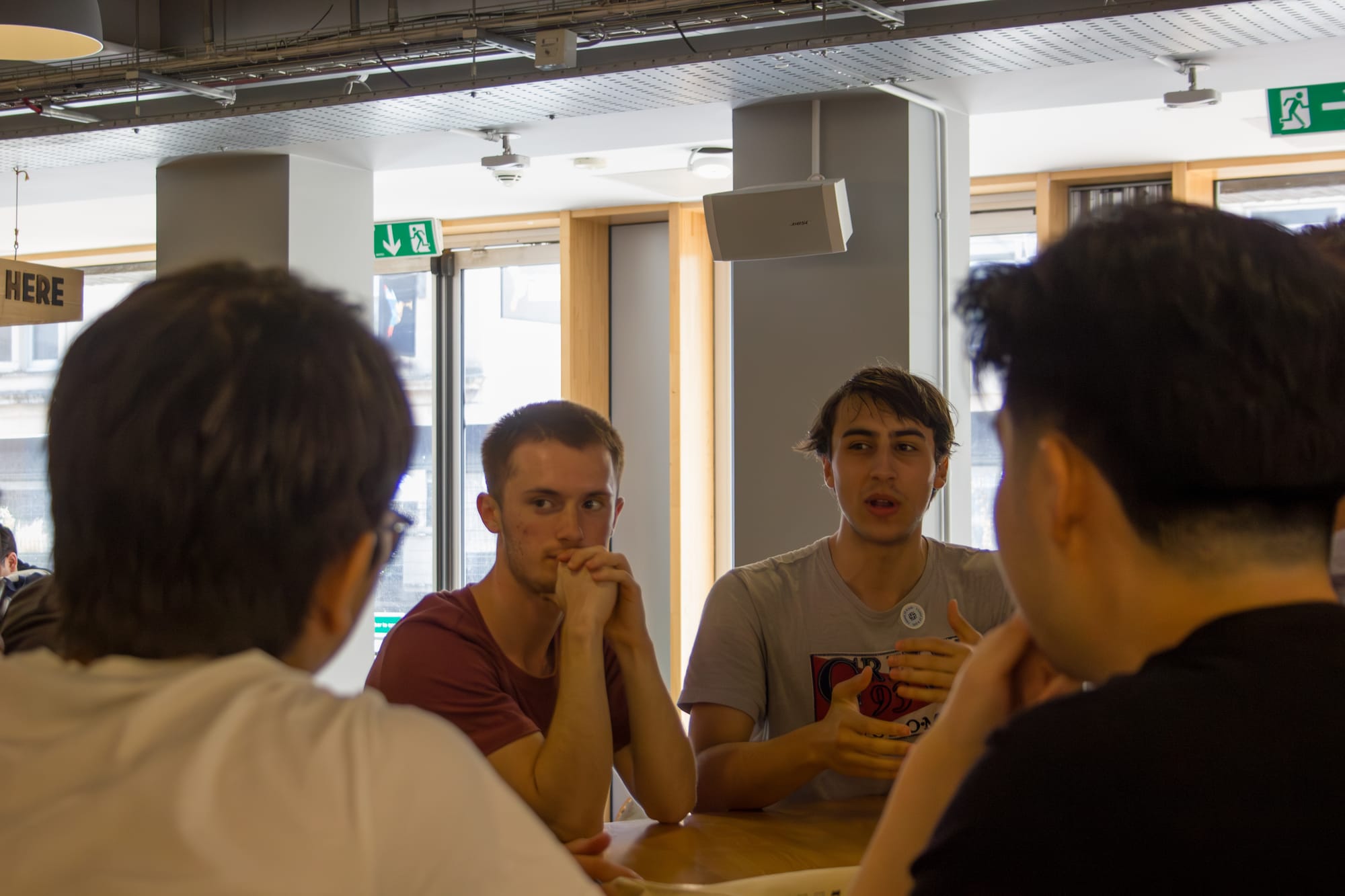
Marzooq and Diya were candid about the struggles the club had in its first year. It was described as a ‘tiny club’ that lacked structure. Which does sound like the problems one would expect with a first year club. They went on to describe that the deadlines surrounding the research were not very strong and that members felt lost in what they were doing.
It is difficult to overcome these challenges in one year, but it seems that the club is working on creating a manual that will combine structure but also learning as one goes. Marzooq, described it as ‘throwing a baby into a pool but teaching it how to swim,’ which is an interesting philosophy for the ResSoc to take. But essentially allows for members to really get something out of it without feeling lost in the scale of their own research.
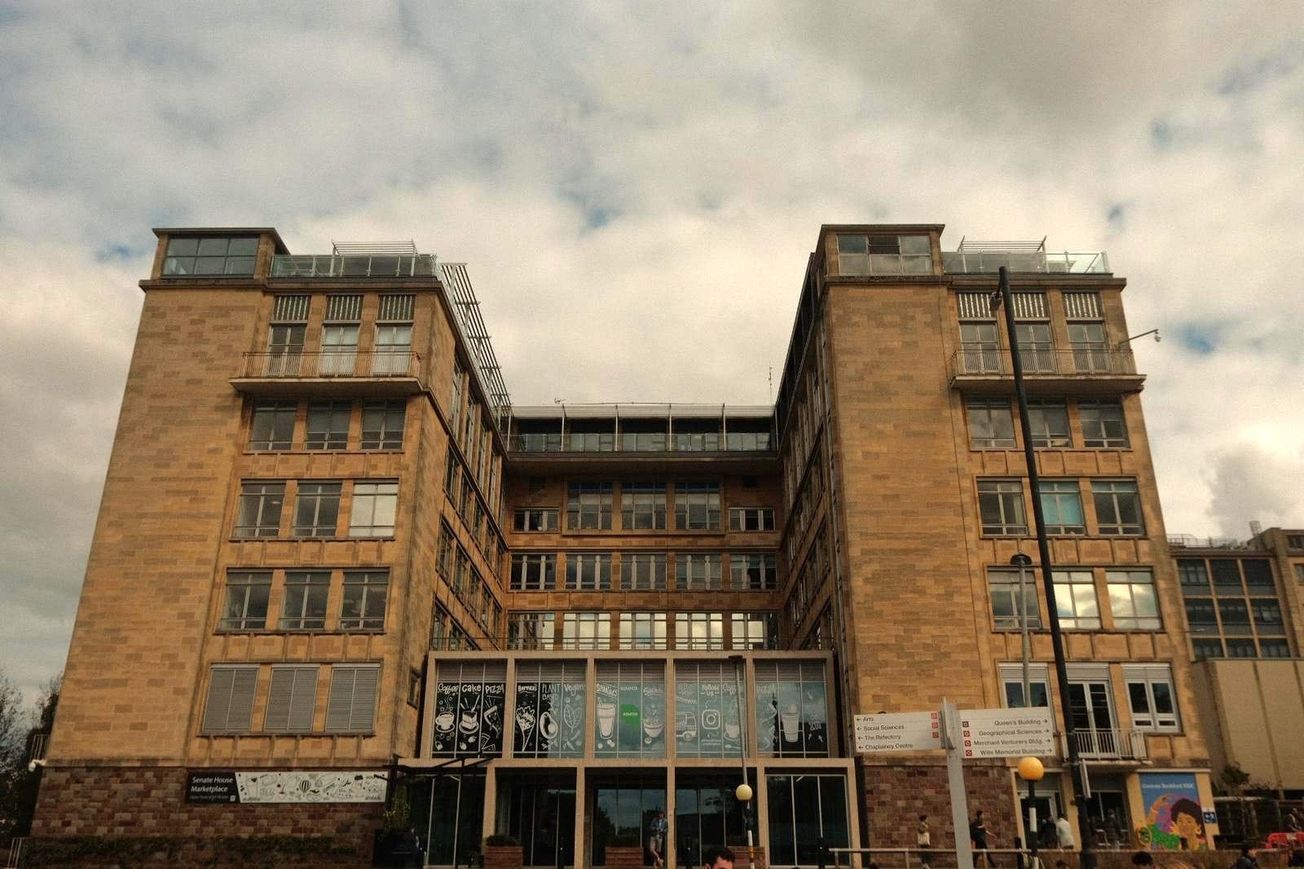
Naturally the research bit of ResSoc is important, but even members of Bristol’s newly found ‘geekfest’ like to wind down and engage with socials and other events. A refreshing change of pace for some is the fact that they emphasise sober socials. Many don’t go to socials out of a fear that they may have to drink to fit in. This is not the case as there is an emphasis on sober socials held in Senate House. While the research is of course why members are there, the social elements of a club can make it feel like you belong to a wider community. And they are simply just fun.
Marzooq said that, despite just starting out, the society has ambitious plans. They have discussed the possibility of conferences where members can present their research. However, that remains just a possibility for now. What is currently a part of the society is very impressive however. Workshops and talks from some of Bristol’s very own academics on topics ranging from Anthropology to Zoology. While the society, in the president’s own words, is ‘agnostic of subject,’ there are planned collaborations with the philosophy, atomic and history societies that will add value not only to the work done by the society but also introduce all sorts of people to one another.

Overall, ResSoc has big ideas. After a first year of ups and downs, the society plans on delivering this unique opportunity to students at the university in a much more efficient manner. The self described ‘geekfest’ is open to all, and encourages you to branch out. It is suitable even for those who have no experience at all. Just keep in mind that you may have to navigate certain aspects for yourself. While the club is taking steps to promote collaboration and organise the process further, a lot of it has to come from yourself, the passion and interest for your topic as well as organising yourself. If this sounds like something you may be interested in, give ResSoc a try and join other fellow members of Bristol’s new ‘geekfest.’
 Emily Barrett
 Lucas Mockeridge
Featured Image: Epigram/Marzooq Subhani
Have you ever thought about conducting your own research project?