
By Imogen Wright, Third Year German and Italian
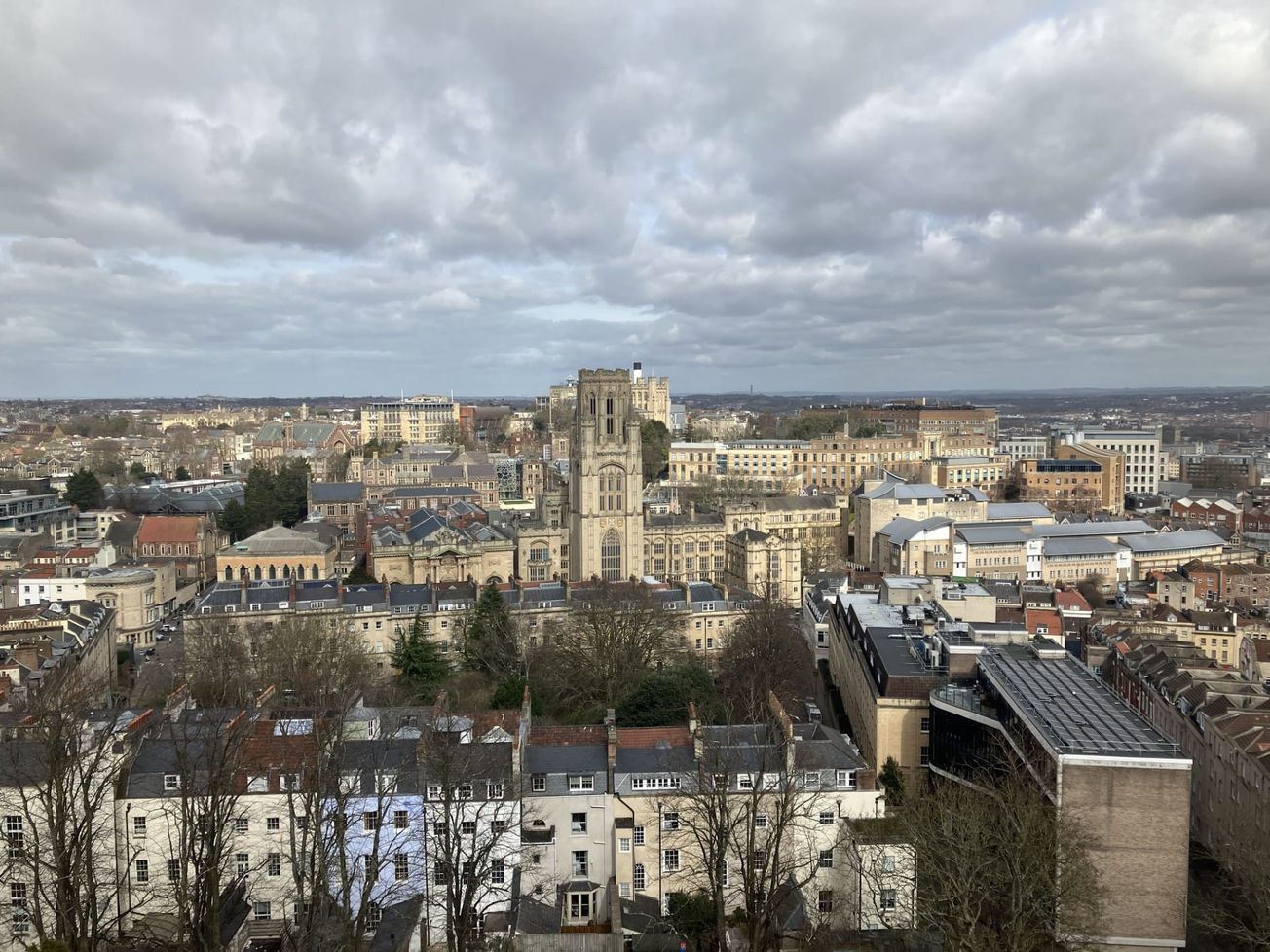
A vibrant, diverse and cosmopolitan city, Bristol is widely renowned for its creative character, evident in both its arts and eclectic architecture. Its varied cityscape, influenced by wartime bombing in the Bristol Blitz of 1940-41, forms a collection of centuries of history, reflecting the layers of architectural styles that have shaped Bristol into the city it is today.
Strangely enough, some of Bristol’s oldest medieval architecture has played the largest role in forming the city we know today as it has laid out the pattern of the city. St Mary Redcliffe is a church that was constructed between the 12th and 15th centuries and is a key medieval landmark, characterised by Gothic architecture with its pointed arches, flying buttresses and stained glass. I sometimes find it odd to think about how people from centuries gone by constructed these grand buildings which would go on to see the chaos and mayhem that is otherwise known as fresher’s week. Bristol Cathedral is also of this style with its vaulted ceilings, and it emphasises how religion helped shape the city. St Peter’s Church, located in Castle Park, is another example of this type of architecture, however, it was damaged during the Bristol Blitz of 1940-41. The ruins have since been preserved as a memorial which provide a devastating reminder of wartime bombing. The destruction in the Second World War caused parts of the city to be cleared and have been redesigned, creating a more layered version of Bristol. This has changed the dynamic of the city, but these medieval structures are far from mere forgotten relics, as they continue to draw in both visitors and locals.
The Georgian period saw Bristol undergo an enormous transformation. By the 18th century, Bristol had become a prosperous port city and the wealth generated by the transatlantic slave trade helped fund many of the buildings of this period. Clifton is widely regarded as the epitome of elegant Georgian architecture with its sweeping terraces, characterised by its symmetry and sash windows featuring grid-like panes. The stately homes near Queen Square, originally designed for wealthy merchants, share these features and reflect the period’s focus on balance, refinement and order. While some terraces were damaged during the Bristol Blitz, many were restored after the Second World War. They have since been repurposed into student housing, offices and cafes, which were likely swarmed by people desperate for matcha for the performative male contest. Royal Fort House survived the Blitz intact but is still an example of this repurposing, retaining its Georgian design whilst also serving a practical purpose within the university. Without this Georgian architecture, Bristol’s character would be distinctly different from what we know today.
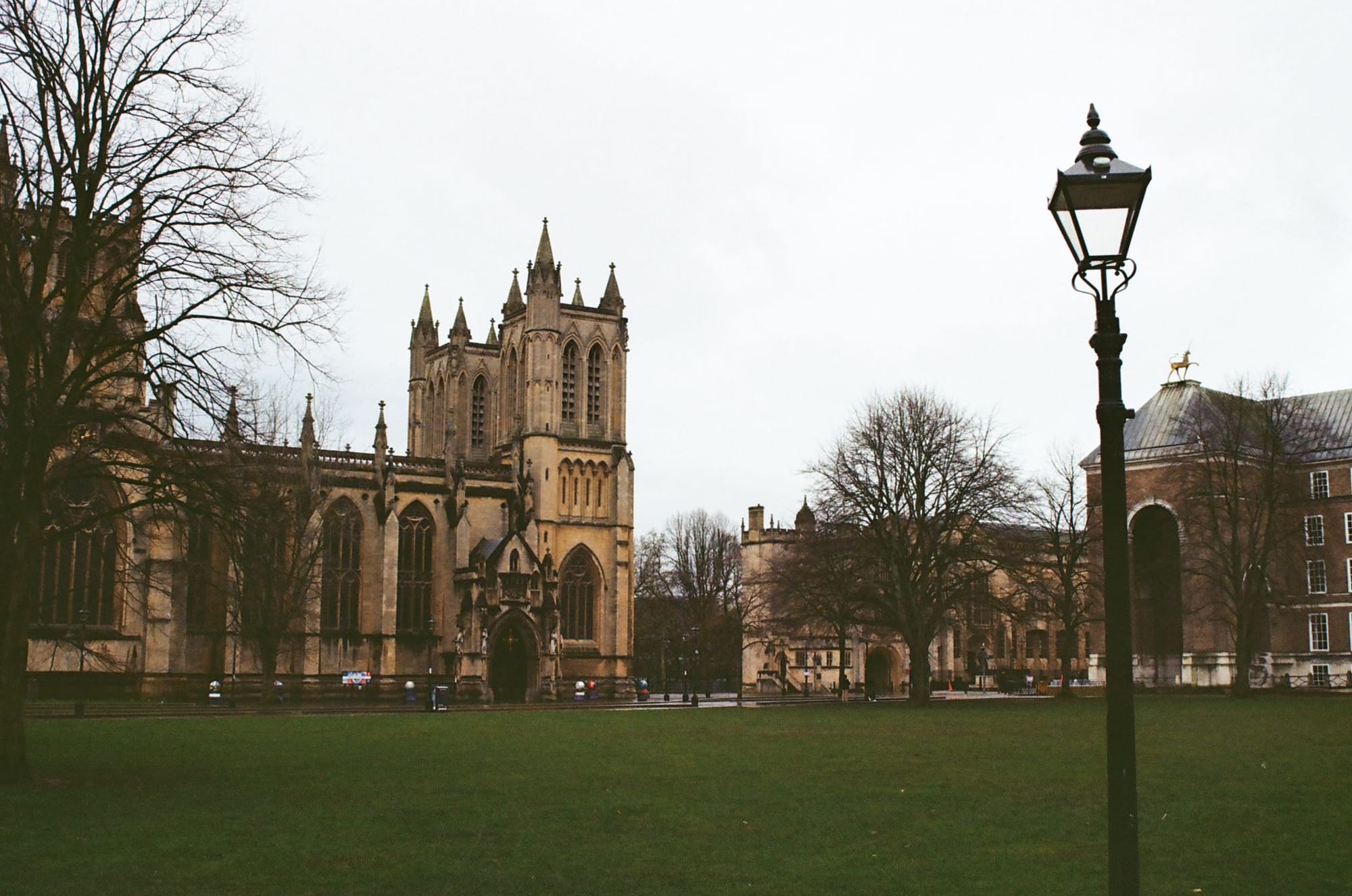
The nineteenth century saw the Victorian era sweep through Bristol, introducing new architectural styles and influences. This period saw an emphasis on demonstrating wealth, national identity and industrial progress. The Wills Memorial Building is one of the most iconic buildings in Bristol and while students may associate it with the impending sense of doom which comes from having to lock in, it is also renowned for its Victorian Gothic architecture. The tall spire indicates status, and the pointed arches create a grand and commanding presence. Furthermore, the intricate stonework shows prosperity as the detail demonstrates wealth and the availability of resources. The architectural influences of the Victorian period can also be seen in the construction of Bristol Temple Meads Station as the arched ceiling and use of iron are key in highlighting the advancement and excellence of Victorian engineering. Unfortunately, a huge portion of Victorian architecture was lost during the Bristol Blitz. Areas around Wine Street which had previously been filled with Victorian shops were destroyed as well as Victorian hospitals, housing and warehouses. Although some restoration work took place, many structures were never rebuilt, meaning Bristol did not only lose a few buildings but entire streets, forever changing the fabric and identity of the city.
 Kia luhur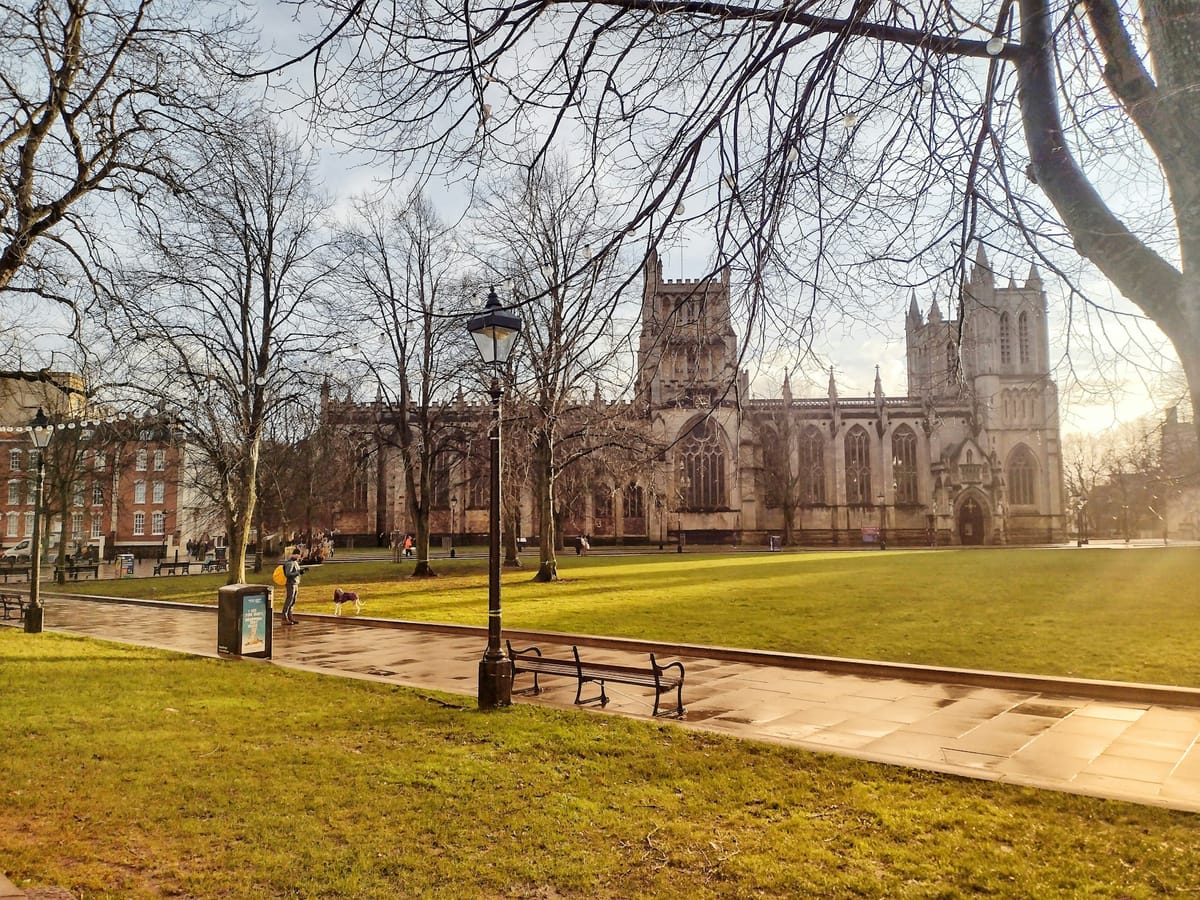
 Zoe Charlotte Lambe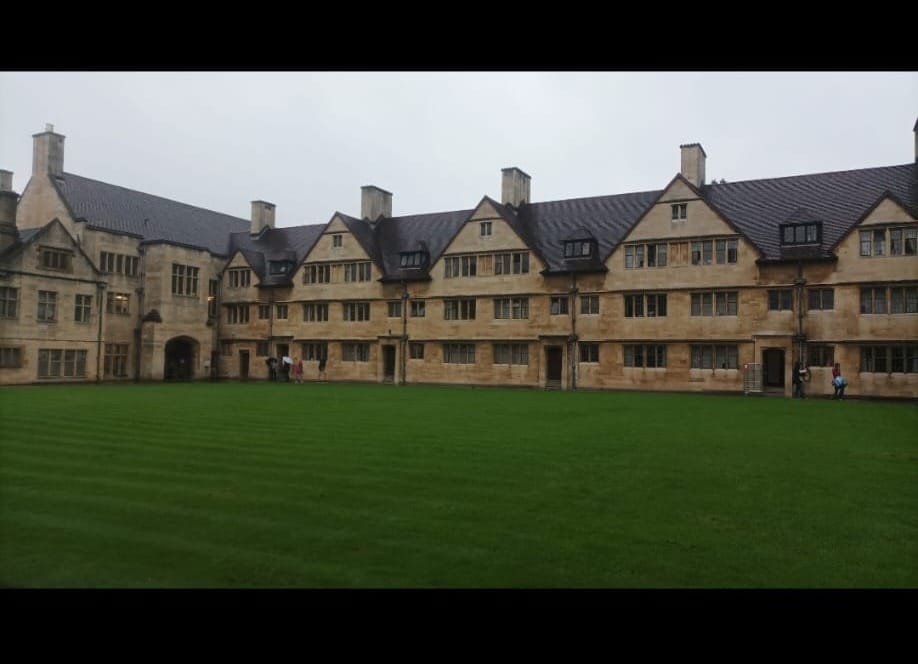
In the decades after the Second World War, there was a shift in architecture towards post-modernism which emphasised individuality and rejected rigid uniformity. This is evident in many of the University of Bristol’s buildings as they vary in design rather than following one specific style. Beacon House is a key example of post-modern inspired architecture due to the contrasting materials used in its construction which give it a distinct look and highlights the importance of individualism. Post-modern architecture is also evident in the Arts and Social Sciences Library as it prioritises functionality and academic needs over grandeur and ornamentation. The bombing in the Second World War left parts of Bristol destroyed and the new buildings reflect and serve the current needs of the city. Without this destruction, the city would appear far more historic and this experimentation with new architectural styles has turned Bristol into a diverse place, which has a unique blend between old and new.
Featured image: Epigram / Imogen Wright
What do you think of Bristol's architecture?