By Katerina Ralli, First Year, English and Philosophy
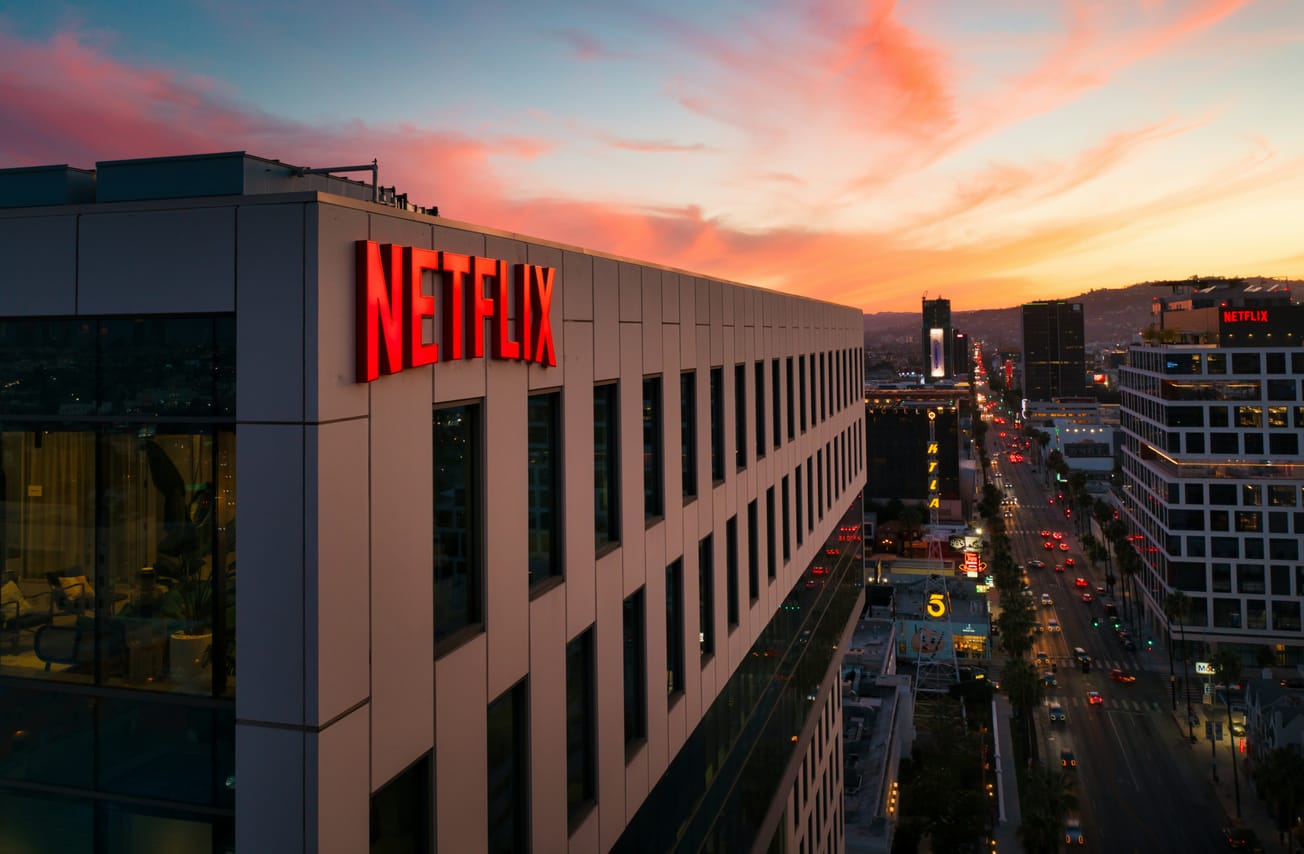
On the 5th of December 2025, it was announced that Netflix would buy Warner Brothers Discovery’s film and streaming business for a total enterprise value of $82.7 billion. More recently, however, Paramount Skydance has joined the fight for Warner Brothers Discovery, offering $108.4 billion for the company. As the largest acquisition of another film business in recent years, surpassing even Disney’s $71.3 billion purchase of most of 21st Century Fox’s assets in 2019, those in the film industry wait in anticipation to see who will add Warner Brothers’ streaming services and beloved franchises, films and television shows such as Game of Thrones, Harry Potter, Friends and the DC Universe to their already vast library of media content.
The differences between Netflix and Paramount Skydance’s bids are important to distinguish. Paramount offered an all-cash deal for more than $108 billion for the entirety of the Warner Brothers Discovery business, including cable channels like CNN and its Discovery and free-to-air channels in Europe, in addition to the film and streaming components of the company. Netflix, on the other hand, only offered to buy the film studios and streaming networks of Warner Brothers Discovery at $82.7 billion in a mix of cash and stock. This includes Warner Brothers Pictures, their streaming services such as HBO Max, and franchises such as Harry Potter and Game of Thrones.
Although shareholders of Warner Brothers Discovery still have time to decide whether to accept Paramount Skydance’s offer, they are being urged to favour Netflix’s offer over Paramount’s more hostile, ‘inferior’ takeover attempt.
Samuel DiPiazza Jr, the chair of the Warner Brothers board of directors said that ‘our binding agreement with Netflix will offer superior value at greater levels of certainty without the significant risks and costs’ that Paramount’s offer imposes on shareholders.
It currently seems much likelier that Netflix will take over Warner Brothers Discovery rather than Paramount – but what does this mean for our experience as viewers?
Although this is only speculation for now, there are a number of effects a Netflix takeover of Warner Brothers Discovery would have.

For example, films will have far less time in cinemas before hitting Netflix. Although Netflix has said that there will still be a theatrical release window, this will likely only be for a period of about two weeks, something quite unheard of for large blockbuster films in the past. Even Guillermo del Toro’s highly anticipated 2025 version of Frankenstein only had a very limited theatrical release from the 17th of October, before being released worldwide on Netflix on the 7th of November, and this is something we can expect of major film releases in the near future.
While this to some may signal convenience and an easier streaming experience in the comfort of their own homes, there is no doubt that cinemas all over the world will suffer, particularly smaller, more charming independent cinemas that rely on the screening of new releases, which have already been struggling. With such short releases on Netflix’s part, it is likely they will be limited to larger cinema multiplexes, such as Odeon and Cineworld, endangering smaller cinemas.
It is therefore understandable that many figures in the film industry are so sceptical and even concerned about the prospect of a Netflix takeover, with Leonardo DiCaprio telling The Sunday Times recently that ‘We’re looking at a huge transition…First, documentaries disappeared from cinemas. Now, dramas only get finite time and people wait to see it on streamers.’
Another concern is that of subscription prices, the direction of which is uncertain for the time being. Although we may soon have access to an even greater number of films and television shows on demand, as Netflix’s extensive portfolio expands by integrating content from HBO and other services, so does their motivation to further raise the price of the monthly subscription. A price hike due to the Warner Brothers acquisition is unlikely to happen until the deal is fully finalised, but it seems an eventual inevitability. However, some have argued that while prices may rise, viewers may benefit from getting more content in one subscription, thus reducing the need for multiple subscriptions.
Nonetheless, Netflix’s takeover of Warner Brothers has significant implications for the future of the film industry, from consumer experience to the uncertain position of beloved cinemas.
What do you think will happen if Netflix completes the takeover?