By Amelie Patel, Third Year, English
I recently finished my summer abroad teaching English in rural Thailand, on a program run by the company Gotoco, and funded by the government's Turing scheme. Specifically, I spent my time on the outskirts of a province called Phichit at Ban Pong Wa Deung School.
I was sent to the school with two other people from the UK, Lucy and Michael, for 6 weeks, in rooms adjacent to each other on the school grounds. As we were in rural Thailand, our surroundings were exclusively made up of rice fields and banana plantations, with people’s homes dotted in between. The village was also home to many stray dogs, cats, frogs, scorpions, scuttling beetles, and worst of all, mosquitoes, who loved to feed on Brits. The change from city life was a surreal one, and I had to quickly adjust to a completely new reality, with its own unique pace, character, and challenges. As Lucy would sometimes joke, we really were in 'the arse-crack of nowhere.'
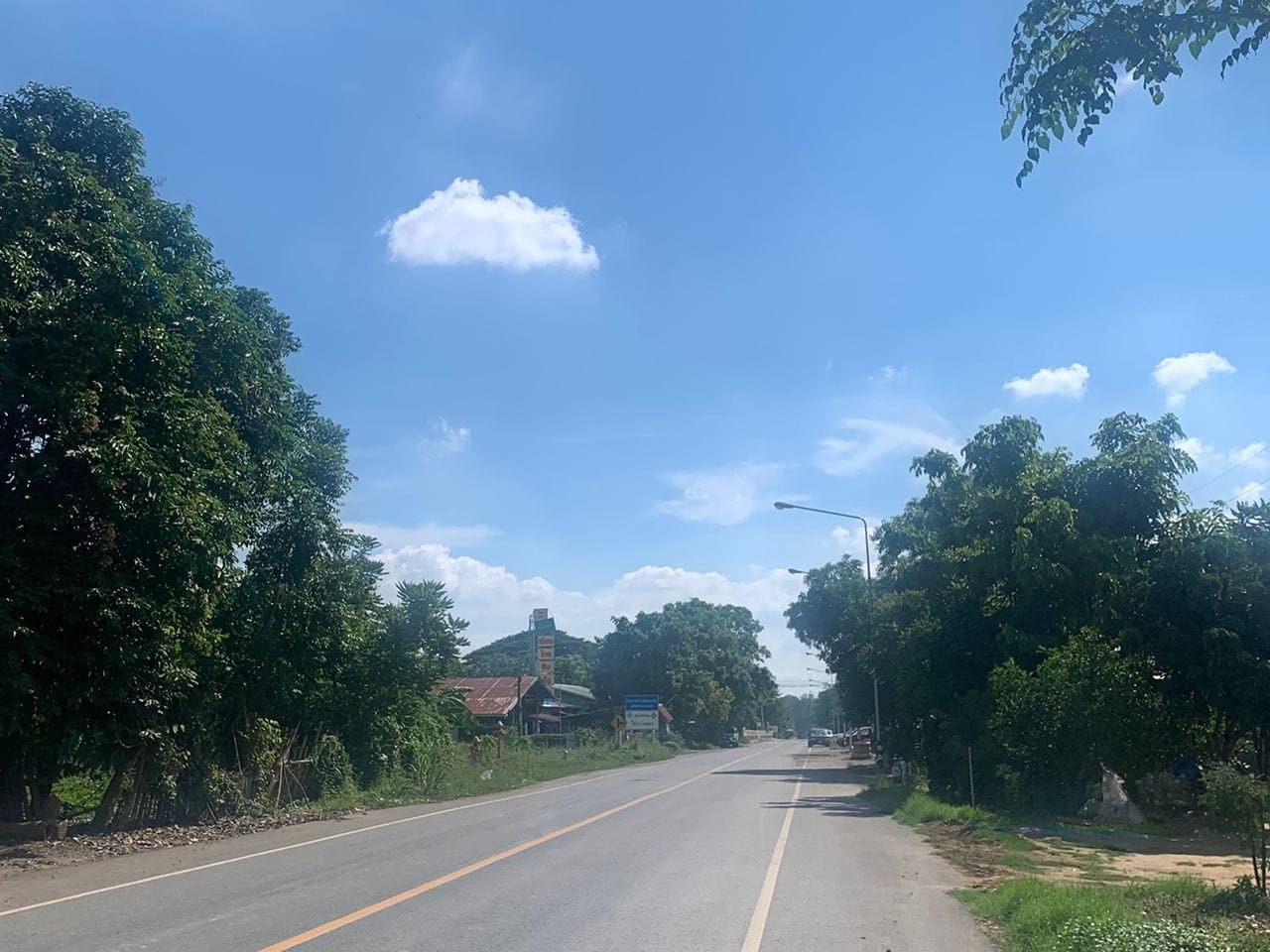
During the week, we taught three classes a day, to kids ranging from 6 to 15 years of age. Outside of these classes, I formed a small routine out of biking to the small cafe down the road for a 50p iced mocha, and frequenting the local convenience store for a drink or ice cream. Since ‘Grab’ (their version of Uber) did not reach the local villages, these were the sum of my daily excursions - we were at the mercy of the teachers who use cars and motorbikes to get anywhere else. This was frustrating at times, as I craved the variation of life back home. Also, I am someone whose life revolves around their next mealtime. My hopes of flavourful local cuisine were disappointed when I realised we would be fed a variation of plain rice, egg and pork twice a day, everyday.
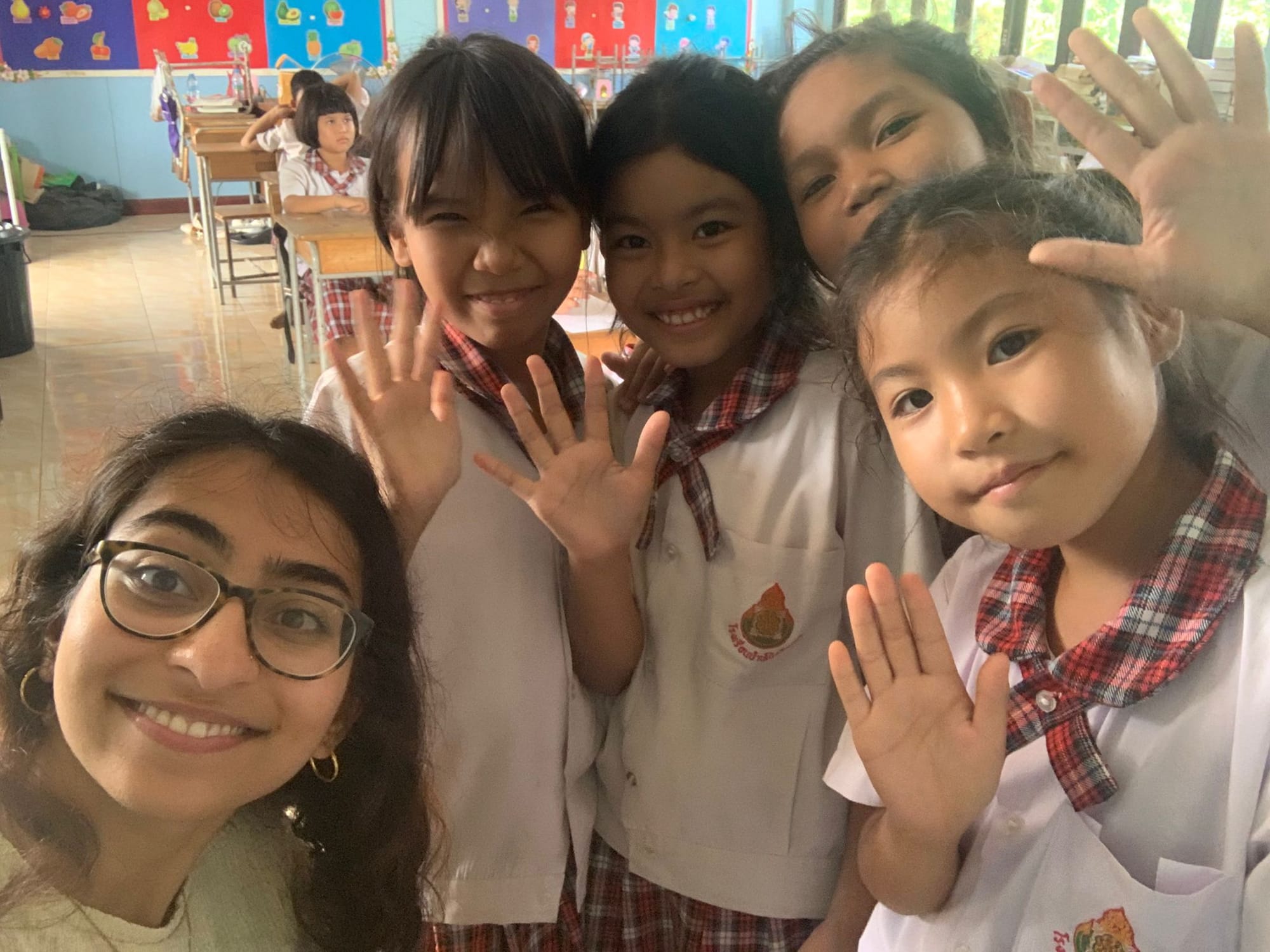
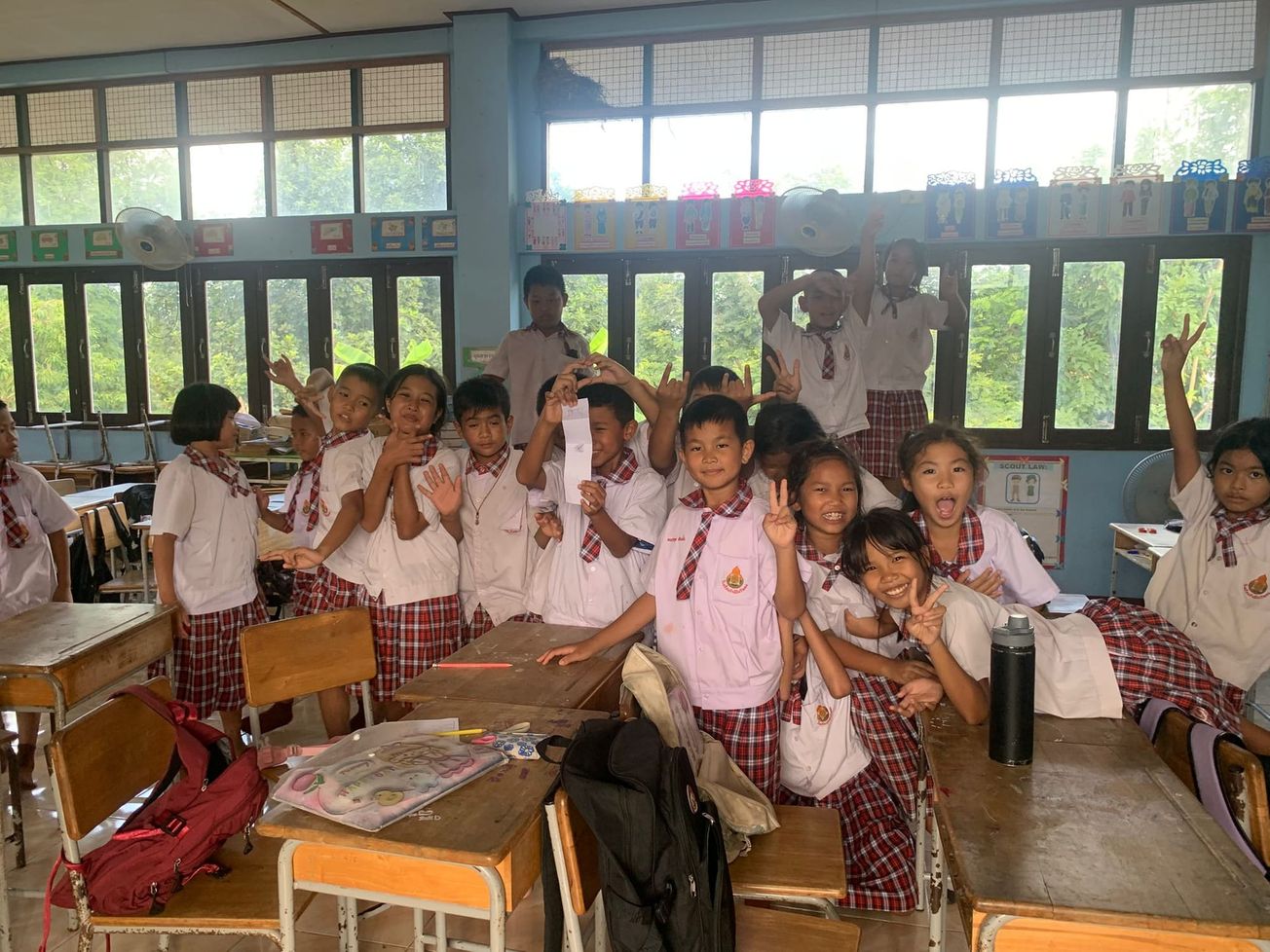
The teaching aspect of the experience had its own challenges. The children did not speak any English, nor were they interested in learning English. The first class I taught was a group of 15 year olds who stared at me with blank faces as I requested contributions. Then, that afternoon I had a group of 30 seven-year-olds who, all sugared-out after lunch, were like a human zoo. I couldn't hear myself think among their screaming, and no amount of raising my voice could rouse their attention. By the end of term, I’d prepare myself mentally before the class and just resign myself to the chaos.
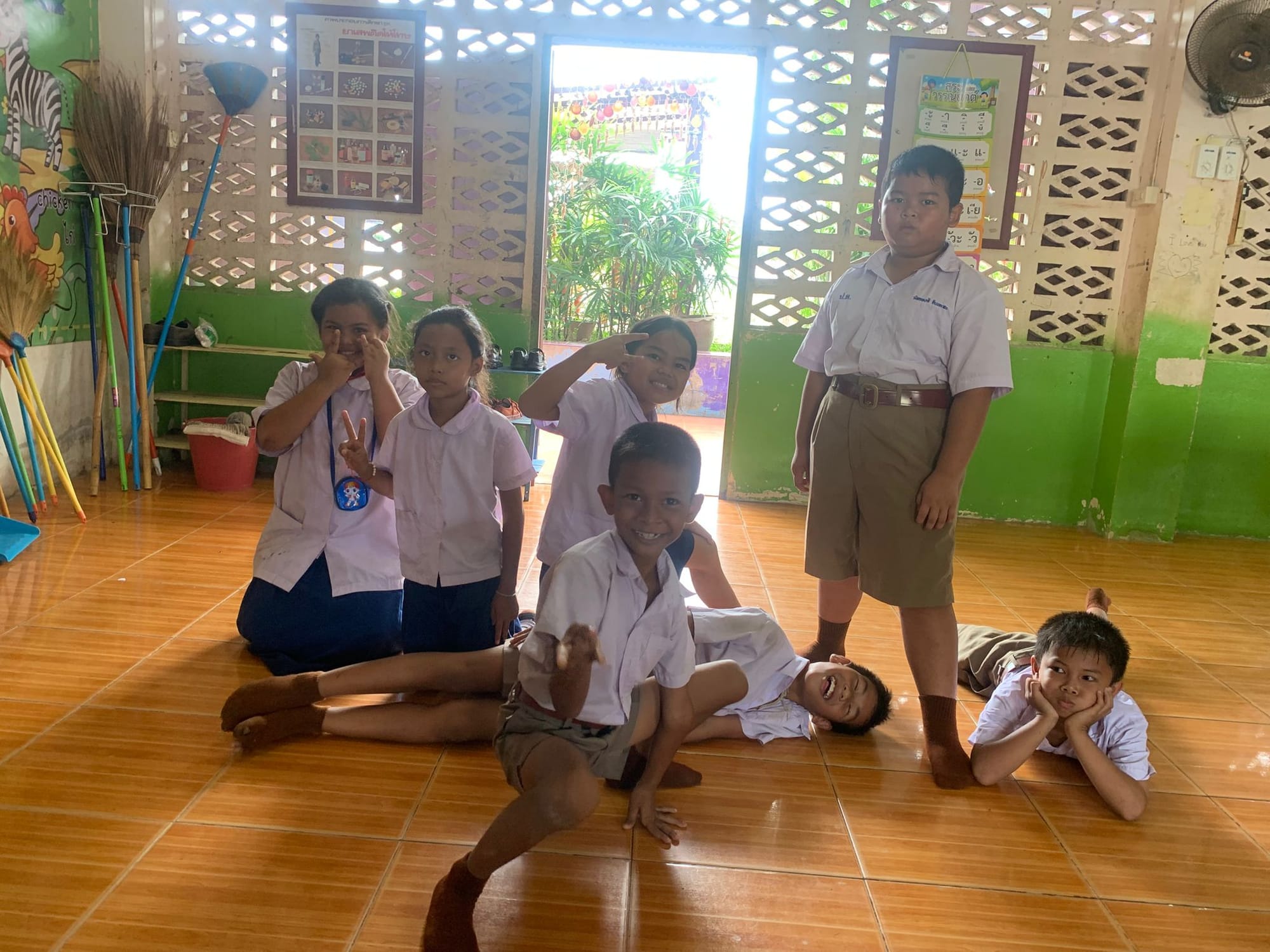
Ultimately, as much as I wanted to actually teach them, I also wanted the kids I taught to like me. So, I’d end up putting on YouTube for half the class, or playing games with them like Splat. Whilst the first university was built in England in 1096, here the first one was opened in 1917, just over a century ago, for them to know the basics of English was an achievement in itself. This reminder helped me accept the loss of my idealistic hope to expand their English skillset, which was perhaps slightly motivated by a white-saviour ideology.
'The experience also opened my mind to how school can facilitate a key community.'
Getting to know the kids was an incredible experience in itself. They were always excited to see me, and swarm me in big group hugs which would leave me nearly toppled. I will remember us playing Wakka Wakka on Just Dance or singing Baby Shark and how it had them screaming in excitement, eager to get involved every time. The experience also opened my mind to how school can facilitate a key community. Some of the children were extremely poor, and had only one or no parents looking after them, instead living with other relatives. Their school was a place for them to hang out all hours of the day. From 5 a.m. they sat on the benches at the school munching on the treats from the ladies who ran food carts each day, then, after school, they played small football tournaments on the field until dark.
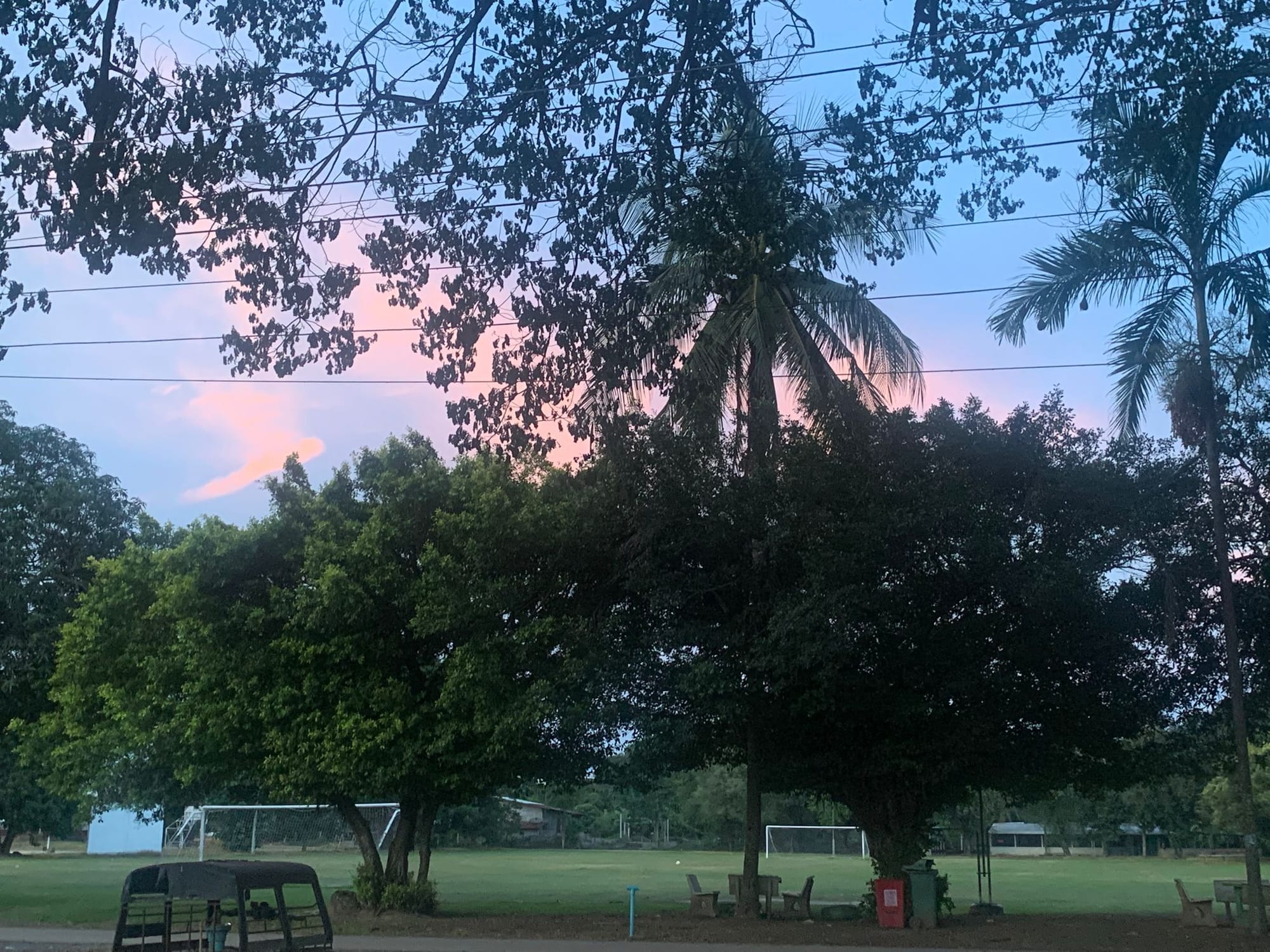
Being in an environment where everything is so foreign forces you to adapt, and to be resilient.
All in all, the programme was a hugely positive character building experience. Being in an environment where everything is so foreign forces you to adapt, and to be resilient. It also reminds you of the choice you have in every situation of how to react. Did I have a sink, hot water or a permanent Wi-Fi signal? No. Did mothers of children at the school continually shower us with more fruit than we could eat - mangos, lychee, pomelo, mangosteen and more? Yes. In the evenings, would we have time to ourselves? Not always, as the kids would sometimes pull up to school on their mopeds for a game of Uno at 8pm, and we’d have to quickly hide our beer bottles. Still, these are some of the best memories I have of the school.
The kids could source happiness like a continuously-running well, from the picking of a mango tree. They’d rip it open with their bare hands and suck out the golden sweetness. Each day I cycled round this peculiar Eden, letting the scorching heat unhook my worries, it made me wonder if life needed to be much more.
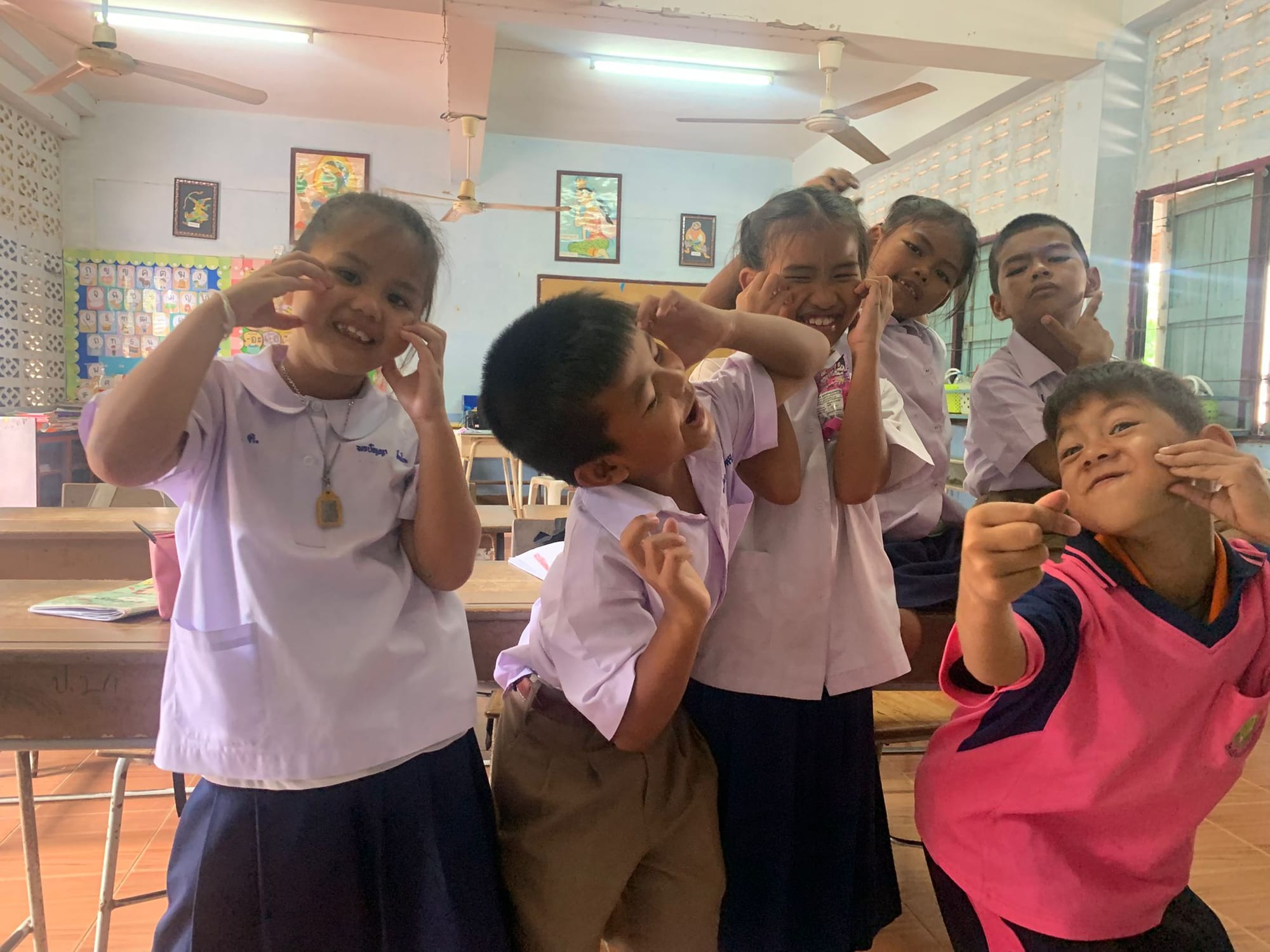
My mind would sometimes jump to how I would reflect on this experience, and mould it into a mini paragraph on my CV or an anecdote for later. But for the most part, it cannot be translated, and my mind remains in that village, with those people, and I will continually come back to it to find comfort in the daily routines that I know are running at this very moment. Perhaps it is nostalgia speaking, but I will let it wash over. I am so glad to have met the people here, and experienced their lifestyle for a short while. Truly, you come to realise that the world you inhabit is so small when you find yourself in a rural village in the ‘arse crack of nowhere’ in Thailand for six weeks.
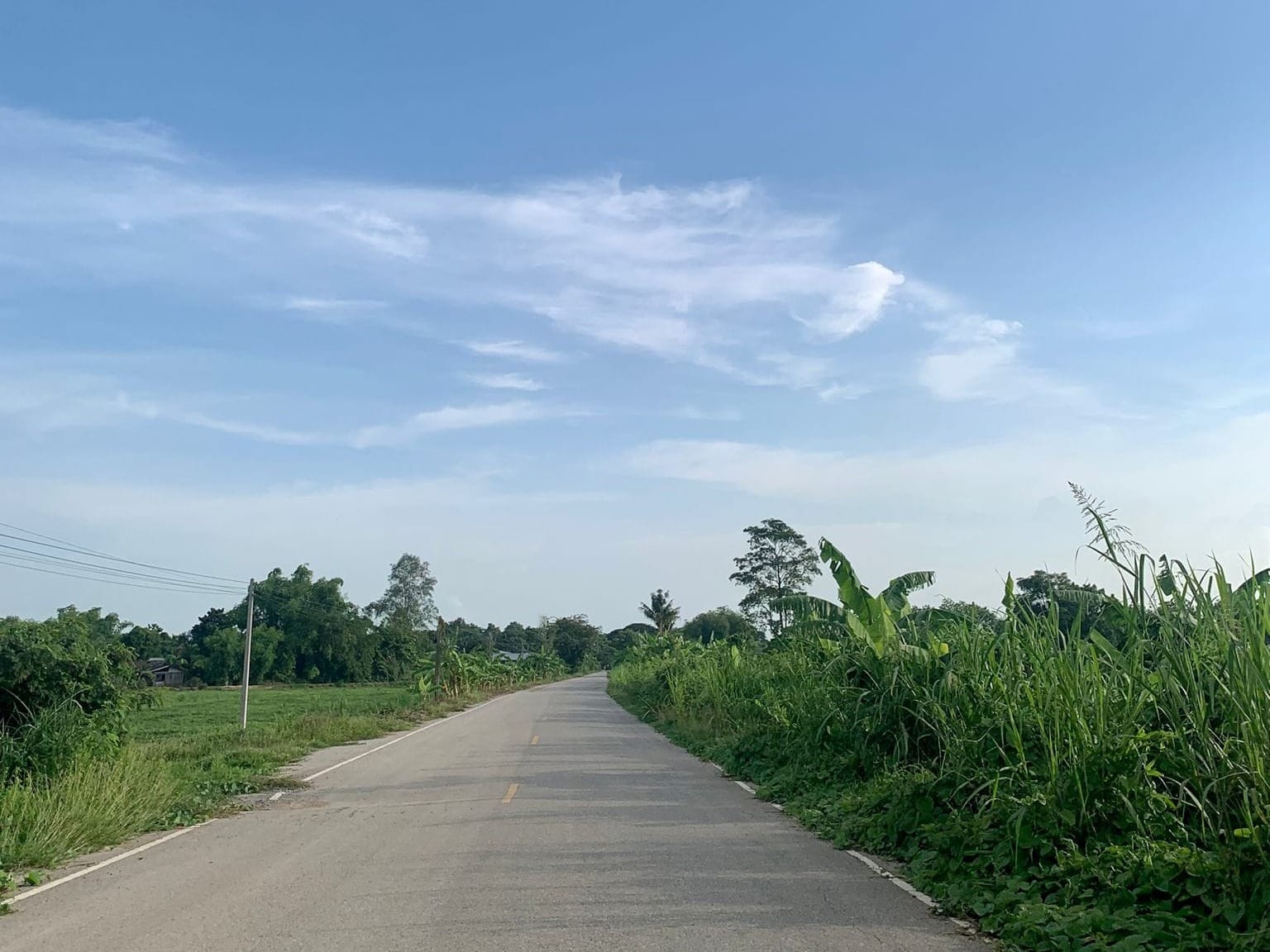
Featured Image: Epigram / Amelie Patel
Do you have any transformative volunteering experiences?