By Arthur Clinton, News Reporter
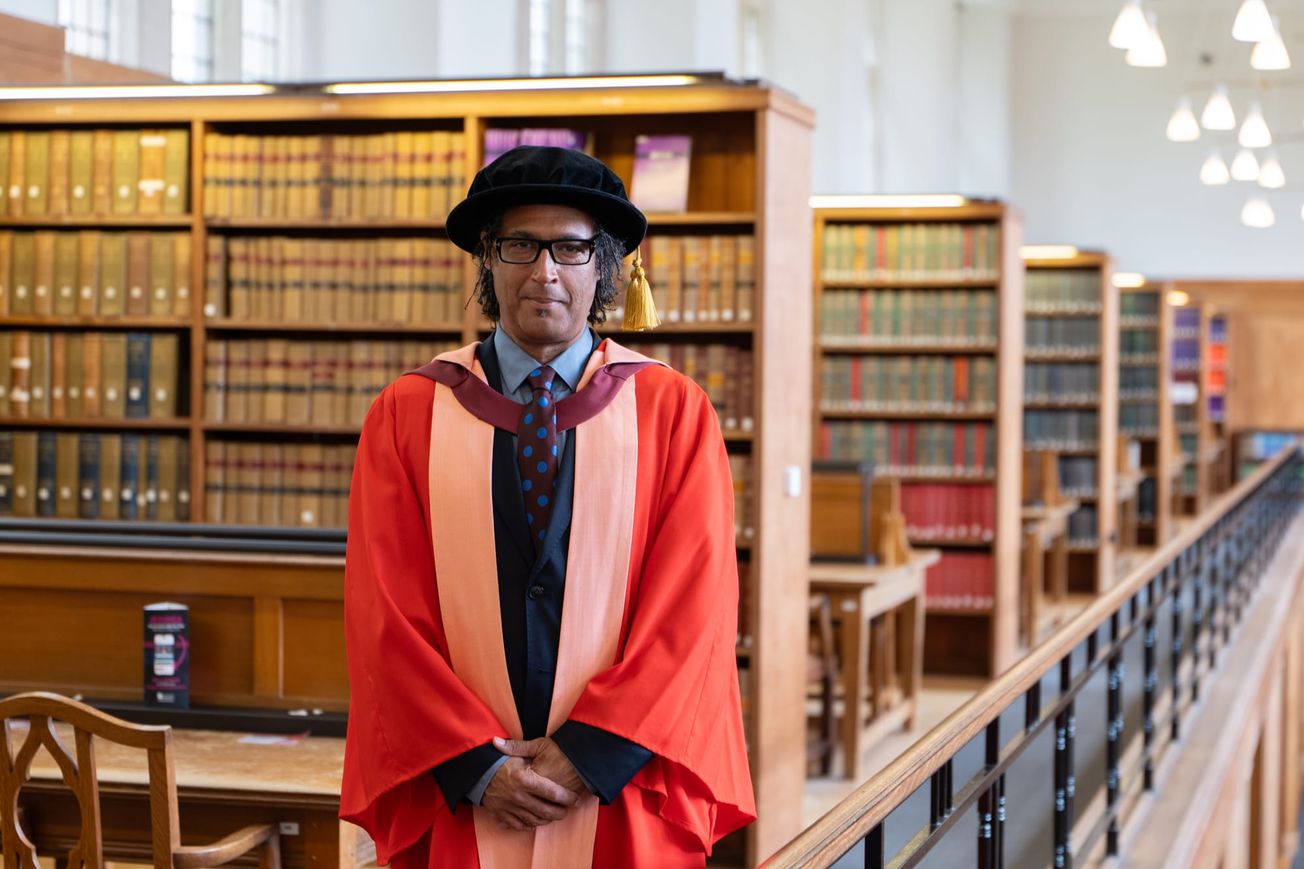
During the 1:30pm degree ceremony on Thursday, David Olusoga, Professor of Public History at the University of Manchester and Director of Hillgate Films was awarded an honorary Doctor of Laws degree from the University of Bristol.
Olusoga is no stranger to awards, receiving a BAFTA special award in 2016 and an OBE in 2019 to name but a few. His book Black and British: A Forgotten History won the 2017 Hessell-Tiltman Prize and was later adapted into a television documentary, joining Olusoga’s other notable works, The Secret Windrush Files (2019) and Britain’s Forgotten Slave Owners (2015), on the small screen. He is due to host an in-conversation event with former President Barack Obama at the London O2 arena in September.
‘You will inherit this nation. You will inherit its future.’
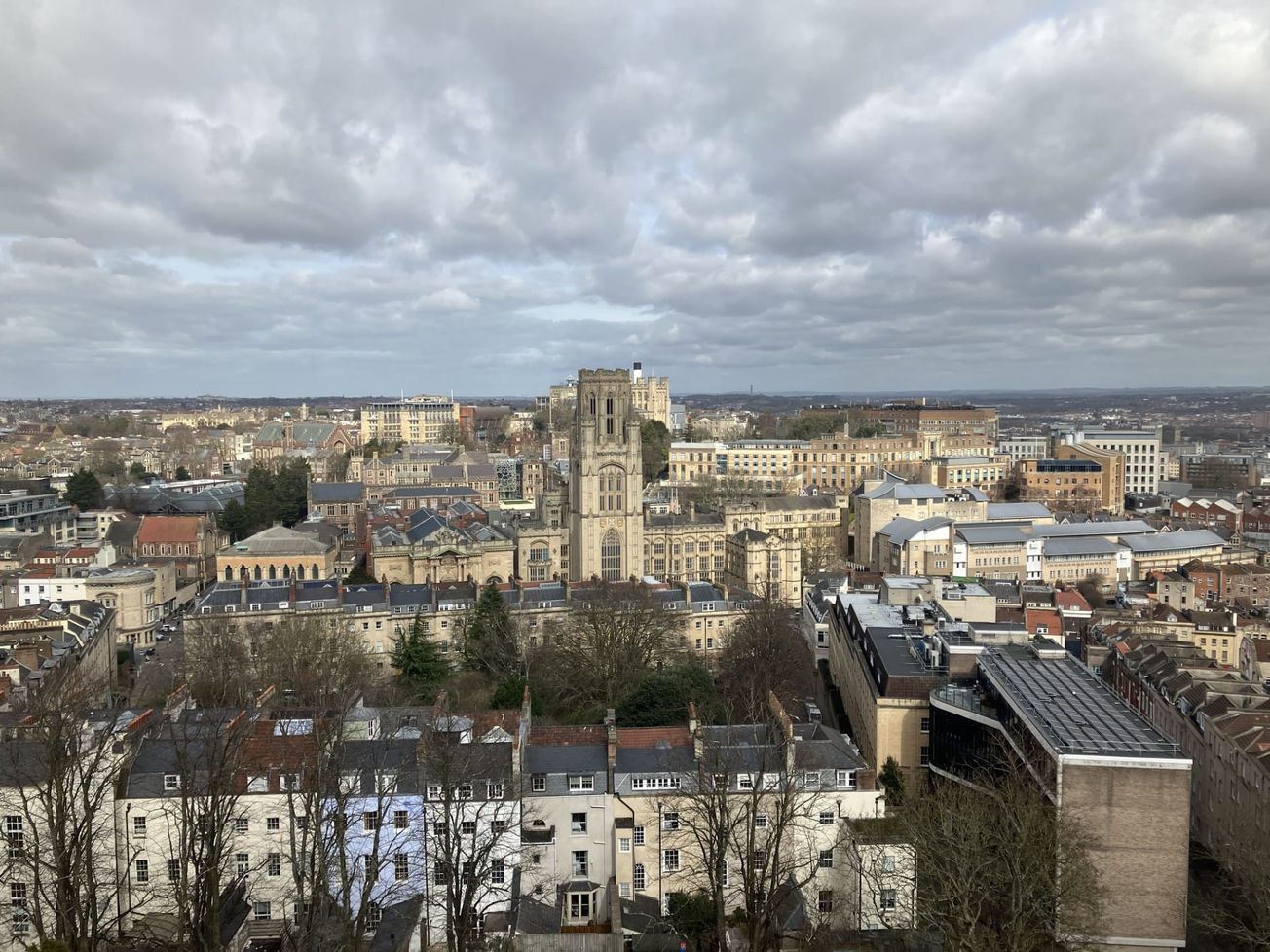
Addressing graduating History, Medical Humanities, Philosophy, and Theology students in the Great Hall at the Wills Memorial Building, Olusoga said:
‘Every generation is astonished by the moment when you start to be the leaders of your society’, telling the audience ‘You have much, much more power than you realise. You will inherit this nation. You will inherit its future.’
As Bristol continues to wrestle with its colonial past and the University looks to confront its historic links to the transatlantic slave trade, Olusoga’s message focused on the future. At the ceremony Dr. Marie-Annick Gournet - the Pro-Vice Chancellor for a Reparative and Civic Future - praised the acclaimed historian’s words:
‘He shows us that truth-telling isn’t about shame - it’s about dignity. It isn’t about erasing history - it’s about completing it’, emphasising that ‘when we engage in that work bravely and honestly, we don’t weaken our institutions - we make them stronger, fairer, and more relevant to the world we serve.’
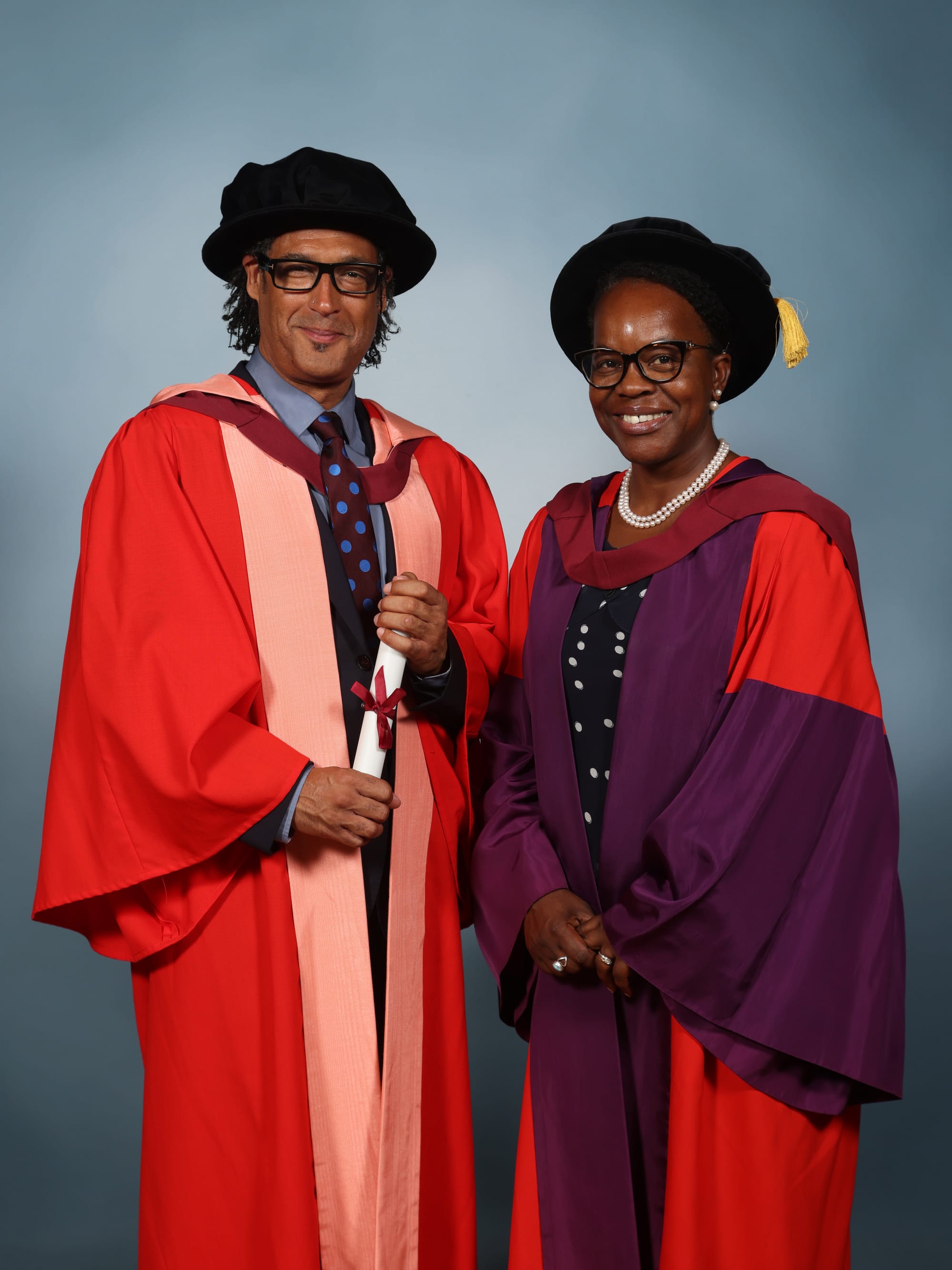
Following the graduation ceremony, Olusoga joined a panel event hosted by Professor Evelyn Welch, Vice-Chancellor and President and Dr. Gournet that considered how collective leadership could be used to achieve real change. They concluded that it would be through listening and responding to the voices of Black communities in Bristol. Olusoga shared his reflections on leadership and what is required of the university community, while Professor Welch and Dr. Gournet reflected on progress made so far at the University, both in its relationship to leadership and the ongoing Reparative Futures programme.
With an empty plinth and updated plaque in the Centre, alongside a refreshed University logo released last year without Colston’s dolphin emblem, Bristol has made significant progress in the decolonisation process. Many continue to ask how far is left to go, and where the balance between erasure and education lies?
Featured Image: University of Bristol