By Lenny Osler, News Editor
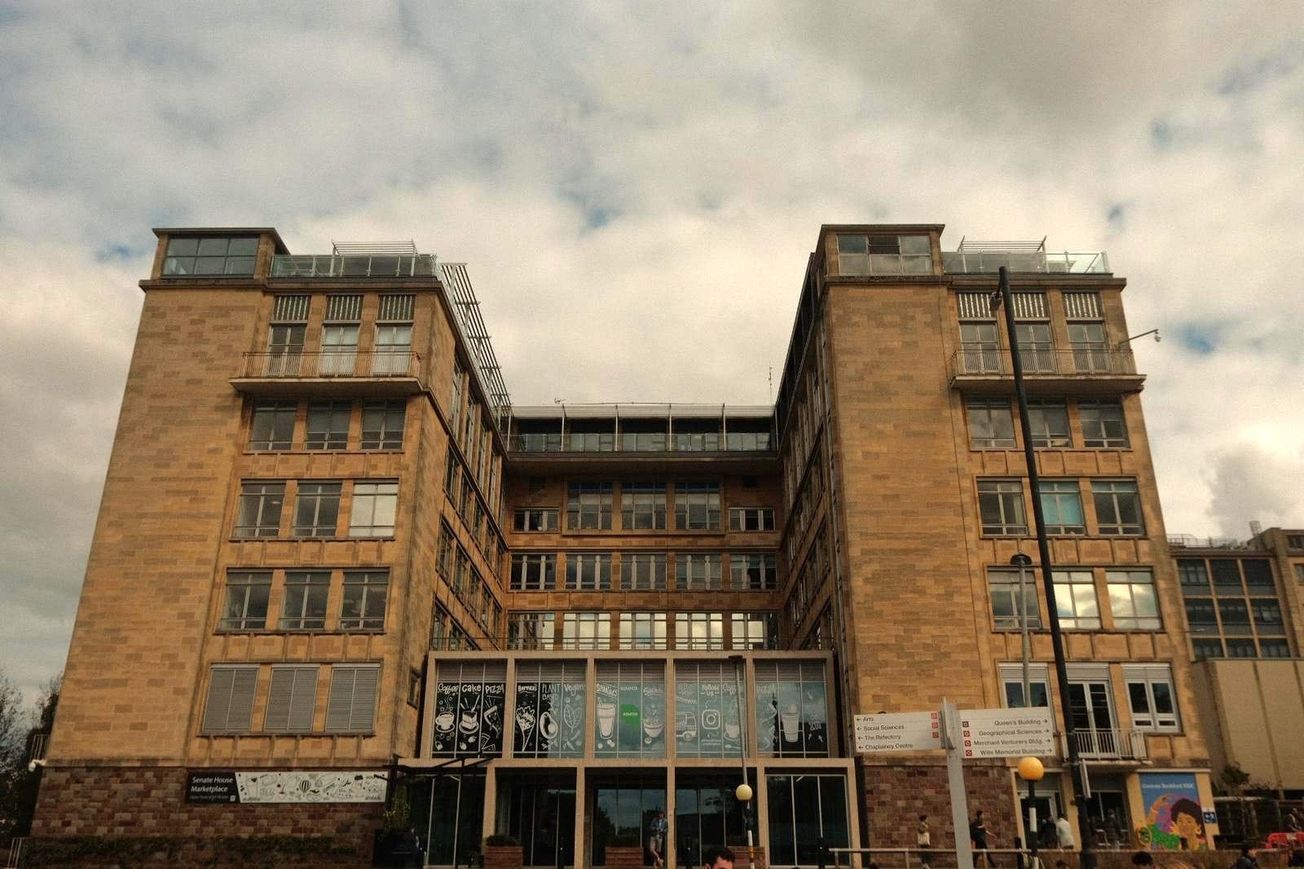
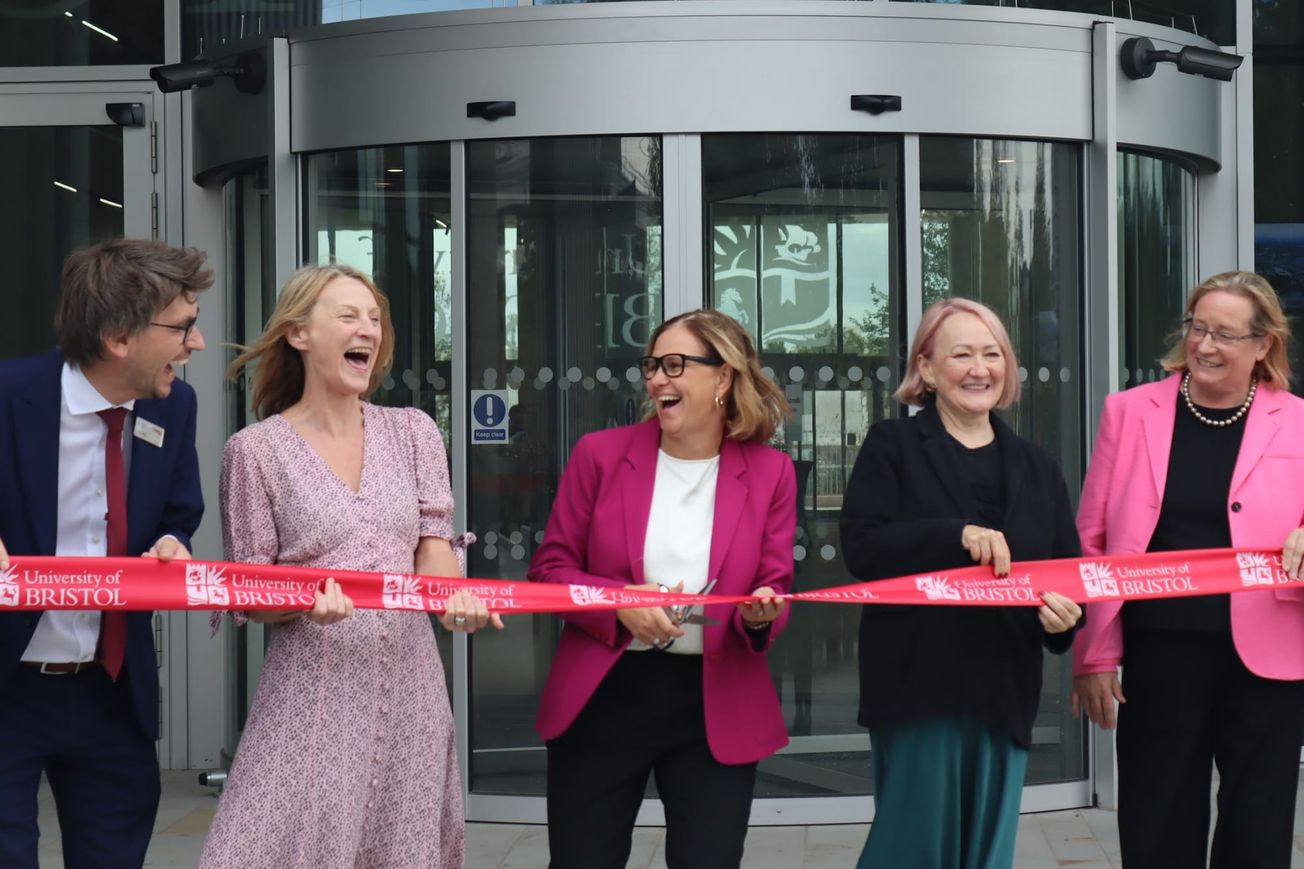
Today, the University of Bristol’s new Temple Quarter Enterprise Campus (TQEC) officially opened, as University administrators, local and regional government, businesspeople, and student leaders gathered to mark the result of a £500m investment.
The event coincided with the opening of Bristol Temple Meads station’s new eastern entrance, which opens directly onto the new campus.
TQEC is part of Bristol Temple Quarter - one of the UK’s largest regeneration projects, which seeks to bring housing, education, and workspaces to a previously derelict brownfield site.
The centrepiece of the innovation-focussed campus is the Sloane Robinson Building, a five-storey facility named after Hugh Sloane and George Robinson.
Sloane, a hedge fund manager and Bristol alumnus, and the Sloane Robinson Foundation donated £20m to the development of TQEC.
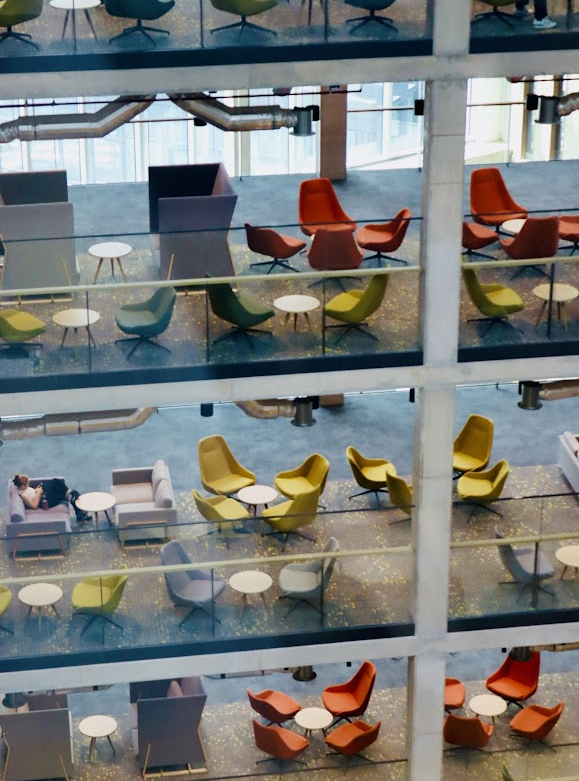
The building houses teaching and study spaces, 22 Active Learning Studios, an SU Living Room, corporate offices, and ‘civic spaces’ open to the public.
On the ground floor, teaching will take place in a ‘lecture theatre in-the-round’ with the capacity for 300 students.
The West of England Mayoral Combined Authority (WECA) also invested £35m in TQEC, hoping to ‘connect industry, investors and innovators with University of Bristol research, talent and space.’
Notable features of TQEC include Bristol Innovations Zone, providing labs and workspaces for businesses developing ‘critical and frontier technologies’.
The University’s Business School will expand into the Sloane Robinson Building from its previous location in Howard House, while the Centre for Innovation and Entrepreneurship will also be based there.
Students enrolled on courses within the Business School, and those studying Innovation alongside their degree, will be taught at the new campus.
 Lenny Osler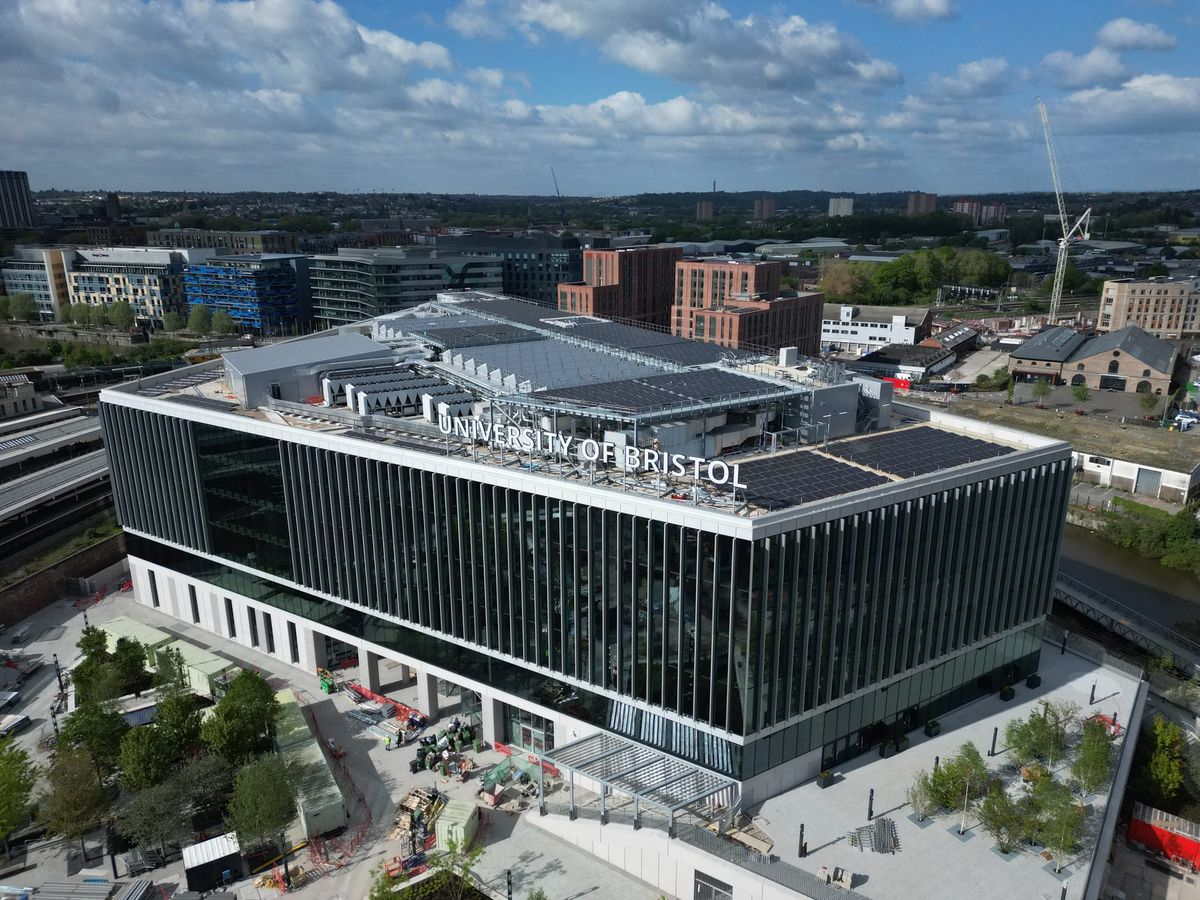
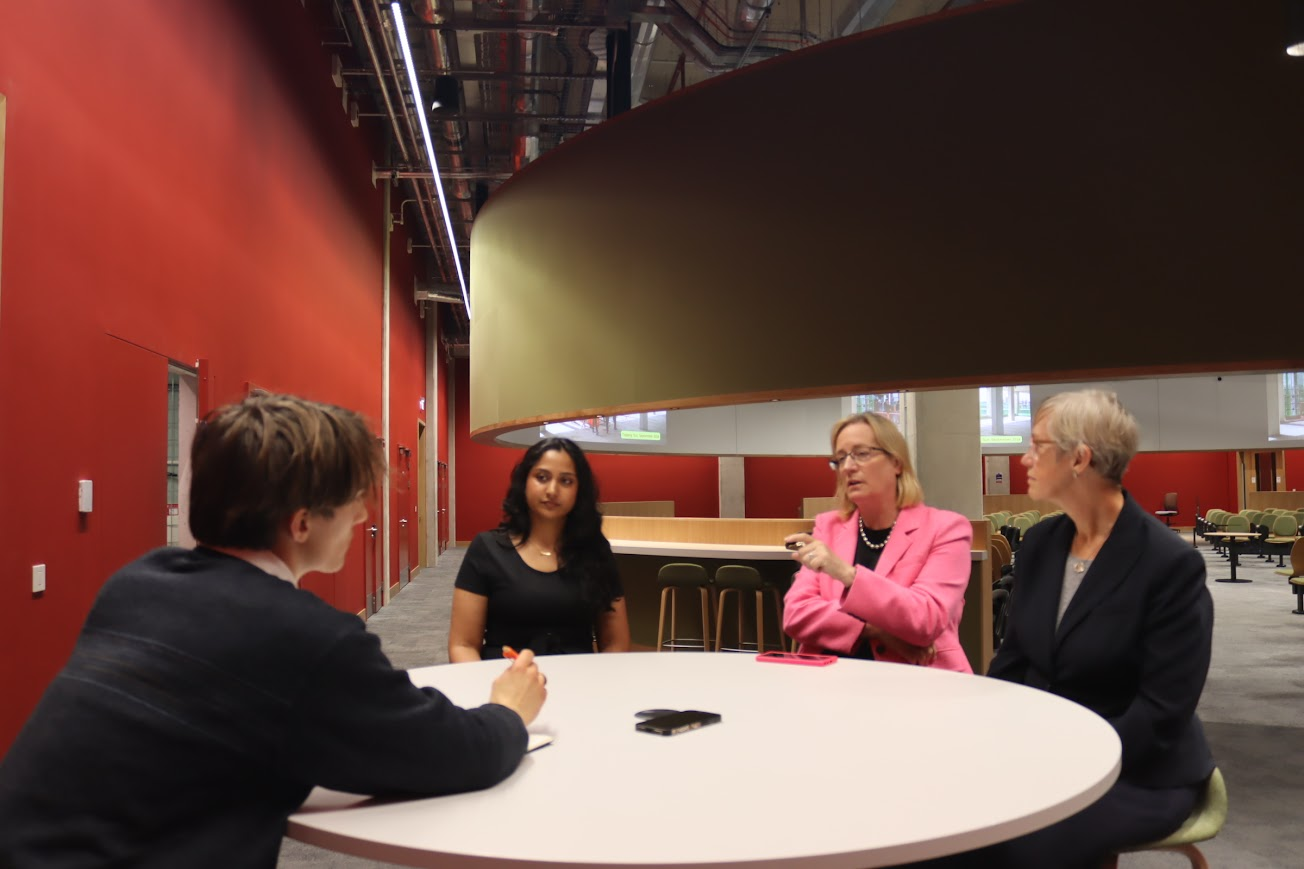
Epigram spoke to Prof Evelyn Welch, Vice Chancellor and President of the University of Bristol, alongside Deputy V-C and TQEC lead Prof Judith Squires, and Sharan Khemlani, Bristol SU’s Postgraduate Education Officer.
On the benefits TQEC would bring to University of Bristol students, V-C Welch said:
‘TQEC is designed for students studying innovation and entrepreneurship as part of their degree, students in their final year of degrees within the Business School, or postgraduate taught students on innovative courses that mix business and leadership with deep tech.
‘For a first-year undergraduate primarily studying in Clifton, TQEC is a great stop-off point as you come out of Bristol Temple Meads station.’
Sharan said students had ‘been involved for many years’ with designing TQEC, with Deputy V-C Squires adding the new spaces ‘came out of conversations with our students about how they like to learn’.
Asked to justify the scale of University investment in TQEC alongside recent cuts to essential student services, V-C Welch said:
‘There is no trade-off between this building and bus passes.
‘We need to see these not as being in opposition to each other, but as part of the conversation about how we give all our students the very best experiences.
‘Thanks to Bristol SU, transport and laundry costs are at the top of our agenda at the moment.’
Sharan stressed the need for conversations between Bristol SU and the University to ‘balance the need for a campus like this, while understanding there is a cost-of-living crisis.’
Sloane Robinson, the hedge fund that donated £20m to TQEC through its charitable foundation, was ordered in 2012 to pay £13m in unpaid tax after participating in a tax-avoidance scheme.
Asked about the nature of donations the University received to fund TQEC, V-C Welch said:
‘This donation underwent an extremely rigorous process of evaluation - both of where the money came from and what it would be used for.’
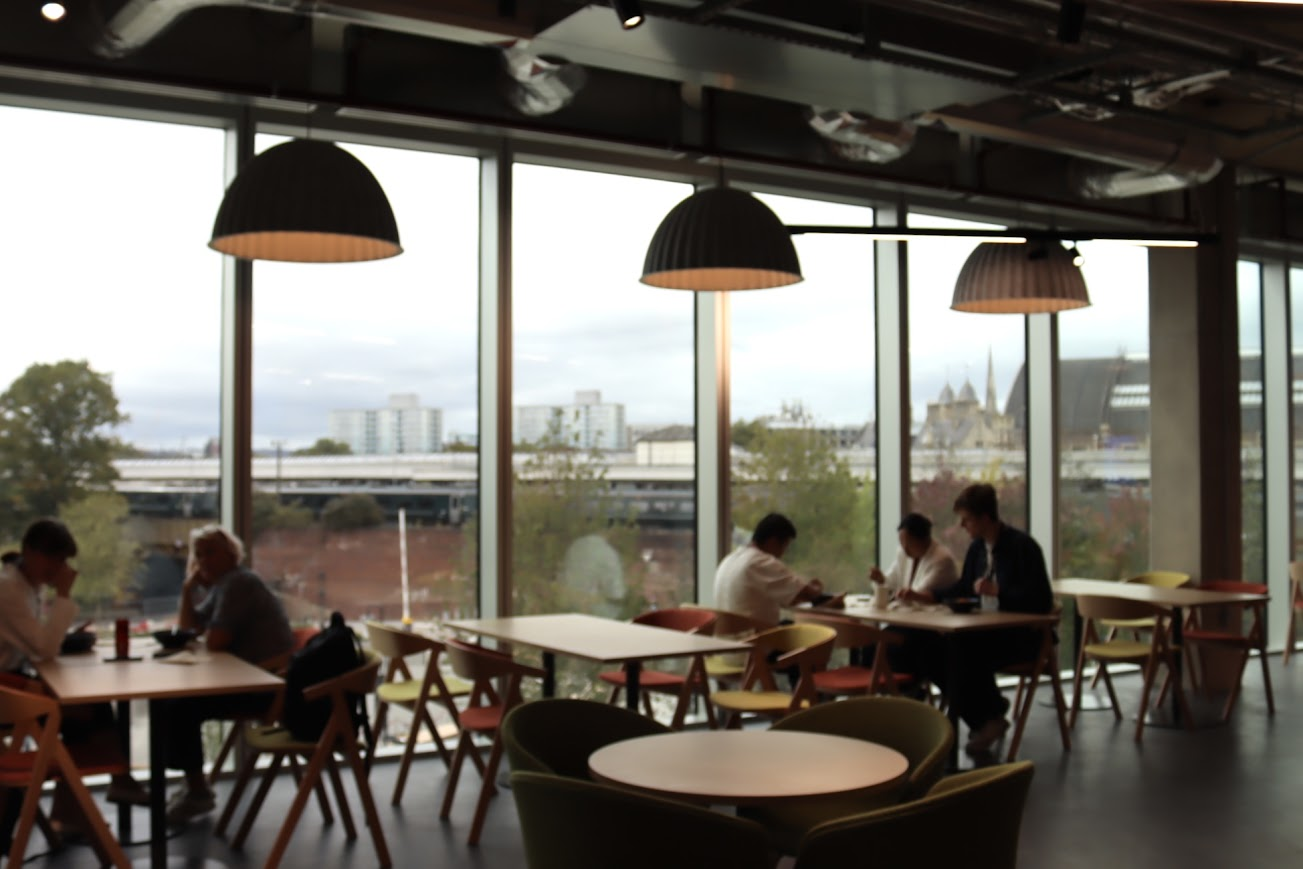
Deputy V-C Squires said TQEC was ‘porous’, keeping cafés and laptop study spaces open to the public throughout the Sloane Robinson building ‘right up to the fifth floor’.
 Katy Goodall
‘We want people to feel that it’s the “University for Bristol”, not just the University of Bristol.’
Questioned on the environmental impact of the new campus, Deputy V-C Squires assured it ‘met the highest standards of sustainability’.
She emphasised the progress TQEC would bring towards the University Climate Action Plan by ‘moving more of the University’s activities into more sustainable facilities’.
Helen Godwin, Mayor of the West of England, praised the opening of TQEC, promising it would help deliver 10,000 homes and 10,000 new jobs to the area.
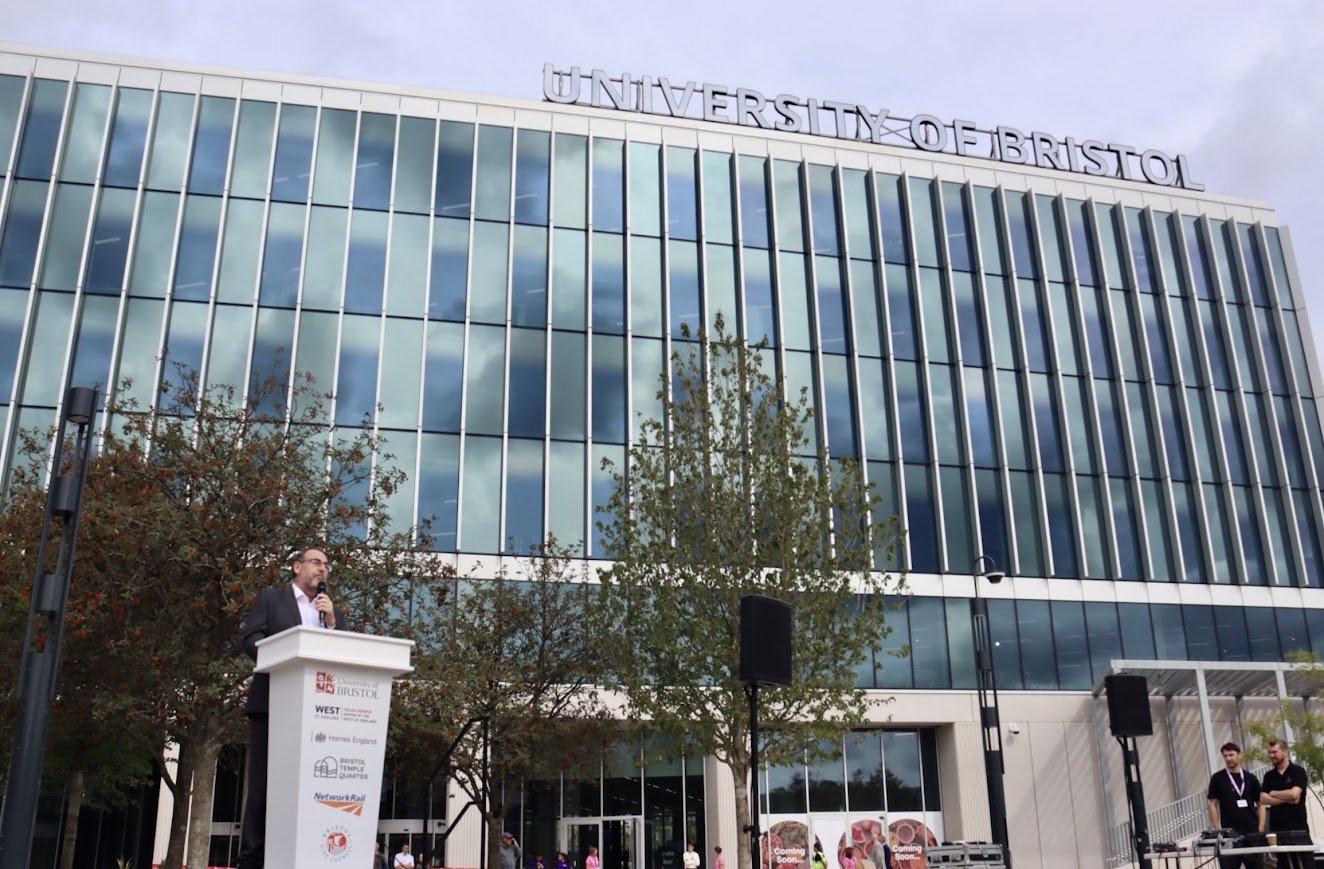
On TQEC’s location - distanced from the University's Clifton campus - she said:
‘I think there’s something really positive about students walking across a city and being part of it.
‘As a student, walking through [Liverpool] city centre gave me an appreciation of the place and its culture outside the university experience.
‘We understand people are having to make different decisions about where, or whether, to go to university because of rising costs. We [WECA] want to be a good partner to the University of Bristol, but also to students.’
Featured image: Epigram / Emilia Ibarguen Donoso