By Alex Boersma, Literature Columnist, 25/26
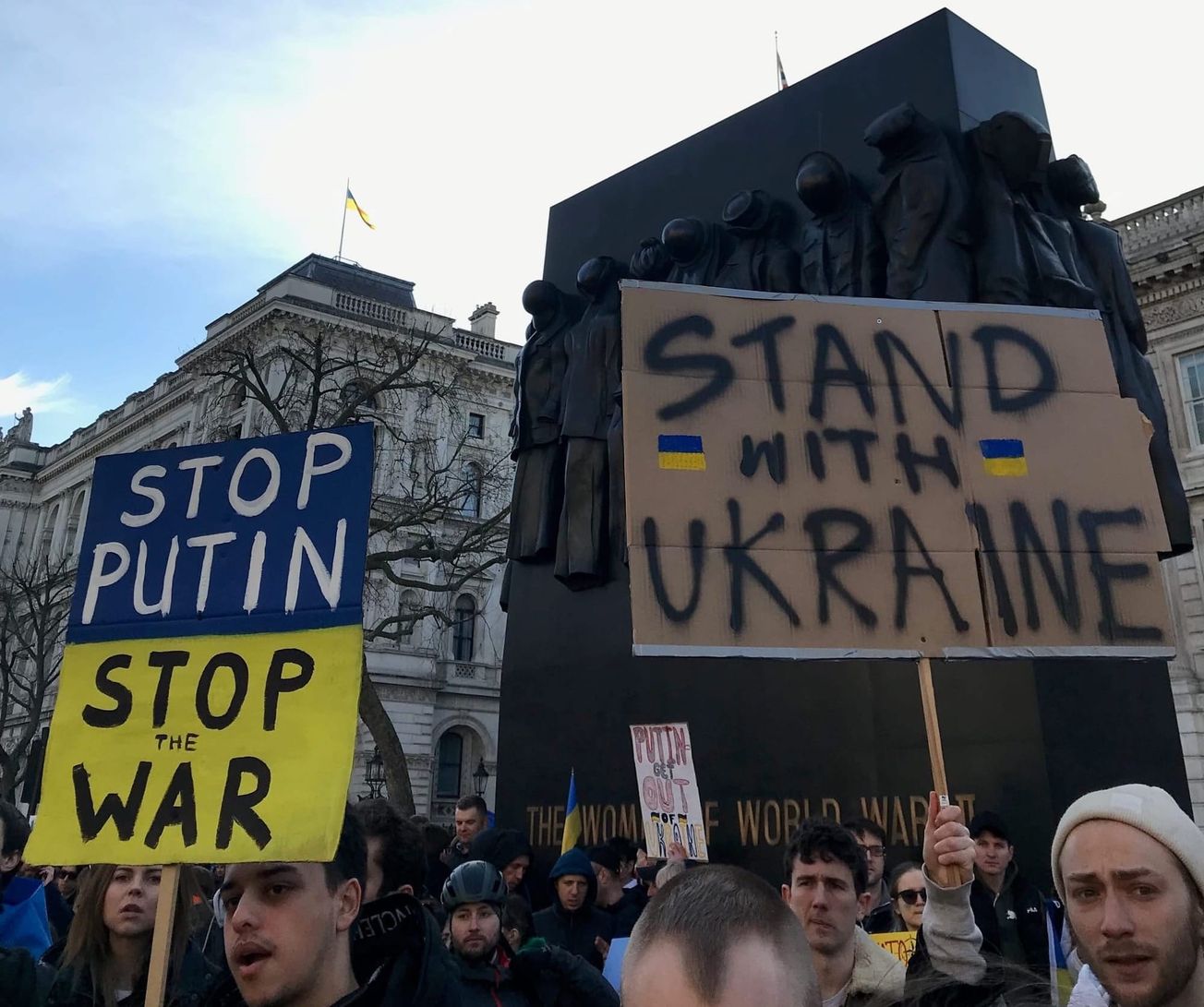
As the four year anniversary of Russia's full scale invasion of Ukraine looms, I have compiled a list of accessible Ukrainian books to encourage you to educate yourself and continue supporting the country's language, culture and heart. We must protect the Ukrainian language and culture at all costs in this time of dire need as Russia attempts to erase them.
Being half Ukrainian myself, I have seen first hand Russia's destruction of Ukraine and its culture for years with the Russian invasion beginning 10 years earlier than many are aware of in 2014 when Russia annexed Crimea. The media seems to have neglected the non physical destruction of Ukraine. Not only is Russia destroying the towns and cities of Ukraine but it is also attempting to eradicate its culture and language. Russia's attempt to destroy the ukrainian language and culture also happened during the rule of the Russian empire and throughout the Second World War when Ukraine was under Soviet rule. Russia refused to allow those in Ukraine to write in or speak Ukrainian and forced many to switch to speaking Russian instead. This was the case for my great great uncle who was an academic forced to write his textbooks in Russian. Bravely, he refused to write in Russian and ended up losing his job. Even after Ukraine's independence in 1991, many TV shows, music and literature were still in Russian. Today, Russia continues to ban the Ukrainian language in occupied territories as schools are no longer allowed to teach it. This is why since the full scale invasion in 2022, many Russian speaking Ukrainians have deliberately chosen to speak Ukrainian instead.
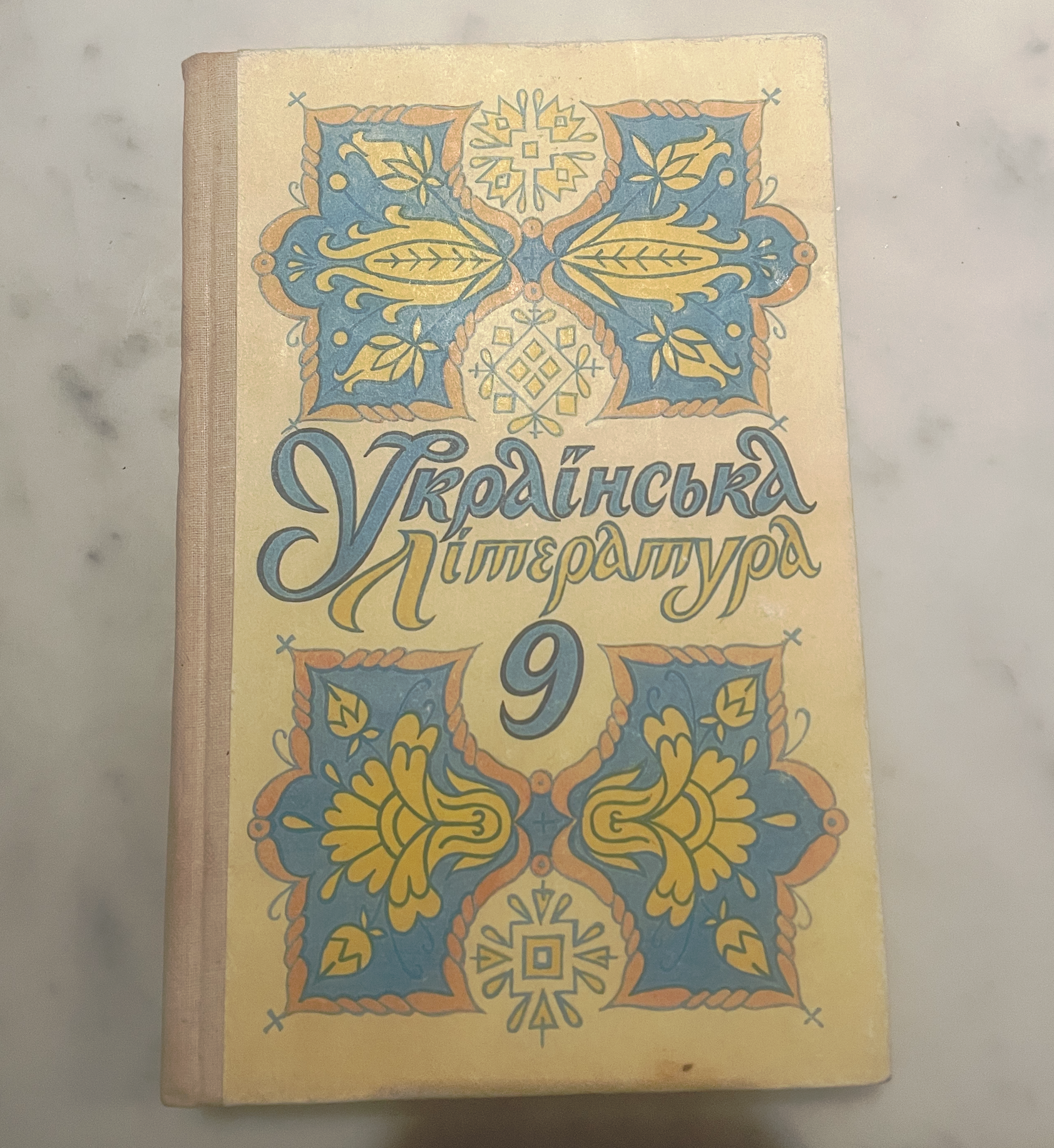
The forest song by Lesya Ukrainka
Lesya Ukrainka is one of the most famous Ukrainian figures of the 19th century. She was a playwright, poet, writer, translator and feminist activist who fought for Ukrainian independence despite being under the Russian empire. Recently adapted into a film, Mavka: The Forest Song (2025, available on prime video), the poetic play follows Mavka, the spirit of the forest as she battles between her heart and duties to the forest when she falls in love with a human musician. The play was originally written in Ukrainian in less than two weeks and blends Ukranian folklore and mythology.
Food for the dead by Charlotte Shevchenko Knight
A sparkling poetry collection by Manchester’s city poet Charlotte Shevchenko Knight explores the traumatic experiences of her family during the Holodomor genocide. The Holodomor, 1932-33, was a man made famine charged by Stalin’s government during Soviet Union times. Shevchenko Knight is of dual Ukrainian-English heritage and seamlessly depicts familial stories during this monstrosity. I particularly love the family photos in this which make it feel more personal and real when it feels hard to believe that the genocide really took place.
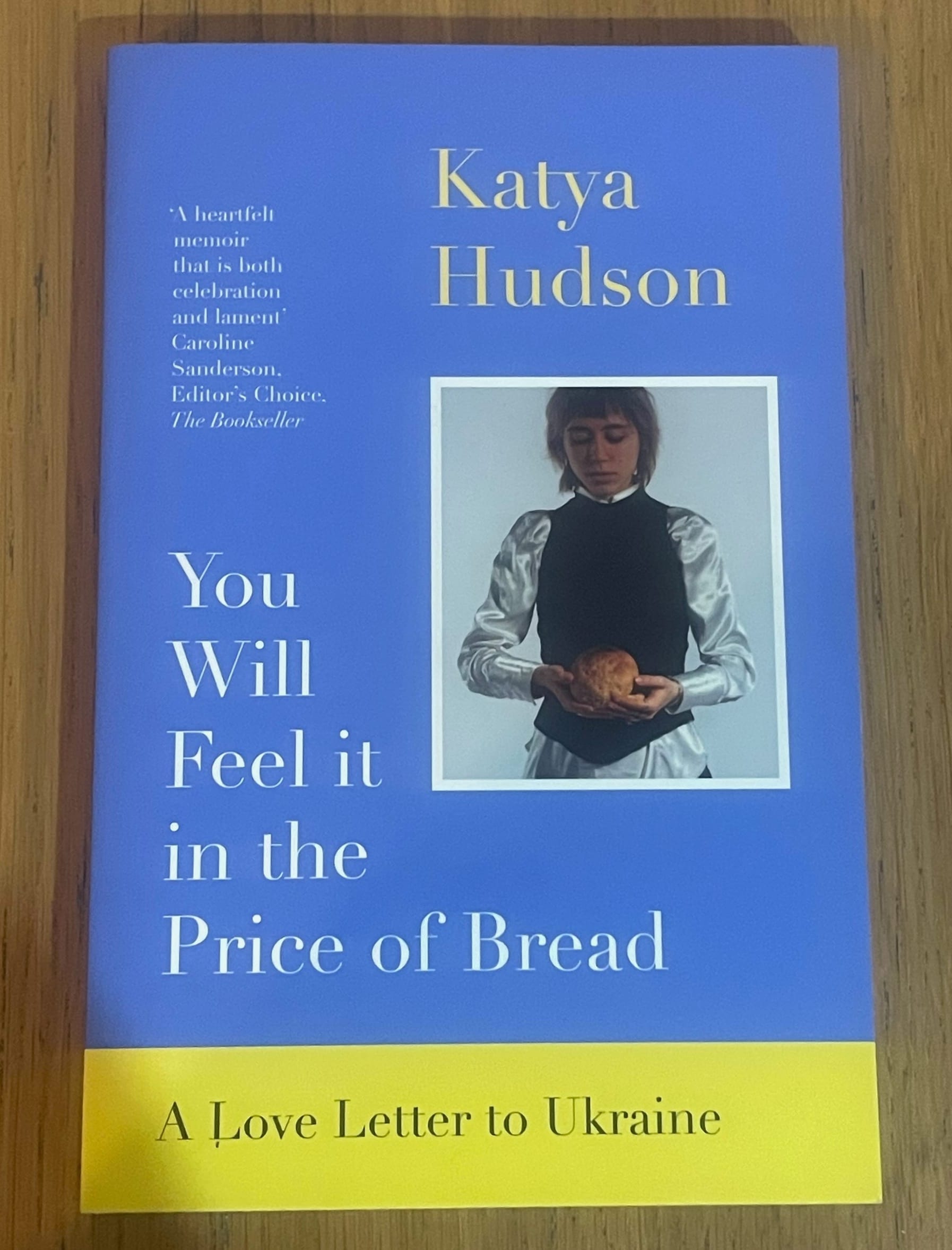
You will feel it in the price of bread by Katya Hudson
This is one of those books that feels like talking to a friend. Hudson creates the most beautiful memoir filled with maps, poetry, illustrations, photography and prose to document her childhood memories in Ukraine and heartwarmingly, her close relationship with her grandmother. Hudson describes the book as ‘a love letter to Ukraine’ and I couldn’t describe it better myself. She traces her grandmother’s memories of life in the USSR as well as life in the current war which prevents her from seeing her grandmother regularly who remains in Ukraine.
Deaf Republic by Ilya Kaminsky
Despite being born in the former Soviet Union in Odessa, Kaminsky and his family sought political asylum in the United States. Much of his writing has glimmers of both places. After being declared one of ‘12 artists who changed the world’ by the BBC in 2019, Kaminsky’s poetry rose to fame. Kaminsky performed at Bristol’s Lyra poetry festival last year, alongside Charlotte above, reading extracts from this collection and another, Dancing in Odessa. Deaf Republic revolves around the murder of a little boy named Petya and the response of the townspeople who struggle to come to terms with the tragedy claiming to not have heard the gunshot while also using silence as means of resistance and denial. The opening poem ‘We lived happily during the war’ highlights the strange contrast of differing experiences during war and the speaker’s guilt at domestic happiness amidst a horrific war. The speaker seems to ask for forgiveness for such moments of happiness during wartime and condemns America’s passivity.
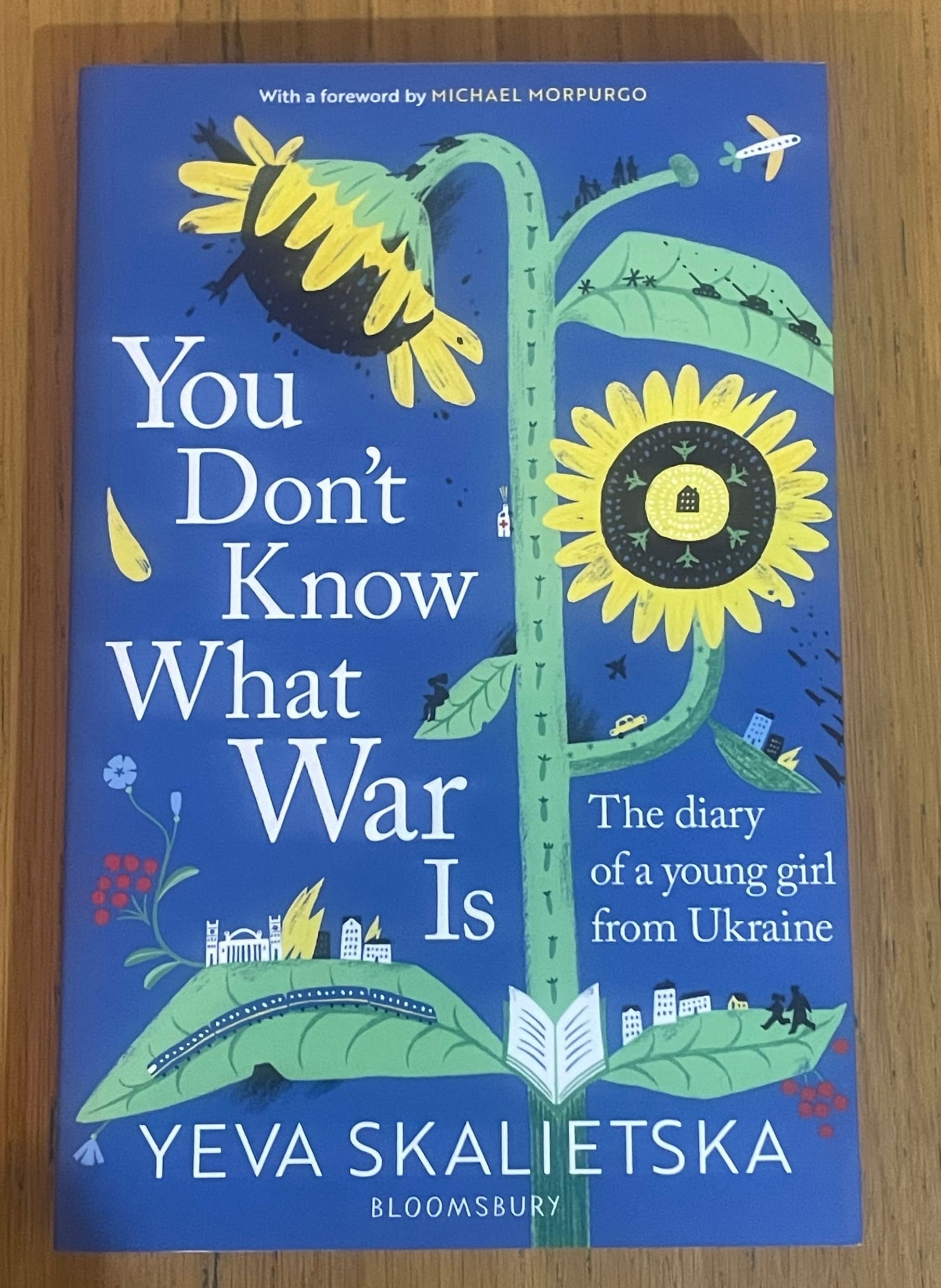
You don’t know what war is by Yeva Skalietska
Only 12 years old at the start of Russia’s full scale invasion of Ukraine, Skalietska began a 12 day diary following her experience of the war. The book begins with Yeva’s birthday celebrations ten days before the full scale invasion commences as rumours of an invasion rumble around the world and yet many failed to believe it would actually happen. This stark opening of a normal child’s celebration really brings home the disturbance of the war on ordinary citizens. The day after her birthday, Yeva describes being woken by the sound of missiles to her grandmother faces the Russian border through their window. The diary follows her experience of the first 12 days of the full scale invasion on her journey to seek refuge in Dublin. The book contains real life images and texts which continuously remind us of the war’s impact on Ukraine’s ordinary citizens with those who can having to flee their homes, families and friends.
If you want to learn more about Ukraine or want further recommendations don’t hesitate to reach out to me and keep an eye on the Ukrainian society as they often screen documentaries and hold events that may be of interest.
Featured Image: Epigram/ Alex Boersma
Did you know about the war on culture?