
By Beatrix Gazzard, Third Year, English
With the rise of hook-up culture, dating apps, and commitment anxiety, could it be that age-old stories of happily ever after now feel too far-fetched for audiences to enjoy? Popular contemporary television has recognised this cultural shift, reflecting the battleground of modern dating and breaking away from the false promises of fairytale romance. In doing so, it memorialises a type of relationship built on instability, messiness, and mixed signals: the ‘situationship’.
Infamous among students and young adults alike, the situationship occupies a grey area between friendship and a formal relationship. Free from labels and exclusivity, situationships can be exciting and spontaneous, but more often result in emotional torment, trust issues, and heartbreak. Of course, this makes for excellent television, but when does this romanticisation become a dangerous glorification of toxic and harmful dating habits?
Gossip Girl (2007) – Chuck Bass and Blair Waldorf
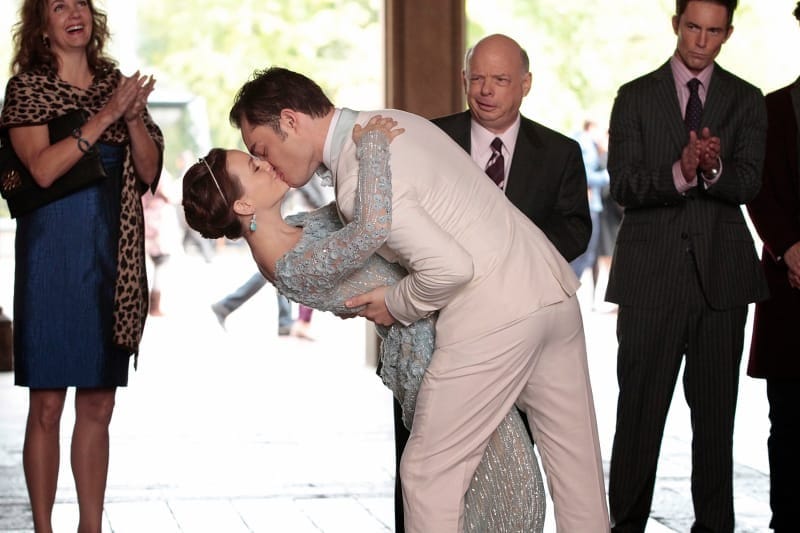
Speaking of toxic habits, few examples are as iconic as the king and queen of the Upper East Side: Chuck Bass (Ed Westwick) and Blair Waldorf (Leighton Meester) of Gossip Girl (2007). Following Manhattan’s teenage elite, the series provides viewers with a constant stream of inebriating scandals, drama, and love affairs. Keeping us on edge for six whole seasons, this devious and passionate pair epitomises the intoxicating duality of the situationship. Flitting between steamy bouts of romance and torturous mutual destruction, Chuck and Blair are an undeniably addictive couple to watch on screen.
Their situationship has attracted huge fan bases, even coining the term ‘Chuck Bass Syndrome’, used to romanticise the character’s toxic traits, namely narcissism, emotional manipulation, and an obsession with sex and power. This widespread infatuation with Chuck Bass has cemented him as one of television’s paragons of the ‘emotionally unavailable man’. Carmy Berzatto (Jeremy Allen White), from The Bear (2022), is a more recent example of this enticingly toxic archetype. Highly anxious and prone to perfectionism, Carmy channels his inability to express himself emotionally into an obsessive career in cooking, constantly distancing himself from vulnerability.
These complex characters leave viewers with a deep-seated sense of sympathy and intrigue, fuelling the viral ‘I can fix him’ syndrome, well known within heterosexual dating narratives. Often involving a woman abandoning her own emotional needs in the hope of ‘fixing’ or ‘reforming’ her male partner, this mindset almost inevitably leads to disappointment and emotional burnout. It is no coincidence that the term ‘syndrome’ appears to be a common thread here. Is it possible that television’s romanticisation of these characters has popularised a desire to forge connections with their real-life equivalents?
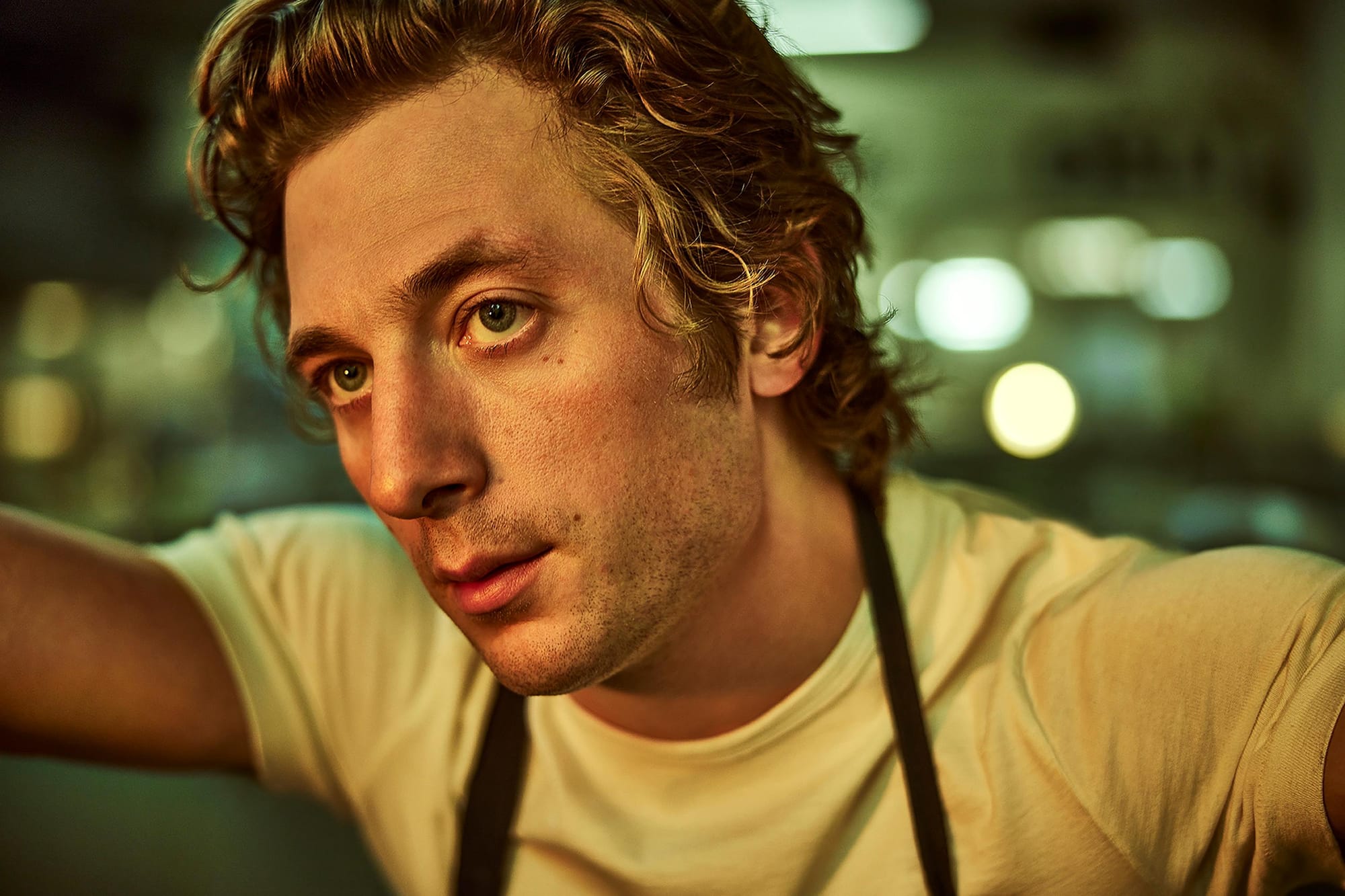
Somehow, this does not feel like the best springboard for a healthy relationship: the emotionally unavailable man and the situationship are the PB&J of modern dating. Struggling to share feelings or engage in meaningful conversation, the emotionally unavailable man thrives within a situationship, shying away from vulnerability and commitment. While undeniably gripping to watch, this dynamic hardly sets a healthy example of romantic connection.
So why are we so drawn to these connections on television? It could be that they represent a version of dating that does not gloss over the disappointments of reality. Admittedly, the lives depicted in Gossip Girl and The Bear are not the most relatable. Spoiler alert: Chuck and Blair ultimately get married in the series finale. Talk about setting high expectations for our own situationships.
Normal People (2020) – Connell Waldron and Marianne Sheridan
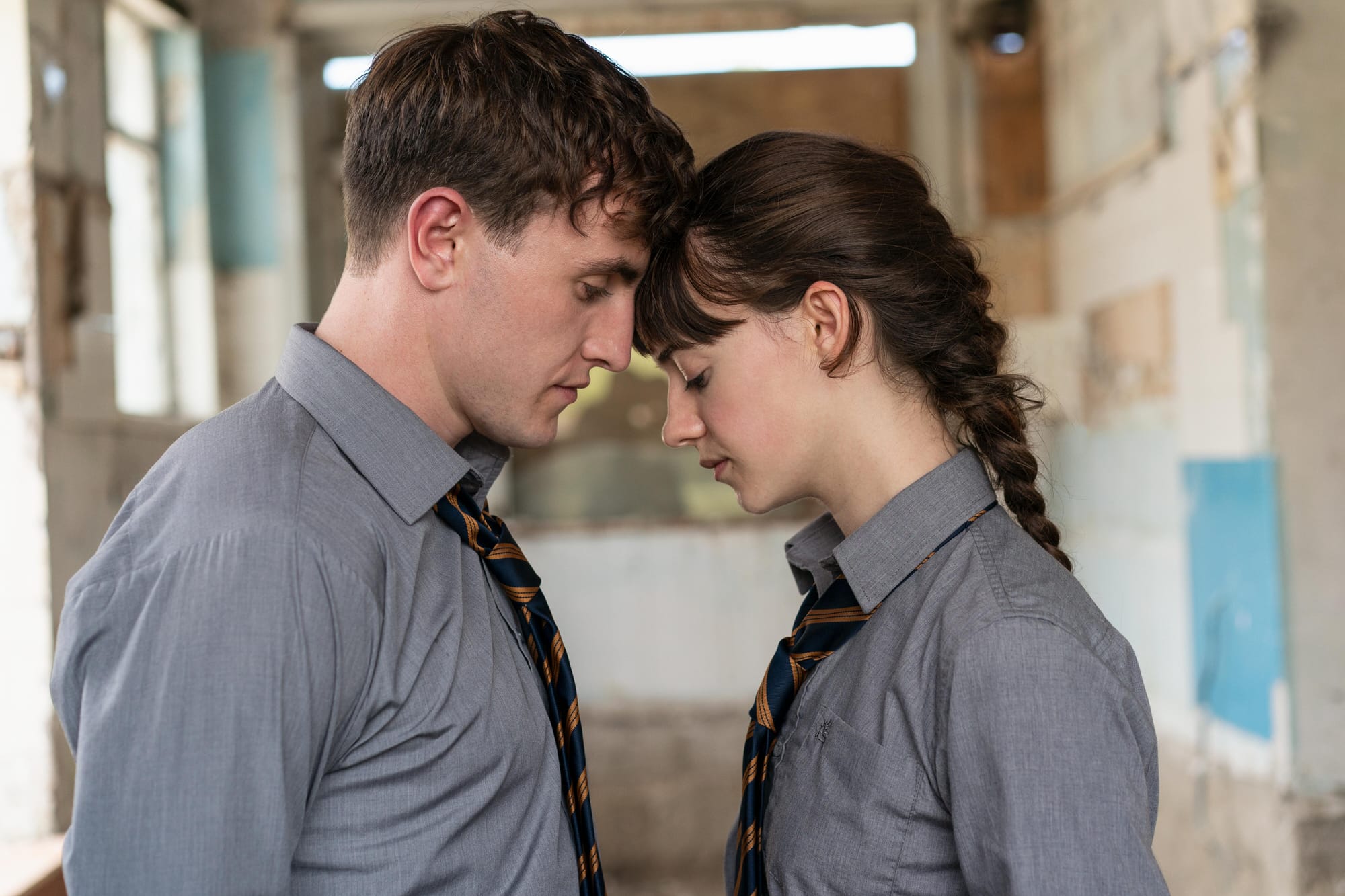
Where these examples failed to satisfy our craving for gut-wrenchingly relatable stories, Normal People (2020) delivered. Based on Sally Rooney’s bestselling novel, the series follows the relationship, or situationship, between Irish teenagers Marianne (Daisy Edgar-Jones) and Connell (Paul Mescal). The show authentically captures the complicated and messy journey of first love, emotional maturation, and self-discovery. Following the characters over four formative years as they weave in and out of each other’s lives, it takes viewers on a rollercoaster of emotion, yearning, and heartbreak.
Fleabag (2016) – The Hot Priest and Fleabag
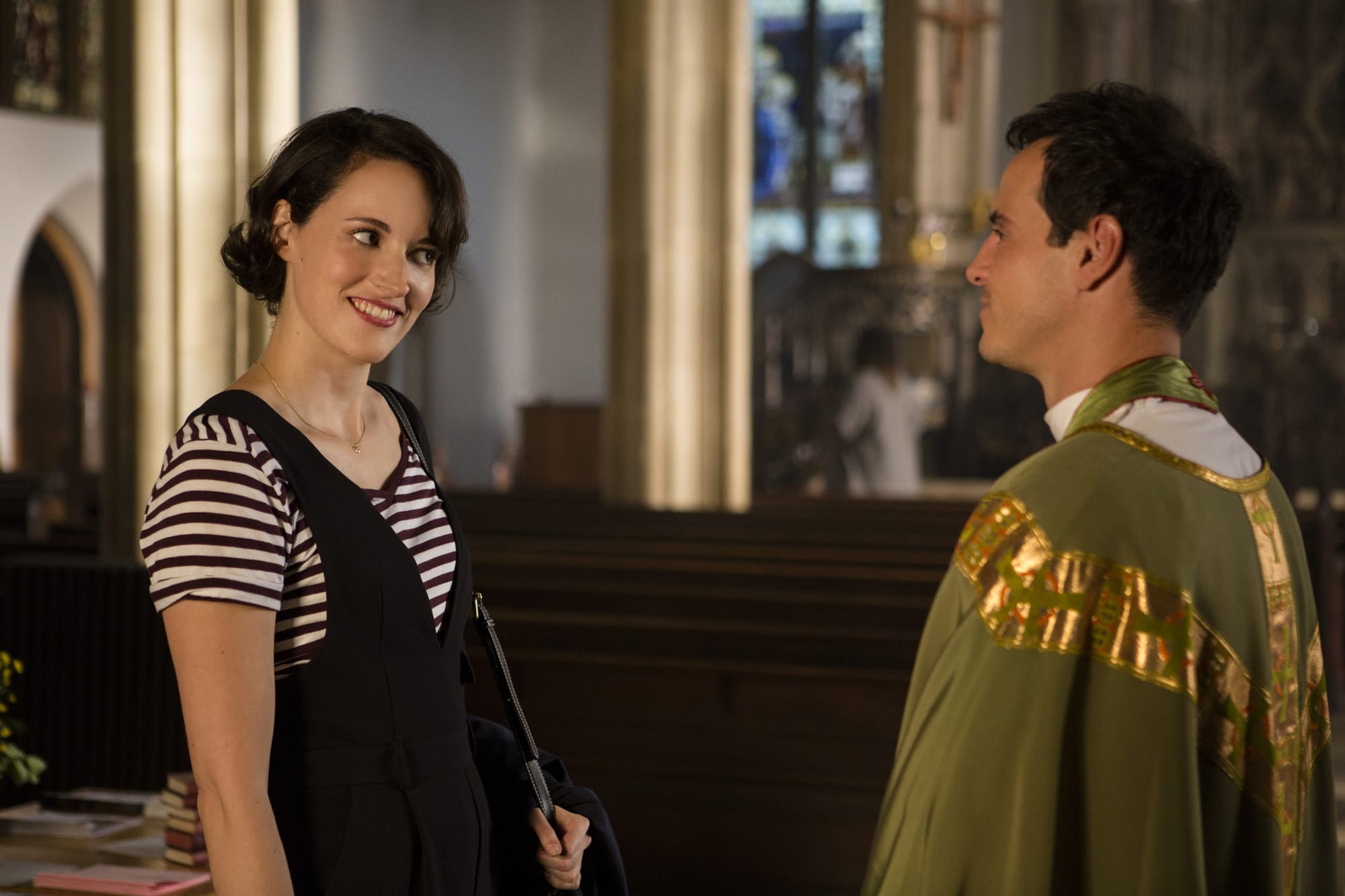
Sticking with the theme of heartbreak, Phoebe Waller-Bridge’s Fleabag (2016), still hugely popular almost a decade after its release, offers a tantalisingly witty and honest depiction of a young woman navigating the death of her best friend, her dysfunctional family, and the dating world. Adapted from Waller-Bridge’s one-woman show first performed in 2013, the series, among other storylines, explores Fleabag’s relationship with a Catholic priest (Andrew Scott), dubbed the ‘Hot Priest’ by fans. Intensely passionate and complex, their relationship is defined by the conflicting intersections of religious faith, love, and desire. The forbidden nature of their romance quite literally becomes a hot topic, breeding sexual tension and anticipation. Ultimately choosing God, the Hot Priest breaks Fleabag’s heart, along with that of the audience.
Drawing audiences in with gripping plotlines and relatable content, television’s romanticisation of situationships reflects the realities of modern dating. That said, it is important to remember that these shows are works of fiction, not romantic guidebooks.
Featured Image: IMDB / BBC
So, do on-screen situationships help us better understand modern dating, or simply teach us to tolerate less than we deserve?