
By Lucy Bevan, First Year Criminology
With spring on the horizon and tickets flying out for summer festivals like Love Saves the Day, many of us are buying tents, suncream and paracetamol and wondering how we'll survive on pot noodles and a six-pack of brioche for a weekend. But for women, questions of safety often take a very different, and far more sinister direction.
According to a YouGov survey in 2018, 43% of female festival-goers aged 40 and below experienced sexual misconduct at a music festival, but only 2% reported it to the police. While these figures may be shocking to some, perhaps the most upsetting part of this reality is that for most women, this likely isn't shocking at all.
My first festival experience occurred a week after my 16th birthday to be exact. At the time, I stood in the queue praying and hoping that my bag (filled with nothing more threatening than a litre of vodka) wouldn't be checked by security. To my delight, it wasn’t, much like the majority of the thousands of bags surrounding me.
Looking back now, I would have much preferred to stay in that long, never-ending queue for an extra hour or two. At least I would have known my safety was being prioritised, and that the chances of something horrific happening to me, or my friends, were significantly reduced.
We did everything we were told to do. We had each other's phone numbers as our lock screens and we had meeting points to go to if we got lost. We even chose not to put locks on our tents after hearing advice online that this would attract thieves rather than deter them. And while, for the most part, we did enjoy ourselves, I can't confidently say that I ever felt completely safe. I also don’t believe that the men around me would have considered taking these precautions to the extent that we did, or even at all.
It's worth recalling the 2021 UN Women study that revealed that 97% of girls between the ages of 18-24 had experienced some form of sexual harassment. I was 14 when this statistic was released; I remember seeing it on the Instagram story of almost every girl I knew. I remember feeling disappointed with the speculation from men and boys that this couldn't possibly be true.
Looking back at The Guardian's Instagram post on the topic, the comment section is flooded with men asking "what type of BS stat is this?" and "what type of questions did they actually ask them?" This dismissive response from men likely contributes to the lack of women speaking up about their experiences at music events, and the lack of response and care when we do try.
With the rise of injection (needle) spiking, covering our drinks with our hands just doesn't cut it anymore. In packed crowds described by Durham University as a 'cloak of anonymity', festivals make it easier than ever for crimes like spiking to go unnoticed, and for the victims to appear to festival staff as typical, drunk teenage girls.
And it doesn’t stop there. In one out of six cases, spiking leads to a secondary, more disturbing crime such as rape, theft or violence. With the media trying to push the rhetoric that Gen Z are going out less due to increased drink prices and choosing avocados and matcha over the local pub, maybe it's time to consider other, very real possibilities. Maybe women are less inclined to go out and have fun because the risk to our safety just isn't worth it.
So what is Bristol doing to combat this? Focusing on women's safety at night, the Bristol Nights Women’s Safety Charter is a voluntary contract detailing seven commitments to help keep women and girls in Bristol safe after dark. Developed in partnership with the local council, police, and relevant experts, their aim is to allow women to enjoy the city's nightlife, and help local venues to foster a zero-tolerance approach when it comes to harassment and gendered violence towards women.
They offer free training for those working in the nightlife industry and have even won awards such as Best Night-Time Economy Initiative at the Music Cities Awards for their efforts. I'm not shy to admit that I had not heard of this campaign before researching for this article, and that's coming from a 19-year-old female criminology student who works at a popular music venue in the city. So it's important to consider what can be done to bridge the gap between campaigning for our safety, and us actually feeling safe.
 Madeline Richards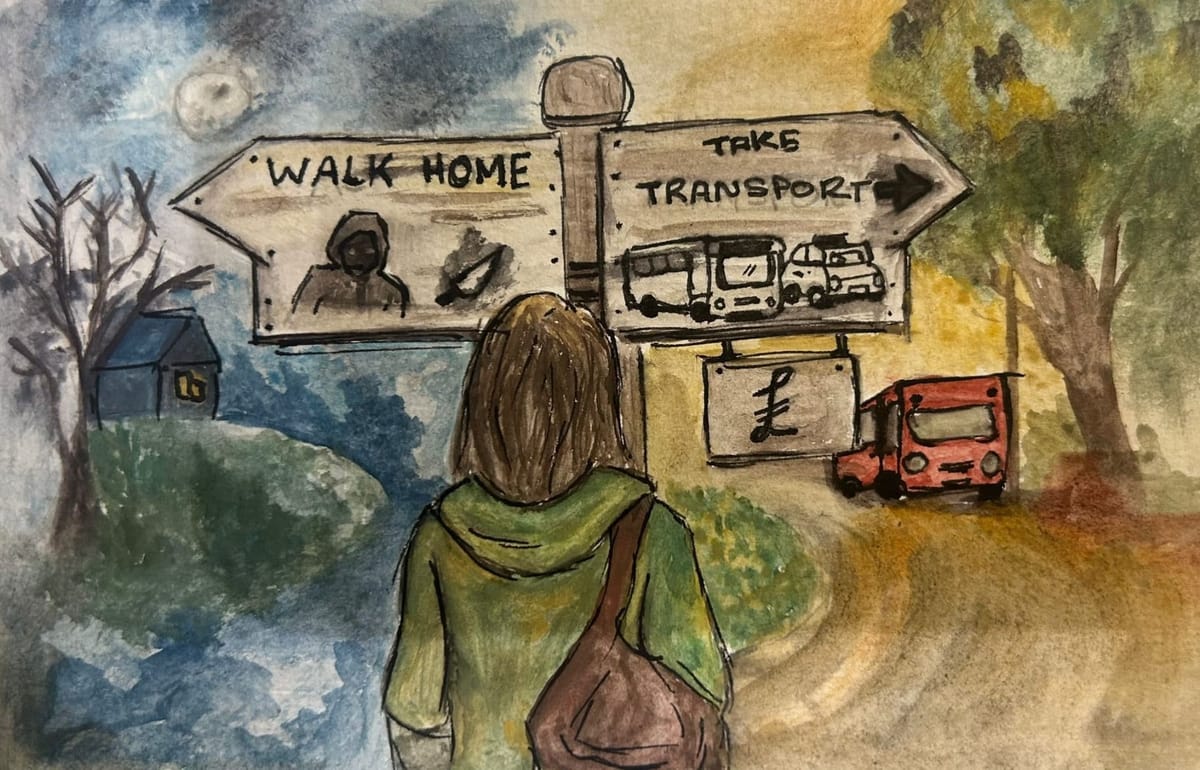
If you're a woman or girl reading this, I urge you to stay vigilant, stay with your friends and to try and have fun the next time you're at a festival or concert. However, more importantly, if you're a man, speak up. Tell your friends. Tell that guy next to you in the crowd to take a step back. And if that girl in front of you looks uncomfortable, ask her if she's okay. Report the spiking.
Look for signs of following, harassment and unwanted attention, and if your female friends want to go home, maybe try to consider why. Because even if you're not the perpetrator, sometimes a bystander is just as detrimental, and it is clear that women changing their behaviour does little to nothing to stop these issues.
Featured Image: Epigram / Eve DaviesWhat more do you think should be done to make festivals and concerts safer?