By Anna Leaf, First Year, English
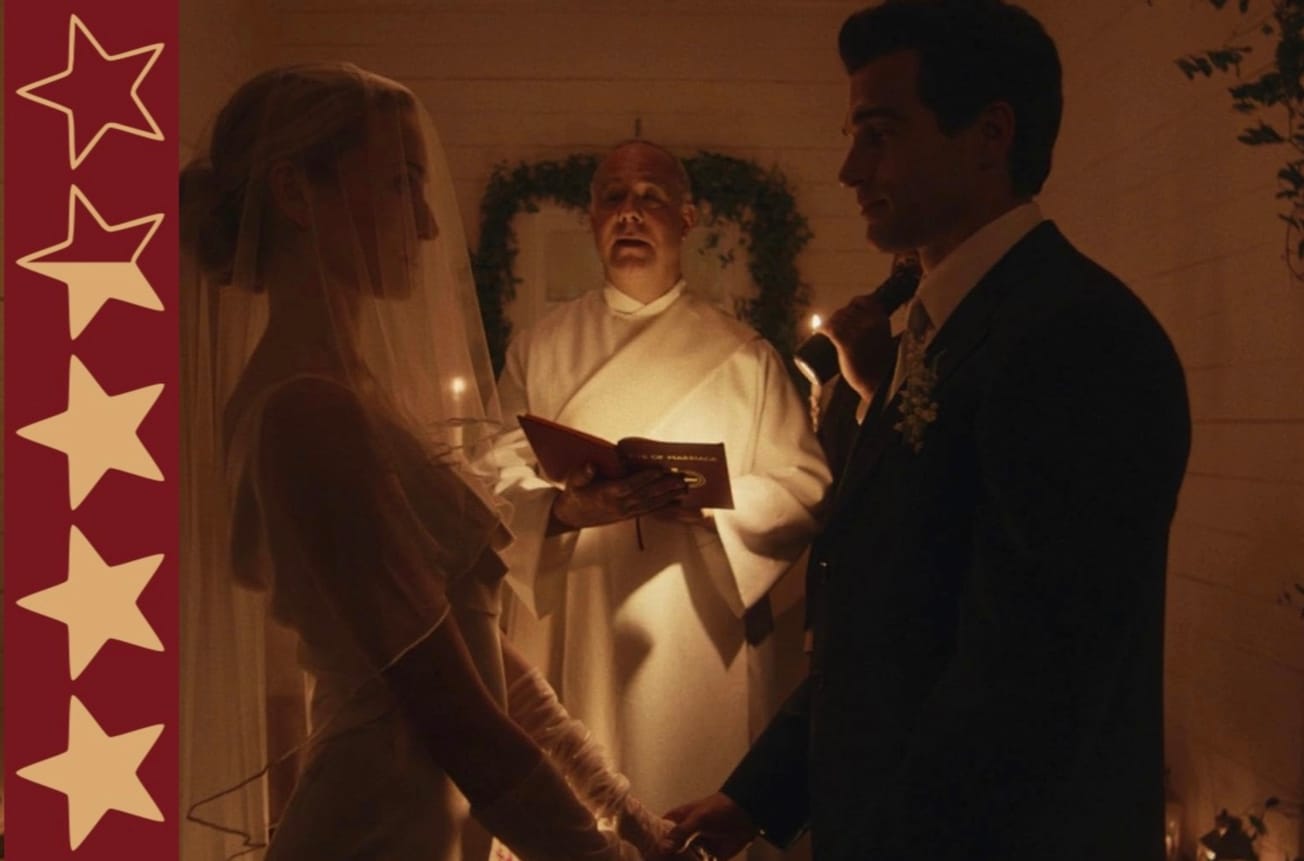
On 16th July 1999, JFK Jr’s plane crashed into the Atlantic Ocean, killing himself, his wife Carolyn Bessette-Kennedy, and her sister Lauren. Over two decades later, the couple has been ushered back into the limelight with Ryan Murphy’s limited series Love Story (2026). The show’s scandalous success has taken the world by storm, seemingly justifying the fact that, once again, a tragic area of history has been resurrected for serialised entertainment. Whilst Murphy is sure to make a pretty penny off the show, its trade-offs are incalculable, and what we get is a docu-series indifferent to fact, integrity, and ethics.
Whilst the show has received mixed reviews, there’s one consensus that seems to evade no one: try as we might, we can’t look away. But before we can consider why public appetite is insatiable for drama at any cost, we must first explore why the show’s detractors are so hell-bent on lacerating its tragedy-exploiting ways.
Since the show inherently embodies what it critiques, it exists in a chamber of hypocrisy. Murphy devotes ample screentime to the paparazzi swarm that encroached on the couple, but it’s hard to register this with the sombreness it deserves when his depiction of it (and everything else) was completely unsolicited. Carolyn was reportedly an extremely private person, so his decision to hurl her turmoil back into the zeitgeist feels insensitive, especially when she isn’t alive to control her own narrative. Instead, public opinion surrounding her and everyone else in the show has been consigned to someone who, as JFK Jr’s nephew Jack Schlossberg says, has ‘never met anyone in my family’ and ‘knows nothing about us.’ The chasm between Murphy’s invasiveness and the tabloids he depicts as sleazebags seems closer than we might think.
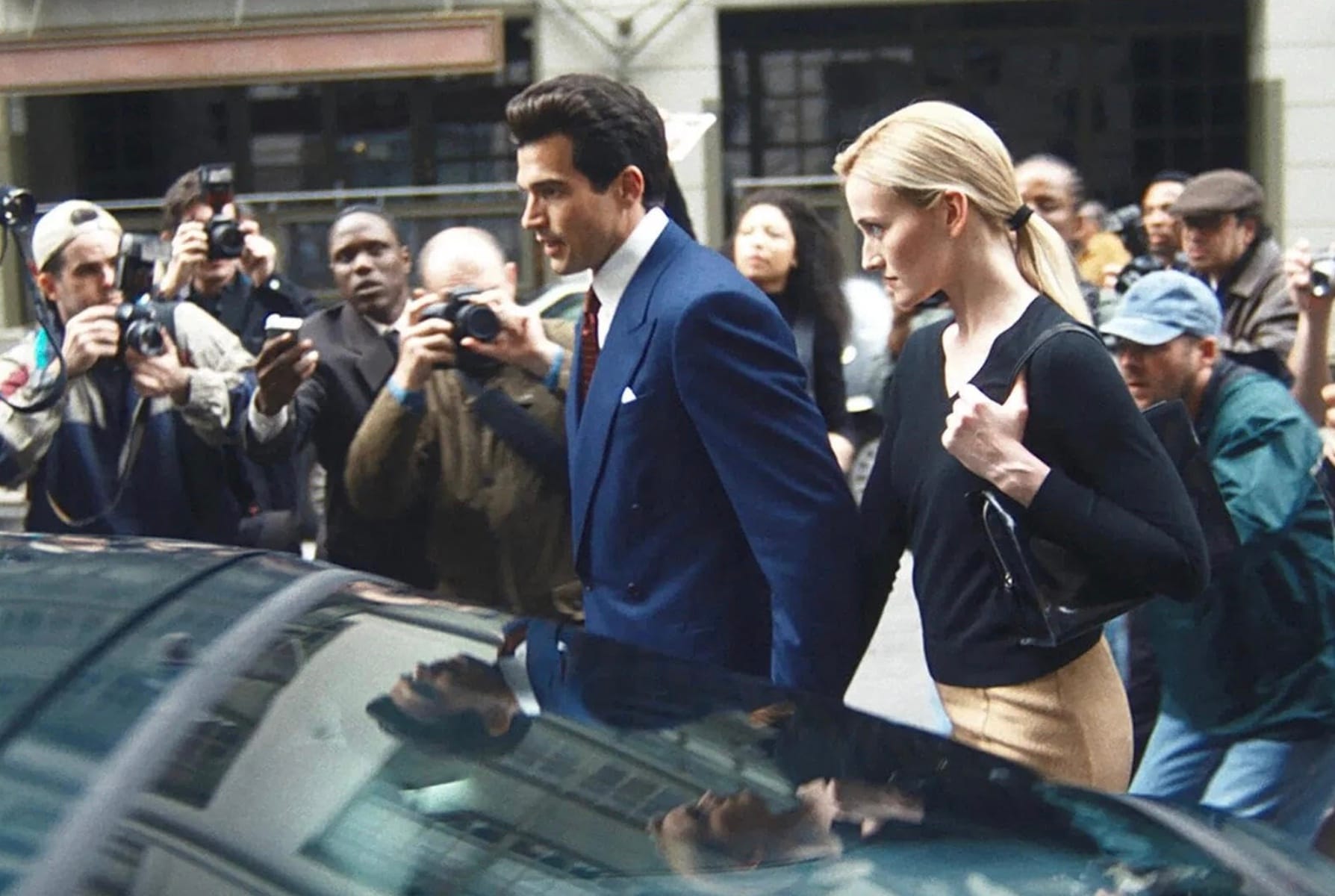
Putting my own personal infatuation with Sarah Pidgeon as Carolyn aside, it feels like her character was introduced with such poise just to pit her against Daryl Hannah: JFK Jr’s on-again, off-again girlfriend at the start of the series. On the other hand, Hannah is portrayed as a hapless, needy fork-in-the-road, whose sole purpose was to create tension in the protagonists' slow-burn romance. The result? Real people are reduced to inaccurate plot-devices, forcing Hannah to defend herself in the New York Times, where she denies her fictionalised cocaine-snorting, funeral-crashing ways. She writes, ‘These are not creative embellishments of personality. They are assertions about conduct – and they are false.’ As for the portrayal of her beside Carolyn, she hits the nail on the head; ‘Isn’t it textbook misogyny to tear down one woman in order to build up another?’
But the scope of misinformation doesn’t end when the credits roll. The show’s contents get relayed onto social media, where Carolyn is immortalised for her ‘clean girl’ style and JFK Jr’s legacy is reduced to nondescript brunette men in look alike contests. Because the show makes no distinction between tale and truth, it creates an impetus for speculation amongst a younger audience, who can hardly register these ‘characters’ as real people who once lived and breathed.
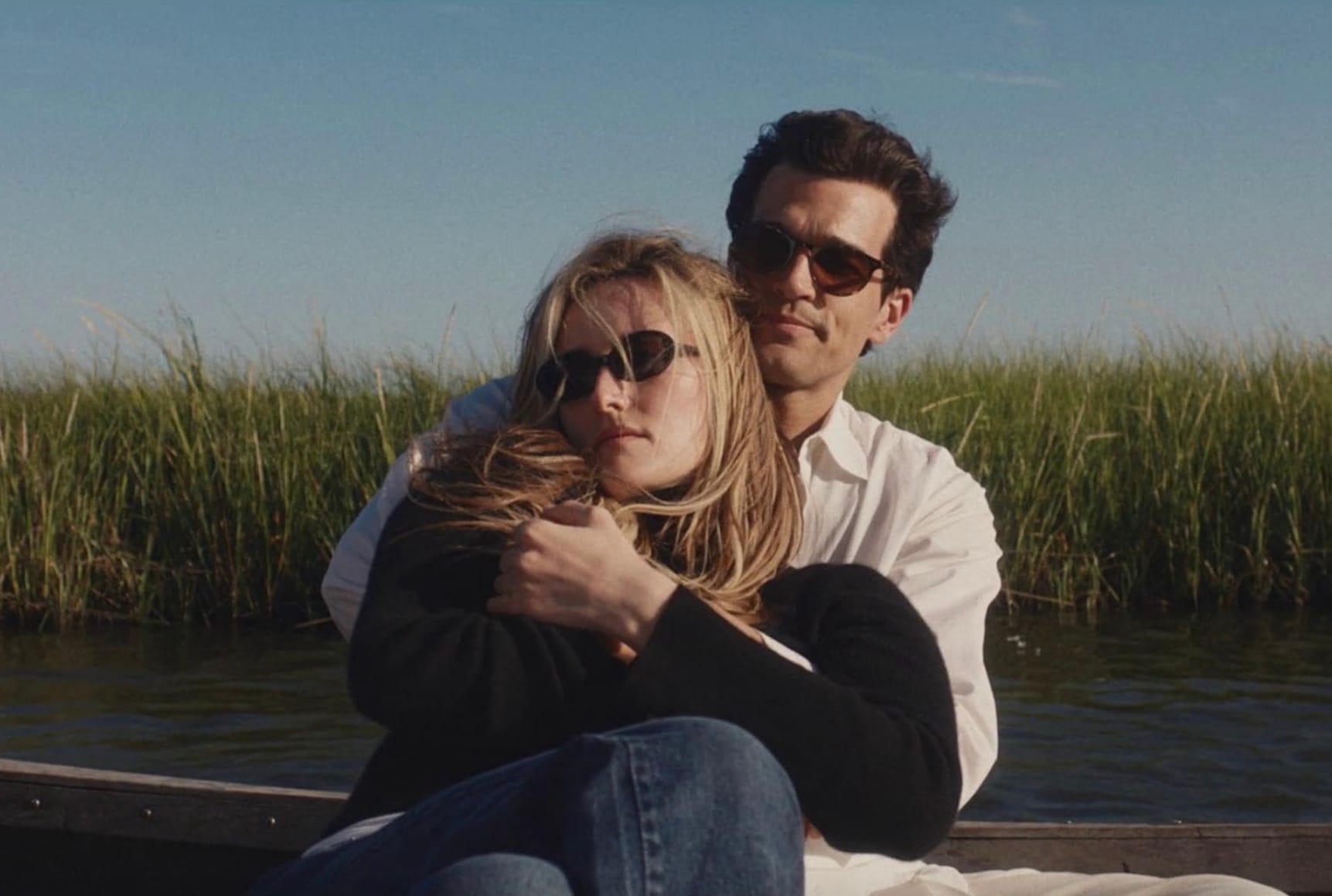
And regardless of how hurtful this is to the friends and family whose trauma and grief is drip-fed back to the world in weekly installments, Ryan Murphy remains invincible because the industry has become increasingly reliant on this kind of TV. In the age of franchise and repetition, ‘pre-sold’ content that an audience is already familiar with is all the more likely to get greenlit. Since the Kennedy family has been notoriously ‘cursed’ by a series of tragic deaths, their name is like gold dust to producers, who use the unlicensed lives of the dead as creative creatine. And no matter how reasonable the family’s protestations against the show are, they are ultimately futile because of how lenient U.S law is to dramatised TV surrounding public figures. As attorney Ashima Dayal, tells Newsweek, ‘Ryan Murphy doesn’t have to pay anyone. Under the First Amendment, he is allowed to tell the story any way he wants to.’
This brings me back to my original point; the entertainment industry wouldn’t be held on such a loose leash by the legal system if the public wasn’t receptive to its post-mortems on public figures. What I think is so enticing about JFK Jr and Carolyn is how short-lived their life together was. Their tragically condensed romance makes them feel even more elusive, so we magnify this period with a curiosity that feels justified by how abruptly they were ‘taken from us.’ And since figures like Murphy have been given unlimited license to monetise dead people, we don’t think to treat their memories with the dignity and respect we would our own neighbours, family, or friends.
 Olivia Hunt
We can only sympathise with what we see through the screen, which places an inordinate amount of responsibility onto a man who has never met the real people he fictionalises. None of this is to discredit the show’s actors, it's perfectly curated nineties soundtrack, and the general essence that keeps many of us coming back. Maybe that dilemma is precisely what I’m getting at. A show can still be addictive, polished, and seemingly well-made without having ever deserved the right to exist. For those of you (reluctantly, including myself) who intend to keep on watching, I advise you to do so with sensitivity, grace, and the foresight that what you see isn’t a retelling of history, but the creation of a reality that never existed.
Featured Image: IMDb / Love Story | Illustration by Epigram / Sophia Izwan
What did you think of Love Story?