By Charles Hubbard, Second Year, Theatre and Performance Studies
Stephen King adaptations are strange. For such a prolific and enduring writer, it’s no surprise that they’re frequent enough to become their own genre at this point. The Life of Chuck’s release even coincides with that of another King adaptation - Francis Lawrence’s The Long Walk (2025). What is striking is the sheer range of tones and approaches his books are able to cover. It’s often difficult to get your head around the fact that bittersweet, hopeful fables like The Shawshank Redemption (1994), barrages of existential dread like The Shining (1980) and fun campy schlock like Maximum Overdrive (1986) all came from the same pen (though fuelled by a variety of drugs).
Even more impressive is that The Life of Chuck (based on King’s 2020 novella of the same name) somehow manages to hold these different warring strains within itself. As the film’s schmaltzy tagline states, we all contain multitudes, and this is never truer than in reference to the film itself. It seems this tagline was the only element of an otherwise deceitful and misleading advertising campaign that actually wanted to let the audience know what they were in for.
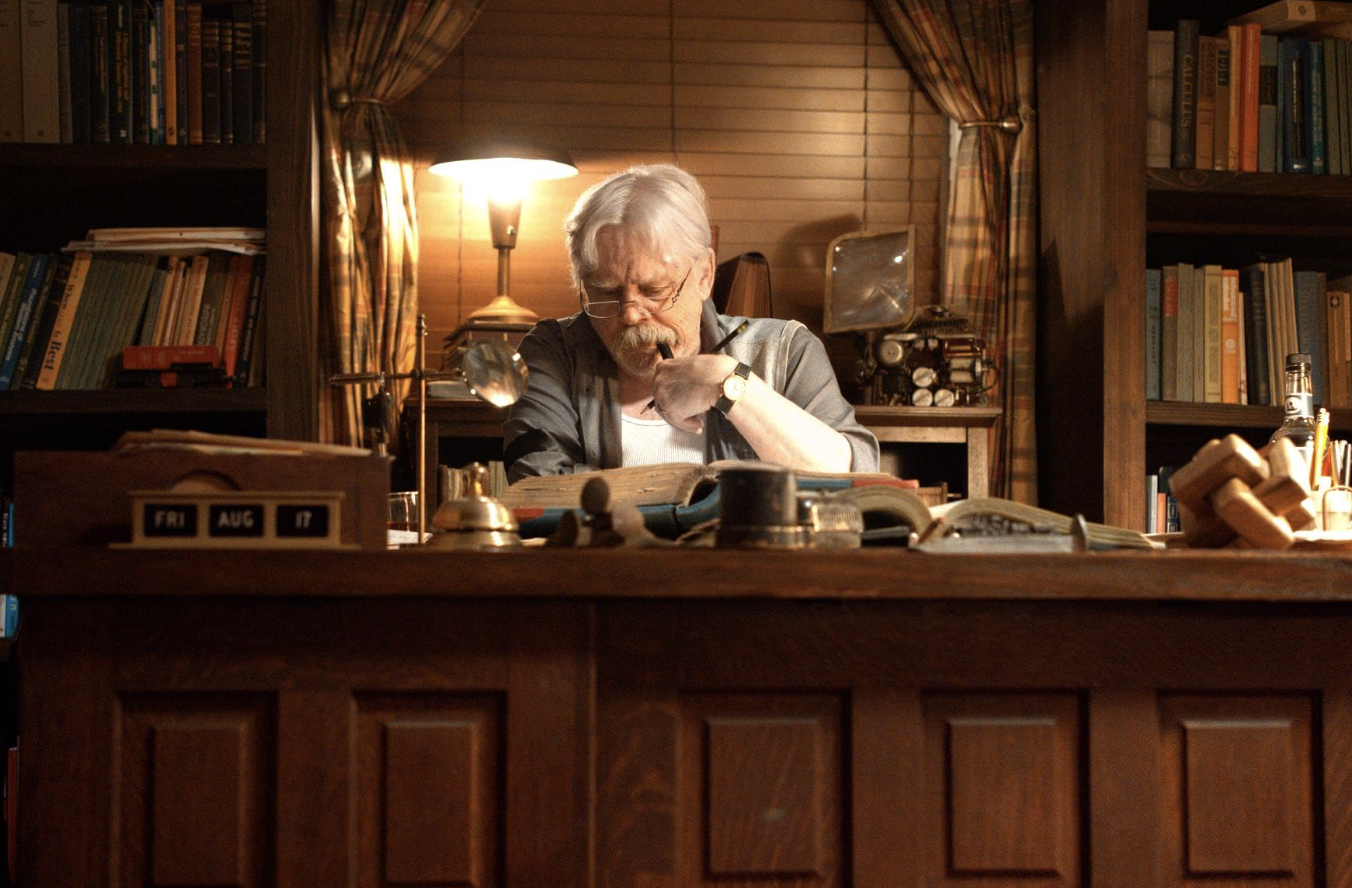
The non-linear structure of the film makes it very difficult to lay out the plot without getting into spoilers but I’ll do my best. The film is told in three separate acts though Flanagan, never one for condescending simplicity, tells them in the reverse order, starting at what seems to be the end of the world as we know it and working its way backwards to tell the story of the man who might very well be at the centre of it. Chiwetel Ejiofor and Karen Gillan play teachers desensitised by the speed at which the world is falling apart and baffled as to why the apparent retirement of some account called Chuck Krantz (Tom Hiddleston, taking his notoriously dodgy American accent for a spin) is being so widely publicised. As the film goes on, the reality behind Krantz’s forced businessman smile and dreary occupation come into full view as it reveals his life to be one tragically cut short not just by natural illness but also by the suffocating expectations of others.
It’s strange to think that a film that begins so bleak and takes such disarmingly weird narrative turns won the People’s Choice Award at the Toronto International Film Festival (TIFF) last year - the holy grail of milquetoast, middlebrow prestige entertainment previously awarded to such warm crowd-pleasers as Green Book (2018) and Belfast (2021). That said, the film does certainly find its way towards the kind of sincere, open-hearted speeches about the fundamental value of humanity that can play in a trailer before senior citizen matinee programming like The Choral (2025) and the upcoming Downtown Abbey (2025) movie. It just makes its audience go through the wringer in order to get there. This push-and-pull between depressing and reassuring its audience suffuses The Life of Chuck just as much as Nick Offerman’s insufferable, clearly added-in-post, voiceover narration.
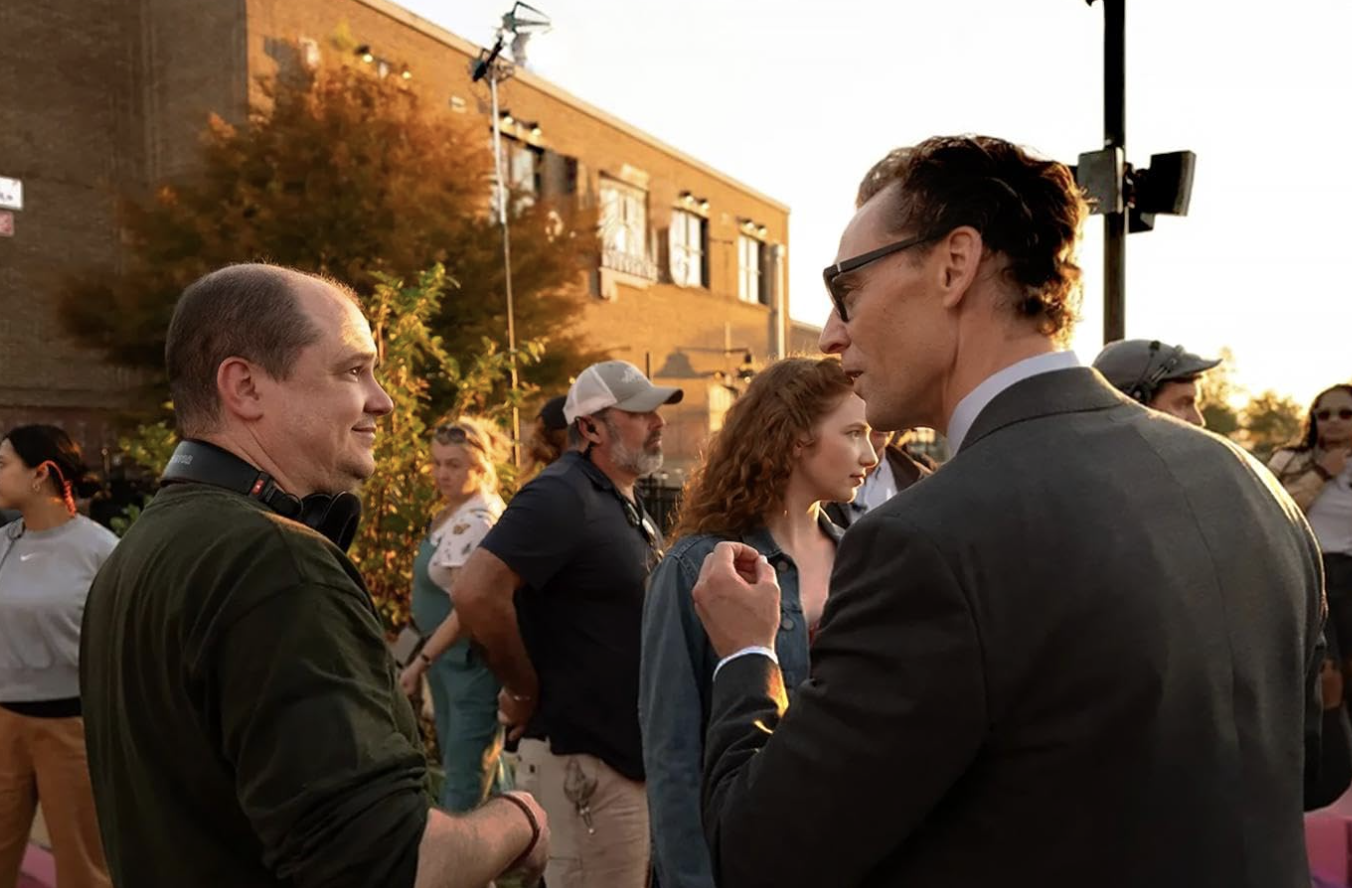
For every scene where a teacher explains the beauty of the universe to young Chuck, there’s a piece of alarming and genuinely scary imagery - no doubt helped by Flanagan’s robust experience working in the horror genre. While these tonal shifts may make the film sound messy and disorganised, the structure is so deliberate and clearly thought out (both by King and Flanagan) that neither man can be accused of throwing stuff at the wall. However, the film is certainly scattered - never staying in one place too long and constantly keeping the viewer on their feet - but I really enjoyed the vast majority of its disparate pieces. And those I didn’t I can easily overlook, like missing jigsaw pieces that get forgotten about over time.
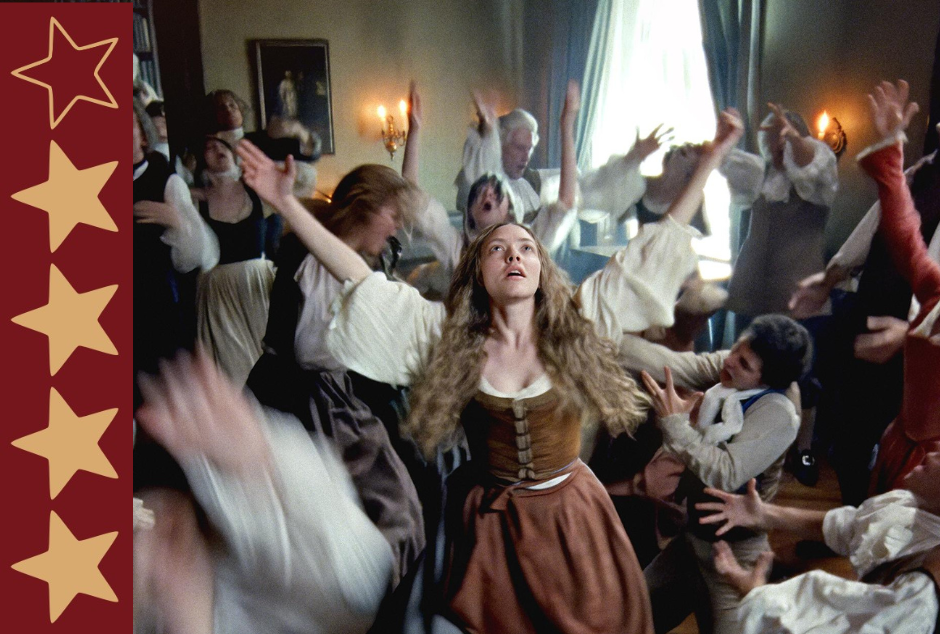
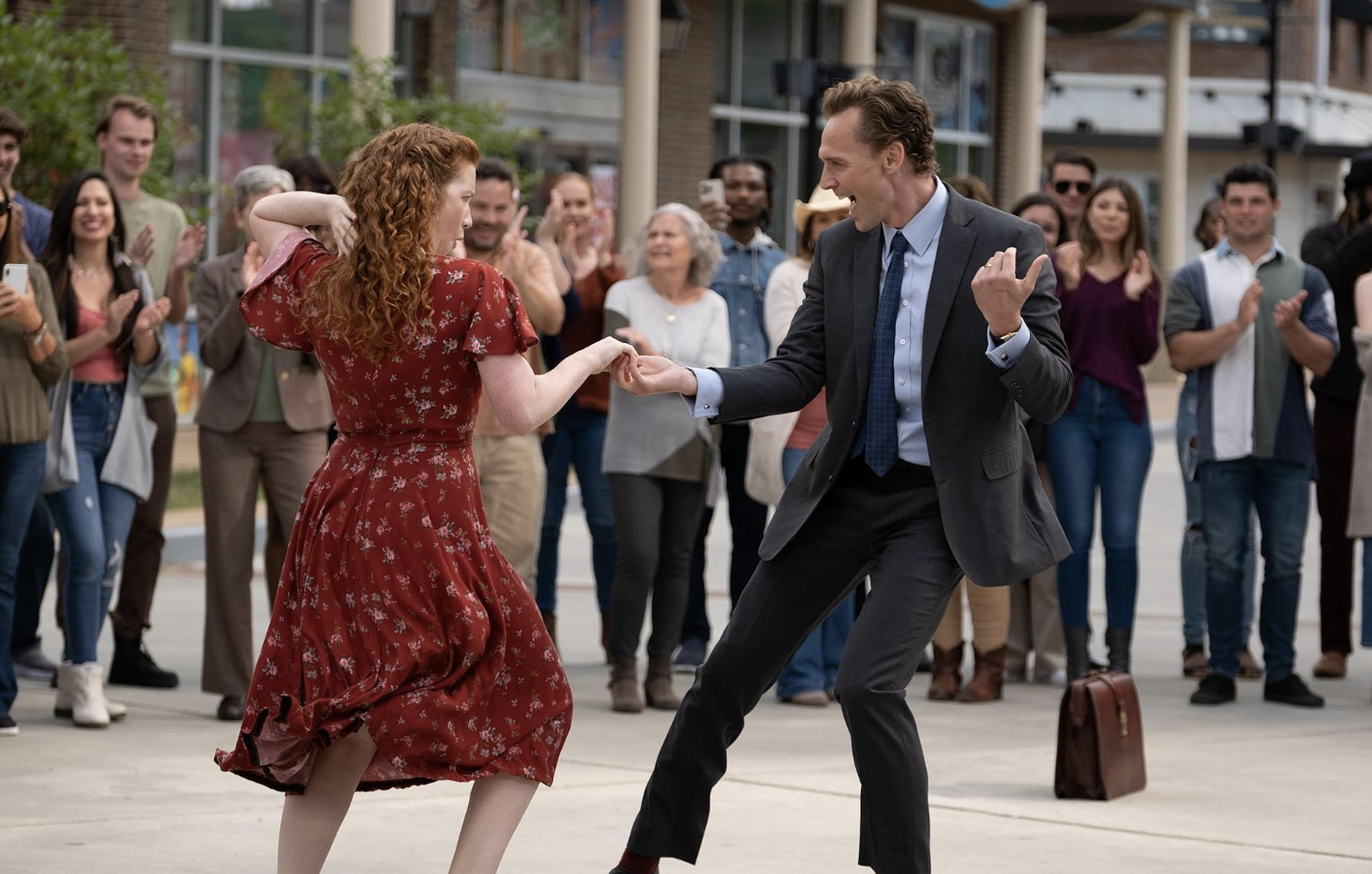
Tom Hiddleston, while really an extended cameo and only popping up in the film’s second act, earns his top billing with an electric central dance sequence with Annalise Basso that Flanagan gratifyingly films almost entirely in full-body shots where you can always clearly see the choreography. This may sound like faint praise, but when you’ve seen far too many films cut their dance breaks to ribbons, often in an attempt to hide the fact that the actors aren’t nailing the moves, it really is something special to see a dance number that feels straight out of a Gene Kelly movie. Benjamin Pajak, though probably cast exclusively due to his resemblance to Hiddleston, is a terrific find as young Chuck, marking one of the only times when a large portion of a film resting on the performance of a child actor doesn't feel like nails on a chalkboard. However, it’s Ejiofor who takes the cake. His monologue early on in the film about how miniscule humanity’s place in the cosmic calendar is, while trite and schematic in the hands of a lesser actor, is as immensely moving as anything I’ve seen this year. Between this and Bridget Jones: Mad About the Boy (2025), if you want an actor who can make you well up just by talking about physics, Chiwetel’s your man.
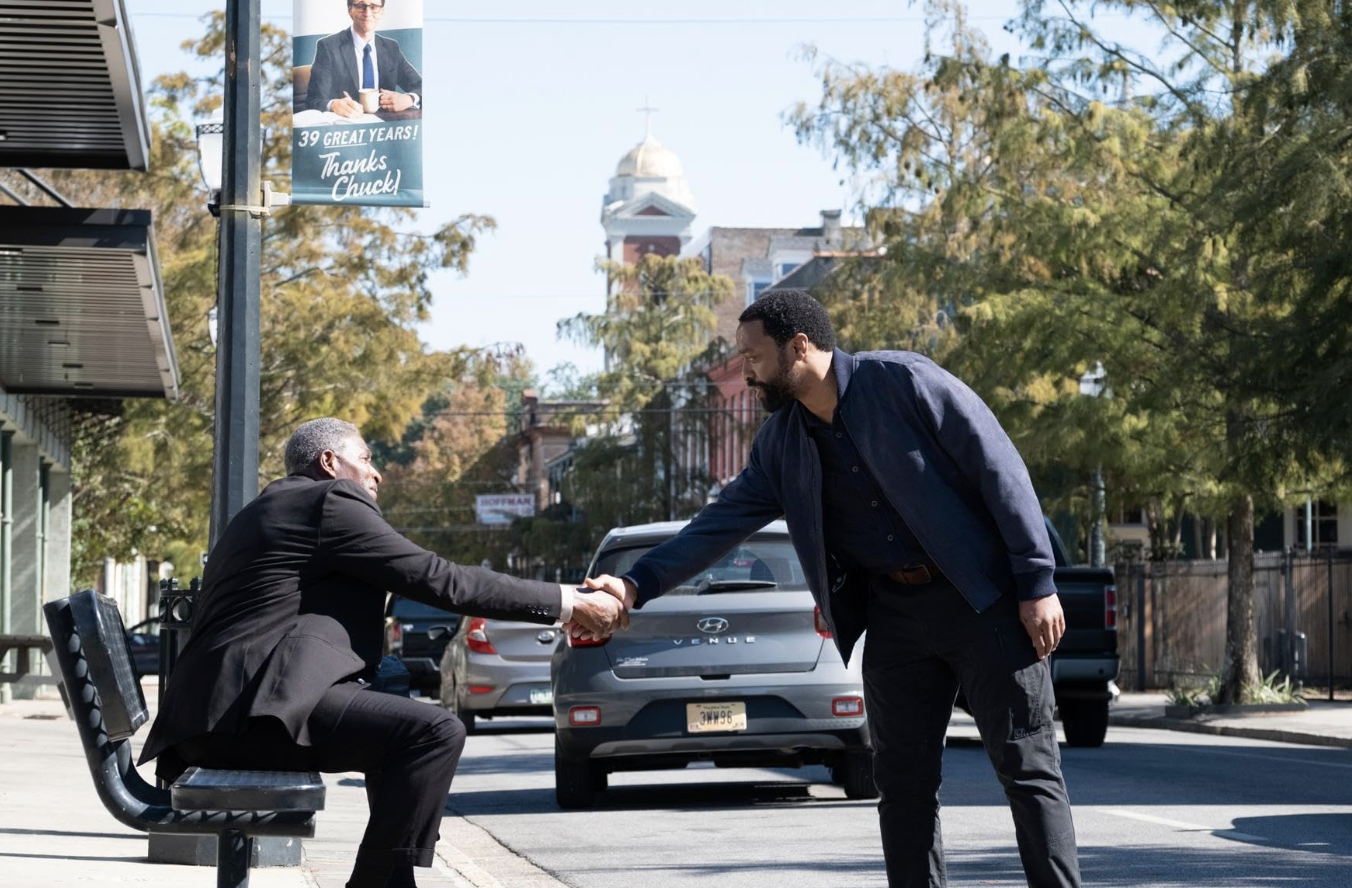
I suspect that the film is going to be a divisive one. You might walk out of the cinema proclaiming an immensely affecting masterpiece that makes you sob, or an unbearably saccharine wheel of cheese with nothing interesting to say. This schism of responses might be why it took a year to find a studio to distribute it even after its rapturous reception at TIFF. For me, there’s more than enough intrinsic weirdness here to stop it from ever feeling too sickly sweet, even if there’s ample syrup here to cut a trailer that feels like someone’s pouring honey down your throat.
Featured Image: Dan Anderson / Intrepid Pictures
Where do you land on The Life of Chuck, a masterpiece or a hot nothing mess?