By Amelia McCabe, Deputy Arts Editor
Avon Gorge - a site of industrial legacy and striking topography - is a defining feature of Bristol's landscape. While it is most commonly recognised for its housing of Clifton’s Suspension Bridge, it is also remarkable for its geology and biology. So, beyond its place in industrial history, what makes this landscape truly important?
Whether it is understood as a site of scientific phenomenon or local legend, Avon Gorge certainly deserves its position as both a SSSI (Site of Special Scientific Interest) and a RIGGS (Regionally Important Geological and Geomorphological Site). From rare plants to its own microclimate, this glacial formation is as interesting below the surface as it is above.
From its earliest formation, the Gorge has defied geological expectations. For years, scientists were puzzled as to why the River Avon cut through the Carboniferous Limestone of Clifton, rather than following its expected route south-westerly through Ashton Vale.
It is now understood that two glacial deposits, which formed during the last Ice Age, prevented the Avon from cutting through its original path; instead, it was forced to carve through the ridge at Clifton, towards what is now known as Cleveland. As a result, we can see the Gorge – a result of erosional downcutting and fluvial deposition – forming a corridor through the western side of Bristol.
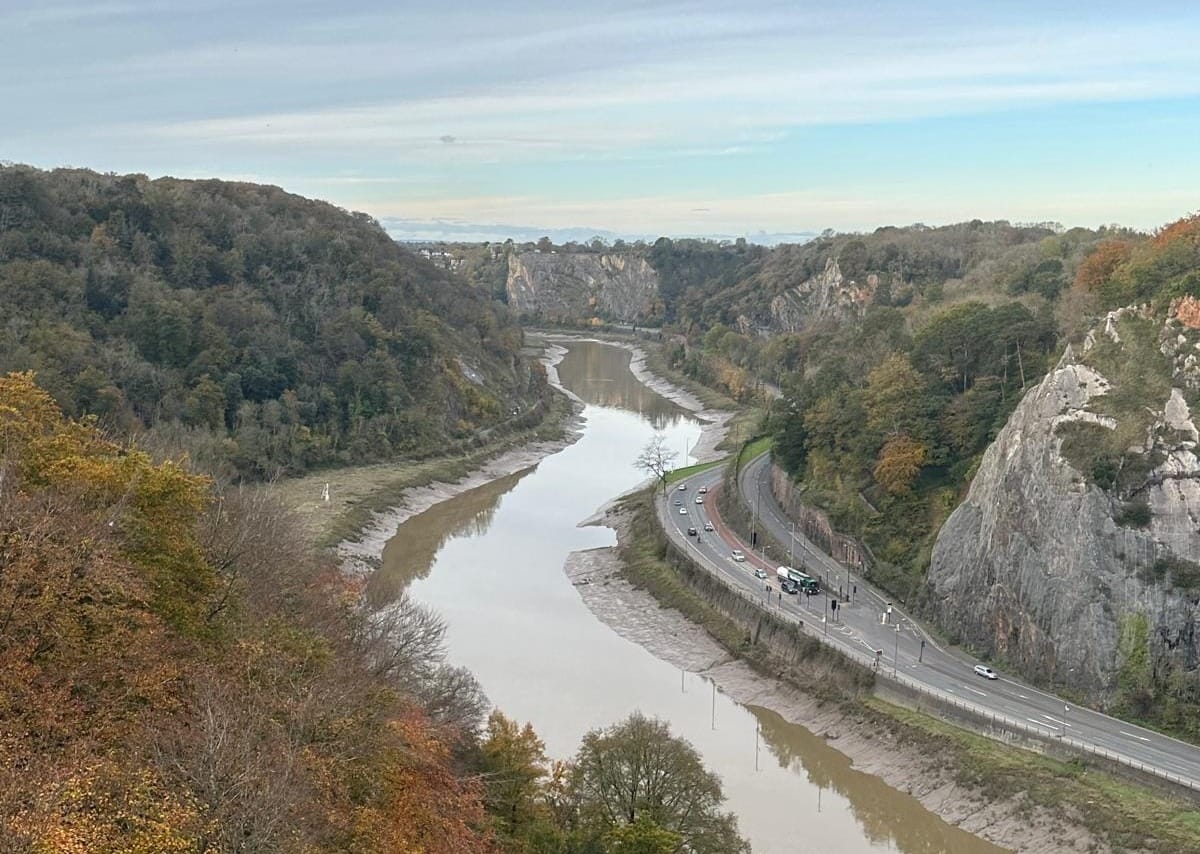
Just as enigmatic as its formation is its climate. Thanks to the porous nature of Carboniferous Limestone, which also contributes to the steep, south-western facing sides of the gorge, temperatures are often two degrees higher than the surrounding Bristol area. Constantly sheltered from prevailing winds, in the direct view of sunlight, and drained of most of its surface water stores, Avon Gorge forms a distinct warm and dry climate; this is ideal for supporting rare and endemic species of flora and fauna found nowhere else in the region.
Over 30 nationally rare plants can be found along the steep slopes of the gorge. This includes endemic species, such as the Bristol Onion and Bristol Rock Cress, which have evolved due to their isolated position. To name a few of the rarer kinds of flora that can be found, there are the Spiked Speedwell, Autumn Squill and Honewort.
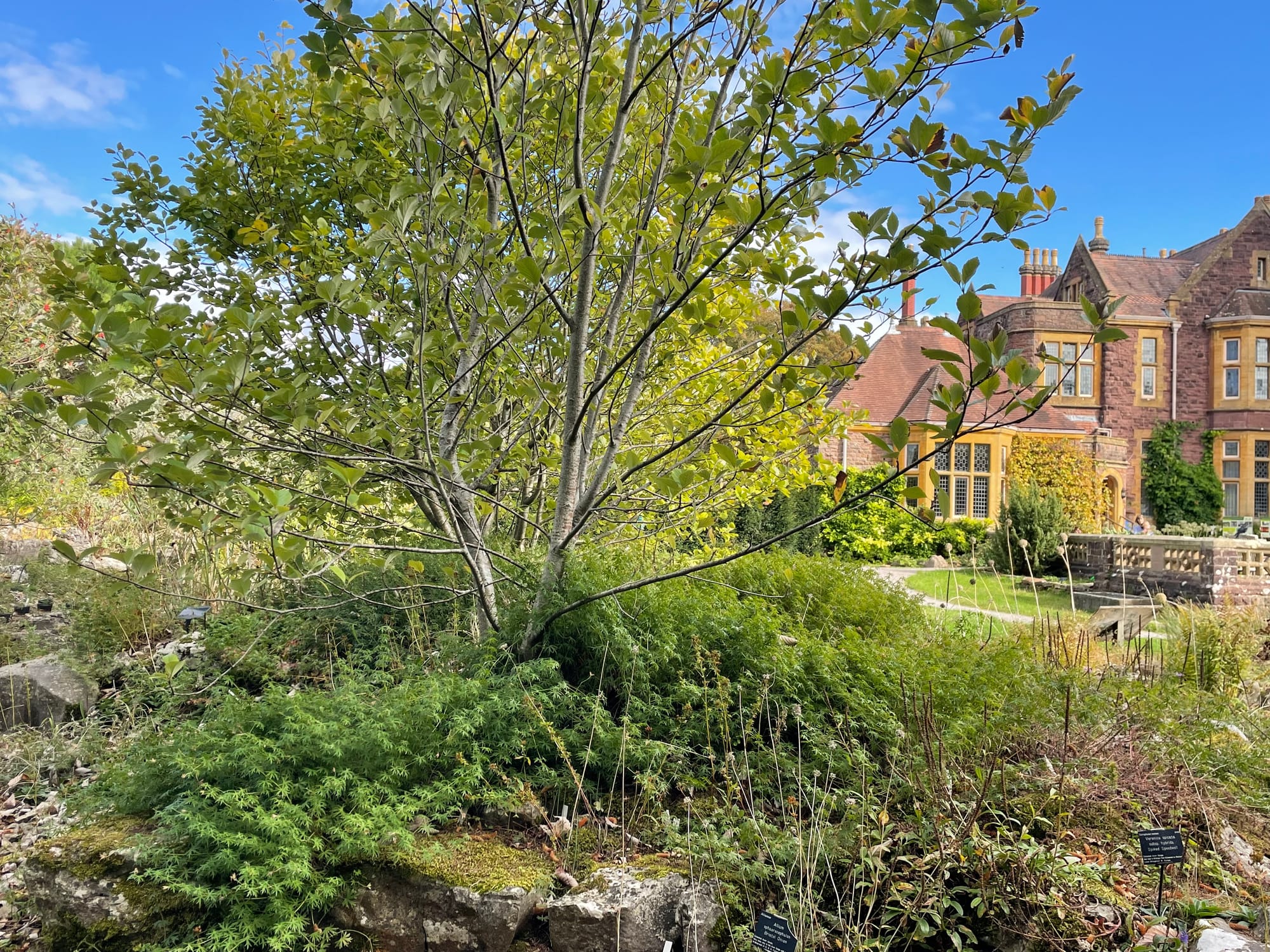
Higher up, and out of the way of smaller plant species, grow rare types of shrubs. From the Bristol Whitebeam to the Willmott Whitebeam, there is no end to the unusual plants which inhabit the cliff faces of Avon Gorge. Its abundance of remarkable species is what make it not only a geological marvel, but also an ecological haven.
 Evie Greville
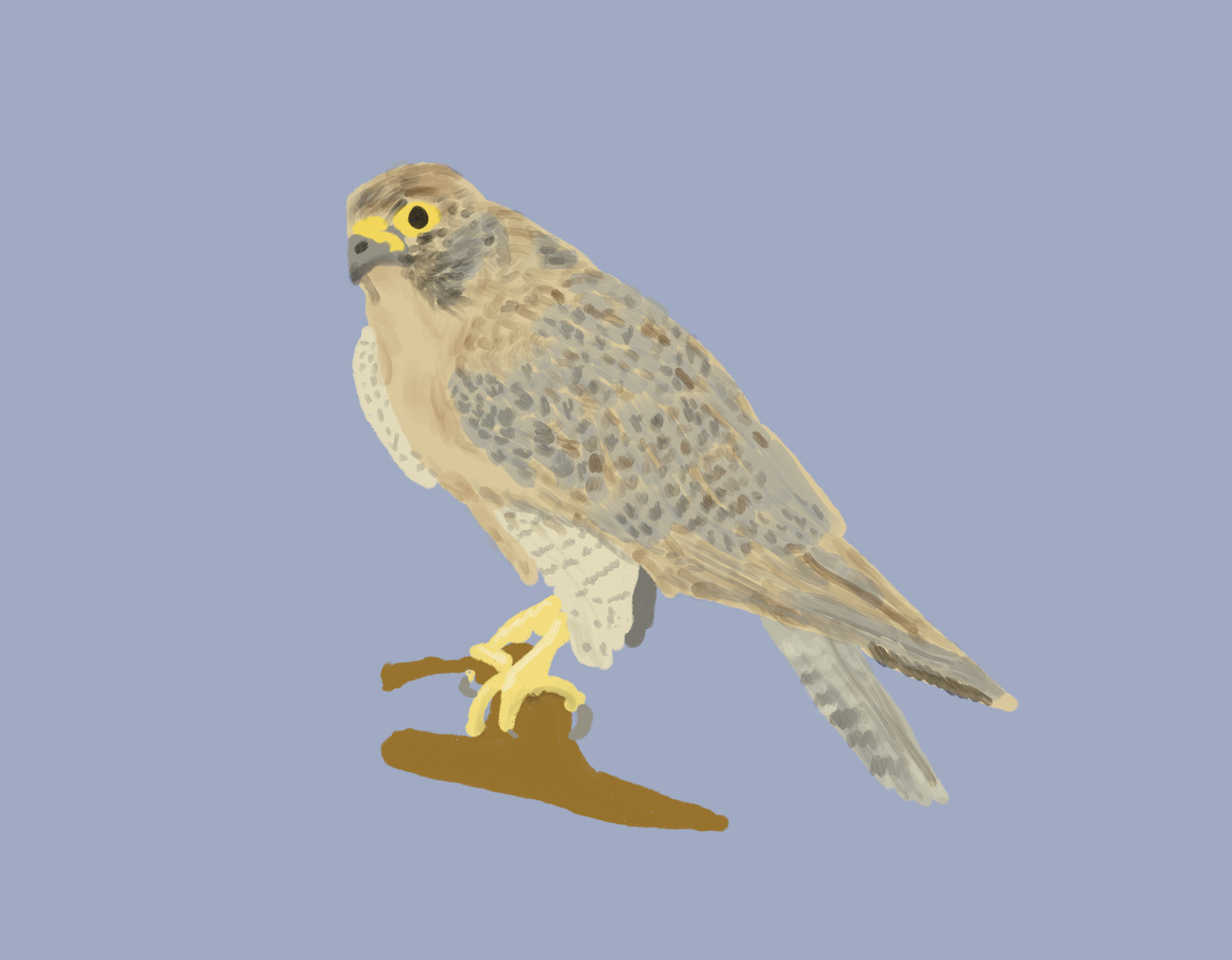
1990 also marked the year when Peregrine Falcons reappeared within the Gorge. The varied food source and plethora of crags and ledges make this site an ideal habitat for these birds. If you’re lucky, you may even spot the descending silhouette of a falcon through the morning mist on your way to lectures.
So, whether you have an interest in rare wildlife or you simply enjoy marvelling at natural wonders, visit Clifton Suspension Bridge, Clifton Observatory, or join Peregrine watch to experience the best views of Avon Gorge.
Featured images: Corin Hadley