By Charles Hubbard, Theatre and Performance Studies Undergrad
Many of the best film titles are aspirational. They don’t describe a literal, physical thing but instead a more metaphorical state that the characters are trying to achieve. Think The Silence of the Lambs. Or The Place Beyond the Pines. Joshua Oppenheimer’s first foray in the realm of narrative features (he’s predominantly known as a documentary filmmaker) presents us with a title that is aspirational not for the characters, but for the audience instead.
As the film dragged on through monotonous, repetitive songs and confoundingly consequence-free narrative cul-de-sacs over its seemingly interminable runtime, I found myself longing to be free to leave the cinema. The auditorium felt more and more like a hostage situation with Oppenheimer (no, not that Oppenheimer) blocking the door with a gun. This film is one of many I have seen during the last year (La Cocina being the most recent) that make me think that directors should have to prove their film’s worth to a legislative board before being allowed to make it more than 2 hours long. Because there’s really no reason for a film with this little going on to be longer than Inception, Apocalypse Now and Goodfellas.
The film centres around a tightly knit family and their close friends living in an underground bunker 20 years after an apocalyptic event (the details of which are a little hazy), which has turned the rest of the world into an icy, uninhabitable tundra. Their conflict-free and routine-driven life is suddenly disrupted by the arrival of a character with no name (played by Queen’s Gambit alumni Moses Ingram) as she becomes the very first person from the outside world to join them. Oh, and it’s a musical. The result is a bit like if Wes Anderson, Jacques Demy and Bong-Joon Ho were locked in an underground bunker themselves and forced to remake Dogville. Only unfortunately a lot less interesting.
There is certainly some interesting thematic meat to the story that Oppenheimer has chosen to tell here. Questions of privilege, guilt, trust, and double standards pervade the film’s elevator pitch, but, while it’s unfair to say that they go completely unexamined by the film, nothing really changes in the character’s viewpoint or circumstances by the time the credits roll. And this wouldn’t be such a problem if it was a 30-minute episode of a vignette-driven TV show like Black Mirror or The Twilight Zone. Unfortunately, after pretty effectively presenting everything that the film wants to say in its first 15 minutes, it spends the rest of its runtime repeating its tracks, as if checking that each and every audience member has picked up on the points it's hitting. Those audience members that are still seated by the end, that is.
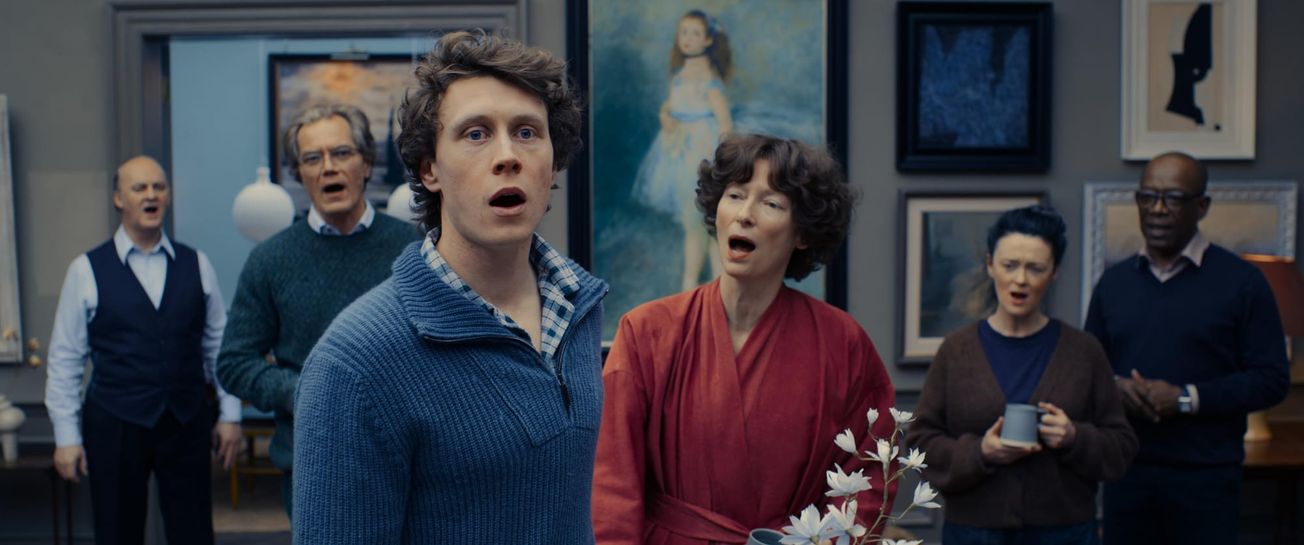
I’m generally on board with the post-La La Land wave of arthouse filmmakers trying to make movie musicals out of original premises not based on any pre-existing show or text. Unfortunately, The End (and the almost universally loathed Emilia Pérez) seem to forget the most important part of any musical - writing catchy songs that move the story forward. Every time that the actors opened their mouths to belt out a few verses, it felt as if Oppenheimer was pressing pause on the narrative, letting the film’s composers Joshua Scmidt and Marius de Vries do whatever they wanted for a few minutes and then picking back exactly where he left off. After three songs that all sounded very similar, this process started to get a little tedious and repetitive. The blocking of the numbers is also disappointingly homogeneous, shot predominantly with bland coverage of the performers walking up and down the same set of rooms with a lack of proper wide shots. This made it feel a lot closer in aesthetic to Tom Hooper’s disastrous adaptation of Les Misérables than whatever Oppenheimer seems to be trying to emulate.
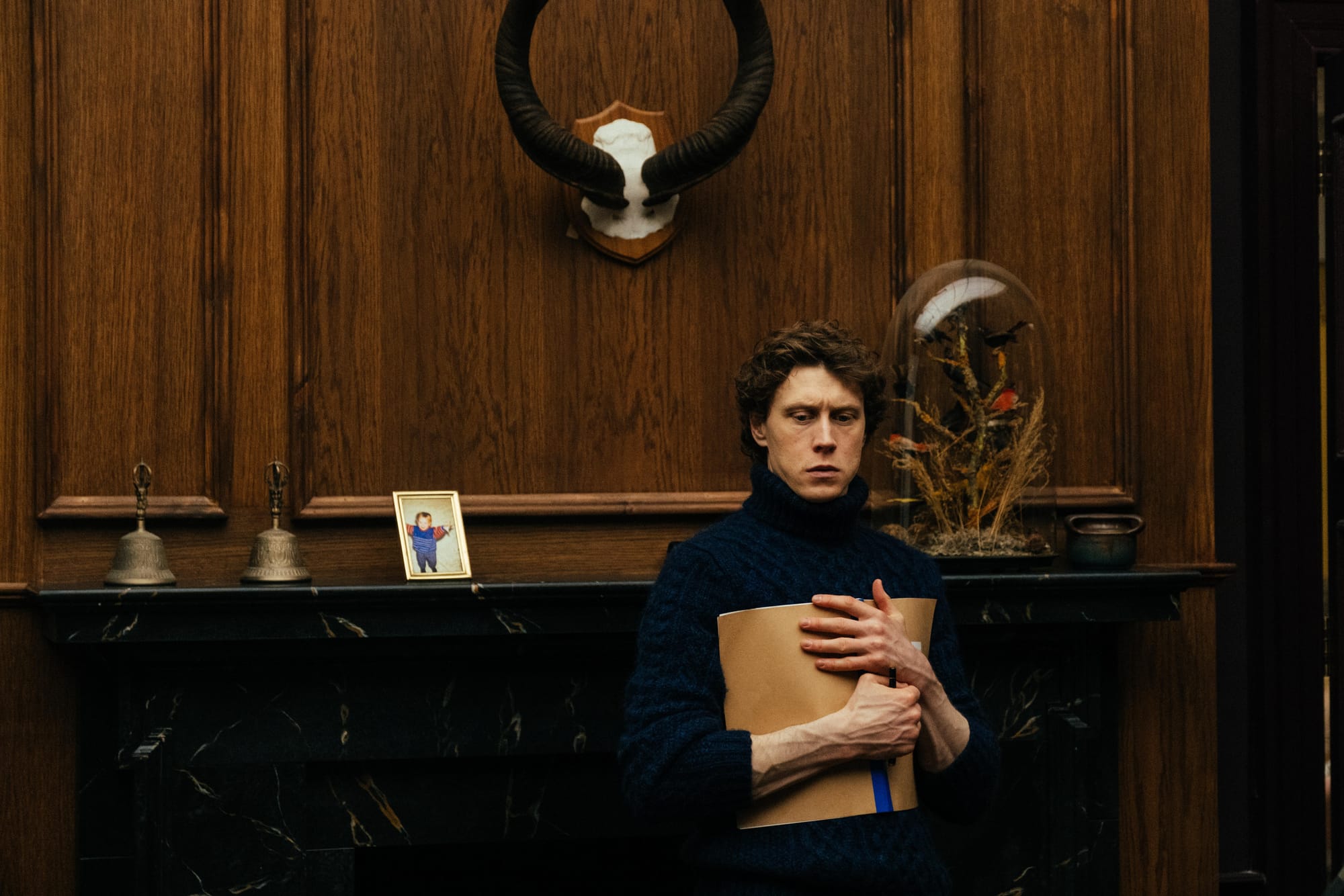
The choice of accents is also a little tricky. The family is American, despite only one of the actors in said family (Michael Shannon) being American. Tilda Swinton can do any number of accents in her sleep so there’s no problem there. The British Lennie James and Irish Bronagh Gallagher (who play the family’s psychologist and Swinton’s close friend respectively) are both allowed to keep their natural accents and yet Tim McInnerny (playing the family’s butler), a man who is the perfect human embodiment of a cup of Earl Grey, has a Midwestern accent forced upon him, seemingly at gunpoint. The same can be said for George McKay, who, while previously terrific in Pride and 1917, is about as natural a fit for a peppy, starry-eyed American teen as I am to play Denzel Washington. I can only imagine that Oppenhimer approached Ben Platt and Jonathan Groff for the role first but both were busy on Broadway.
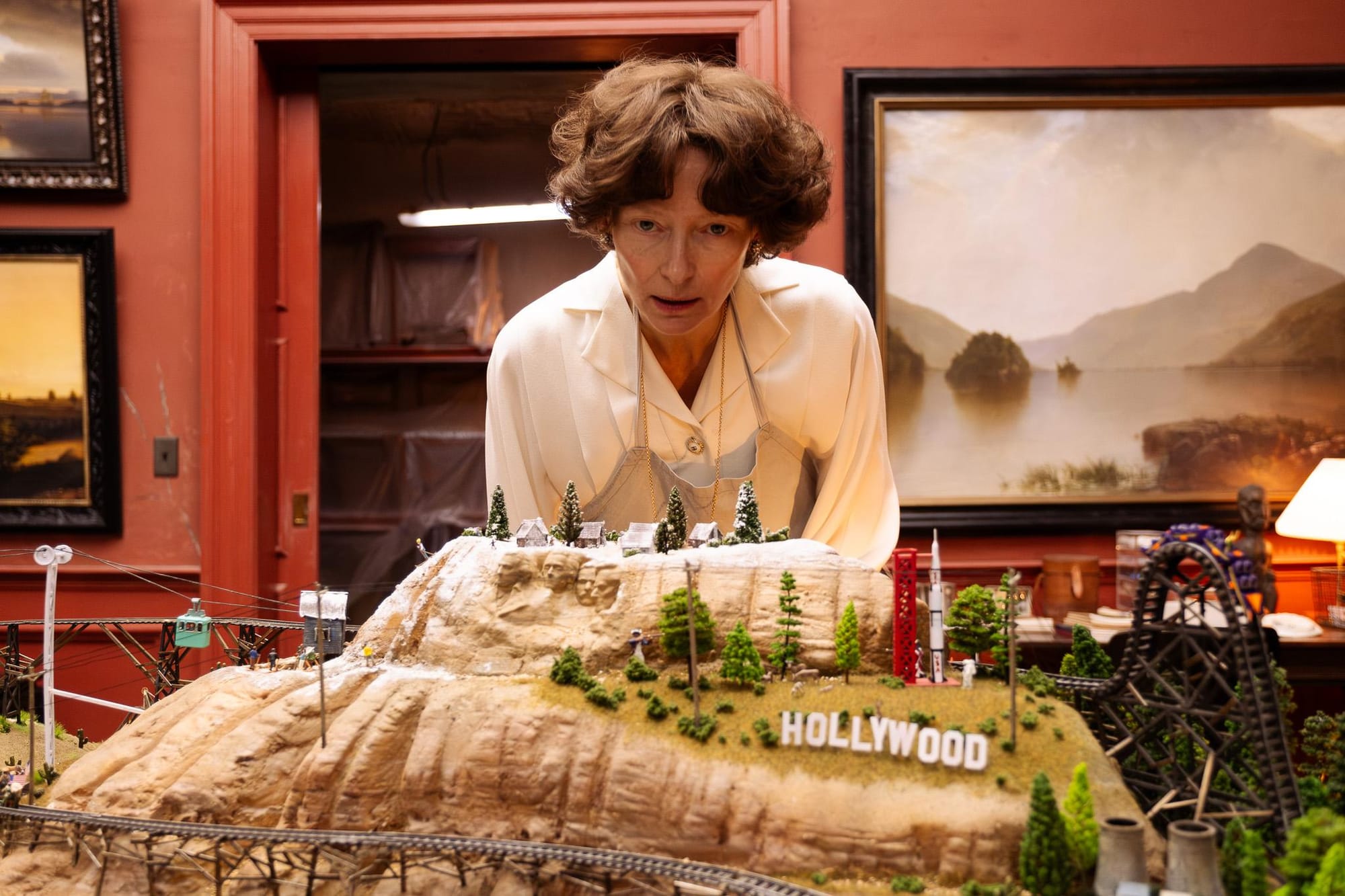
It’s not a bad film - the production design is pretty gorgeous and Swinton and Shannon are predictably great - just one whose attempted formal and stylistic innovations fail to justify its length and general sense of self-importance.
What did you think of The End?