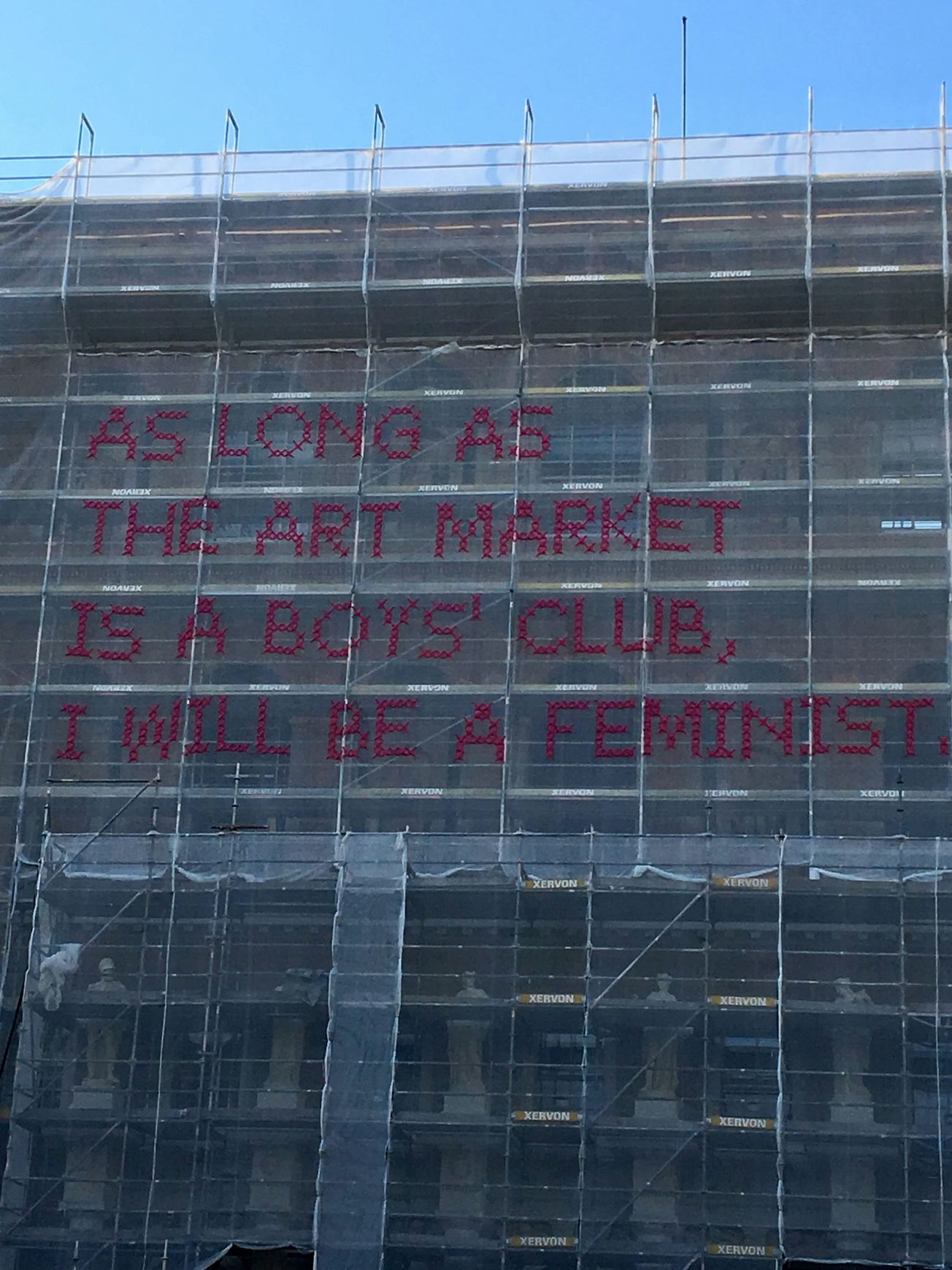
It has not always been easy for women to occupy a place in British literature. But with four waves of feminism and the help of some bold activist poets like Carol Ann Duffy — women’s poetry has finally hit its stride. So in honour of Women’s History Month and World Poetry Day this month, now is as exciting a time as ever to look at how they have changed poetry for good.
In high school, we studied Carol Ann Duffy's poems. On the back of our poetry booklet was a quote from her talking about her early career. ‘In those days, one was still called a “poetess” – so it meant a lot, as a young woman poet, to begin to try to change that. And, oh girls, just look at us now…’.
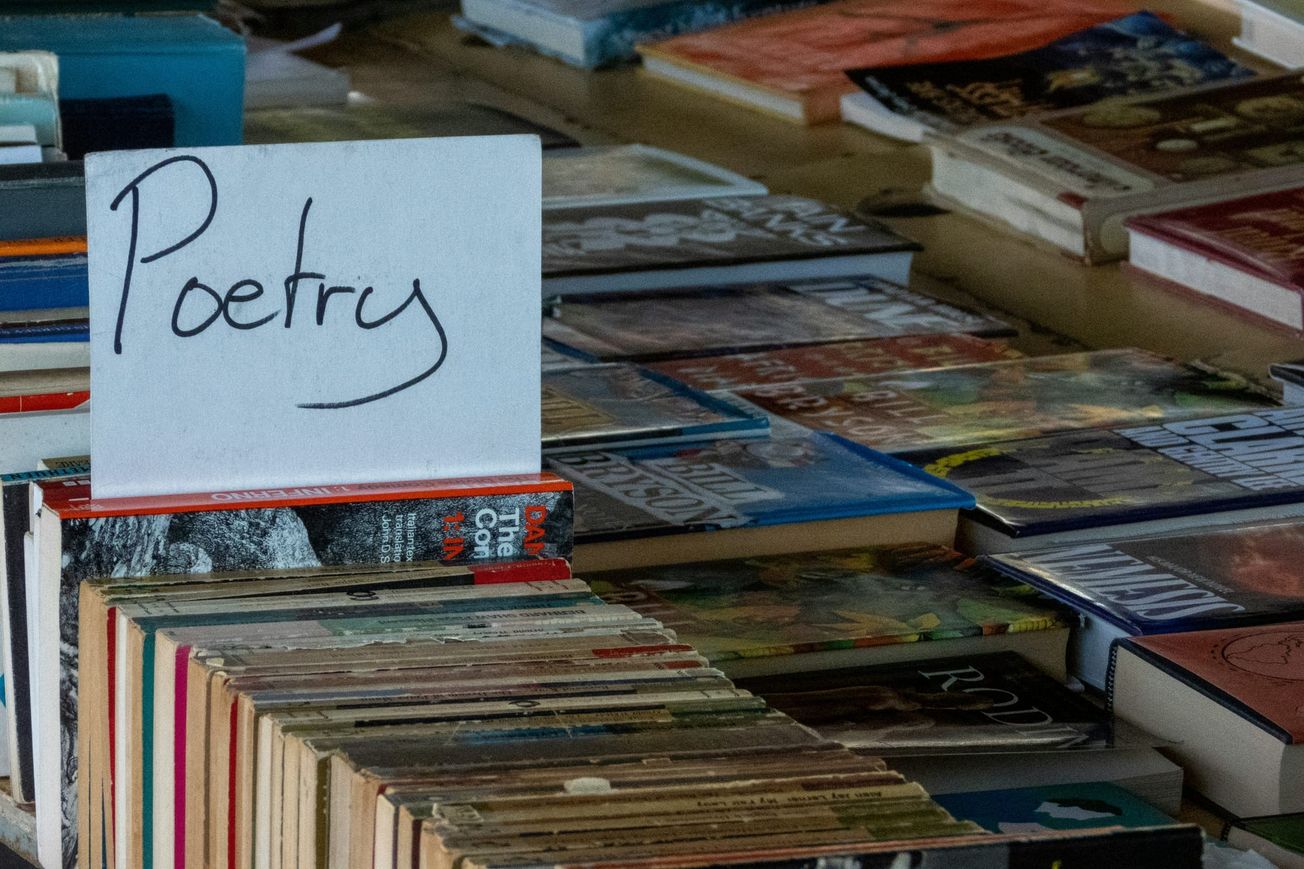
That was the first I had heard about the feminist struggle in the poetry world, because I did not see it in my day-to-day. At the bookstore, there were just as many female as male-written anthologies to choose from. And from my Singaporean education, so much of what we studied of British poetry was by women.
But to earnestly say that you yourself haven't seen a gendered struggle in an industry is a very hard-won, 21st-century privilege. Stories like Duffy's are not in short supply. The Brontë sisters famously published their poetry under male pseudonyms, afraid they wouldn't be taken seriously otherwise. More broadly, limited education and opportunity meant that there were far less prominent female poets — with only one woman poet named in the Guardian’s (very uncharitable) list of the ‘Great Poets of the 20th Century’.
So, it’s with a lot of pride that we can say that we've come a long way! Recently, major publishers like Bloodaxe have a 75:25 ratio of female to male titles. Some of the most popular recent British poets like Warsan Shire and Hollie McNish are women, and are not scared to write about being a woman. And to top it all off, Carol Ann Duffy became the UK's Poet Laureate in 2009. In other words, for the very first time, the official face of British poetry was a woman.
Yet, the great thing about women entering poetry is not just what poetry did for them, but what they did for the world of poetry. Poems have always been about feelings that you cannot just drop into everyday conversation. We’re talking about the personal and intimate, like complex grief or deep existential fear.
So with the rise of female poets, there was this new terrain of writing about the uniquely female experience. It meant that women could bring something completely different to the table. For example, there’s incredible poetry now about the burden of motherhood, which is something that a man inherently can’t write about like a woman can. But there’s also so much room for freedom and joy in the female experience, so it shows up in poetry too. We see this with how liberating it is to read the feminist poets — whether it’s Judith Kazantzis rewriting Greek mythology from a female perspective, or Marion Bernstein pushing back against gender roles.
That doesn’t mean that women poets must write distinctly ‘female’ poetry, though. The most simple privilege of all is that women can now write and publish their very universal, human experiences — like the joy of nature or love. In this way, the literary industry just gives women the same platform that they give to men. That isn’t a political statement, but seems aligned with the ultimate intention of feminism — for women to unlock their full humanity through their passions, as men can.
But this isn’t limited to the poet herself. The beautiful thing about poetry is that a poem can change the reader as much as it changes the writer. Now, young girls are far more likely to read a great poem and realise it's written by a woman. I think that’s really important because the love for poetry is so often sparked by an admiration of another poet.
The first time I encountered poetry was through Duffy, and I remember thinking about how clever she was to put her thoughts like that, to use those metaphors. Point being — when there's more role models for young girls to look up to, it helps them believe that they too have the capacity for creativity and complex thought.
 Juniper Gardner
Of course, it’s important to remember that the fight is never over. Even if more women in British poetry are platformed now, it may very well mostly be white women, and there may still be a residue of subtler discrimination. So while we take stock of how far we still have to go, there’s no shame in revelling in how far we have come.
That’s why, in honour of Women’s History Month and World Poetry Day, you should pick up some poetry written by women. After all, it took an awful lot of struggle — generations of it — to get these books on the shelf in the first place.
Feature Image: Unsplash/ Linda_na