By Sian Williams, First Year, LLM International Law
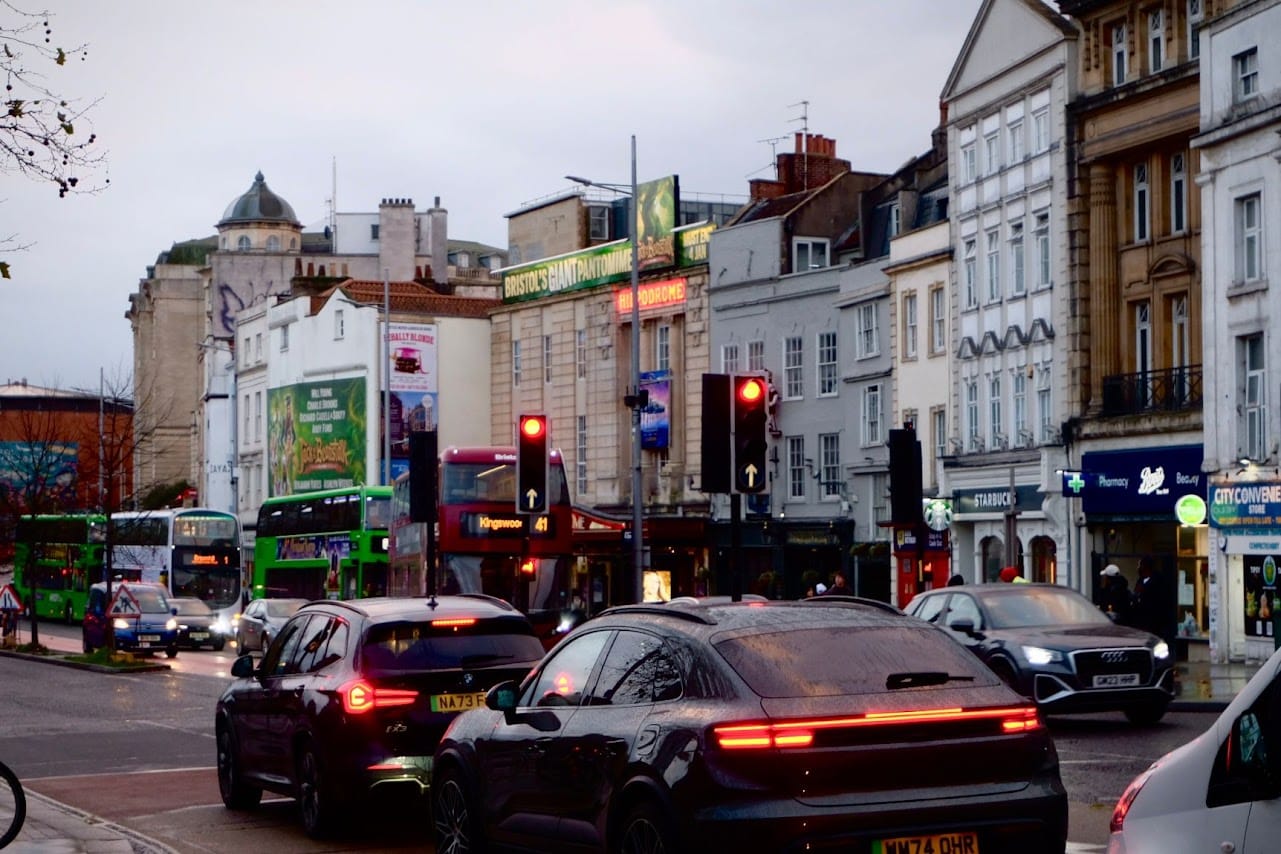
Putting its own twist on Dickens, Bristol has become one city telling two tales. Stroll through Clifton and see cashmere-clad queues outside every brunch spot (think Mercy Mercy Mercy or East Village Vegan Café). While waiting for a table, visit the greengrocer across the road to ask about its locally-grown produce, or look for a B-lister en route to take photos outside The Paragon. However, walk to the city centre and amidst the high street chains, damp bedding in doorways and tents on the streetside reveal a very different story: a glum plot where Bristol has the second highest number of homeless people in the UK (around 1/113 residents). Two extremes of human life roughly 20 minutes apart.
At least some blame for the homelessness crisis must be placed on university students, who occupy 45 per cent of all privately owned housing in Bristol. The annual student house-hunt increases an already high demand in the area and allows landlords to raise rent prices. One individual recently forced to move elsewhere commented that 'it wasn't just that the rents were so expensive, there were no rooms' available.
Unfortunately, publicised attempts to make more accommodation available to the 22,000 locals on the ‘very long’ housing waiting list are not obvious solutions. In particular, ‘purpose built student accommodation’ blocks built across the city, such as Unite Students which has recently commenced building a 500-bed student block in the Temple Quarter development, require land that could be used for affordable housing and is typically offered only to first-year students anyway. Whilst trying to take one step forwards, another is taken back at present.
If students are an exacerbating factor in the homelessness emergency, do we have a responsibility to help make it better too? Obviously, yes. University students do occupy a unique position in whichever city they are in. An appropriate term for this is transient. We have moved to a new place for 3 rite-of-passage student years, but still return to parental homes during vacation periods, and will often not stay post-graduation.
Certainly, as a one year postgraduate student, the impermanence of my existence in Bristol feels strong. However, this does not mean that we can disregard any sense of responsibility towards the community we have inserted ourselves into with only a personal statement and hefty student loan. The effects of 30,000 students arriving at the University of Bristol every year inevitably (and visibly) remain long after each individual packs up and moves on. The extent of tangible change caused to areas is so significant it has led to the term ‘studentification’. It cannot be right to leave the city alone to pick up the pieces.
'The scale and systemic nature of homelessness in Bristol require a dramatic solution.'
So, what is the best way for students to make a positive impact? The easier option is to provide more support to the homeless in Bristol. A friendly conversation or buying some food would be a start considering that Bristol’s streets are usually always swamped with students (at the expense of locals who might otherwise do this). I rarely see students doing it. Possibly the fear of the unknown is outweighing the desire to help, or the bystander effect is unfortunately allowing heads to more easily bury in the sand.
A valuable alternative is to spend time helping one of several charities in Bristol which are dedicated to reducing homelessness. A list of such organisations should include St Mungo’s, The Julian Trust Night Shelter and Caring in Bristol. Supporting via an established charity has the benefit of likely being more within the typical young-person’s comfort zone (we do, after all, have a reputation for disliking new social interactions) and productive because these organisations have greater resources and reach than individuals. The sheer number of students in Bristol means that small time commitments would quickly add up.
 Yasmin Hussain
However, it must be recognised that this option is comparable to sticking a plaster over a knife wound. The scale and systemic nature of homelessness in Bristol require a dramatic solution. Although students are clearly not the sole cause of the crisis, with other factors working in tandem such as the cost of living crisis, a shortage of affordable housing and the longer term effects of Covid, they could make bigger sacrifices to help rectify the problem. This might mean deciding to commute into the city from somewhere less-densely populated, spending time advocating to local councils and government for change, or possibly not coming to the University of Bristol at all.
These solutions are somewhat extreme, but they might be what finally tips the scales to deliver true improvement from higher up the food chain. Something like hitting them where it hurts most. Change is clearly needed in Bristol, but will it be us students that finally makes it happen?
Featured Image: Epigram / Arnas Avizinis
How do you think students can help alleviate Bristol's homelessness crisis?