
By Emma Coleman, Film & TV Subeditor
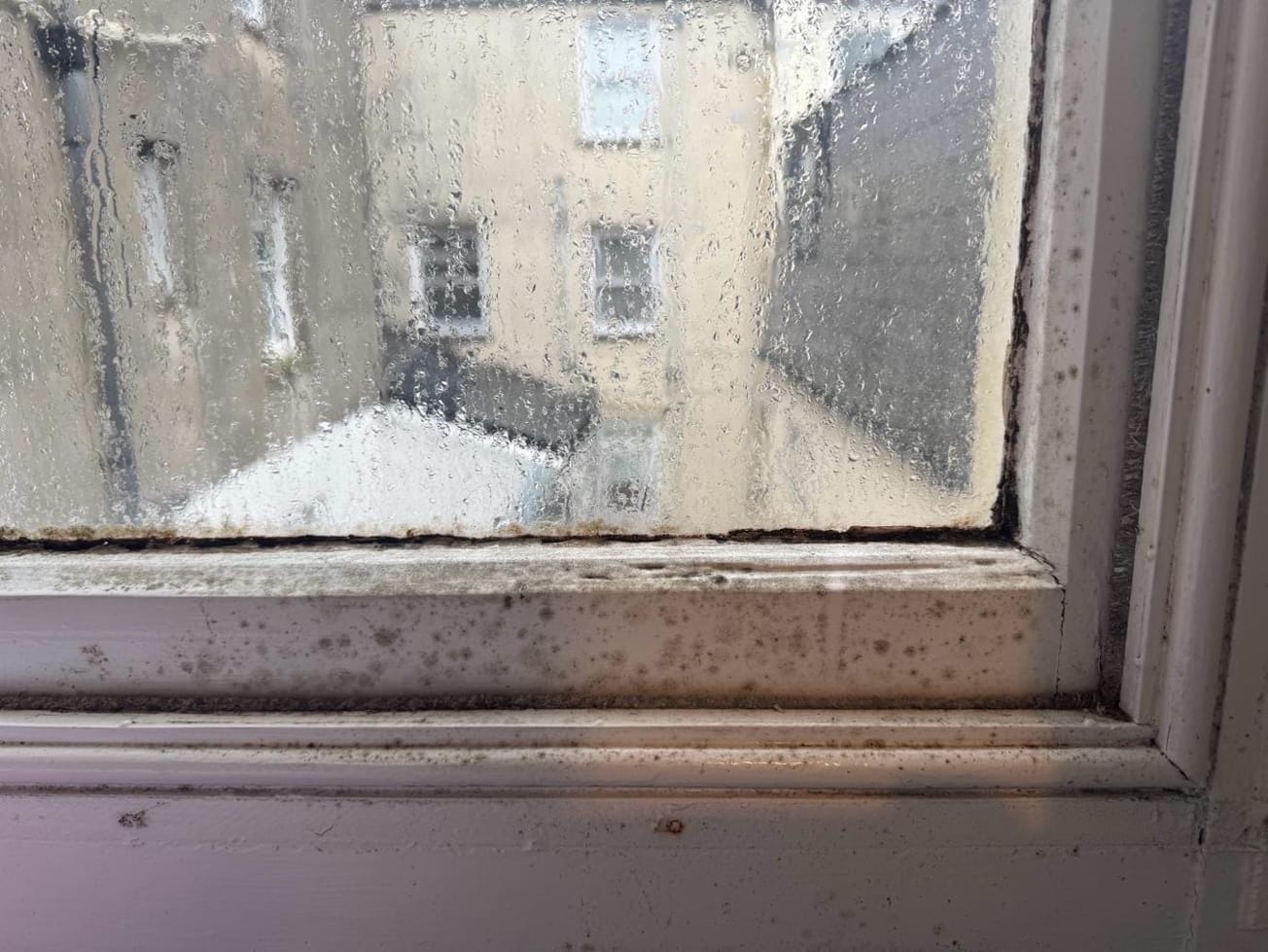
In 2025, Epigram launched its Break the Mould campaign to combat the negligence of landlords in dealing with mouldy housing conditions. But now I ask the question ‘why do student houses get so much mould?’ We’ve all heard the classics: don’t dry your laundry inside or poorly ventilated rooms inevitably create a mould-breeding bender. But is it us, our landlords, or something else entirely?
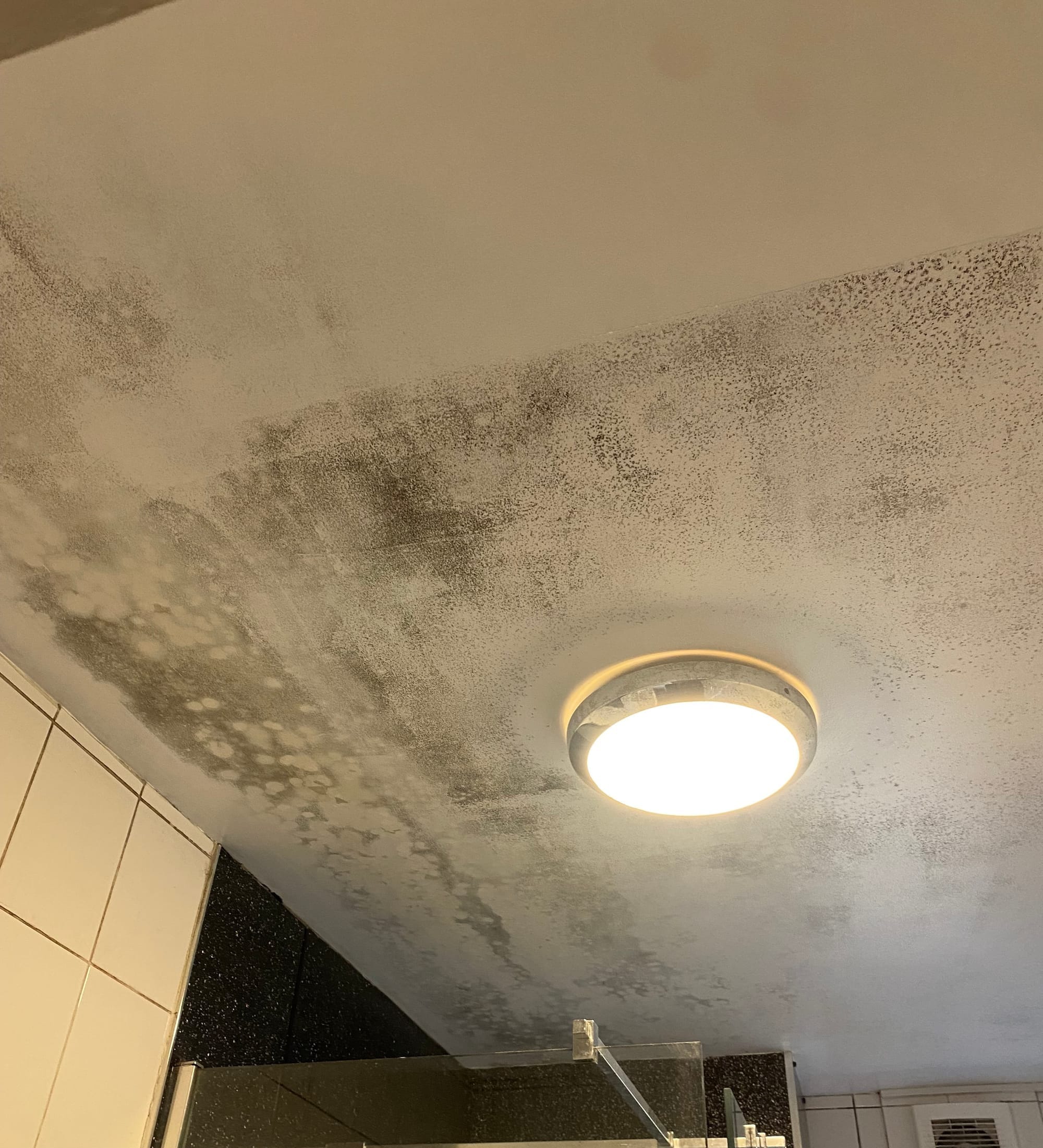
According to Shelter and the National Union of Students, over 42% of students live with damp or mould – I actually found this shockingly low as I’ve never spoken to someone who hasn’t had a mould problem. Damp 2 Dry Solutions also provides a list of the basic causes of mould: drying clothing indoors, poorly ventilated properties, shared bathrooms creating lots of moisture, shared kitchens, blocked air bricks (as I’ve already said, the classic culprits).
‘Mould could be the difference between getting a 2:1 and a first’
Yet, the most shocking thing I read on their website was that ‘several studies have found a link between mould exposure and lower academic performance.’ So not only are we coughing, getting illnesses, and even bad skin, but the mould could be the difference between getting a 2:1 and a first?
After this shocking discovery I reminiscently thought back to my A Levels and my old, mould-free brain. But then I questioned the fact that at my home the washing is dried inside, me and my sibling share a bathroom, we all use the kitchen, so why isn’t there mould there?
‘You inherit each patch, blocked vent, neglectful repair, and shortcut taken by every owner before you’
If you didn’t know by looking around and visiting your mates, a lot of student houses in Bristol are Victorian-built houses. Sussex Damp Experts explains that Victorian houses were built for breathability – they have thick walls that are meant to expel moisture with the flow of air. Sounds like a great system to me. However, when landlords give the house a revamp between lettings, the use of sealed paints and impermeable plasters prevent this movement – it’s as if you’re literally strangling the wall. To put it simply, ‘you inherit each patch, blocked vent, neglectful repair, and shortcut taken by every owner before you.’ Do you ever lie down on your bed and look at your ceiling and see layer after layer of your ceiling slowly peeling away, well that’s because it’s probably had about 50 paintjobs, each of which will have worsened the damp problem.
Unfortunately, there is not much we can do about this, but for your next year house search you know what questions to ask and what to look for. ‘Hey landlord, have you painted over these Victorian walls with sealed paints that won’t let the walls breathe?’ I’m sure that will shock them.
‘Mould feeds on dirt like we chow down a Jason Donervan after a night out in the triangle’
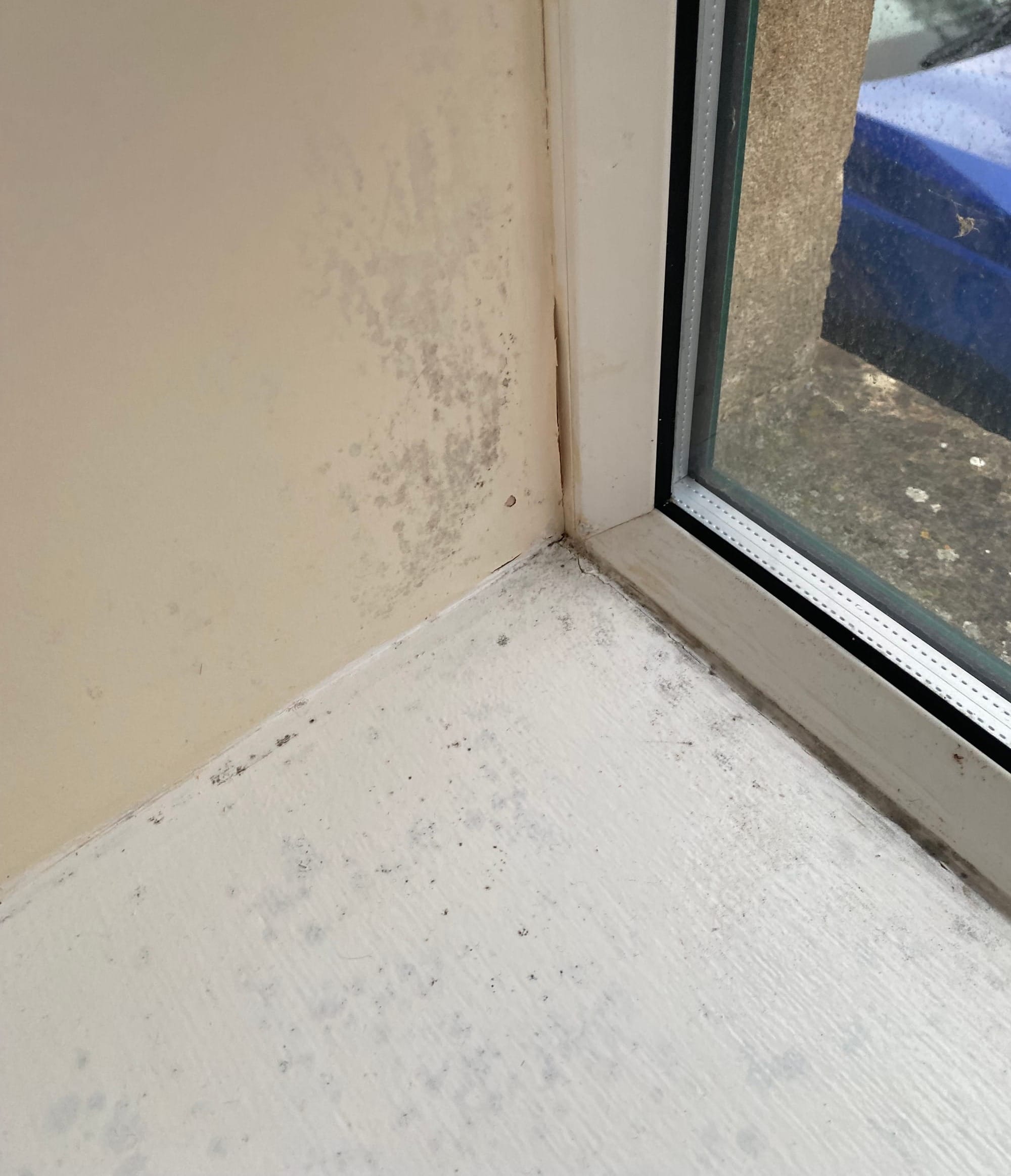
Another of mould’s favourite friends, apart from damp, is dirt. You know that deep clean your landlord charges you for at the end of your tenancy? And then you also know when you move into a new house and it is disgustingly filthy? Clearly something is not adding up. Mould feeds on dirt like we chow down a Jason Donervan after a night out in the triangle, and if the house is not, we’ll say theoretically, cleaned between tenants, you're already off to a bad start. However, university students are notoriously messy and, luckily, we can do something about this one.
 Zoe Charlotte Lambe
Whilst we cannot rebuild the basic structure of our houses, there are a few things you can do to help keep the mould away such as opening your windows regularly, putting the heating on occasionally (poor bank account), cleaning often and scrubbing away any sightings of mould immediately with mould spray. Maybe next year we should all try and find slightly more modern houses. Oh wait, I’ve already signed my tenancy!
Featured image: Epigram / Emma Coleman
Did you know that Victorian-built houses are more prone to mould?