By Gabriella Adaway, Third Year, Theatre and Performance Studies
Stranger Things is one of Netflix’s biggest shows, creating some of the biggest stars. With the second part of the last series being released on the 26th December, the real question is why do people care? What has made the show so impactful and relatable to gen z?
The Duffer Brothers have utilised some of the key methods to intrigue and keep a young audience not only entertained, but enthralled. It seems that fans of the show have found a home in the representations, characters and storyline. As a love letter to 80s movies and the Sci-Fi genre as a whole, it is no wonder that the love for this show has spanned years.
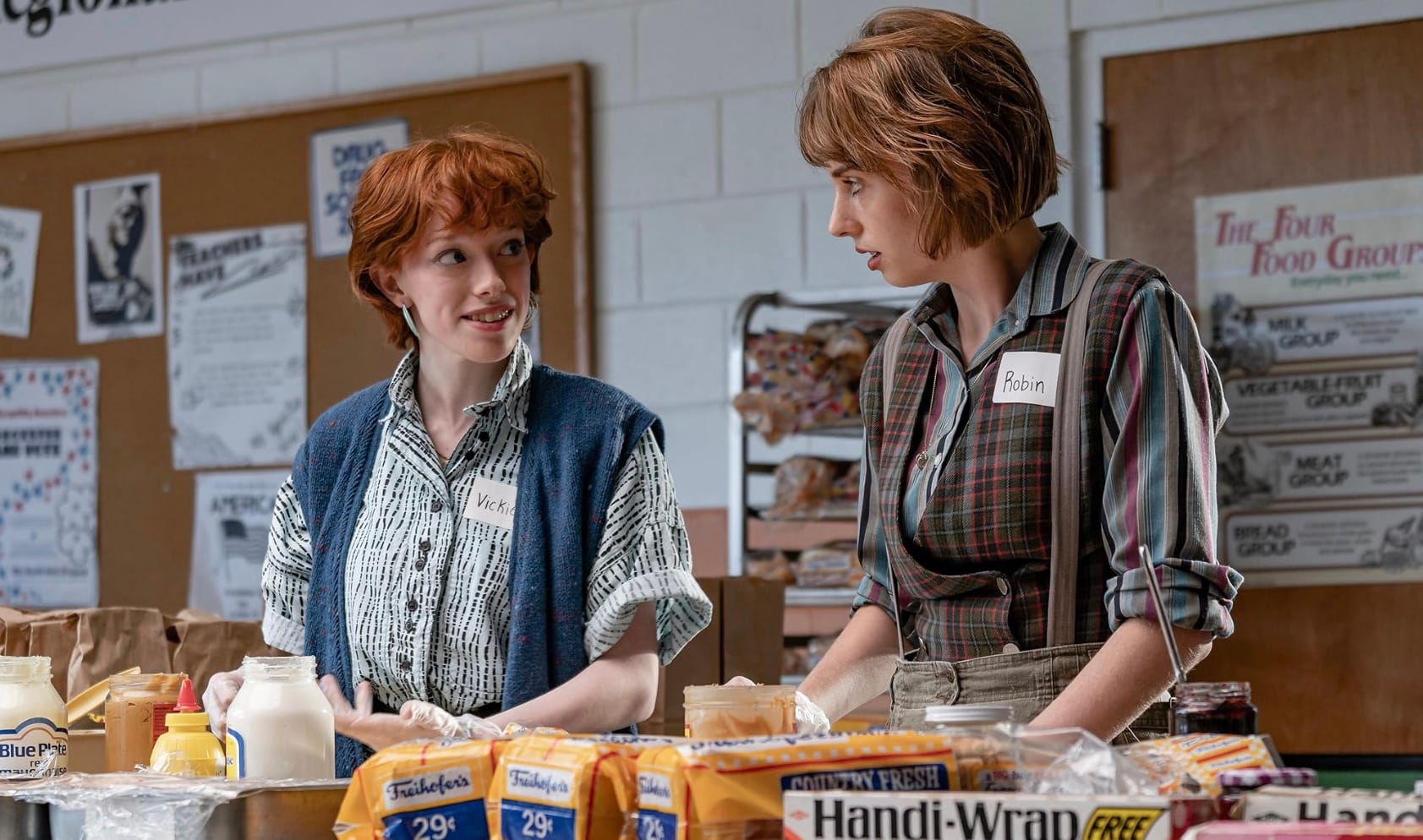
For young women and girls, the female characters in Stranger Things have set a standard for how they should be portrayed on screen. Nancy Wheeler (played by Natalia Dyer) is a confident, intelligent and feminine young woman, who is seen as a leader and respected by others. She presents herself as a mother figure, whilst simultaneously standing up for what she believes in and fighting for it too. The mothers throughout the show are not only homemakers but independent and consistent in their morals. Joyce Byers (played by Winona Ryder) and Karen Wheeler (played by Cara Buono) are not shy when standing up to men, especially men in positions of power and are often seen to be mothers to far more than just their own children. Eleven (played by Millie Bobby Brown), in homage to the 1984 movie Firestarter, is a superhero in her own right. She is the defence and the power behind the boys. Playing with her androgyny in the earlier episodes and allowing a young girl to figure herself out in a world that is trying to crush and define her. It’s rare, especially in Sci-Fi, to see complex women portrayed on screen, stretching their representations far from female stereotypes.
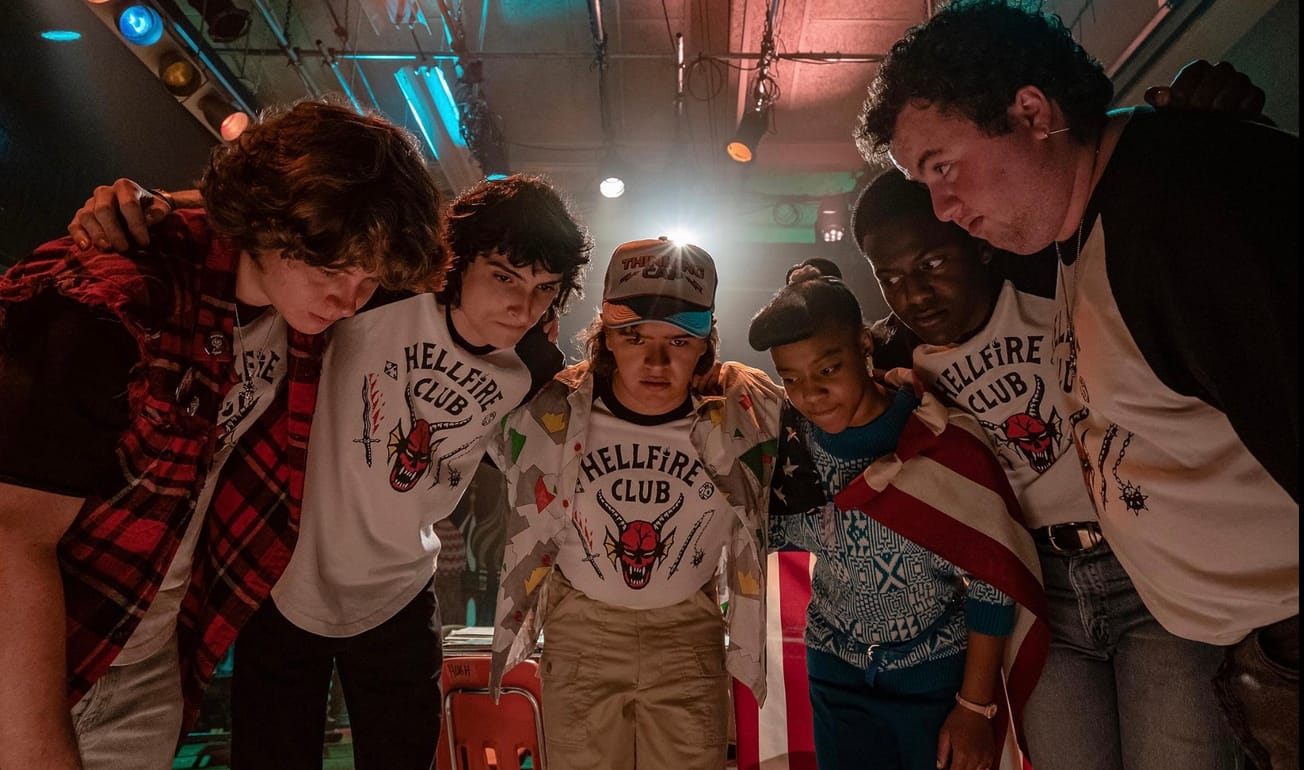
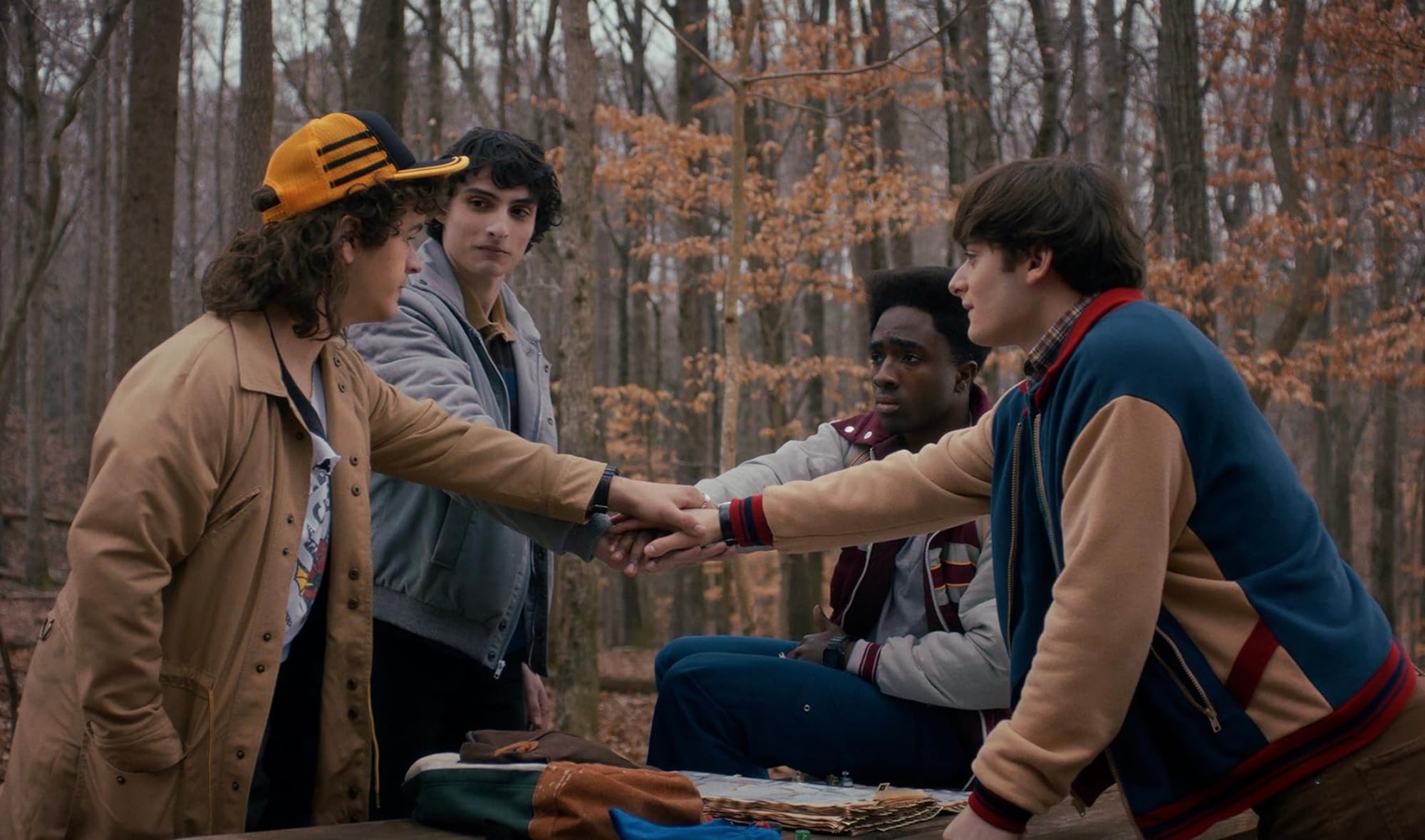
In addition to this, the Duffer Brothers play with a wealth of typical male stereotypes and how they are often portrayed. Steven Harrington (played by Joe Keery), a fan favourite, is initially introduced as a jock type character, someone who plays basketball, doesn’t care for school and messes around with girls. It has not gone unnoticed his incredible character arch, acting as a big brother to all the kids and owning up to his past mistakes. The show goes even further in celebrating the ‘nerd’ archetype, using their intelligence and love of Dungeons and Dragons as their own superpower. Will, Mike, Dustin and Lucas (played by Noah Schnapp, Finn Wolfhard, Gaten Matarazzo and Caleb McLaughlin) are unafraid of expressing their love for one another, being young boys who are vulnerable and yet stronger together in the face of danger – a rare but an extremely healthy showcase of male emotions.
What is clear is how the Duffer Brothers and Shawny Levy have not let characters fall through the cracks. Each one, even those not mentioned, are incredibly complex, each flawed and loved in their own ways. Whilst we may not like every character on our screen, it’s hard to find fault in how diverse they choose to write them.
It is also apparent that the connection gen z has made to Stranger Things spans beyond just the characters, but also to the themes that are explored. Whilst, on the surface, the show may just be a Sci-Fi coming of age drama, Stranger Things has approached a varied selection of important topics. Each are interwoven into the narrative but rarely singled out; the show portrays issues of homophobia and racism, the class divide between the boys, mental health issues and abuse. Instead of marking any one of the boys out, rather the show offers a route into all their lives, finding a place for the audience to relate or emphasise with the characters, exploring them as real individuals, whose lives are far more complicated than they may seem on a surface level.
 Toni Baynes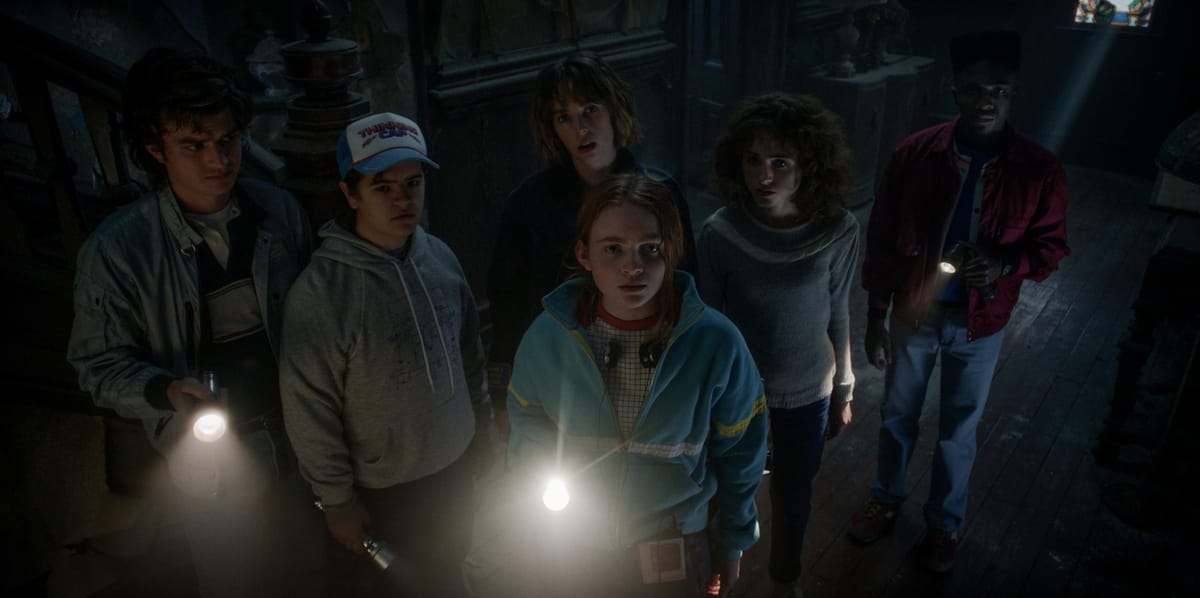
On that, Stranger Things has spectacularly taken on the task of representing gay characters and allyship in the later seasons. In an interview with Attitude Magazine (2025), Gaten Matarazzo talks about the rarity of portraying, not only queer characters, but also the acceptance of them in the 1980s. Going on to express how there is a notion that gay culture didn’t exist 70 years ago and yet it really just appeared that way due to silence as a result of a lack of safe spaces. The interviewer even added how the show is ‘healing’ for those in the gay community who still are under-represented, especially in the Sci-Fi genre and amongst young men and women.
Whilst there is so much to cover in how the world of Stranger Things has been able to amass such a following, from its big budget to its icon stars and incredible storyline. It is, with gen z, that I believe have found not only a form of escapism but also a sense of self within this show. It is undeniably a cultural phenomenon and for the past 10 years we have got to watch the kids grow up and the story explode. For a show that got rejected many times from producers, Netflix have been lucky enough to provide us all with this multifaceted exploration of all kinds of people.
Featured Image: IMDB / Stranger Things
Why do you think Stranger Things resonates with gen z so much?