
By Amelie Patel, Deputy Comment Editor
South Asian Heritage Month seems to fall under the radar each year, caught amongst the lull of Britain's drowsy summer days. As someone of Indian heritage myself, I nearly missed it too. Which begs the question - why?
Curry is almost as beloved as Britain’s roast dinner, in fact it’s a 4.2 bn industry in the UK. In Bristol there are countless of beloved South Asian restaurants – Rock Salt and Urban Tandoor coming to mind in a flash. 1 in 14 people in the UK are also of South Asian descent, and we make up 5.3 per cent of the NHS workforce.
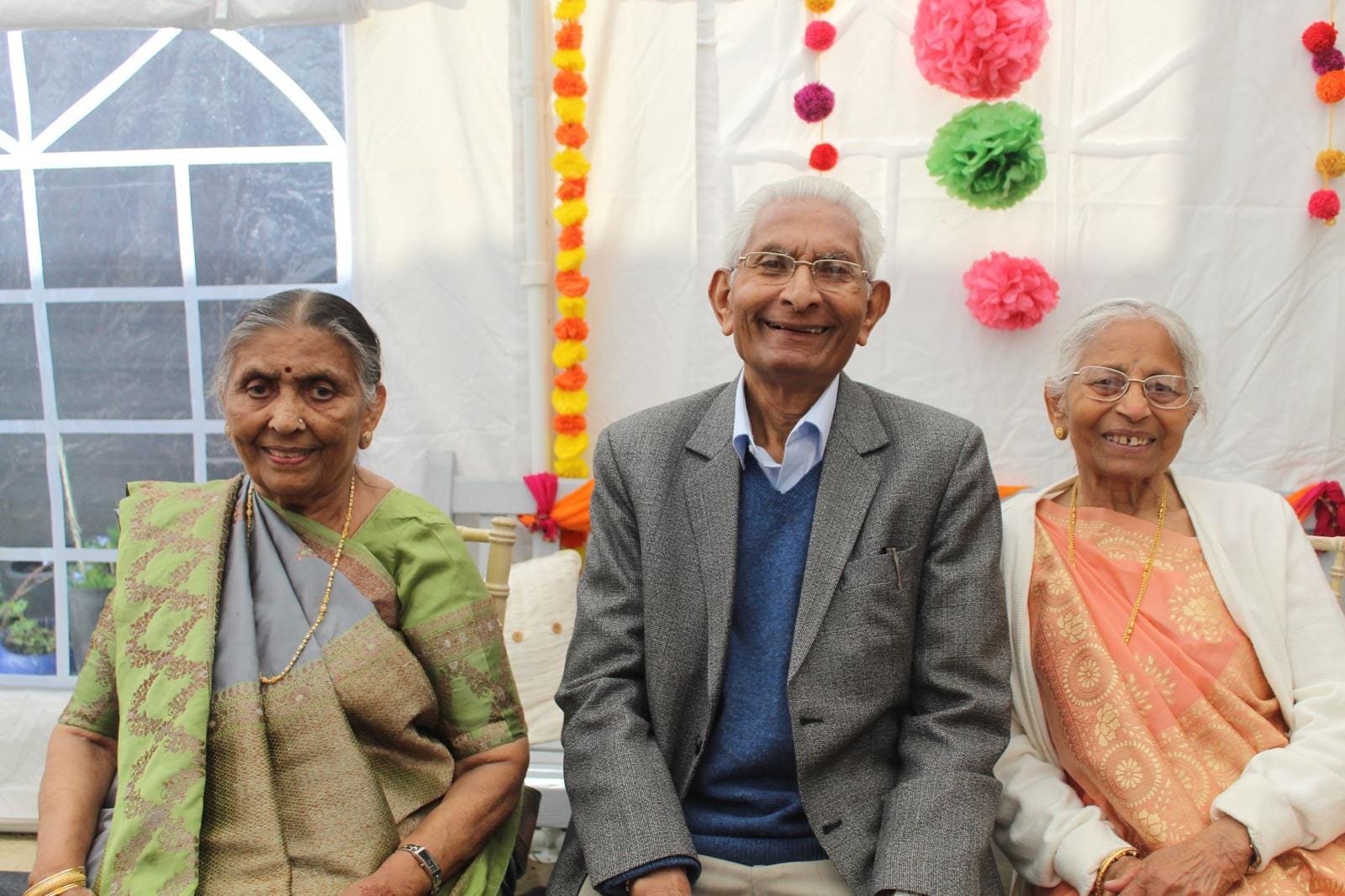
Still, we rarely interrogate this integration of South Asian culture into our daily lives; a result of various complex and large migration movements, such as post-Second World War when Commonwealth members were encouraged to move to the UK to fill labour shortages. My grandparents were a part of this migration movement. They, and others faced harsh, and often hostile realities. Racism negatively impacted employment rates, and made the understandable cultural shock for immigrants even more isolating. You can read about a sub-section of South Asian migrants' experiences here.
The South Asian Heritage site states that the month is ‘an opportunity to showcase what being South Asian in the 21st century entails, while also reflecting on our past and how it has shaped us.’
It falls from the 18th of July to the 17th of August. This may seem odd, but the dates are of historical significance; the month begins on the day the Indian Independence Act received royal assent in 1947, and ends on the date the Radcliffe Line was announced, which set out the modern-day border between India and Pakistan. The dates aim to reflect how much influence Britain has exerted on the demographic.
The Radcliffe Line refers to a hastily drawn border across India and Pakistan by the English lawyer Radcliffe, who had no prior knowledge of the countries and had never visited. The law led to the displacement of an estimated 15m people and widespread violence between religious groups in which 1 million people were killed.
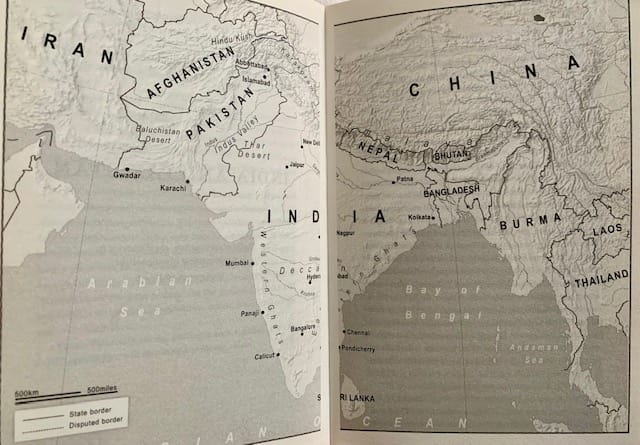
From the SAHM website:
‘The start and end dates show just how much of an influence Britain has had holistically on South Asia over the last few centuries. The dates coincide to a large extent with the South Asian month of Saravan/Sawan, which is the main monsoon month when the region’s habitat undergoes renewal. Having it take place across the two Western calendar months of July and August is entirely apt, as it respects the traditions of the South Asian calendars. This period also includes several independence days connected to South Asian countries.’
This year’s theme is ‘Roots to Routes’. A key theme is ‘migration and movement’, which considers how traditions and community spaces have evolved across generations in the diaspora.
For me, my Gujarati roots live on in so many ways. Visiting my grandma’s friend on the next street over and enjoying the warm hospitality of a kata-bora – a yellow, savoury, delicious pancake – for instance. Going to family weddings that are explosive with colour, our distinctive foods, music, and dress. Eating a curry with seven types of beans on a special day of the Hindu calendar called Nori Nem.
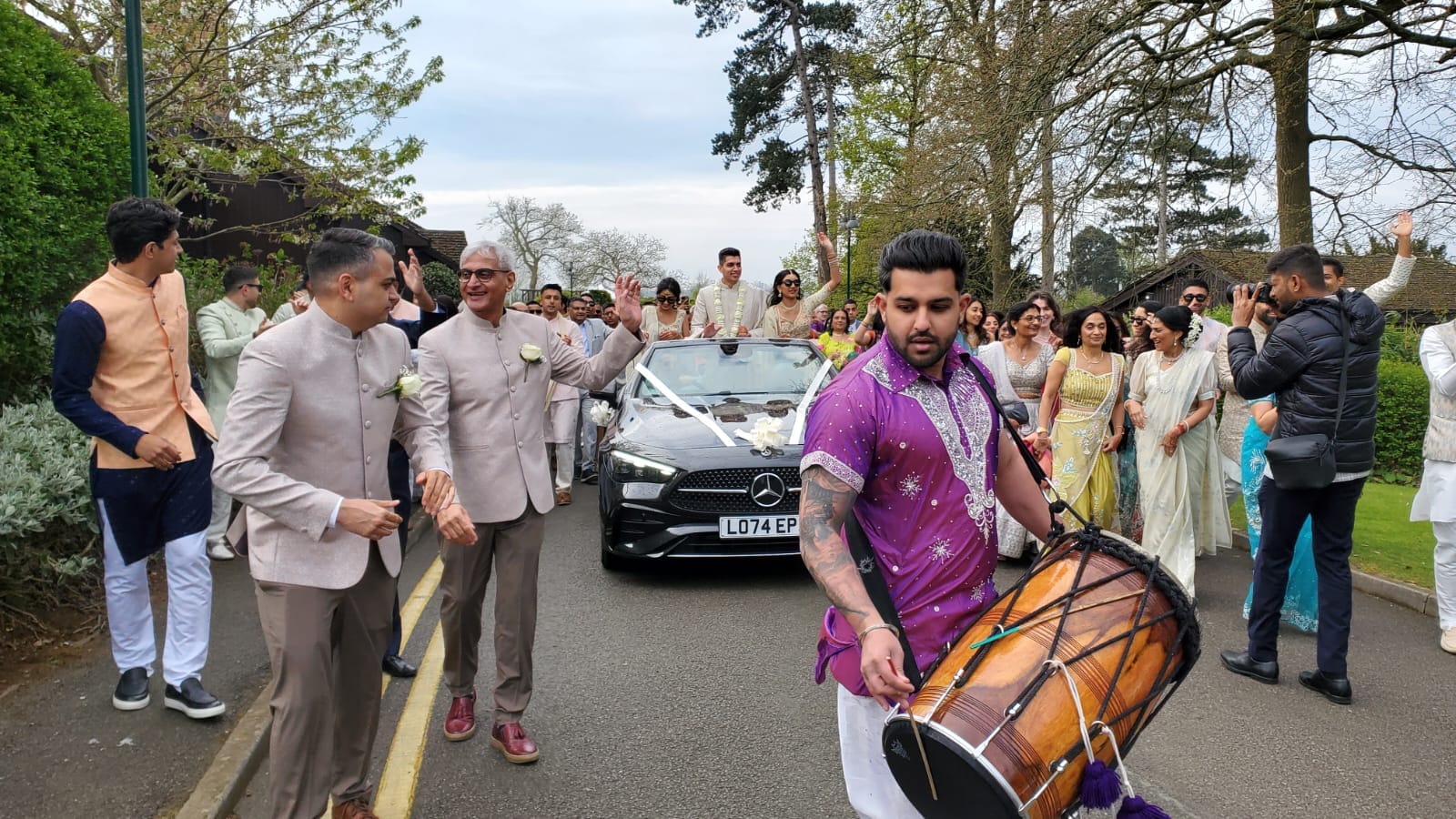
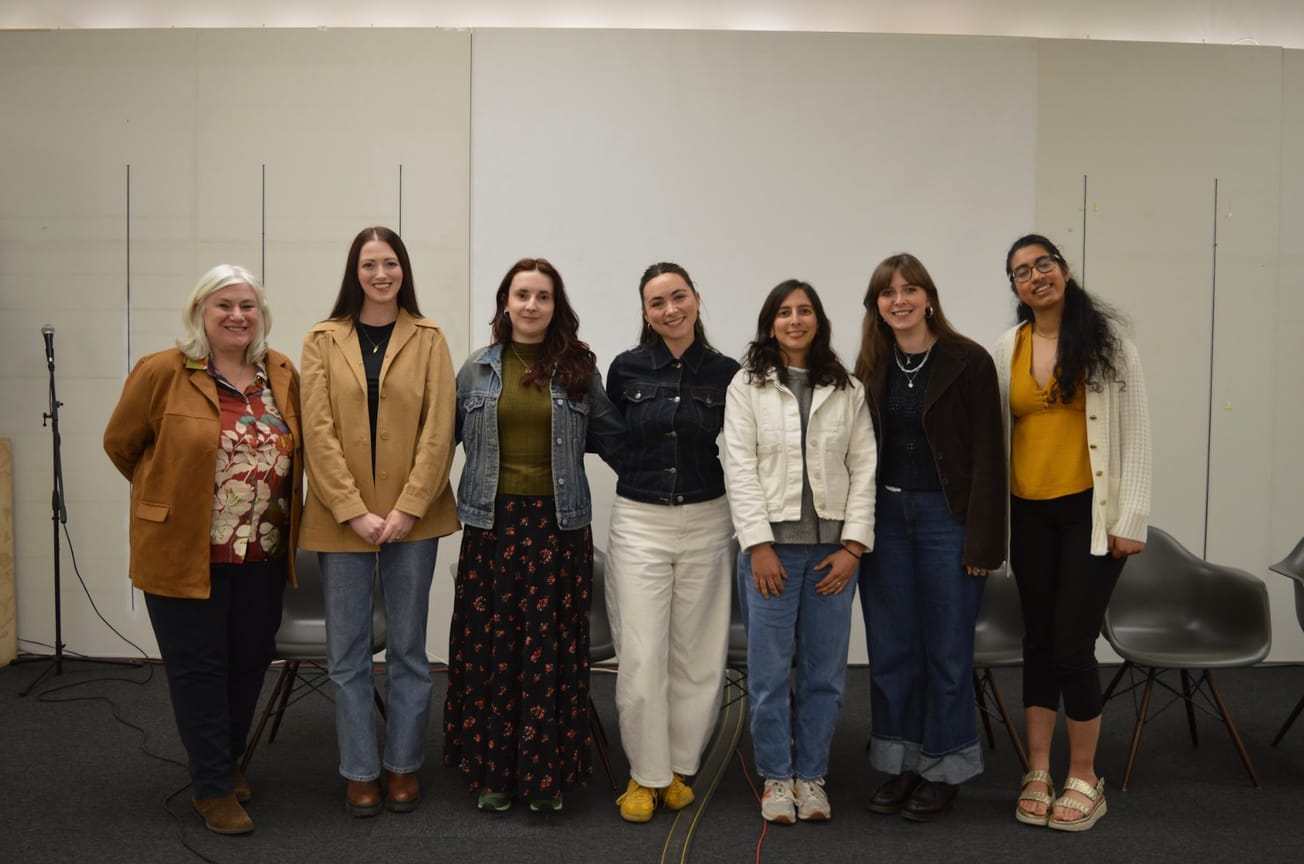
These are my traditions, and everyone’s are different. I spoke to some other members of the South Asian community in Bristol to learn about their own.
Maya Tailor, third year English said of her own traditions and connection with her heritage:
‘Whether it’s through celebrating festivals like Diwali or Raksha Bandan, eating home cooked Indian food with my grandparents or just wearing a sari or a lengha, it’s a reminder of who I am and where I come from. It’s little things like this that are so important to me.’
Basma Ajamall, third year English, told me that her ‘roots live on particularly by my mother keeping creative Pakistani practices alive.’
‘Growing up, cooking and sewing were real passions of hers, and came to be mine, too! I’m so grateful that before I moved out, I was taught how to make biryani, pilau, kebabs, and all the desi foods I love. In my free time at uni, I’ve been using the sewing and embroidery skills my mother taught me when sewing kameez (a South Asian outfit).’
Amaya Lewis-Patel, third year English and Classics, said:
My Indian heritage manifests itself in the objects that I have grown up with. At home we have a beautiful Mughal painting handed down from my grandmother, and a small silver Ganesh figure that she bought to bless our home. As I have become more confident in embracing my South Asian identity, I have also started to incorporate Indian elements into everyday outfits. A pair of jhumka earrings or a Kashmiri embroidered shawl can always elevate jeans and a t-shirt, and they remind me of how special and vibrant my culture is.
Maya and I spoke further about how South Asian culture is represented in the world. Pop-culture has always catered to a white, Western realm, leaving myself and others feeling distinctly unrepresented when consuming media from a young age — apart from the token ‘nerd’ character. Cogs are now slowly shifting, and the impact cannot be understated.
Maya: ‘I think back to season 2 of Bridgerton and how beautiful it was to see a South Asian woman take the lead on such a big show.’
Regardless, a large cultural gulf remains as many people see South Asians’ culture and ethnicities as solely ‘Indian’, and pop-culture often collates the vast traditions of our communities into a standardised image, to make it more digestible for Western audiences.
Maya said that she ‘would like to see more emphasis on just how diverse the South Asian diaspora is. It’s not just India — Pakistan, Nepal, Bangladesh, Sri Lanka, they all have such rich cultures and histories that we don’t speak about enough.’
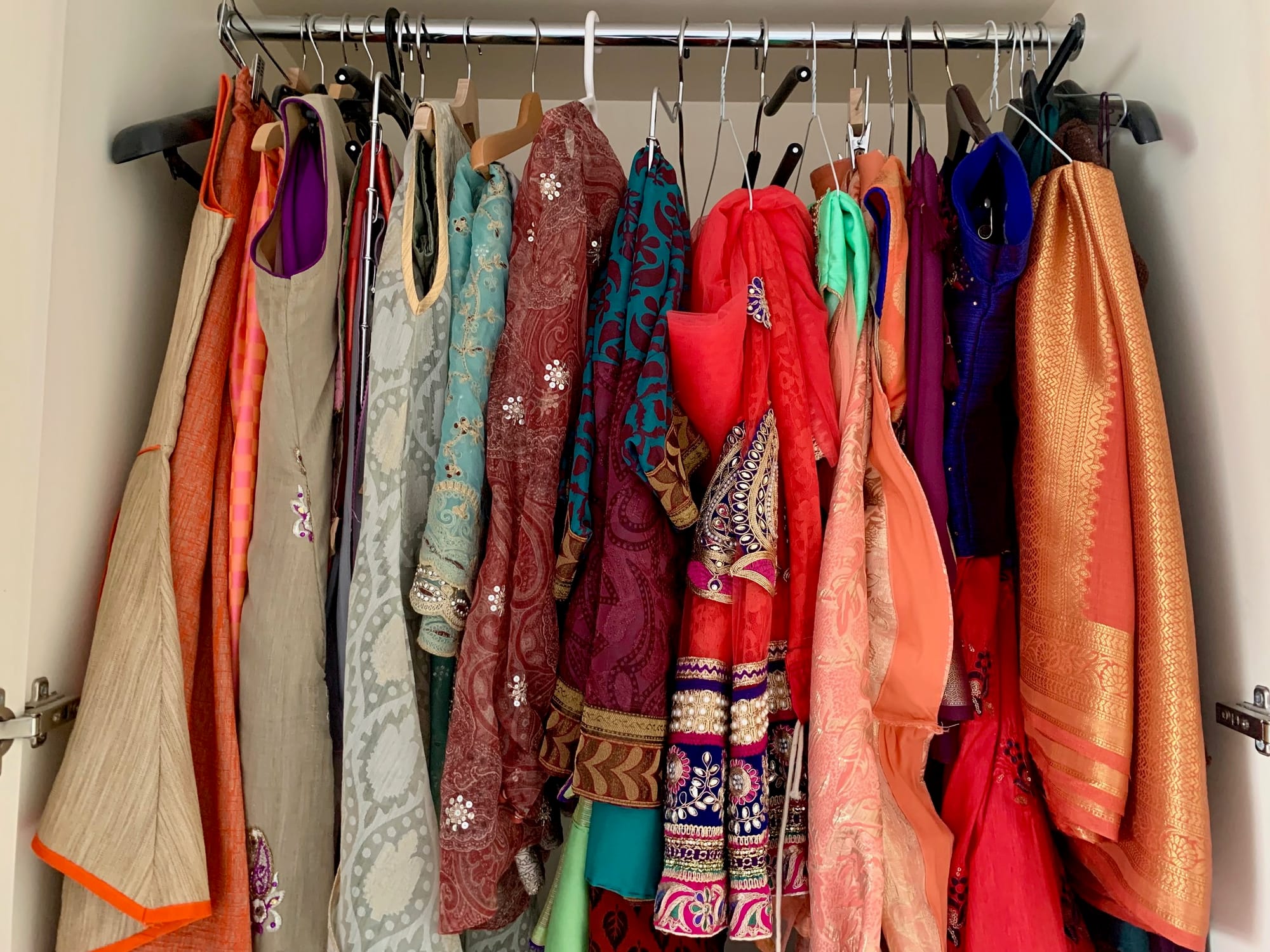
Finally, we tackled the topic of cultural appropriation. The global fashion industry is hugely influenced by South Asian clothing — from paisley print, to embroidery, to silk. The recent scandals over the traditional South Asian dupattas rebrand into the ‘Scandinavian scarf’, and reveal that Prada’s sandal was a rip-off of the traditional Kolhapur sandal display an alarming pattern. The ‘Westernisation’ of South Asian culture is ubiquitous.
Maya commented on how ‘we are in an interesting era of ‘cancel culture’ where people are cancelled for anything. This extreme cancel culture means that the real issues and problems, like this, in this world get side-lined and minimised.’
‘A dupatta being called a Scandinavian scarf is that deep. It is an erasure of culture and this should be taken seriously.’
Decolonisation is a continuous mission, and by recognising South Asian contributions to society we foster more empathetic, diverse communications in our society. In a time where our prime minister is referencing Enoch Powell's ‘rivers of blood’ rhetoric in his immigration speech (though he claims it was unintentional), and REFORM UK are making record gains in local elections it is so important to keep sight of the vast benefits of living in multi-cultural society.
 Amaya Lewis-Patel
South Asian culture is beautiful, vast, and deeply resilient, and our complex histories deserve to be highlighted. Most importantly, it is a celebration. I hope you feel inspired, whether you are of South Asian descent or not, to champion it.
Featured Image: Unsplash / The Cleveland Museum of Art
Did you celebrate SAHM this year?