By Alice Guskov, Third Year, Physics with Astrophysics
One of my New Year’s resolutions is to replace my social media consumption with physical media, and I’m making it your problem. Hopefully not in a pretentious way, although I did install Substack recently. I’ve tried to reduce my screen time many times before, normally by establishing app limits on my phone, but they are too easily bypassed. I need something more tangible.
I don’t remember a time when I didn’t have access to a digital device. And as the years have passed, it’s almost impossible to avoid using them. Many jobs (and student life) require a laptop or desktop, and you most likely need a phone to even get the job.

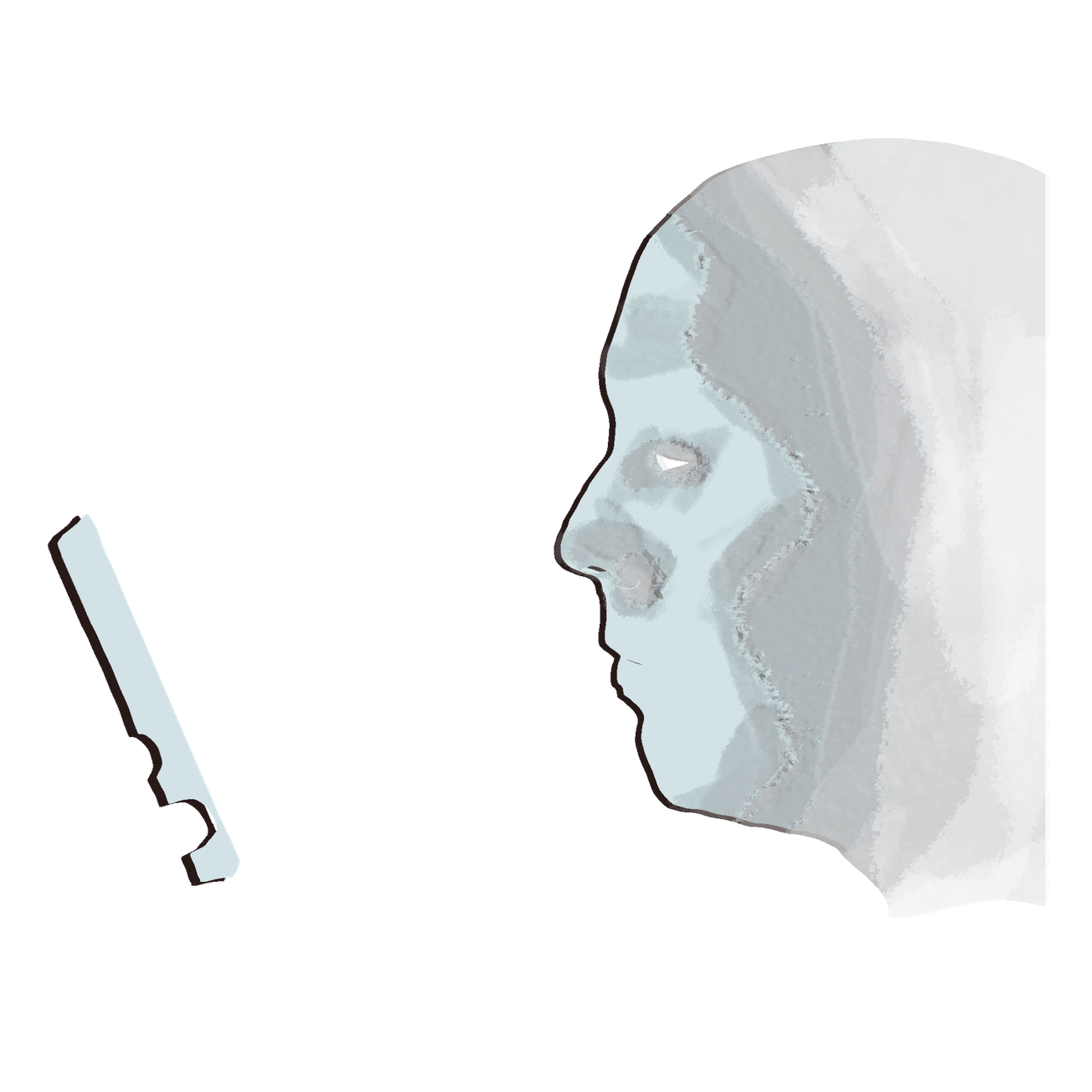
How many times have you looked at your phone today? How many hours do you spend looking at a screen a day? Some screen time is necessary to be active in society, I admit, but you are probably staring at a rectangle for longer than you need to. It’s addictive, and it was designed that way - especially social media. It’s not your fault.
As you know, social media is built on algorithms that push content depending on whether other people are interacting with it, regardless of whether it will have a positive or negative impact on your well-being. However, what I find most dystopian is that psychologists are being hired to glue you to these platforms.There is a branch of psychology (industrial-organisational psychology) that focuses on human behaviour at work and optimising employee productivity, which is being applied to social media platforms.

Curating your feed is a method of positive reinforcement, ‘likes’ and ‘shares’ are instant rewards, implementing the infinite scroll removed a natural stopping cue, so we scroll…scroll…scroll. It makes whoever owns the social media company richer; you are selling your attention to them for free. You may think I’m being dramatic, which I am a little bit, but I think it’s very telling that those at the helm of these platforms and devices either restrict their own children’s social media usage or try to delay when they start to use it.
Aza Raskin, in particular (a software developer behind the infinite scroll), has been very vocal about regretting his involvement in its creation, even openly apologising in an interview with The Times.

What frustrates me most is that social media steals time. Attention spans can be rebuilt, but you can never reclaim your time. Your life is short, do you really want to swipe it away with a blur of AI cat videos, get-ready-with-mes, and rage bait that you will forget in an hour? I don’t. I want to use my free time wisely and actually remember what I consumed in the past two hours, and rest my brain. Due to its fast-paced nature, although it feels good at the time, your brain does not take a break when you scroll. Your nervous system tries to keep up with an avalanche of content it was not biologically designed for, and you experience five different emotions in two minutes.
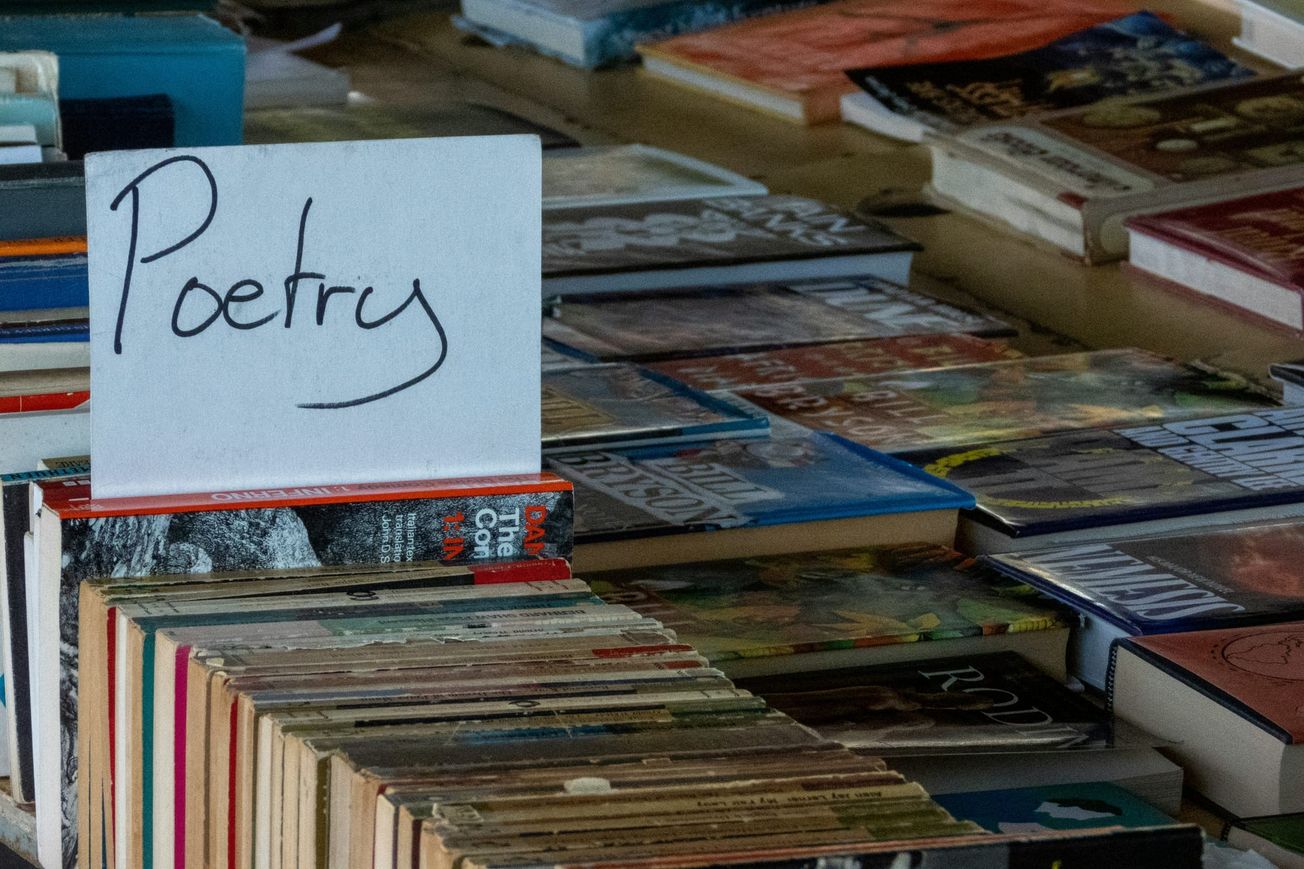
Try to replace the digital media you interact with physical media. Swapping reels, YouTube videos, and streaming for physical books, DVDs, and hobbies that don’t involve a screen. Things that I can hold in both your hands, that you actually have ownership over, and that are much better for the environment. There is still a slow world outside of all the screens that is slowly being drained to build a fast electric one. Be more mindful of what you consume, your mental health and cortisol levels will thank you. I’m not saying that you should ditch social media or digital media more broadly altogether, I don’t think that’s even possible at this point. But there are ways you can reclaim your life, and slow down time.
Featured Image: Epigram | Corin Hadley / Procreate
Have you tried swapping out screens?