By Meg Roberts, Second year, Geography with French
On the 1st of June 2025, the UK government banned the sale and supply of all single use vapes. According to an article from ‘evapo’, a vaping retailer, the ban’s intentions were to reduce youth vaping and environmental impacts as well as to protect adult smokers. Despite positive motivations it would appear more harm than good has arisen from this new restriction.
Disposable vapes, ‘there’s a lot to like’. They are convenient, affordable and discreet, available in a range of different flavours. Their high nicotine concentration is appealing to many looking for a strong hit, and most importantly, they require no maintenance. The ease and attractiveness of single use vaping is visible statistically, and the numbers are frightening. Research by the UK government, published in 2024, found that the number of children using vapes had tripled. In 2023, roughly 69 per cent of vapers aged 11 to 17 were using disposable vapes, a 7.7 per cent increase from 2021. This trend continues into the university student age range. A survey conducted by The Independent in 2022 gathered data from more than 18,000 students across 24 universities. Over half the students stated they had used a disposable vape since the beginning of term and 27 per cent of students admitted to being addicted.
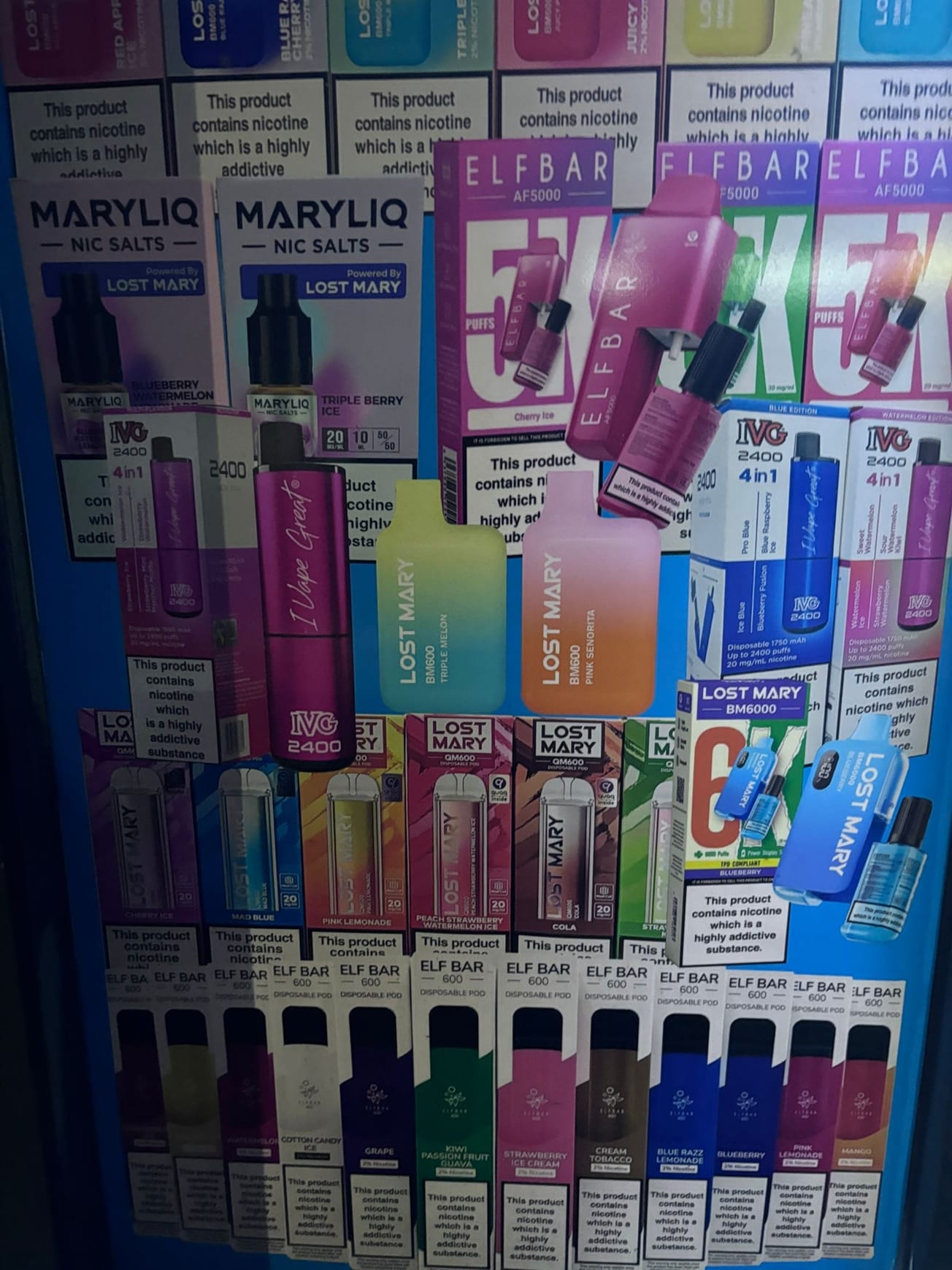
Students at the University of Bristol, when asked why they vape, gave reasons such as sociability, bonding opportunities, relief and drunkenness. In comparison to cigarettes they said vapes had better scent, were more socially acceptable and less bother. These grounds imply that whether the vape is disposable has little relevance to its purchasing or use. Prohibiting disposable vapes does not discourage vaping, rather, in the words of Isabelle, a second-year student, it ‘just incentivises people to buy other kinds of vape, more people will transition to rechargeables’. Additionally, it would seem the ban itself has had little impact in the purchasing of single use vapes. First year student, Lottie, says she’s seen ‘no differences, you can still buy disposable vapes, they’re still displayed in shops’ and that she feels as though ‘younger and younger generations are picking up the habit’. What’s more, there was a general lack of awareness that the disposable vape ban had been passed amongst the students surveyed. The temptation of buying disposables, as opposed to reusable or lower nicotine concentration vapes, largely lies within their economical charm. Disposable vapes cost as little as £4 whereas reusables start out at around £25. In the spur of the moment, it’s obvious which option a student would go for. The small price barrier has been a catalysing factor in the growth of disposable vaping, allowing more people to try it and develop a fixation.
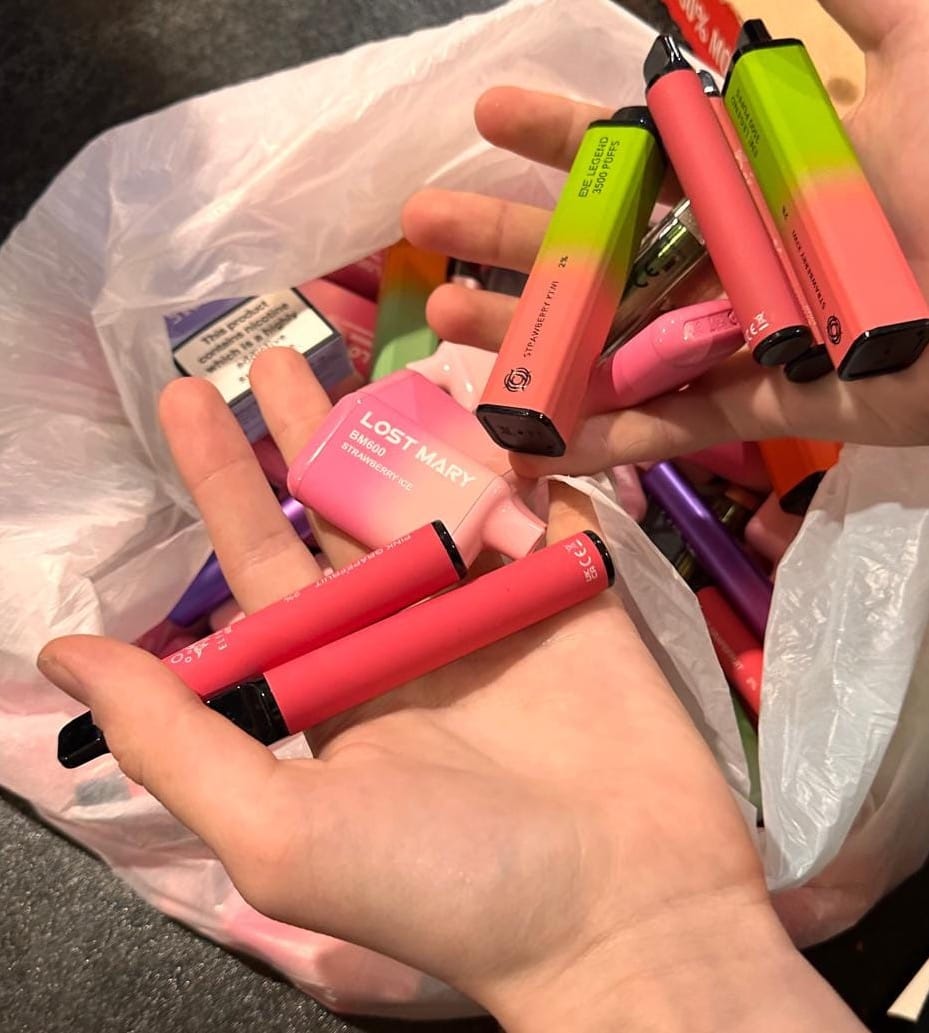
Has the ban been counterproductive? It is still too early to conclusively tell, but it has been recognised that fewer single-use vapes in circulation will have environmental and health benefits for society. There is some evidence of improvement in the environmental domain, reports of less visible waste for example. This is greatly beneficial to wildlife species with poison ridden vapes easily mistaken for food. Furthermore, less littering of disposable vapes means fewer harmful substances and microplastics seeping into the ground, eventually reaching water systems. A Scottish government paper stated the ban would bring about reduced waste fire emissions as less vapes are incinerated. This would lead to a decrease in greenhouse gas emissions which is important for combatting climate change. Though, as raised earlier, students have not seen a difference in disposable vape accessibility. Thus, these predicted benefits are negligible.
According to Material Focus, an electricals recycling campaign group, in 2024, five million single-use vapes were thrown away per week. It is vital this number is decreased. Vapes contain resources like cobalt and copper. Supporting the mining of these materials through purchasing vapes is unethical and unsustainable. In 2022, Material Focus discovered over 40 tonnes of lithium was disposed of via single use vape discard, enough to power 5,000 electric vehicles. Today, with mineral conflict so rife, the existence of disposable vapes seems insensitive.
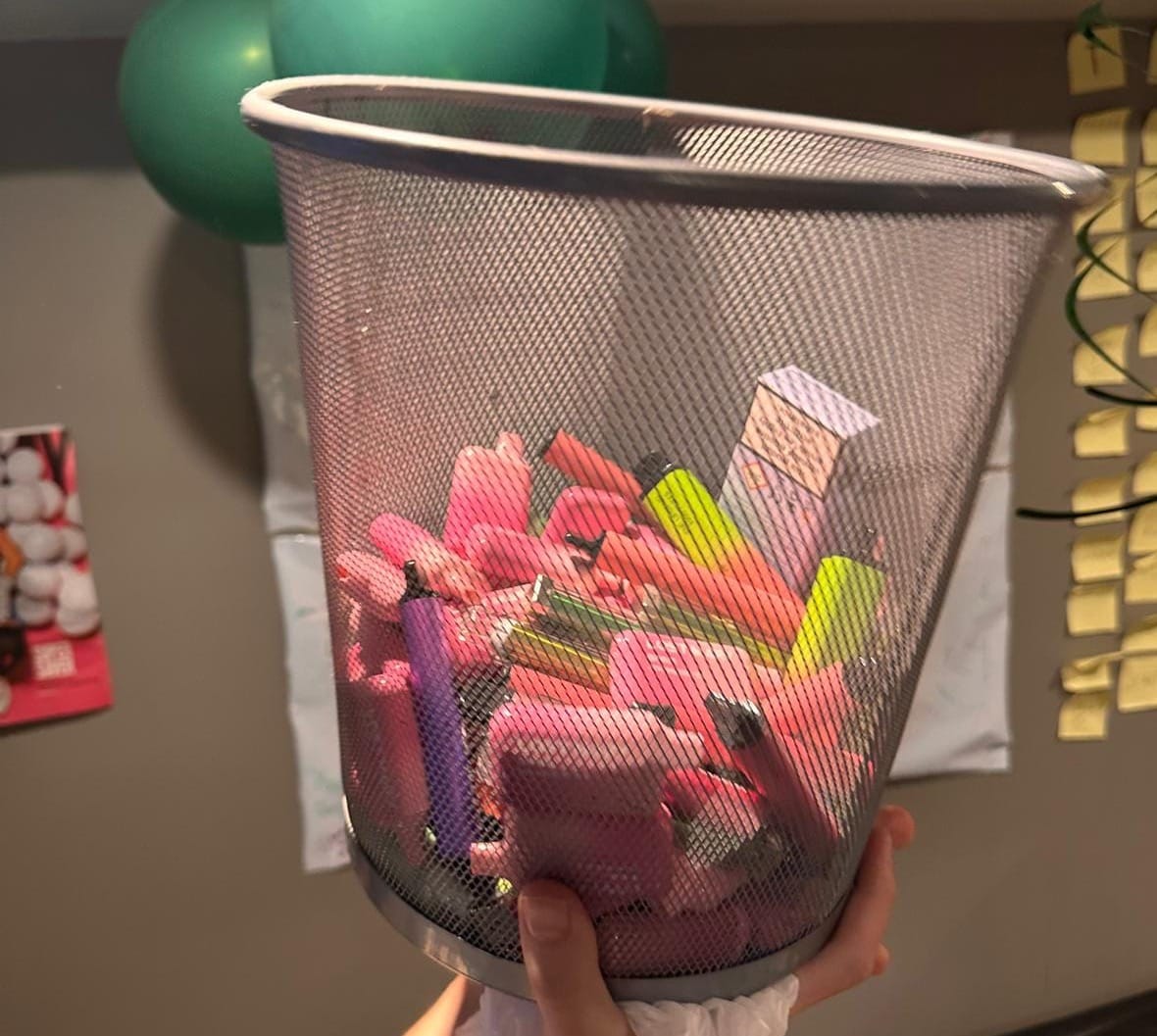
As for the health aspect, the ban is yet to reap any major benefits. Many disposable vape users, students and the public alike, found that post ban, they either continued to purchase single use vapes, turned to tobacco or invested in rechargeable vapes.
There is great concern that until single-use vapes are genuinely no longer purchasable, younger students, still in schools, will use the lower price point as their entry into the world of vaping and addiction. University students on the contrary, may be more easily persuaded that in the long run, investing in a rechargeable vape is the better option, for the planet and for their wallets.
 Johnny Harrison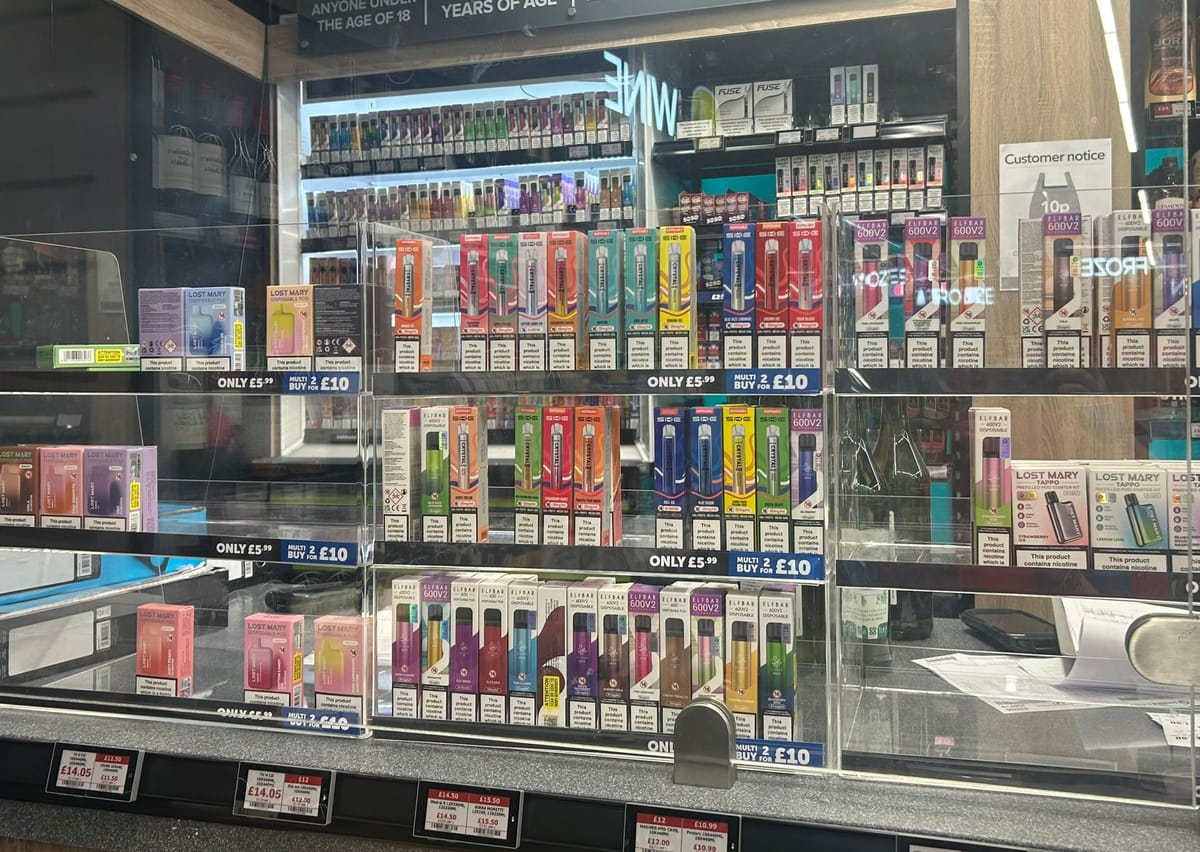
 Alice Bullard
Despite this pessimism, the disposable vape ban is a step forward in bringing about change in vaping mechanisms and decline in waste. Though, in the short term it does not seem effective, the ban acts as encouragement for businesses to rethink their models within a green framework. Clamping down by the government would be necessary in reducing environmental impacts and showing solidarity with mineral source countries. Whether vaping overall will decrease is unlikely, from the students surveyed the opposite seems probable, but perhaps the ban can act as a wake-up call to those fallen victim to the trend.
Featured Image: Epigram / Anna Dodd
Have you noticed a decrease in disposable vape use?